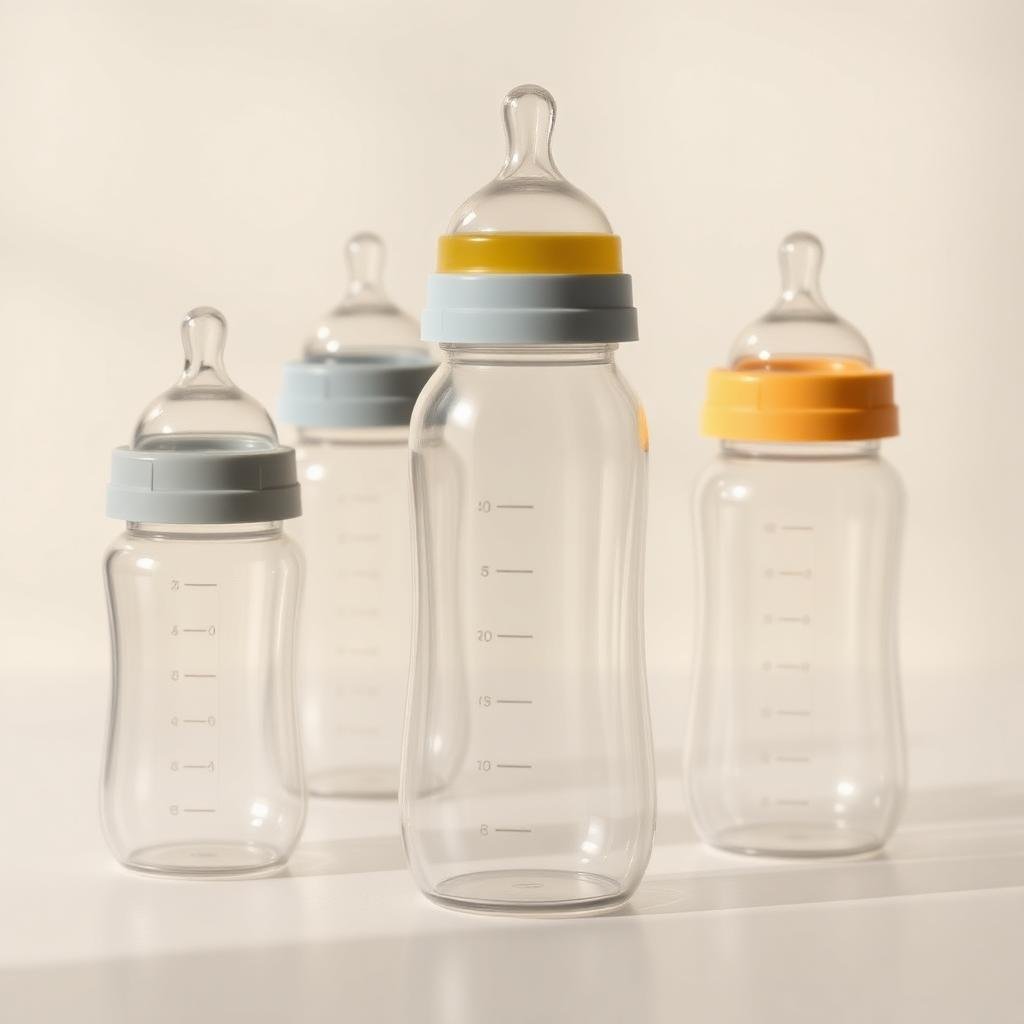
Best Anti-Colic Bottles for Newborns: Pediatrician Picks
Written by Dr. Sarah Williams, MD (Pediatrics) · Medically reviewed by Dr. Ahmad Raza, MD (Pediatrics) — ChildBloom Medical Review Panel. Last updated: September 27, 2026.
Editorial & affiliate disclosure: our guidance is written and reviewed by clinicians. ChildBloom may earn a commission from qualifying purchases made through links on this page, which never changes what our pediatric reviewers recommend. As an Amazon Associate, we earn from qualifying purchases.
A pediatrician reviews the best anti-colic bottles for gas-prone babies, comparing venting systems, nipple flow rates, and material safety. Find the right bottle to reduce gas, spit-up, and fussiness.
📋 TL;DR — if you read nothing else
Short answer: Anti-colic bottles cut swallowed air two ways — an internal vent tube (Dr. Brown’s) removes the most air, while a valve nipple (Avent, Comotomo) is simpler to clean. The bottle is only half the fix.
- Flow rate matters as much as the bottle. Pair any anti-colic bottle with a slow-flow nipple and paced feeding.
- For significant gas or colic: Dr. Brown’s Options+ has the strongest clinical evidence.
- For material safety: glass (Lifefactory) or silicone (Comotomo) is the inert choice.
- Replace nipples every 2–3 months and sterilize daily for babies under 3 months.
- Persistent gas after switching bottles deserves a pediatric conversation — anti-colic bottles do not treat colic, reflux, or a milk-protein allergy.
Looking for clear answers about anti-colic bottles for newborns? This pediatrician-reviewed guide covers what matters, what to skip, the safety checks that count, and exactly when to involve your doctor — based on current AAP, CDC and FDA guidance.
This guide keeps things practical: what genuinely affects your baby’s safety and comfort, what marketing you can ignore, and how to decide quickly. We compare venting systems, nipple flow rates and materials, then show you the pick that fits each situation.
Quick answer: Anti-colic bottles reduce swallowed air using either a vent tube (Dr. Brown’s) or a valve system (Avent, MAM, Comotomo). Vent bottles remove the most air; valve bottles are faster to clean. Pair either one with a slow-flow nipple and paced feeding — the flow rate matters as much as the bottle.
How Anti-Colic Bottles Work: Gas in Bottle-Fed Babies
During feeding, the baby creates suction to draw milk from the bottle. If air cannot enter to replace the milk, a vacuum forms and the baby works harder, causing them to swallow more air, gulp irregularly, and become fussier. That swallowed air accumulates in the stomach and intestines, causing gas, bloating, discomfort, and spit-up. An anti-colic bottle lets air enter the bottle through a vent or valve instead of the baby’s stomach.
Top Picks: Best Anti-Colic Bottles for Newborns
Five builds cover every situation — internal-tube venting, a valve nipple, silicone, glass, and a budget option. Prices are approximate as published; tap any pick to check current pricing on Amazon.
Best Overall: Dr. Brown’s Options+ Wide-Neck Bottle
- Price: ~$20 (3-pack).
- Venting: Internal vent tube — the original and most clinically studied anti-colic system.
- Material: BPA-free plastic, glass, or stainless steel.
Multiple studies show Dr. Brown’s bottles reduce colic symptoms, gas, and spit-up versus standard bottles. The vent channels air past the milk so the baby doesn’t swallow it and the milk doesn’t aerate. The vent is removable for older babies. Caveat: more parts to clean; the tubes can harbor mold if not cleaned well. Best for: babies with significant gas, colic, or reflux.
Best Valve-Based: Philips Avent Natural Anti-Colic Bottle
- Price: ~$18 (3-pack).
- Venting: Twin-valve system built into the nipple — easier to clean than an internal tube.
- Material: BPA-free polypropylene or glass; wide breast-like nipple.
Effective anti-colic performance with simpler cleaning and a breast-shaped nipple, ideal for combo-feeding families. The valve is less powerful than Dr. Brown’s for severe gas but sufficient for most. Caveat: valve can clog or leak if assembled incorrectly. Best for: breastfeeding families and mild-to-moderate gas.
Best for Breastfeeding: Comotomo Natural Feel Baby Bottle
- Price: ~$25 (2-pack).
- Venting: Dual anti-colic vents in the nipple base.
- Material: 100% medical-grade silicone — BPA-, BPS-, and phthalate-free.
The soft, squeezable silicone body feels like skin and the wide breast-like nipple eases bottle refusal. The wide neck is easy to clean. Caveat: venting is less robust for severe gas; silicone can retain odors. Best for: breastfed babies who resist plastic bottles.
Best Glass Option: Lifefactory Glass Baby Bottle
- Price: ~$22 (2-pack).
- Venting: Air-flow vent in the nipple base.
- Material: Borosilicate glass with a protective silicone sleeve.
Glass is the most chemically inert option — it won’t leach chemicals or retain odors and can be sterilized by boiling. The silicone sleeve guards against breakage and the bottle converts to a cup as baby grows. Caveat: heavier; basic venting. Best for: parents who prioritize chemical-free materials.
Best Budget: Evenflo Feeding Essentials Balance Air
- Price: ~$8 (3-pack).
- Venting: Vent-Aire system in the base.
- Material: BPA-free plastic; center-weighted nipple that resists over-fast flow.
At about $3 a bottle, this is the most affordable anti-colic option, with meaningful air reduction at a fraction of premium prices. Best for: budget-conscious families and babies with mild gas.
Quick Comparison Table
| Product | Price | Venting | Material | Best For |
|---|---|---|---|---|
| Dr. Brown’s Options+ | ~$20/3pk | Internal vent tube | Plastic/glass/steel | Severe gas & colic. |
| Philips Avent Anti-Colic | ~$18/3pk | Twin valve | Plastic/glass | Combo-feeding. |
| Comotomo | ~$25/2pk | Dual vent | 100% silicone | Breastfed babies. |
| Lifefactory | ~$22/2pk | Base vent | Glass + silicone | Chemical-free. |
| Evenflo Feeding Essentials | ~$8/3pk | Base vent | BPA-free plastic | Budget pick. |
Prices are approximate as published — tap a pick above for current pricing and availability.
Nipple Flow Rate Guide
Using the wrong nipple flow is a common bottle-feeding mistake. Too fast causes gulping and air swallowing; too slow causes frustration and more air swallowing.
| Age | Recommended Flow | Signs of Correct Flow |
|---|---|---|
| 0–1 month | Preemie or Level 1 (slowest) | Calm feed, 10–20 min, no gulping or choking. |
| 1–3 months | Level 1 or 2 | Steady feed, 10–15 min. |
| 3–6 months | Level 2 or 3 | Efficient feed, 10–15 min. |
| 6+ months | Level 3 or 4 | Quick feed, ~10 min. |
Too fast: gulping, choking or coughing, milk leaking from mouth corners, feed under 10 minutes, more spit-up. Too slow: vigorous but frustrated sucking, nipple collapse, feed over 20–25 minutes, falling asleep from exhaustion.
Material Safety — What To Look For
- BPA-free: all US baby bottles are BPA-free, but some use BPS/BPF; look for “BPA-free AND BPS-free.”
- Glass: most chemically inert; heavier and breakable (borosilicate is durable).
- Stainless steel: inert, lightweight, durable, won’t leach.
- Silicone: stable, flexible; medical-grade is highest quality.
- Plastic (PP): lightweight and cheap; replace every 4–6 months as it degrades with heat.
For more on safe infant products, see the American Academy of Pediatrics guidance at HealthyChildren.org.
Frequently Asked Questions
Parents ask us these questions at almost every newborn visit — here are our answers.
Do anti-colic bottles actually work? Yes — for gas reduction. Vent and valve systems keep air out of the milk your baby swallows, reducing the swallowed-air load behind burping pain, bloating, and spit-up. They do not treat true colic, reflux, or a milk-protein allergy — they reduce one contributing factor. Dr. Brown’s has the most clinical evidence.
How often should I replace bottle nipples? Every 2–3 months, or sooner if you see cracks, tears, stickiness, discoloration, or flow changes.
Can I use anti-colic bottles for breast milk? Yes — they work with breast milk, formula, and fortified breast milk.
My baby still has gas with an anti-colic bottle. What else can I do? Burp every 1–2 oz, keep baby upright 20–30 minutes after feeds, try bicycle legs and tummy massage, and discuss formula options with your pediatrician.
Should I sterilize bottles after every use? For newborns under 3 months or immunocompromised babies, sterilize daily. For healthy babies over 3 months, hot soapy water or the dishwasher is sufficient. Always sterilize new bottles before first use.
Which anti-colic bottle is easiest to clean? One-piece valve bottles like Philips Avent Natural or Comotomo have the fewest parts. Multi-part vent systems such as Dr. Brown’s get just as clean but need a brush and about a minute more per bottle.
What nipple flow rate should a newborn use? Start with a slow-flow (Level 1 / preemie) nipple. Move up only when your baby finishes a feed in under 10 minutes and seems frustrated — fast flow is a common hidden cause of gulping and gas.
How do I know my baby needs an anti-colic bottle? Look for gulping, frequent pulling off the bottle, loud swallowing, arching, and hard burps within 20 minutes of a feed. Those point to swallowed air rather than a medical problem.
Can I use anti-colic bottles for combination feeding? Yes. Choose a wide, slow-flow nipple shaped for a deep latch so your baby uses a similar mouth position at breast and bottle.
The Bottom Line
For significant gas, colic, or reflux, Dr. Brown’s Options+ is the most evidence-based of the anti-colic picks. For combo-feeding, Philips Avent or Comotomo offer breast-like nipples. For material safety, choose glass (Lifefactory) or silicone (Comotomo).
Whatever you choose, make sure it meets current safety standards, fits your baby’s age and stage, and that you can assemble it correctly every single time. Consistency beats features — and when two picks are close, take the simpler one: fewer parts means fewer ways to get the bottle wrong.
Common mistakes parents make
- Buying for the baby your child will be in six months rather than the baby in front of you today.
- Adding extra padding, inserts or accessories the manufacturer did not test.
- Skipping the manual — most safety failures we see are correct products used incorrectly.
- Reusing older hand-me-downs that predate current safety standards or have been recalled.
References & further reading
- CDC — Infant and Toddler Nutrition
- FDA — Questions and Answers for Consumers Concerning Infant Formula
- American Academy of Pediatrics
- American Academy of Pediatrics policy statement on breastfeeding and the use of human milk (cited by name; link not accessible)
🩺 Doctor’s Take
If you remember one thing: the bottle is only half the fix. A vent or valve bottle cuts swallowed air, but flow rate and pacing decide how much air your baby takes in — use the slowest nipple that keeps the feed calm, burp every 1–2 ounces, and hold baby upright 20–30 minutes after feeds. Replace nipples every 2–3 months, sterilize daily for babies under 3 months, and if gas persists after the switch, call your pediatrician.
This article is for general education and is not a substitute for individual medical advice, diagnosis or treatment. Every baby is different — talk to your own pediatrician about your child’s feeding, sleep, growth or development, and seek urgent care for breathing difficulty, poor feeding, dehydration, fever in an infant under 3 months, or any sudden change in your baby’s condition.
Medical review
Reviewed by Dr. Ahmad Raza, MD, Pediatrics. Last reviewed September 27, 2026. This article provides general education and does not replace individualized advice from your child’s pediatrician. Learn about our physicians on the About page.





25 Comments