Are Plastic Baby Bottles Safe? 7 Facts Parents Must Know
Medically reviewed by Dr. Ahmad Raza, MD (Pediatrics) — ChildBloom Medical Review Panel. Last updated: September 27, 2026.
Editorial & affiliate disclosure: our guidance is written and reviewed by clinicians. ChildBloom may earn a commission from qualifying purchases made through links on this page, which never changes what our pediatric reviewers recommend. As an Amazon Associate, we earn from qualifying purchases.
Are plastic baby bottles safe in 2026? A pediatrician-reviewed look at BPA, microplastics, and the 7 evidence-based rules every parent should follow.
📋 TL;DR — if you read nothing else
Short answer: Yes — BPA has been banned in US baby bottles since 2012, so every bottle sold today is BPA-free by law. Modern #2, #4, and #5 plastics are low-risk when used as directed.
- Safest plastics: #2 HDPE, #4 LDPE, and #5 PP. Avoid #3 PVC, #6 PS, and #7 PC (may contain BPA or other bisphenols).
- To minimize leaching: never microwave, never boil, replace bottles every 3–6 months or when scratched, and don’t store warm milk in plastic for long.
- Zero-plastic options: glass with silicone sleeves (safest overall), stainless steel (toddler-leaning), or silicone (middle ground).
- Watch for: pre-2012 secondhand bottles, deep scratches or cloudiness, and microwaved plastic.
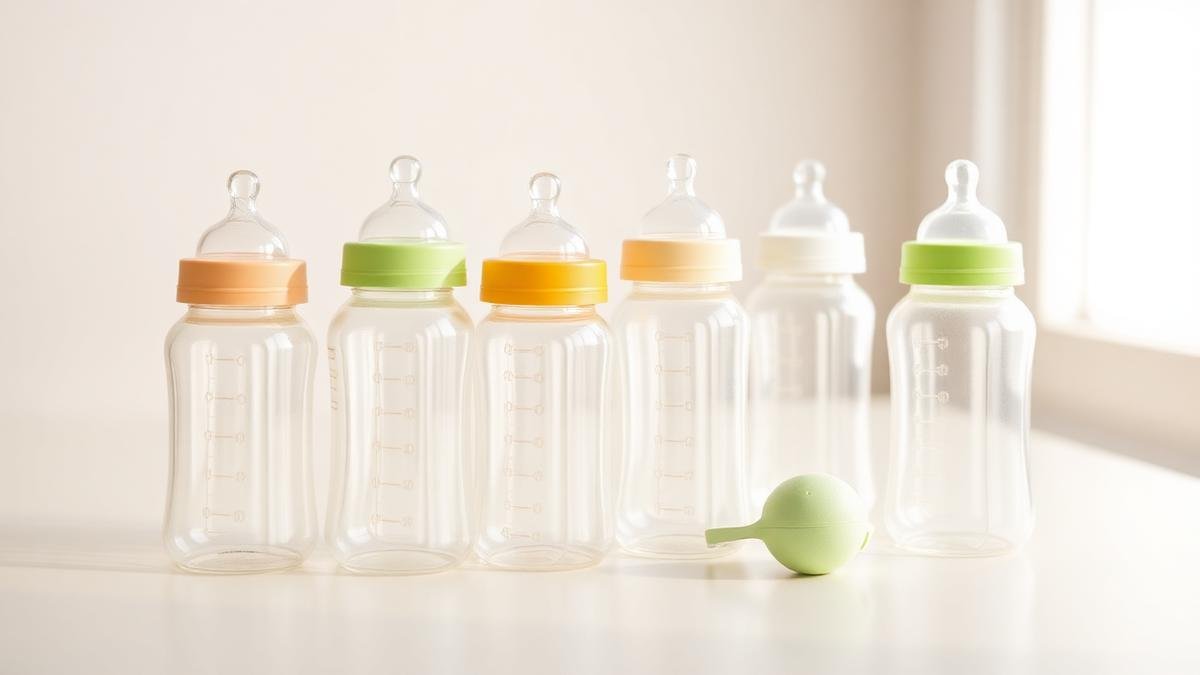
As a pediatrician, I’m frequently asked whether plastic baby bottles are safe. The concern is understandable — headlines about BPA, phthalates, and other chemicals can be alarming. Here’s what the current science says and how to choose safe bottles for your baby.
BPA has been banned in US baby bottles and sippy cups since 2012, so every bottle sold today is BPA-free by law. The safest plastics are #2, #4, and #5. If you choose plastic: never microwave it, replace bottles every 3–6 months, and use glass or silicone when you want to eliminate the question entirely.
The BPA Story: What Happened and Why
BPA (bisphenol A) is a chemical used to harden plastics. It was commonly used in baby bottles until research showed that BPA can leach from plastic into liquids, especially when heated. BPA is an endocrine disruptor — it mimics estrogen in the body, and animal studies raised concerns about developmental and reproductive effects. In response, the FDA banned BPA in baby bottles and sippy cups in 2012. Today, all baby bottles sold in the US are BPA-free by law. The BPA ban was a significant public health victory.
Are BPA-Free Plastics Safe?
BPA-free does not automatically mean risk-free. Some manufacturers replaced BPA with similar compounds like BPS (bisphenol S) and BPF (bisphenol F), which may have similar endocrine-disrupting effects. Early research suggests BPS and BPF may also leach from plastics and affect hormone function, though the evidence is less extensive than for BPA. The best approach: choose bottles labeled “BPA-free” (required by law) that use safer plastics (polypropylene #5 or polyethylene #2, #4) or avoid plastic altogether by choosing glass or stainless steel.
Plastic Types: What to Look For
Check the recycling number on the bottom of your bottles:
- #2 HDPE (high-density polyethylene) — safe, no known leaching concerns. Used in many bottle types.
- #4 LDPE (low-density polyethylene) — safe, flexible plastic.
- #5 PP (polypropylene) — safe, commonly used for bottles and food containers.
These are the safest plastics for baby bottles. Avoid #3 PVC (polyvinyl chloride), #6 PS (polystyrene), and #7 PC (polycarbonate — may contain BPA or other bisphenols).
Glass Bottles: The Gold Standard
Glass bottles are the safest option — they don’t leach any chemicals, are easy to clean (dishwasher safe), don’t absorb odors or stains, and last indefinitely. The downsides: they are heavier, can break if dropped (though many have silicone sleeves), and are more expensive upfront. For parents who want maximum safety and are willing to handle slightly heavier bottles, glass is the best choice.
Stainless Steel Bottles
Stainless steel bottles are another safe option — they don’t leach chemicals, are unbreakable, and are lightweight. They are less common for infant bottles and are more often used for toddler sippy cups and water bottles. Make sure to choose food-grade stainless steel that’s free of internal linings. Stainless steel can dent if dropped.
Are Silicone Bottles Safe?
Silicone bottles are becoming popular as an alternative to plastic and glass. Silicone is made from silica (sand) rather than petroleum. It is generally considered safe — it doesn’t leach known endocrine disruptors, doesn’t contain BPA, BPS, or phthalates, is flexible and unbreakable, is temperature stable (safe for hot liquids), and is easy to clean. Silicone is a good middle-ground option between plastic and glass.
Safe Use Practices for Plastic Bottles
If you choose plastic bottles, these practices minimize any potential risk:
- Don’t heat plastic bottles in the microwave (heat increases chemical leaching).
- Avoid boiling water directly in plastic bottles.
- Don’t use scratched or worn bottles (scratches can harbor bacteria and increase leaching).
- Wash by hand with mild soap rather than harsh dishwasher cycles (high heat can degrade plastic).
- Replace bottles every 3–6 months, or sooner if they show signs of wear.
- Don’t leave formula or breast milk in plastic bottles for extended periods (warm liquids increase leaching).
- Use glass or stainless steel for warm or hot liquids whenever possible.
Bottle Materials Comparison: Which Is Right for You?
| Material | Pros | Cons | Best For |
|---|---|---|---|
| Glass | Non-toxic, durable, easy to clean, no leaching | Heavy, breakable, more expensive | Parents wanting maximum safety |
| Plastic (#5 PP) | Lightweight, unbreakable, affordable | Needs replacing, may leach with heat/wear | Daily use, travel, daycare |
| Silicone | Flexible, lightweight, unbreakable, non-toxic | Can stain, more expensive | Babies who chew nipples, older babies |
| Stainless steel | Indestructible, non-toxic, temperature stable | Heavy, expensive, limited nipple options | Toddler cups, outdoor use |
There is no single “best” bottle material — each has trade-offs. Many parents use plastic for daily use and glass for home use, or start with plastic and switch to glass when baby can hold their own bottle. Choose what fits your lifestyle and comfort level.
Phthalates and PVC: What Parents Should Know
Phthalates are chemicals added to plastics to make them flexible. They’ve been linked to hormone disruption and developmental effects. In 2008, the Consumer Product Safety Improvement Act banned certain phthalates in children’s products, including baby bottles. Today, infant bottle nipples and pacifiers are phthalate-free by law. When buying bottles, check that they’re labeled “phthalate-free” and avoid bottles made from PVC (#3), which may contain phthalates. Polypropylene (#5) bottles are phthalate-free and safe.
Are Secondhand Plastic Bottles Safe?
Using secondhand plastic bottles is not recommended. You don’t know how they were cleaned (harsh detergents, high heat, or microwaving may have damaged them), whether they contain older plastics that may have BPA (bottles from before 2012 may contain BPA), and if they have micro-scratches that can harbor bacteria and increase leaching. If you receive secondhand bottles, check the recycling number: #5 PP from 2012 or later is safest. When in doubt, buy new bottles. The cost is minimal compared to the peace of mind.
Bottle Warming: Safety Guidelines
Many parents warm bottles, though it’s not medically necessary — babies will accept room-temperature or even cold milk once they’re used to it. If you warm bottles, follow these safety guidelines:
- Warm by placing the bottle in a bowl of warm water or using a bottle warmer.
- Never microwave (creates hot spots that can burn baby’s mouth and can damage bottle materials).
- Test the temperature on your inner wrist before feeding (should feel warm, not hot).
- Aim for body temperature (98.6°F) — milk that’s too hot can scald.
- Never re-refrigerate leftover warmed milk (bacteria from baby’s mouth can multiply).
If you’re using breast milk, note that warming destroys some immune factors — consider offering expressed breast milk at room temperature or slightly warm. Formula should not be heated above 158°F (it can damage nutrients and create harmful compounds).
Microplastics: Should Parents Worry?
Microplastics — tiny plastic particles shed from bottles, containers, and other plastic products — have been detected in infant stool samples and even in breast milk. This understandably causes concern for parents. Microplastics are everywhere — in our air, water, and food — and completely avoiding them is impossible. The health effects of microplastic ingestion in humans are not yet well understood, though animal studies suggest potential inflammatory and endocrine effects.
To reduce your baby’s exposure:
- Choose glass or stainless steel bottles for warm liquids (heat increases microplastic shedding).
- Avoid microwaving any plastic.
- Replace plastic bottles when they show scratches.
- Hand wash plastic bottles (dishwashers increase wear).
- Don’t store breast milk or formula in plastic for extended periods.
These steps reduce microplastic exposure but don’t eliminate it — and the risk, if any, is likely very small. Don’t let microplastic anxiety prevent you from using plastic bottles if that’s what works for your family. The known risks of not feeding your baby adequately far outweigh the theoretical risks of microplastics.
Nipple Material: Silicone vs. Latex vs. Rubber
The nipple material can be as important as the bottle material.
- Silicone nipples: most common, clear or translucent, firm but flexible, odorless and tasteless, durable (lasts 2-3 months), dishwasher safe, and hypoallergenic.
- Latex nipples: brown or amber colored, softer and more flexible than silicone, may have a slight taste or smell, less durable (needs replacing monthly), can cause allergic reactions in babies with latex allergy.
- Natural rubber nipples: similar to latex, biodegradable, soft, but may have a stronger taste and shorter lifespan.
For most babies, silicone nipples are the best choice — they’re durable, tasteless, and widely available. If your baby rejects silicone nipples, try latex (which is softer and more breast-like). Replace nipples at the first sign of wear — stickiness, swelling, cracking, or cloudiness. Always replace after 2-3 months regardless of appearance.
Disposable vs. Reusable Bottles: Environmental Impact
While reusable bottles (glass, plastic, stainless steel) are more environmentally friendly than single-use bottles, they still have an environmental footprint. Glass bottles require more energy to produce and transport due to their weight. Plastic bottles are lighter but are petroleum-based and can’t be recycled indefinitely. Stainless steel has the longest lifespan but requires energy-intensive mining and manufacturing. The most environmentally friendly choice is to buy one set of high-quality bottles that you can use for your entire baby’s first year and save for future children. Avoid single-use plastic bottle liners and disposable bottles. Donate or responsibly recycle bottles after use. The environmental impact of bottle-feeding is small compared to other lifecycle choices, so make the decision that works for your family.
Making an Informed Choice
When it comes to baby bottles, there is no single “right” answer. Glass offers maximum safety and durability but is heavier and breakable. Plastic (#2, #4, #5) is lightweight and convenient but requires more frequent replacement and careful use. Silicone offers a middle ground — flexible, unbreakable, and non-toxic. The best bottle is the one that fits your lifestyle, budget, and comfort level. Most importantly, your baby will thrive regardless of which bottle material you choose. Don’t let fear of chemicals drive you to a choice that doesn’t work for your family. Feed your baby safely, wash bottles properly, replace them when worn, and trust that you’re making good choices for your child.
Common mistakes parents make
- Microwaving a plastic bottle — heat increases leaching and creates hot spots; warm in a bowl of water instead.
- Boiling plastic bottles to sterilize them — use cold-water sterilization methods instead.
- Holding onto scratched, cloudy, or warped bottles — worn plastic leaches more readily; replace every 3–6 months.
- Accepting secondhand bottles from before 2012 — bottles from that era may still contain BPA.
- Abandoning plastic out of microplastic fear when feeding is already working — the known risks of not feeding your baby adequately outweigh the theoretical risks.
Frequently Asked Questions
Do plastic bottles cause health problems in babies? Current evidence suggests that modern BPA-free plastic bottles made from safe plastics (#2, #4, #5) pose minimal risk when used correctly. The BPA ban addressed the most significant concern. For parents who want to eliminate risk entirely, glass or stainless steel are excellent alternatives.
Is it safe to warm plastic bottles? Warm bottles by placing them in a bowl of warm water or using a bottle warmer. Do not microwave plastic bottles — uneven heating can cause hot spots and may increase chemical leaching. Never boil plastic bottles to sterilize them; use cold water sterilization methods instead.
How often should I replace plastic bottles? Replace plastic bottles every 3-6 months, or sooner if you see scratches, cloudiness, or warping. Worn plastic leaches more readily than new plastic.
The Bottom Line
Modern BPA-free plastic bottles made from safe plastics (#2, #4, #5) are generally safe for everyday use. For maximum safety, choose glass bottles with silicone sleeves or silicone bottles — they eliminate all concerns about plastic chemicals. Whichever you choose, follow safe use practices: don’t heat plastic, don’t microwave, replace worn bottles, and wash gently. Your baby will be well-nourished and safe regardless of which bottle material you choose.
References
- CDC infant and toddler nutrition
- FDA: infant formula guidance for parents
- AAP policy: breastfeeding and use of human milk (cited by name; link not accessible)
🩺 Doctor’s Take
If you remember one thing: BPA has been banned from US baby bottles since 2012, so any bottle you buy today is BPA-free. What you do with it matters more than which plastic it is — never microwave, replace scratched bottles, and reach for glass or silicone when you want zero plastic. The loving connection you build with your baby during every feed matters far more than the bottle material.
This article is general information, not individual medical advice. Every baby is different — talk to your own pediatrician about your child’s feeding, sleep, growth or development, and seek urgent care for breathing difficulty, poor feeding, dehydration, fever in an infant under 3 months, or any sudden change in your baby’s behaviour. When in doubt, call your doctor.
Medical review
Reviewed by Dr. Ahmad Raza, MD, Pediatrics. Last reviewed September 27, 2026. This article provides general education and does not replace individualized advice from your child’s pediatrician. Learn about our physicians on the About page.

5 Comments