Green Poop in Babies: Normal or a Warning Sign?
Medically reviewed by Dr. Ahmad Raza, MD (Pediatrics) — ChildBloom Medical Review Panel. Last updated: September 27, 2026.
Editorial & affiliate disclosure: our guidance is written and reviewed by clinicians. ChildBloom may earn a commission from qualifying purchases made through links on this page, which never changes what our pediatric reviewers recommend. As an Amazon Associate, we earn from qualifying purchases.
Green baby poop is usually normal — from foremilk imbalance to iron formula to teething. Learn every shade, when it matters, and when to call the pediatrician.
📋 TL;DR — if you read nothing else
Short answer: Green poop in babies is usually normal. Color alone is almost never the deciding factor — look at the whole baby, not the diaper.
- Usual suspects: foremilk/hindmilk imbalance, iron-fortified formula, green foods, a mild stomach bug, teething saliva, or antibiotics.
- How it works: bile starts green and bacteria turn it brown — stool that moves through fast stays green.
- Breastfed + frothy green? Fully drain one breast before switching sides; if oversupply is the issue, block-feed after checking with a lactation consultant.
- Formula-fed + dark green? Iron does that. It is harmless and helps prevent anemia — not a reason to switch formulas.
- Call the doctor for: blood or mucus, green watery diarrhea 3–4× a day, fever under 3 months, frothy foul-smelling green poop lasting over a week, or an unhappy, fussy baby.
- After a stomach bug: green can linger 1–2 weeks while transit catches up — no treatment needed while feeding and wet diapers stay normal.
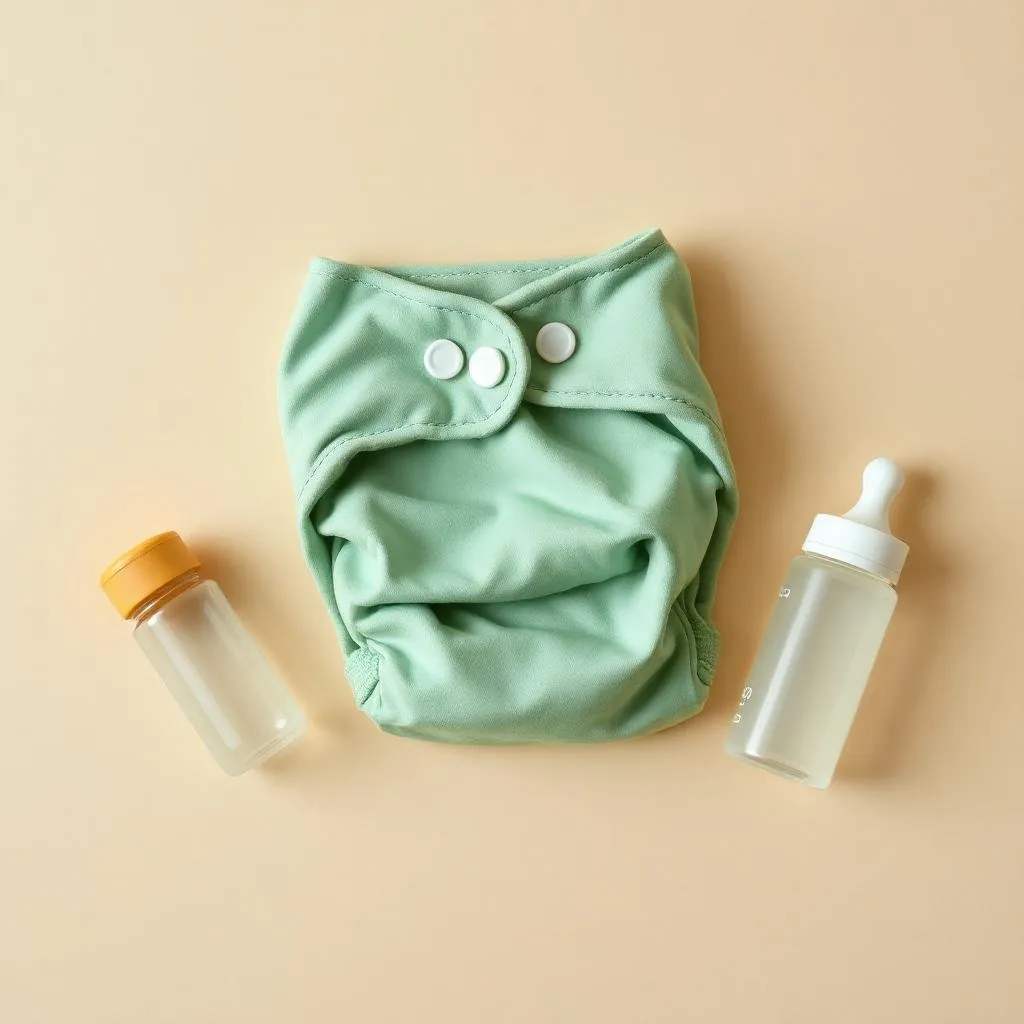
You open the diaper and see bright green — sometimes almost neon. In most cases, green poop in babies is completely normal. The color can vary based on diet, hydration, and digestive transit time. A few specific patterns — mucus, blood, or persistent bright green in an unhappy baby — can point to something worth a pediatrician’s attention. This guide walks through every common shade and what to do about each.
Green poop in babies is usually normal — especially in breastfed babies who get too much fast-flowing foremilk, in formula-fed babies on iron-fortified formula, and in any baby who recently ate something green or was sick. Guidance from AAP HealthyChildren.org confirms that stool color varies widely and is rarely alarming on its own.
Why Baby Poop Turns Green
Poop color comes from bile — a yellow-green fluid the liver makes to break down fat. As bile travels through the gut, bacteria change its color from green to yellow to brown. When the stool moves through fast (foremilk imbalance, a mild bug, teething drool), it stays green. When it moves slowly, it turns brown.
According to Mayo Clinic, healthy baby stool can range from yellow to green to brown, and color alone is almost never the deciding factor in whether a baby is sick. Understanding why green poop occurs helps parents worry less and act appropriately.
Common (Normal) Causes of Green Poop in Babies
In breastfed babies, the most common trigger is a foremilk/hindmilk imbalance. Foremilk — the milk at the start of a feed — is thinner and higher in lactose, while hindmilk at the end is thicker and higher in fat. When baby gets more foremilk than hindmilk, the higher lactose load moves through the gut faster, producing green, frothy, sometimes explosive stools. It happens with oversupply, when baby switches sides before draining, or during growth spurts when feeds are short and frequent.
- Foremilk/hindmilk imbalance in breastfed babies — baby gets a lot of watery foremilk before the fattier hindmilk.
- Iron-fortified formula — very common cause of dark green stool; not harmful, and the iron helps prevent anemia.
- Starting solids — spinach, peas, avocado, or green beans can tint the poop.
- Mild stomach bug — stool moves through faster than bile can be broken down.
- Teething — extra saliva speeds transit time.
- Antibiotics — disrupt the gut bacteria that normally turn stool brown; cefdinir in particular can make stool green or even red-looking.
Most of these causes are temporary and harmless. Knowing the trigger helps you decide whether to monitor at home or call the doctor.
When Green Poop in Babies Might Matter
Most green poop is harmless — what matters is the company it keeps. Call when any of these appear alongside the color.
- Green stool comes with blood or a lot of mucus (stringy, snot-like streaks)
- Baby is fussy or in pain during feeds, especially with a lot of gas
- Green watery diarrhea more than 3–4 times a day, especially if baby is not making wet diapers
- Fever with green stool in a baby under 3 months
- Frothy, foul-smelling green poop that persists more than a week
Fixing a Foremilk/Hindmilk Imbalance (Breastfed Babies)
- Empty one breast fully before offering the second. This ensures baby gets the fattier hindmilk.
- If oversupply is the issue, offer the same breast for 2–3 feeds in a row (block feeding). Talk to a lactation consultant first.
- Slow the letdown by hand-expressing 15–30 seconds before latching.
These simple adjustments often resolve green poop caused by foremilk imbalance within a few days. If baby is gaining weight steadily and making wet diapers, the imbalance is usually mild — keep watching the diaper, not the calendar.
What Different Shades of Green Mean
- Bright/lime green: fast transit, foremilk imbalance, or a virus — usually short-lived.
- Dark forest green: most often iron in formula — normal.
- Green with mucus: mild gut irritation, allergy (rare), or a virus — call if it lasts more than 2–3 days.
- Streaks of blood in green stool: possible cow’s milk protein allergy or anal fissure — always call your pediatrician.
If you also see hard pellet stools, our baby constipation guide covers what to do next. For age-by-age frequency norms, see how often should a baby poop.
Pediatrician Insight
In clinic, I see far more parents worried about green poop in babies than sick babies with green poop. If your baby is feeding well, has wet diapers, and is generally happy — the green color alone is not a problem. Always trust your instincts if something feels off.
Common mistakes parents make
- Switching formulas the moment stool turns dark green — iron-fortified formula does that, and the iron helps prevent anemia.
- Treating green as an emergency when baby feeds well, wets diapers, and is happy — color alone is almost never the deciding factor.
- Missing the paired signs: blood, mucus, fever, or poor weight gain — those are what make green stool matter.
- Switching sides at every feed when foremilk imbalance is the trigger — fully drain one breast first, or block-feed.
- Waiting on frothy, foul-smelling green poop past a week, or green diarrhea 3–4 times a day with fewer wet diapers — that’s a call.
Frequently Asked Questions
The five green-poop questions parents ask most — answered.
Is bright green poop normal in breastfed babies? Usually yes. It often means baby is getting too much foremilk (the watery milk at the start of a feed) and not enough hindmilk. Fully draining one breast before offering the other often fixes it.
Can formula cause green poop? Yes. Iron-fortified formula frequently turns stool dark green or almost black-green. This is not harmful and is not a reason to switch formulas.
What color of baby poop is a real emergency? White or chalky, black (after the newborn meconium stage), or red/bloody. Any of those needs a same-day call to the pediatrician — unlike green, these colors warrant immediate medical attention.
How long does green poop last after a stomach bug? Up to 1–2 weeks. Fast transit continues even after the illness ends. As long as baby is eating, drinking, and making wet diapers, no treatment is needed.
Can teething cause green poop? Yes — extra saliva speeds up gut transit. It’s usually short-lived and needs no treatment.
The Bottom Line
Green poop in babies is almost always normal and not a cause for concern. The color can come from a variety of harmless causes including foremilk-hindmilk imbalance, iron in formula, mild viral illnesses, green foods, and medications. Only in rare cases does green poop signal a medical problem, and those cases are accompanied by other symptoms like blood, mucus, fever, or poor weight gain. By understanding the common causes, you can save yourself unnecessary worry while still recognizing when something might be wrong. If your baby has green poop but is feeding well, growing well, and acting normally, you can be confident that everything is fine.
References
- CDC — Infant and Toddler Nutrition
- AAP HealthyChildren — Baby’s First Days: Bowel Movements & Urination
- FDA — Questions and Answers for Consumers Concerning Infant Formula
- AAP policy: breastfeeding and use of human milk (cited by name; link not accessible)
- Mayo Clinic — baby poop expert answers (cited by name; access-restricted)
- CDC — Children’s Health (cited by name; link not found)
🩺 Doctor’s Take
If you remember one thing: the color of the poop matters far less than how your baby is doing overall. A happy, well-fed baby making wet diapers with green stool is almost always fine — foremilk imbalance, iron formula, and green foods are the usual suspects, and each has a simple explanation. What earns a phone call is the company green stool keeps: blood, mucus, fever under 3 months, green watery diarrhea more than 3–4 times a day, or frothy foul-smelling poop lasting over a week.
This article is general information, not individual medical advice. Every baby is different — talk to your own pediatrician about your child’s feeding, sleep, growth or development, and seek urgent care for breathing difficulty, poor feeding, dehydration, fever in an infant under 3 months, or any sudden change in your baby’s behaviour. When in doubt, call your doctor.
Medical review
Reviewed by Dr. Ahmad Raza, MD, Pediatrics. Last reviewed September 27, 2026. This article provides general education and does not replace individualized advice from your child’s pediatrician. Learn about our physicians on the About page.



5 Comments