Introducing New Foods to Toddlers: A Pediatrician’s Practical Guide
Introducing new foods to toddlers takes patience: 10–15 exposures, no pressure, safe prep. Get a calm approach, choking tips, and when to call your pediatrician.

Introducing new foods to toddlers takes patience: 10–15 exposures, no pressure, safe prep. Get a calm approach, choking tips, and when to call your pediatrician.
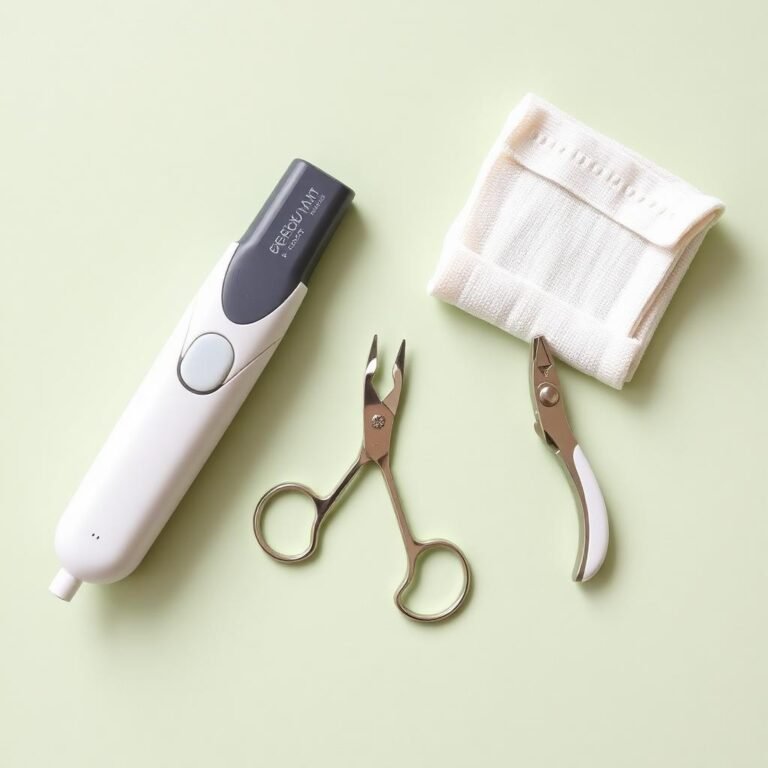
Pediatrician-reviewed guide to the safest baby nail trimmers for newborns and toddlers — electric files, safety scissors, and grooming kits compared.

A pediatrician reviews the best Wi-Fi baby cameras for remote monitoring — evaluating encryption, night vision quality, two-way audio, and overall reliability.

A pediatrician-tested guide to the best baby carriers of 2026: stretchy wraps, ring slings, and structured picks compared for hip safety, comfort, and value.
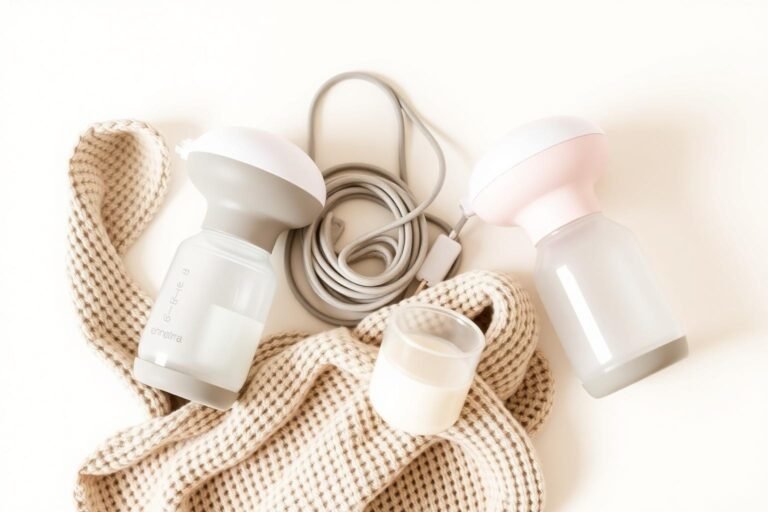
We compare the Momcozy M5 and Elvie wearable breast pumps on suction, comfort, battery, noise, and price to help you choose the right pump. Both can support a healthy milk supply with correct flange fit and frequent sessions.

Introducing solids at 6 months: readiness signs, iron-rich first foods, texture progression, and safety. Get a calm day-by-day start.

Introducing solid foods step by step: start ~6 months with iron-rich first foods, tiny amounts, allergens early, and skip honey/salt. Get the full guide.

Help your 1–3 year old name and express big feelings with calm, pediatrician-backed strategies — plus the signs it’s time to call your pediatrician.

Most newborns sleep 14 to 17 hours a day in short stretches. This guide covers age-by-age newborn sleep needs, safe sleep habits, and warning signs to discuss with your pediatrician.

Night wakings in toddlers are usually normal and tied to development or routine. Learn gentle, pediatrician-backed steps to help your child sleep longer.

Night weaning when and how to begin: most babies can drop night feeds between 6 and 12 months. Learn gentle, pediatrician-approved methods to try.

Picky eating in toddlers is common and peaks around age 2-3. Learn calm, pressure-free strategies and portion sizes that help broaden your child’s diet.

How much milk does a newborn need? About 15–25 oz/day by 1 month, in 8–12 feeds. Get amounts by age, hunger cues, and warning signs.

Infant nap transitions: 3→2 naps around 6–9 months, 2→1 around 15–18 months. Learn the signs of readiness and how to switch smoothly.

How much should a toddler eat? About 1,000–1,400 calories/day in small portions (1 tbsp per year of age). Get a sample plate and schedule.

25 pediatrician-approved healthy toddler snack ideas, portion sizes, and choking-safety rules for ages 1–3 — plus when to call your pediatrician.

Learn what newborn hair loss may look like, which patterns to document, and when patchy hair loss needs pediatric review.
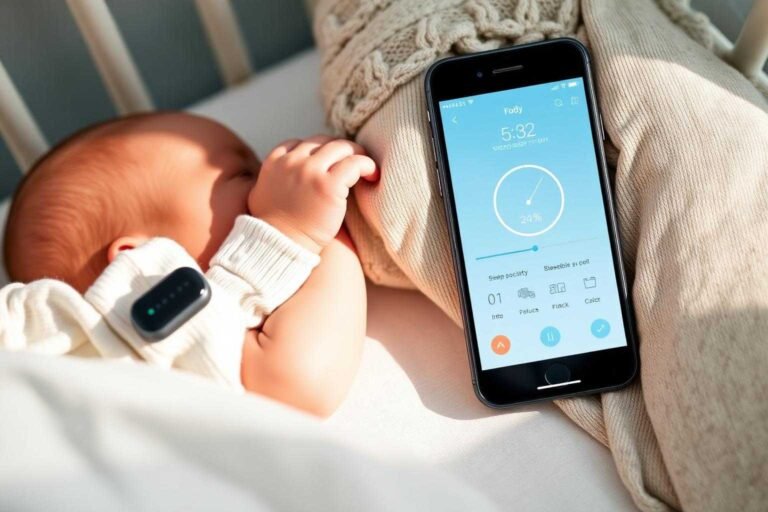
A pediatrician reviews the top 5 baby sleep trackers and wearables — comparing accuracy, battery life, app quality, and whether the data is actually useful.
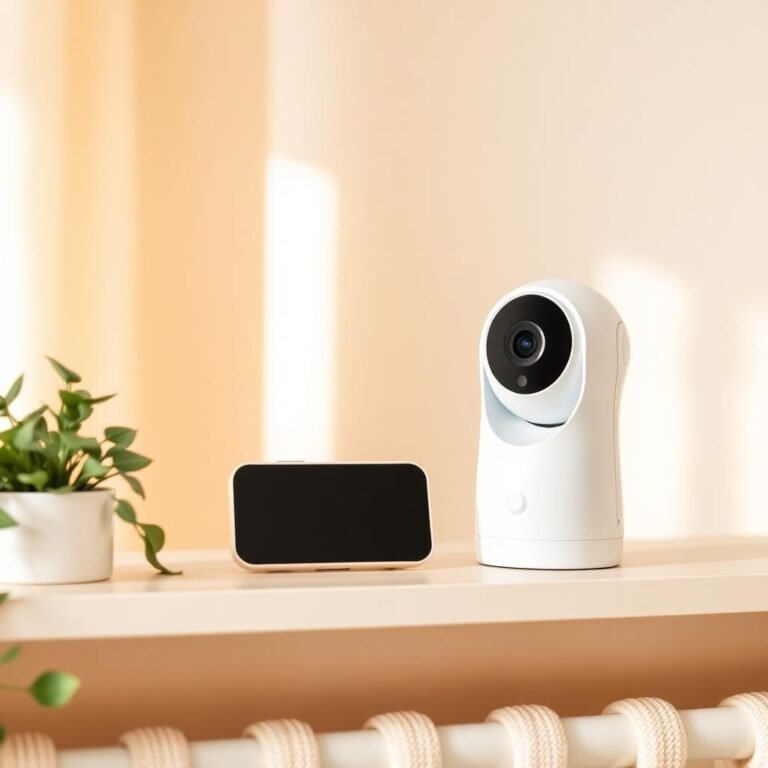
Wi-Fi cameras are convenient but hackable. Dedicated monitors are secure but limited in range. A pediatrician compares both options to help you choose.
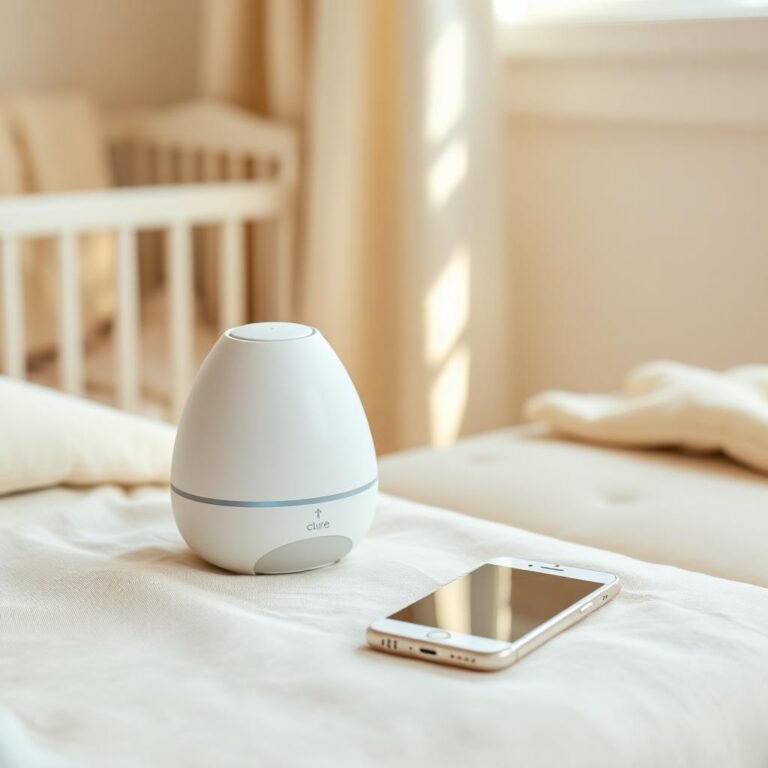
White noise helps babies sleep — but is a phone app as good as a dedicated machine? A pediatrician compares sound consistency, decibel safety, and screen-free b

Consumer sleep trackers estimate — but do not measure — baby sleep stages. A pediatrician explains what the data actually tells you and how to use it wisely.

A pediatrician provides an honest assessment of the Owlet and similar baby wearable trackers — weighing reassurance against anxiety, false alarms, and data over

A pediatrician examines whether smart baby monitors with oxygen and heart rate sensors actually prevent SIDS — what the FDA says, what the research shows, and w

A board-certified pediatrician provides an honest, evidence-based review of baby tech — smart monitors, wearable trackers, sleep socks, and apps — separating wh

A pediatrician’s step-by-step protocol for treating cradle cap in newborns safely — what oils to use, what to avoid, and 8 red flags to call the doctor.
We use cookies to improve your experience on our site. By using our site, you consent to cookies.
Manage your cookie preferences below:
Essential cookies enable basic functions and are necessary for the proper function of the website.
These cookies are needed for adding comments on this website.
Statistics cookies collect information anonymously. This information helps us understand how visitors use our website.
Google Analytics is a powerful tool that tracks and analyzes website traffic for informed marketing decisions.
Service URL: policies.google.com (opens in a new window)