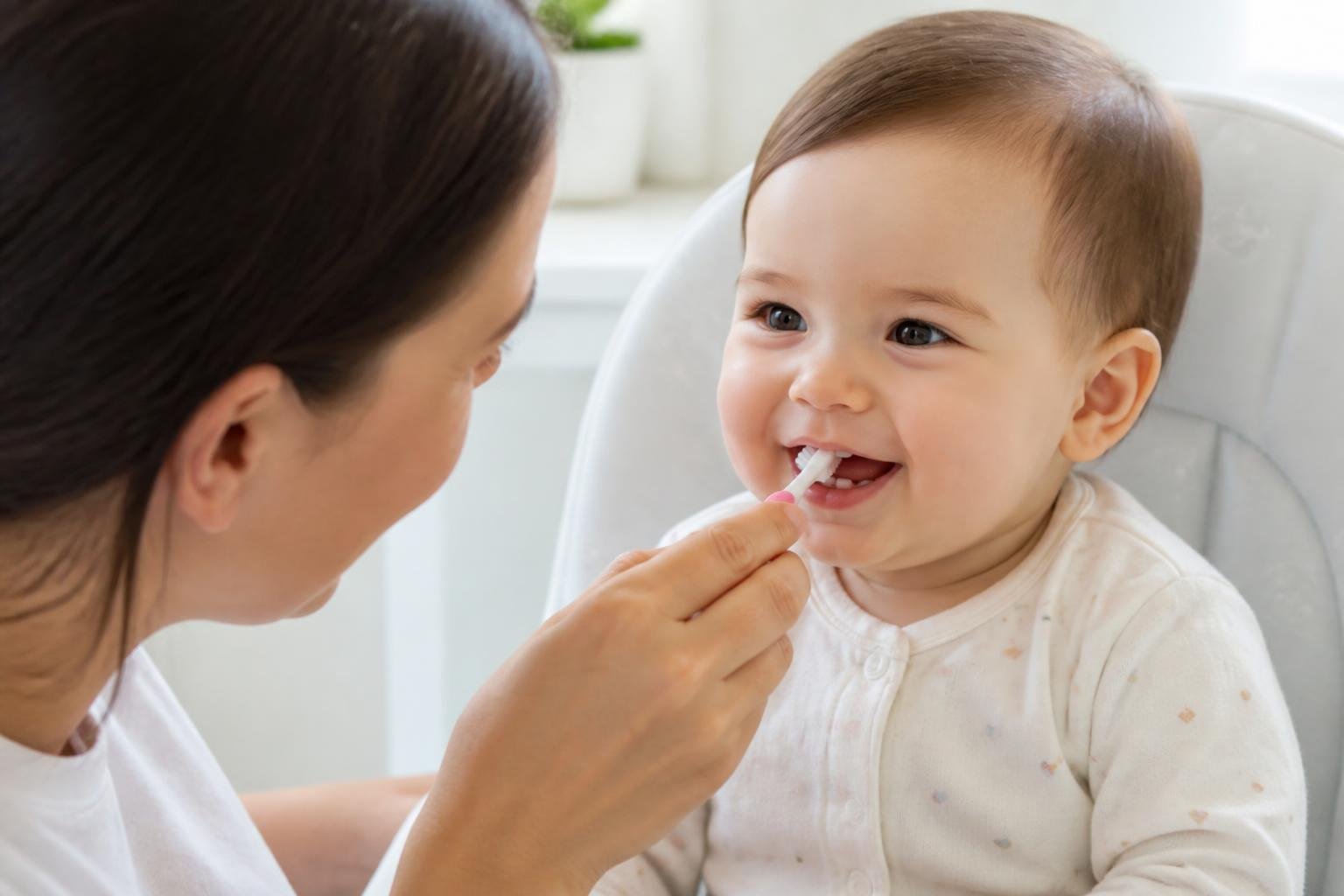
Start brushing: When to Start Brushing Baby Teeth: Fluoride Rules by Age
Medically reviewed by Dr. Ahmad Raza, MD (Pediatrics) — ChildBloom Medical Review Panel. Last updated: August 4, 2026.
Editorial & affiliate disclosure: our guidance is written and reviewed by clinicians. ChildBloom may earn a commission from qualifying purchases made through links on this page, which never changes what our pediatric reviewers recommend.
Looking for clear answers about start brushing? This pediatrician-reviewed guide covers what matters, what to skip, the safety checks that count, and exactly when to involve your doctor — based on current AAP, CDC and CPSC guidance on start brushing.
Quick pediatrician summary: start brushing
Short answer: A pediatrician explains start brushing: what is normal, the real risks, red flags to watch for and exactly when to call your doctor.
Written by the ChildBloom Pediatric Panel, FAAP | Medically reviewed | Last updated July 2025
Your baby’s first tooth has appeared. It is tiny — a single white dot on the lower gum. Do you really need to brush it? And if so, can you use fluoride toothpaste? Isn’t fluoride dangerous for babies?
These are among the most common questions I get from new parents, and the answers may surprise you — especially if you grew up with the “no fluoride until age 2” advice that was standard a generation ago.
The current recommendations from the AAP and AAPD are clear:
- Start brushing as soon as the first tooth appears.
- Use fluoride toothpaste from the first tooth.
- The amount matters: a smear (grain-of-rice-sized) for children under 3, a pea-sized amount for children 3-6.
Table of Contents
Part 1: Why Fluoride Matters
1.1 How Fluoride Works
Fluoride is a mineral that strengthens tooth enamel through several mechanisms:
- Remineralization: Fluoride promotes the deposition of calcium and phosphate back into the enamel, repairing early stages of decay.
- Acid resistance: Fluoride incorporates into the enamel crystal structure (forming fluorapatite), which is more resistant to acid attack.
- Bacterial inhibition: Fluoride interferes with the metabolism of cavity-causing bacteria.
1.2 The Evidence for Fluoride
- Communities with fluoridated water have 25% fewer cavities in children (CDC data).
- Fluoride toothpaste reduces cavities by approximately 20-30% in children who use it regularly.
- The combination of fluoridated water and fluoride toothpaste provides the greatest protection.
1.3 The Risk: Dental Fluorosis
The primary risk of fluoride exposure in young children is dental fluorosis — a cosmetic condition that causes white spots or streaks on the permanent teeth. Key points:
- It affects PERMANENT teeth, not baby teeth.
- It is caused by SWALLOWING fluoride, not by topical contact.
- Mild fluorosis (white specks) is very common (~25% of US children) and purely cosmetic.
- The grain-of-rice-sized amount contains approximately 0.1 mg of fluoride — far below the amount that would cause concern.
Part 2: The Fluoride Rules by Age
BIRTH TO FIRST TOOTH:
- No toothpaste needed.
- Wipe the gums daily with a clean, damp washcloth.
FIRST TOOTH TO AGE 3:
- Brush twice daily with a soft-bristled baby toothbrush.
- Use a SMEAR of fluoride toothpaste — no larger than a grain of rice.
- This amount contains approximately 0.1 mg of fluoride — safe even if swallowed.
AGE 3-6:
- Brush twice daily with a child-sized toothbrush.
- Use a PEA-SIZED amount of fluoride toothpaste.
- Supervise brushing. Children under 6 do not have the manual dexterity to brush effectively.
AGE 6+:
- Brush twice daily with a child-sized or adult toothbrush.
- Use a pea-sized amount of fluoride toothpaste.
- Begin flossing daily once teeth are touching.
Part 3: Building a Brushing Routine
3.1 When to Brush
- Twice daily: Once in the morning and once before bed (nighttime is most important).
- After the last feeding: Do NOT put the baby to bed with a bottle.
3.2 How to Brush
For infants (first teeth):
- Sit the baby on your lap, facing away from you. Support their head.
- Use a soft-bristled baby toothbrush with a rice-grain-sized smear of fluoride toothpaste.
- Gently brush all surfaces of each tooth and the gum line.
- The entire process takes about 30-60 seconds.
- Do not rinse — leaving the fluoride on the teeth provides additional protection.
3.3 Making It Easier
- Start early. The sooner brushing becomes routine, the less the baby will resist.
- Make it fun. Sing a song, use a timer, let the baby hold their own toothbrush.
- Brush together. Toddlers love to imitate.
- Be consistent. Brush at the same times every day.
- Do not negotiate. Brushing is not optional — it is as non-negotiable as buckling a car seat.
For toothbrush recommendations, see Top 5 Baby Toothbrushes & Finger Brushes for First Teeth.
Part 4: Other Sources of Fluoride
4.1 Fluoridated Water
Most US municipal water systems are fluoridated (~73% of the population). The optimal level is 0.7 mg/L.
4.2 Well Water and Bottled Water
If you use well water, have it tested for fluoride content. Most bottled water does NOT contain fluoride.
4.3 Fluoride Varnish
Your pediatrician or dentist may apply fluoride varnish 2-4 times per year. This is a concentrated treatment painted onto the teeth — quick, painless, and highly effective.
Part 5: Early Childhood Caries — What to Watch For
Early childhood caries (ECC) is cavities in children under 6. It is the most common chronic disease of childhood — 5 times more common than asthma.
Signs to watch for:
- White spots near the gum line (earliest sign of decay)
- Brown or black spots on the teeth
- Visible holes or pits
- Sensitivity to hot, cold, or sweet foods
- The upper front teeth are most commonly affected first
Prevention:
- Brush twice daily with fluoride toothpaste from the first tooth.
- No bottle in bed.
- Limit sugary foods and drinks.
- See a pediatric dentist by age 1.
👩⚕️ Pediatrician’s Take
Start brushing with fluoride toothpaste the day the first tooth appears. Use a grain-of-rice-sized amount — it is safe even if the baby swallows it. The idea that fluoride is dangerous for babies is outdated. The evidence overwhelmingly supports the safety and effectiveness of fluoride toothpaste at the recommended amounts. Tooth decay is the most common chronic disease of childhood, and it is almost entirely preventable with fluoride toothpaste and good brushing habits.
When to Call the Doctor
- White spots on the baby’s teeth (early sign of decay)
- Brown or black spots on the teeth
- The baby is in pain when eating
- No dental visit by age 1
Related Articles
- Baby Teeth Eruption Chart: What Comes First & When to Worry About Delays
- Teething Rash on Chin & Cheeks: Drool Dermatitis or Allergy?
- The Pediatrician’s Guide to Baby Teething
MEDICAL DISCLAIMER: This article is for informational purposes only and does not constitute medical advice. Always consult your pediatrician or pediatric dentist for guidance on your child’s specific needs.
Baby Oral Health: The First Dental Visit
The American Academy of Pediatric Dentistry and the American Academy of Pediatrics recommend that your baby have their first dental visit by their first birthday or within 6 months of the first tooth erupting, whichever comes first. The first dental visit is not about treatment. It is about prevention and education. The dentist will examine your baby mouth to check for early signs of tooth decay, assess oral development, and provide guidance on oral hygiene, fluoride, and diet. The visit also helps your baby become comfortable with the dental environment, reducing anxiety about future visits. To prepare for the first dental visit, schedule it at a time when your baby is well-rested and fed. Bring a comfort item like a favorite toy or blanket. Explain what will happen in simple terms if your baby is old enough to understand. Be calm and positive, as your baby will pick up on your emotional cues. During the visit, the dentist will perform a lap exam, where your baby sits on your lap while the dentist examines their mouth. This is a gentle, non-threatening approach that helps your baby feel safe. The dentist will count your baby teeth, check for cavities, assess gum health, and evaluate the bite and jaw development. They will also provide guidance on brushing technique, fluoride use, thumb sucking or pacifier habits, and diet as it relates to oral health. After the first visit, schedule regular dental checkups every 6 months, just as you would for yourself. Early and regular dental care sets the foundation for a lifetime of good oral health and helps prevent the most common chronic disease of childhood: dental cavities. Your baby first dental visit is an investment in their long-term health that pays dividends for years to come.
Related: Best Safe Teething Relief Products: Pediatrician-Approved Picks
Related: Top 5 Baby Toothbrushes & Finger Brushes for First Teeth: Pediatrician-Reviewed
Related: Best Silicone Teethers by Teething Stage: A Pediatrician’s Guide
Reference: World Health Organization – Maternal & Child Health
Key Facts About Start Brushing
Every parent should understand start brushing. This guide covers what you need to know, based on current pediatric evidence.
Related Resources
Explore more pediatrician-reviewed guidance from ChildBloom:
- Teething Rash on Chin & Cheeks: Drool Dermatitis or Allergy?
- Baby Teeth Eruption Chart: What Comes First & When to Worry About Delays
Authoritative External Sources
Fluoride and Infant Oral Health: What Parents Need to Know
Fluoride is a mineral that strengthens tooth enamel and prevents cavities, but its use in infants requires careful consideration. The American Academy of Pediatrics recommends using a smear of fluoride toothpaste, about the size of a grain of rice, as soon as the first tooth appears. This amount is safe for babies to swallow. The fluoride in toothpaste provides topical protection that strengthens the enamel of erupting teeth. In addition to toothpaste, many communities add fluoride to the drinking water. If your tap water is fluoridated, your baby will get additional fluoride exposure when they start drinking water. If your tap water is not fluoridated, or if you use bottled water, your pediatrician may recommend a fluoride supplement starting at 6 months. The recommended dose depends on the fluoride level in your water and your baby’s age. Too much fluoride during tooth development can cause fluorosis, which appears as white spots or streaks on the permanent teeth. Fluorosis is a cosmetic condition, not a health problem, but it is preventable by using the correct amount of toothpaste and consulting your pediatrician about fluoride supplements. The balance is between preventing cavities, which are the most common chronic disease of childhood, and avoiding fluorosis. The AAP’s recommendation of a grain-of-rice-sized smear of fluoride toothpaste twice daily provides the right balance of cavity prevention and fluorosis prevention for most babies.
Frequently Asked Questions
Q: When should I call the pediatrician?
A: Call immediately for: fever in a baby under 3 months, difficulty breathing, signs of dehydration (no wet diapers for 8+ hours, no tears when crying), lethargy or difficulty waking, a rash that doesn’t fade when pressed, or if your baby seems to be getting worse. For non-urgent concerns, call during business hours.
Q: How do I know if my baby is developing normally?
A: Development varies widely, but babies should show progressive gains in motor skills, social interaction, and communication. If your baby isn’t meeting multiple milestones or is losing skills they once had, discuss with your pediatrician. Early intervention is highly effective if there are delays.
Q: What products do I really need for my baby?
A: The essentials are: a correctly installed car seat, a safe sleep space (crib or bassinet with firm mattress), diapers and wipes, appropriate clothing, and a digital thermometer. Beyond these, focus on products that address specific needs rather than marketing claims. Always prioritize safety certifications over features.
Related Articles
- Parent Guide: Baby Teething Guide
- Teething Fever: Can Teething Really Cause Fever?
- Amber Teething Necklaces: Are They Safe?
- Baby Teeth Eruption Chart & Timeline
- Teething Rash on Chin & Cheeks
- Best Silicone Teethers by Stage
- Best Baby Toothbrushes & Finger Brushes
- Best Safe Teething Relief Products
📖 More from the Health & Safety Hub: your A-Z pediatrician guide to baby health, common illnesses, fevers, rashes, allergies, safety
Frequently asked questions about start brushing
Is start brushing normal in babies?
Mild, short-lived episodes are common and usually settle with simple home care. It is not normal if your baby is feeding poorly, unusually sleepy, breathing fast, has a fever under 3 months of age, or the problem is getting worse instead of better.
When should I call the doctor about start brushing?
Call the same day for fever in a baby under 3 months, breathing difficulty, repeated vomiting, dehydration signs such as very few wet diapers, unusual floppiness or a rash that does not fade with pressure. Trust your instinct — if something feels wrong, get your baby seen.
What can I safely do at home for start brushing?
Focus on comfort, hydration, feeding and rest, and use only medicines and doses your pediatrician has approved for your baby’s age and weight. Avoid honey under 12 months, avoid over-the-counter cough and cold products under 6 years, and never give aspirin.
Common mistakes parents make with start brushing
- Assuming a higher price means a safer or better-performing option — certification and correct fit matter far more.
- Skipping the instruction manual, weight limits and product registration, which is how recall notices reach you.
- Changing several things at once, so you cannot tell what actually helped your baby.
- Relying on advice from social media instead of your pediatrician when something feels off.
Related pediatrician-reviewed reading
- Baby Teeth Eruption Chart
- Baby Teething Timeline
- Baby Clothing Guide
- The Pediatrician’s Guide to Baby Teething
- baby health & safety hub
References & further reading
Medical disclaimer: this article is for general education and does not replace individual medical advice. Always follow your own pediatrician’s guidance for your child.


17 Comments