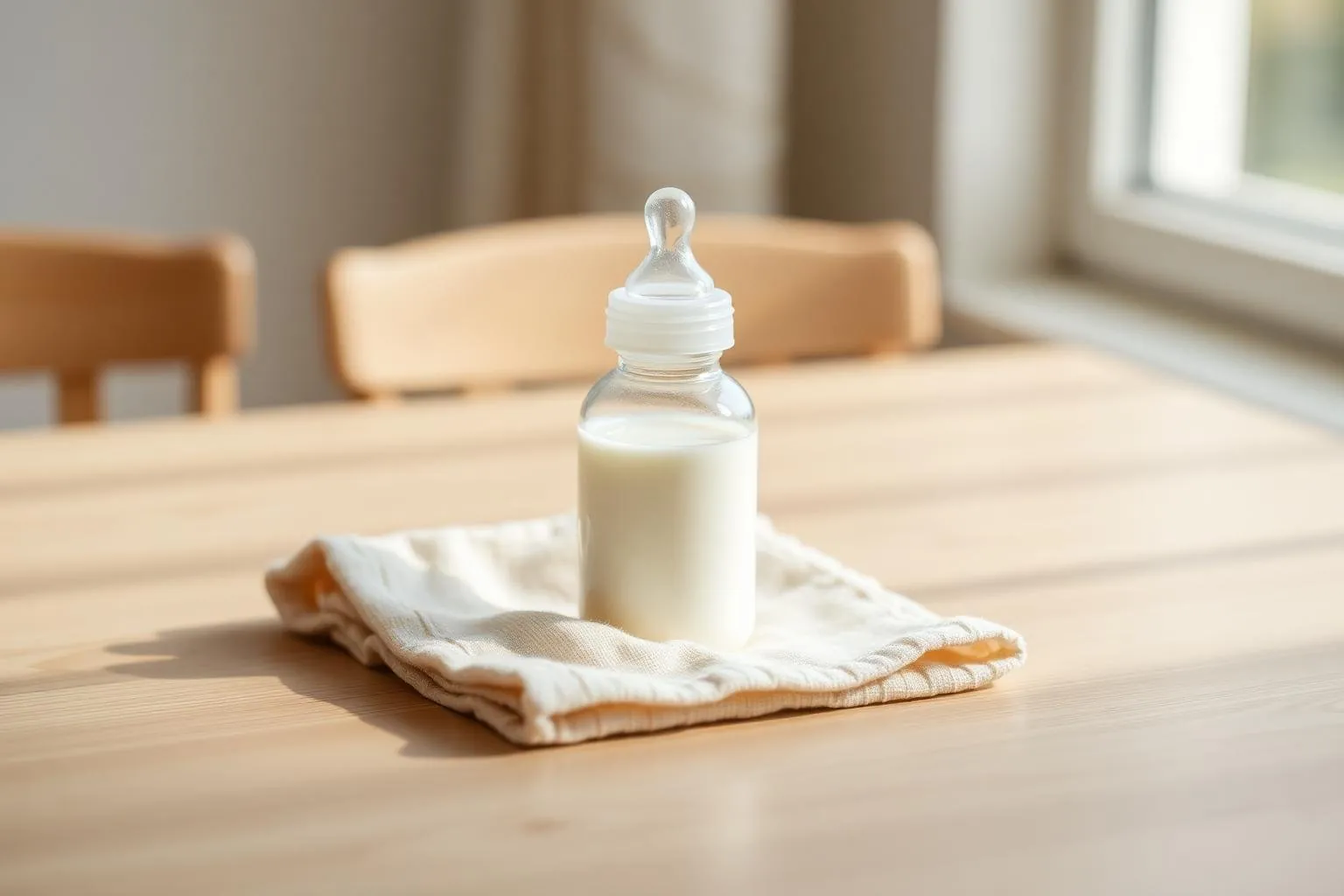
Baby Refusing Bottle? 7 Proven Fixes That Work Fast
Medically reviewed by Dr. Ahmad Raza, MD (Pediatrics) — ChildBloom Medical Review Panel. Last updated: August 4, 2026.
Editorial & affiliate disclosure: our guidance is written and reviewed by clinicians. ChildBloom may earn a commission from qualifying purchases made through links on this page, which never changes what our pediatric reviewers recommend.
Looking for clear answers about baby refusing bottle 7 proven fixes that work? This pediatrician-reviewed guide covers what matters, what to skip, the safety checks that count, and exactly when to involve your doctor — based on current AAP, CDC and CPSC guidance on baby refusing bottle 7 proven fixes that work.
Quick pediatrician summary: baby refusing bottle 7 proven fixes that work
Short answer: A pediatrician explains baby refusing bottle 7 proven fixes that work: what matters, safe picks and when to call your doctor.

You warm the bottle, offer it gently, and your baby turns their head, arches back, and screams. Meanwhile, they’re hungry and you’re stressed—wondering, why won’t my baby take the bottle?
However, baby refusing bottle is very common and rarely dangerous. The AAP’s HealthyChildren.org notes that most feeding hiccups pass with small changes. As a result, most babies come around within a few days to a couple of weeks with the right approach. Therefore, here’s what’s actually causing it—and what works.
Quick Answer: Why Is My Baby Refusing the Bottle?
A baby refusing the bottle is usually caused by nipple flow, teething, illness, or a preference for breastfeeding, or the wrong feeding position. However, most cases resolve within 1–2 weeks with patience and small adjustments—not force. Therefore, start with one change at a time and watch what helps.
What’s Normal vs What’s Not
Usually normal:
- Sudden bottle refusal during teething or a cold
- Refusing the bottle from mom but taking it from dad
- Refusing during growth spurts or developmental leaps
- Fussy start, then settling in after a few sips
In fact, Not normal—call your doctor: (See Mayo Clinic’s guide on infant reflux for red-flag symptoms.)
- Refusing all feeds (breast and bottle) for 8+ hours in young infants
- Signs of dehydration (fewer wet diapers, dry mouth, lethargy)
- Weight loss or poor weight gain
- Gagging, choking, or coughing during every feed
7 Common Reasons a Baby Refuses the Bottle
1. Wrong Nipple Flow
Too slow, and baby gets frustrated. Meanwhile, too fast can be overwhelming and cause coughing. Therefore, nipple flow should match your baby’s age and pace.
2. Teething
Sucking puts pressure on sore gums. For example, babies may take a few sips, then pull back and cry.
3. Illness (Ear Infection, Cold, Reflux)
Ear infections make sucking painful. A stuffy nose makes it hard to breathe and drink at the same time.
4. Breast Preference
Notably, breastfed babies often reject bottles because the flow, temperature, and comfort feel different.
5. Milk Temperature or Taste
Meanwhile, some babies refuse milk that’s too cold, too warm, or has a soapy taste (lipase in stored breastmilk).
6. Distraction (Around 4–6 Months)
Babies become curious about the world and forget to eat.
7. Bottle Aversion
Overall, being pressured or force-fed can create a negative association with the bottle.
How to Get a Bottle-Refusing Baby to Feed Again
- Try a different nipple flow or shape. A wide-based, slow-flow nipple often helps breastfed babies.
- Have someone else offer the bottle. If mom smells like milk, baby may hold out for the breast.
- Warm the milk to body temperature (~98°F). Test on your wrist.
- Try different positions. Upright, side-lying, or facing outward instead of cradled.
- Offer the bottle when baby is calm—not starving. A frantic baby can’t learn a new skill.
- Try paced bottle feeding to mimic breastfeeding rhythm.
- Feed in a quiet, low-distraction environment.
- Never force the bottle. This creates aversion and makes it worse.
🚨 When to Worry: Red Flags
Call your pediatrician if:
- Baby refuses all feeds (breast + bottle) for 8+ hours (under 6 months)
- Fewer than 6 wet diapers in 24 hours
- Signs of dehydration: dry lips, sunken soft spot, no tears
- Refusal is paired with fever, vomiting, or unusual sleepiness
- Weight loss or failure to gain weight
- Every feed involves gagging, arching, or screaming
🚑 Go to the ER if:
- Baby is limp, extremely lethargic, or unresponsive
- No wet diapers in 12+ hours in a young infant
- Persistent vomiting with refusal to feed
Common Mistakes to Avoid
- Forcing the bottle into baby’s mouth. Creates lasting aversion.
- Waiting until baby is starving. Overtired, overhungry babies can’t feed calmly.
- Trying 10 new bottles in one day. Change one variable at a time.
- Skipping feeds “so baby will get hungry enough.” This backfires and increases stress.
- Giving up after 2 tries. It often takes 1–2 weeks of consistent gentle attempts.
Pediatrician Insight
From a pediatric perspective, baby refusing bottle is almost always a preference or discomfort issue—not a medical emergency. In clinical practice, we look at three things: wet diapers, weight, and behavior. If those are stable, we have time to work through it gently.
Parents often worry they need to “fix” it fast. However, in reality, babies are remarkably good at self-regulating intake when given calm, consistent opportunities. As a result, patience usually beats urgency.
Feeding problems often overlap with sleep problems — our wake windows chart by age helps rule out an overtired baby.
FAQs
How long can a baby go without a bottle?
A healthy baby can safely go 4–6 hours between feeds, and even longer occasionally. But if 8+ hours pass with no feeding at all in a young infant, call your pediatrician.
Can I add cereal to the bottle to help?
No. The AAP advises against putting cereal in bottles due to choking risk and overfeeding.
My breastfed baby suddenly refuses the bottle—what do I do?
Similarly, try a slow-flow, wide-base nipple, warm milk to body temperature, and have someone else offer while you’re out of the house.
Will my baby starve themselves?
Healthy babies do not intentionally starve themselves. They will eventually feed when hungry and calm.
Should I try a sippy cup instead?
For babies over 6 months, yes—a soft-spout or open cup can be a great alternative if bottle refusal persists.
Related Guides for Parents
- Baby Crying After Feeding: Causes and What to Do
- Signs of Dehydration in Babies and Toddlers
- Baby Spitting Up a Lot: Normal or Reflux?
- Baby Not Sleeping Unless Held: Real Solutions
Conclusion
Bottle refusal is stressful. However, it’s rarely a sign of something serious. Therefore, stay calm, make small adjustments, and trust that your baby will get there. Meanwhile, watch wet diapers and weight—as a result, if those are steady, you have time to solve this gently.
In short, Medically reviewed by a pediatrician. Last updated: July 2026.
This content is for informational purposes and does not replace medical advice. As a result, always consult your child’s pediatrician for personal guidance.
Related Guides for Parents
- Baby Crying After Feeding: Causes and What to Do
- Signs of Dehydration in Babies and Toddlers
- Baby Spitting Up a Lot: Normal or Reflux?
- Baby Not Sleeping Unless Held: Real Solutions
Remember that bottle refusal is a phase, not a permanent condition. Most babies eventually accept the bottle with patience and persistence. The key is to stay calm, keep trying different approaches, and not force the issue. Your baby can sense your stress, which can make the refusal worse. If you are returning to work and need your baby to take a bottle, start the process at least 2 to 3 weeks before your return date to allow plenty of time for trial and error. If you have tried everything and your baby still refuses the bottle, talk to your pediatrician. They can check for underlying issues like reflux, tongue tie, or oral thrush, and they can also connect you with a lactation consultant or feeding specialist who can provide hands-on support.
Related: Best Safe Teething Relief Products: Pediatrician-Approved Picks
Related: Top 5 Baby Toothbrushes & Finger Brushes for First Teeth: Pediatrician-Reviewed
Related: Best Silicone Teethers by Teething Stage: A Pediatrician’s Guide
Reference: World Health Organization – Maternal & Child Health
Related Resources
Explore more pediatrician-reviewed guidance from ChildBloom:
- Teething Rash on Chin & Cheeks: Drool Dermatitis or Allergy?
- When to Start Brushing Baby Teeth: Fluoride Rules by Age
Authoritative External Sources
Medical Disclaimer: This article is for informational purposes only and does not constitute medical advice. Always consult your pediatrician for guidance on your child’s specific health needs. If you have concerns about your baby’s health, contact your healthcare provider immediately.
Bottle Refusal in Breastfed Babies: Special Considerations
Breastfed babies refusing the bottle is one of the most common feeding challenges parents face, especially when the mother returns to work. The bottle is a completely different experience from the breast — different texture, different milk flow rate, different temperature, and different smell. Some breastfed babies refuse the bottle because they prefer the warmth and comfort of nursing. Others refuse because they are not hungry enough when the bottle is offered, especially if they have just nursed. The key to success is timing and persistence. Have someone other than the mother offer the bottle, as babies can smell their mother’s milk and will hold out for the real thing. Offer the bottle when the baby is calm but slightly hungry, not when they are starving and frantic. Try different bottle nipple shapes and flow rates. Some breastfed babies prefer a slow-flow nipple that mimics the slower flow of breastfeeding, while others prefer a faster flow. Warm the nipple under warm water before offering it. Try different temperatures of milk — some babies prefer body temperature milk, while others accept cooler milk. Do not force the bottle into the baby’s mouth. Instead, let the baby explore the nipple, touch it to their lips, and open their mouth to accept it. If the baby refuses, try a different position, a different room, or a different caregiver. The battle is worth winning because most breastfed babies will eventually take a bottle with consistent gentle persistence.
Frequently Asked Questions
Q: How much should my baby be eating?
A: For formula-fed babies, a general rule is 2.5 ounces per pound of body weight per day (so a 12-pound baby needs about 30 ounces daily). Breastfed babies typically feed 8-12 times per day in the newborn period, decreasing to 6-8 times by 3-6 months. The best indicators of adequate intake are steady weight gain, 6+ wet diapers daily, and contentment between feeds.
Q: When should I start solid foods?
A: The AAP recommends exclusive milk feeding (breast milk or formula) for the first 6 months, with introduction of complementary foods around 6 months. Signs of readiness include: ability to sit upright with minimal support, loss of the tongue-thrust reflex, showing interest in food, and ability to move food from front to back of the mouth.
Q: What are the best first foods for babies?
A: Iron-rich foods should be among the first: iron-fortified infant cereal, pureed meats (beef, lamb, dark meat chicken), pureed legumes, and pureed tofu. Pair these with vitamin C sources (sweet potato, broccoli, strawberries) to enhance iron absorption. Introduce one new food every 3-5 days to monitor for reactions.
Related Articles
- Pediatrician’s Guide to Baby Feeding
- How Much Formula Should a Newborn Drink
- Starting Solids: Iron-Rich First Foods
📖 More from the Health & Safety Hub: your A-Z pediatrician guide to baby health, common illnesses, fevers, rashes, allergies, safety
Common mistakes parents make with baby refusing bottle 7 proven fixes that work
- Assuming a higher price means a safer or better-performing option — certification and correct fit matter far more.
- Skipping the instruction manual, weight limits and product registration, which is how recall notices reach you.
- Changing several things at once, so you cannot tell what actually helped your baby.
- Relying on advice from social media instead of your pediatrician when something feels off.
Related pediatrician-reviewed reading
- Baby Belly Button Smell
- Baby Crying After Feeding? 9 Surprising Causes & Fixes
- Best Hypoallergenic Baby Products
- Baby constipation treatment
- baby health & safety hub
References & further reading
Medical disclaimer: this article is for general education and does not replace individual medical advice. Always follow your own pediatrician’s guidance for your child.
6 Comments