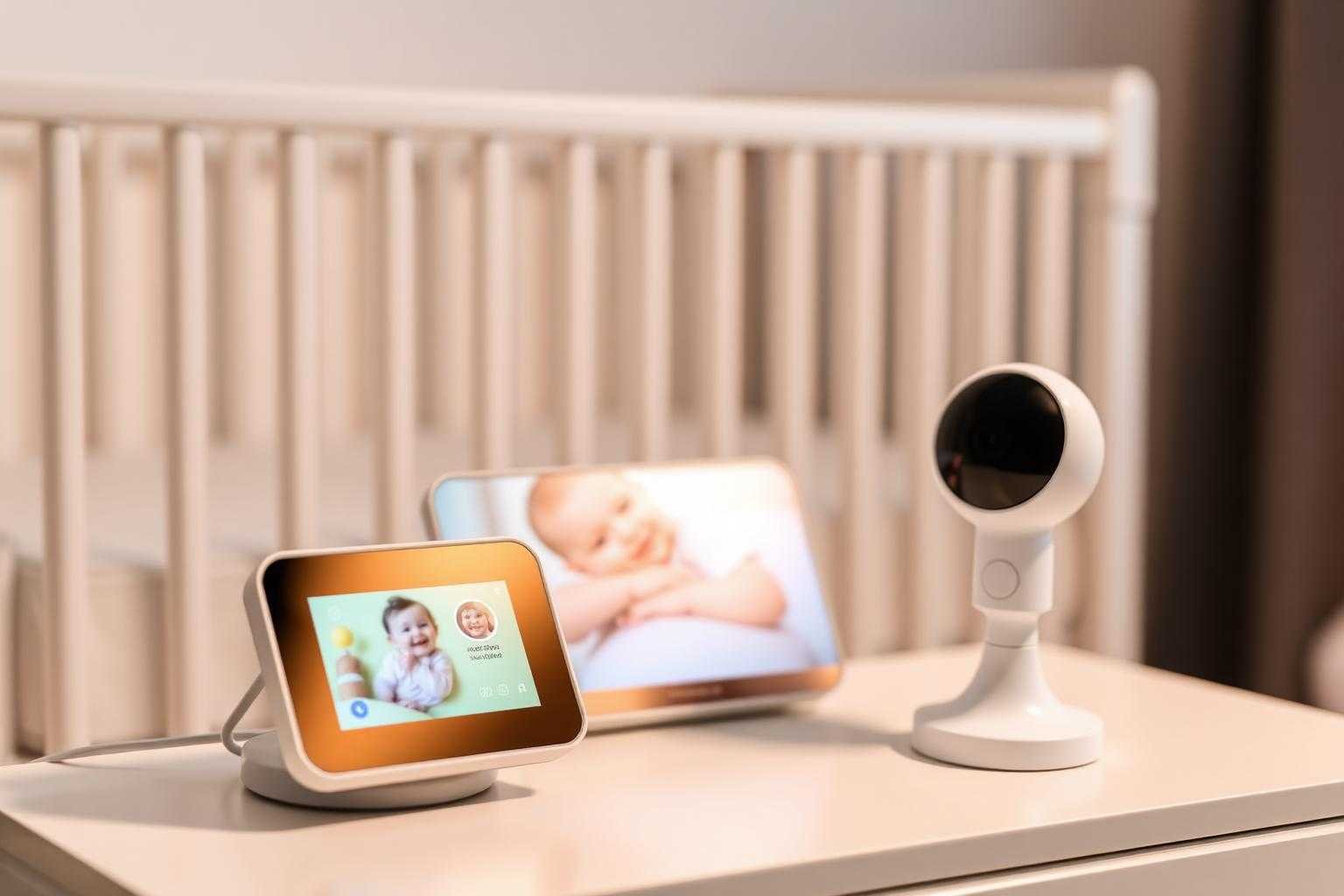
Nursery Temperature: The Ideal Range for Safe Sleep & Comfort
Medically reviewed by Dr. Ahmad Raza, MD (Pediatrics) — ChildBloom Medical Review Panel. Last updated: August 4, 2026.
For the full picture, read our pillar guide on Nursery setup: The Pediatrician’s Complete Nursery Setup Guide: Safe S.
Editorial & affiliate disclosure: our guidance is written and reviewed by clinicians. ChildBloom may earn a commission from qualifying purchases made through links on this page, which never changes what our pediatric reviewers recommend.
Looking for clear answers about nursery temperature? This pediatrician-reviewed guide covers what matters, what to skip, the safety checks that count, and exactly when to involve your doctor — based on current AAP, CDC and CPSC guidance on nursery temperature.
Quick pediatrician summary: nursery temperature
Short answer: A pediatrician explains nursery temperature: safe-sleep rules, what genuinely helps tonight, product checks and when to get help.
Nursery Temperature: The Ideal Range for Safe Sleep & Comfort
As a pediatrician, I understand how concerning these moments can be for parents. My goal is to provide you with evidence-based guidance that helps you make informed decisions for your child, while also knowing exactly when to seek medical attention. This guide draws on current AAP recommendations and clinical experience to give you the clarity you need.
Written by the ChildBloom Pediatric Panel, FAAP | Medically reviewed | Last updated July 2026
The nursery is 74 degrees. Is that too warm? The nursery is 66 degrees. Is that too cold? You check the thermometer, you check the baby’s hands (they are cold — is the baby cold?), and you are not sure what to do.
The AAP recommends a nursery temperature of 68-72F (20-22C) for safe sleep. This range is based on the relationship between overheating and Sudden Infant Death Syndrome (SIDS), as well as the general comfort needs of infants.
This article explains the science behind the recommendation, how to monitor and maintain the ideal temperature, and common mistakes parents make.
PART 1: WHY TEMPERATURE MATTERS
1.1 Overheating and SIDS
Overheating during sleep is a recognized risk factor for SIDS. The mechanism is not fully understood, but hypotheses include:
- Overheating may deepen sleep to the point where the baby’s arousal response is impaired.
- Overheating may cause thermal stress that disrupts cardiorespiratory control.
- Overheating may be associated with face covering (excess bedding shifting over the face).
The AAP recommends:
- Room temperature of 68-72F (20-22C).
- Lightweight sleep clothing (a sleep sack with appropriate TOG rating).
- No blankets, quilts, or loose bedding in the crib.
- The baby’s chest should feel warm (not hot) to the touch.
1.2 Why Babies Are Vulnerable
- Higher surface-area-to-mass ratio: Babies gain and lose heat more rapidly than adults.
- Immature sweat glands: Babies cannot cool down as efficiently as adults.
- Limited behavioral responses: Babies cannot remove clothing, move to a cooler area, or communicate that they are too warm.
- Immature thermoregulatory system: The body’s temperature regulation system is not fully developed.
PART 2: HOW TO MONITOR THE NURSERY TEMPERATURE
2.1 Use a Thermometer
- Place a reliable digital thermometer in the nursery, at the baby’s sleeping level (not near a window, heater, vent, or direct sunlight).
- Check the temperature regularly — especially when the weather changes, when the heating or cooling system cycles on and off, and before putting the baby down for sleep.
- A thermometer-hygrometer combo (measures both temperature and humidity) is ideal.
2.2 Check the Baby
- Feel the baby’s CHEST (not hands or feet). The chest should feel warm, not hot or sweaty.
- Hands and feet are normally cool in babies — their circulation prioritizes the core. Cool hands do NOT mean the baby is cold.
- Signs of overheating: Sweating (especially on the chest, back, or hairline), damp hair, flushed cheeks, heat rash, rapid breathing, restlessness.
- Signs of being too cold: Cool chest, pale or mottled skin, unusual quietness.
PART 3: HOW TO MAINTAIN THE IDEAL TEMPERATURE
3.1 If the Room Is Too Warm
- Use air conditioning or a fan (do not point the fan directly at the baby).
- Dress the baby in lighter clothing (lower TOG sleep sack).
- Keep the room ventilated (open a window if outdoor temperature allows).
- Close curtains during the day to block solar heat gain.
3.2 If the Room Is Too Cold
- Use a space heater (with caution — keep it away from the crib and any flammable materials, and never leave it unattended).
- Dress the baby in warmer clothing (higher TOG sleep sack, footed pajamas).
- Ensure the room is well-insulated (check for drafts around windows and doors).
- Use a humidifier — humid air feels warmer than dry air and supports respiratory health.
3.3 Humidity
- Maintain humidity at 40-60%.
- Below 40%: Use a cool mist humidifier. Dry air causes dry skin, nasal congestion, and increased susceptibility to respiratory infections.
- Above 60%: Use a dehumidifier or air conditioning. High humidity promotes mold growth and dust mite proliferation.
- Use a hygrometer to monitor humidity.
PART 4: COMMON MISTAKES
- Checking hands and feet instead of the chest. Cool hands are normal. Check the chest.
- Adding blankets to the crib when the baby seems cold. Blankets are a suffocation risk. Instead, increase the TOG rating of the sleep sack or add a layer of clothing.
- Setting the thermostat and forgetting about it. Room temperature fluctuates with weather, time of day, and HVAC cycling. Monitor regularly.
- Using the “one more layer than you” rule for sleep. This rule is for outdoor clothing, not sleep. For sleep, use the TOG system.
- Ignoring humidity. Temperature is only half the equation. Dry air causes discomfort and respiratory issues. Humid air promotes mold. Monitor both.
PEDIATRICIAN’S TAKE
68-72 degrees. That is the recommendation, and it exists for good reason. Overheating is a modifiable SIDS risk factor — meaning it is something parents can control. Use a thermometer, match the sleep clothing to the room temperature using the TOG system, and check the baby’s chest. If the chest is warm and dry, the baby is fine. If it is hot or sweaty, remove a layer. It is always safer to be slightly cool than slightly warm.
WHEN TO CALL THE DOCTOR
- The baby has a fever (100.4F / 38C or higher) — this is illness, not room temperature
- Signs of overheating that do not resolve after removing layers and cooling the room
- The baby is lethargic, pale, or has mottled skin (possible hypothermia)
- How to Dress a Newborn for Sleep: The TOG Rating System Explained (Cluster 9)
- Best Nursery Lighting for Baby’s Circadian Rhythm
- The Pediatrician’s Complete Nursery Setup Guide
RECOMMENDED PRODUCTS
Best Nursery Humidifiers & Thermometers (Cool mist humidifiers, thermometer-hygrometer combos reviewed)
[See our top picks ->]
MEDICAL DISCLAIMER: This article is for informational purposes only and does not constitute medical advice. Always consult your pediatrician for guidance on safe sleep.
Explore more pediatrician-reviewed guidance from ChildBloom:
- The Pediatrician’s Complete Nursery Setup Guide: Safe Sleep, Air Quality & Essentials
- Do You Need a Nursery Glider? Ergonomics for Feeding & Back Health
- Best Nursery Lighting for Baby’s Circadian Rhythm
- Nursery Air Quality: VOCs, Formaldehyde & What an Air Purifier Actually Removes
Authoritative External Sources
- AAP Safe Sleep
- CDC SIDS
- AAP Fever
Frequently Asked Questions
Q: When should I call the doctor for a baby fever?
A: Call immediately if your baby is under 3 months with a rectal temperature of 100.4°F (38°C) or higher. For older babies, call if the fever lasts more than 24-48 hours, reaches 104°F (40°C) or higher, or is accompanied by lethargy, difficulty breathing, or a rash that doesn’t fade when pressed.
Q: How do I accurately take my baby’s temperature?
A: For babies under 3 months, use a rectal digital thermometer (the gold standard). For babies 3-6 months, rectal or temporal (forehead) thermometers work well. For babies over 6 months, temporal, ear, or rectal thermometers are all appropriate. Always follow the manufacturer’s instructions for accurate readings.
Related reading: Baby Room Temperature & Sleep Clothing.
Q: What is the best way to reduce a baby’s fever?
A: Dress your baby lightly (one layer more than you’d wear), keep the room at 68-72°F, offer plenty of fluids, and consider age-appropriate fever-reducing medication (acetaminophen for 2+ months, ibuprofen for 6+ months) if your baby is uncomfortable. The goal is comfort, not necessarily bringing the temperature to normal.
Related: Baby Room Temperature Safe By Age
Unknown display type. Please re-select display type.
Safety Considerations and Red Flags
Parents should be aware of the following safety considerations when managing their child’s health at home:
- Never ignore persistent or worsening symptoms
- Keep emergency numbers (pediatrician, poison control, emergency services) readily accessible
- Follow medication dosing instructions precisely — never estimate or use household spoons
- Trust your gut: if you feel something is seriously wrong, seek medical attention immediately
Taking Your Baby’s Temperature Accurately
Accurate temperature measurement is essential for assessing your baby’s health and making decisions about when to call the pediatrician. Different methods provide different levels of accuracy, and the right choice depends on your baby’s age and cooperation level.
Temperature Methods by Age
For infants under 3 months, rectal temperature is the gold standard — it is the most accurate and correlates closest to core body temperature. For babies 3 months to 4 years, rectal, temporal artery, or axillary methods are appropriate. Tympanic (ear) thermometers are generally reliable after 6 months when the ear canal is large enough for proper placement. Oral temperatures are accurate after age 4-5.
Normal Temperature Ranges
A normal temperature varies by method: rectal (97.9-100.4°F / 36.6-38.0°C), axillary (96.7-99.5°F / 35.9-37.5°C), and temporal artery (97.4-100.1°F / 36.3-37.8°C). A fever is defined as 100.4°F (38°C) or higher rectally. Remember that temperature naturally fluctuates throughout the day, with the lowest readings in the early morning and highest in the late afternoon.
Understanding Fever in Infants
When a Fever Is an Emergency
For infants under 3 months, any rectal temperature of 100.4°F (38°C) or higher requires immediate medical evaluation — call your pediatrician or go to the emergency room. For babies 3-6 months, a fever of 102°F (38.9°C) or higher with other concerning symptoms (lethargy, poor feeding, difficulty breathing) warrants a call to your pediatrician. For older infants, fever management focuses on comfort rather than the number on the thermometer.
See also: White Noise for Baby: Placement, Volume, and Safety.
Fever Management at Home
Acetaminophen (Tylenol) is safe for babies 3 months and older, dosed by weight. Ibuprofen (Motrin/Advil) is safe for babies 6 months and older. Never give aspirin to a child. Keep your baby hydrated with breast milk, formula, or electrolyte solution if recommended by your pediatrician. Dress your baby in lightweight clothing and keep the room at a comfortable temperature. Never use cold baths, rubbing alcohol, or ice packs, which can cause shivering and actually raise core body temperature.
Fever Phobia: What Parents Should Know
Understanding Fever as a Defense Mechanism
Fever is not a disease — it is a sign that the immune system is working. An elevated body temperature helps the body fight infections by making it harder for bacteria and viruses to survive. The number on the thermometer is less important than how your child looks and acts. A child with a 104°F fever who is playful, drinking, and looking at you with bright eyes is generally less concerning than a child with a 101°F fever who is limp, uninterested in feeding, and difficult to wake.
Myths About Fever
Several common fever myths cause unnecessary worry. Myth: Fever causes brain damage. Fact: Only fever above 107.6°F (42°C) can cause brain damage, and such high fevers are almost always caused by external overheating (like a hot car), not infection. Myth: Fever must be treated with medication. Fact: If your child is comfortable and hydrated, fever does not need medication. Myth: Teething causes high fever. Fact: Teething may cause a slight temperature elevation (under 100.4°F), but true fever has another cause.
The Bottom Line
Nursery Temperature Ideal Range is a common concern for parents, and most of the time it resolves with simple home care and patience. As a pediatrician, I encourage parents to trust their instincts, stay informed with evidence-based resources, and maintain open communication with their healthcare provider. You know your child best — if something does not feel right, speak up. Every question you ask is valid, and every concern you raise helps us provide better care for your little one.
Frequently asked questions about nursery temperature
Where should my baby sleep for nursery temperature?
Alone, on the back, on a firm flat mattress in a crib, bassinet or play yard that meets current CPSC standards, in your room for at least the first six months. Keep pillows, blankets, bumpers and toys out of the sleep space.
Is nursery temperature a sign of a sleep problem?
Frequent night waking, short naps and unsettled evenings are developmentally normal in the first year. It may need review if your baby snores or pauses in breathing, is not gaining weight, or is excessively sleepy and hard to wake.
What actually helps with nursery temperature tonight?
A predictable short wind-down, a dark cool room, white noise at a safe volume and distance, age-appropriate wake windows, and putting your baby down drowsy but awake. Give any change five to seven consistent nights before judging it.
- Nursery setup
- Is a Portable Crib Safe for Baby Sleep? Pediatrician's Guide
- Baby Room Temperature
- Best Nursery Humidifiers & Thermometers for Optimal Sleep
- baby sleep & nursery hub
- NICHD Safe to Sleep basics
- AAP 2022 safe sleep policy
- CPSC nursery recalls
Medical disclaimer: this article is for general education and does not replace individual medical advice. Always follow your own pediatrician’s guidance for your child.
Related ChildBloom Guides
- Start here: Nursery setup: The Pediatrician’s Complete Nursery Setup Guide: Safe S
- How to Dress Baby for Sleep by Room Temperature
- Nursery Air Quality: VOCs, Formaldehyde & What an Air Purifier Actuall
- Baby Room Temperature: What’s Safe and What’s Dangerous (By Age)
- Nursery glider: Do You Need a Nursery Glider? Ergonomics for Feeding &
- Best air purifier for baby nursery
- Browse all Sleep & Nursery guides
References & Medical Sources
- NICHD Safe to Sleep: safe sleep environment
- CPSC safe sleep and crib product rules
- EPA on VOCs and indoor air quality
- NIDCD on noise-induced hearing loss
Reviewed by the ChildBloom pediatric panel. Learn about our physicians on the About page. This article is educational and does not replace your child’s clinician.

15 Comments