Baby Sleep in a Hotel Room: Safe Setup Checklist
Hotel room baby sleep: the quick answer
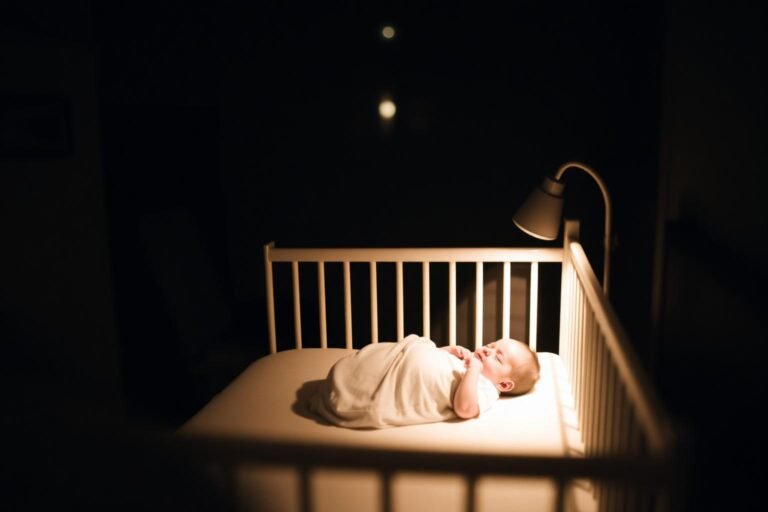
For hotel room baby sleep safety, bring your own portable crib with a firm mattress and fitted sheet, keep the space away from windows, cords, and heaters, and recreate your home routine. Never use the hotel’s soft bedding or a sofa for sleep. If you share the room, the baby stays on their own surface.
For the full picture, read our pillar guide on Hotel Crib Safety: Is a Hotel Crib Safe for a Baby.
For the full picture, read our pillar guide on Lightweight Travel Crib for Overnight Sleep (AAP 2026).
Why hotel room baby sleep happens — the sleep science
Sleep depends on cues the brain has learned at home: the same room, the same light level, the same sounds, and the same order of events at bedtime. A hotel room removes all of those at once. The light may be different, the crib may be unfamiliar, the air may hum with a new sound, and the family’s own routine gets squeezed by travel. A baby who slept well at home can therefore wake more, feed more, or need more help settling in a new place.
Illness and time-zone shifts add to the effect. A small change in schedule is normal and temporary. The goal on a trip is not a perfect night but a safe, familiar-enough setup that lets sleep recover once you are home.
Why hotel rooms need a plan
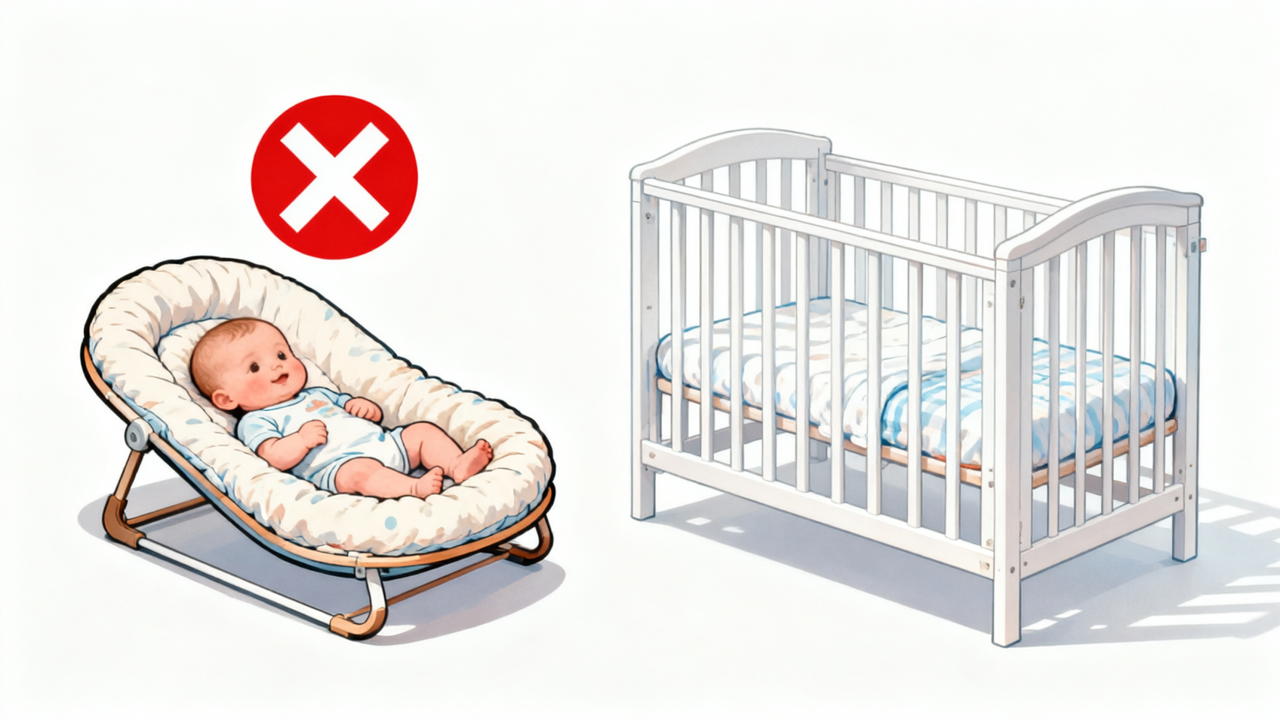
A hotel room is not your nursery. The crib may be soft or broken, the bedding is decorative and unsafe, the windows have looped blind cords, and the layout changes every trip. Babies sleep best with familiar signals, and they are safest on a surface you trust. The goal is to turn an unfamiliar room into a safe, predictable sleep space using the same rules you follow at home.
The safe-sleep principles do not pause on vacation:
- Back to sleep, on a firm flat surface.
- Bare sleep space — no pillows, blankets, bumpers, or toys.
- No bed-sharing, especially on a soft adult mattress or sofa.
- Avoid overheating and strangulation hazards (cords, ties).
Travel adds two extra risks worth naming: unfamiliar furniture that may not meet standards, and window coverings with long cords that are a strangulation hazard. A short checklist removes both.
The step-by-step plan: setting up safe sleep away from home
- Pack your own travel crib. A folding playard with a firm mattress and a fitted sheet you know is the safest, most familiar option. It also spares you from guessing about the hotel’s crib.
- Bring your own sleep sack. Use the same TOG your baby wears at home so temperature feels normal.
- Choose the room location. Ask for a crib-safe room away from the pool, kitchen, or loud vents. A quieter room helps sleep and reduces the urge to bed-share “just this once.”
- Place the crib safely. Set it away from windows, blind cords, heaters, and lamps with reachable cords. Keep it clear of the adult bed so no one rolls into it.
- Clear the area. Remove decorative pillows, throws, and spare blankets from nearby surfaces so they don’t end up in the sleep space.
- Secure window cords. Tie looped blind cords high and out of reach, or ask for cordless coverings. Cut the loop if you can do so safely, or tape cords up.
- Check the door and windows. Confirm the door latches and the windows lock so a toddler or crawler cannot wander.
- Recreate the routine. Same order as home: bath or wipe, book or song, dim lights, crib. Familiarity reduces travel disruption.
- Inspect the playard. Before each use, check for broken parts, torn mesh, or missing pieces. A damaged travel crib is not safe.
- If using a hotel crib, verify it. Only use it if it is firm, certified, and free of broken slats. Your own is still safer and more familiar.
Age-specific notes
Newborn to 3 months. Bring a bare bassinet insert or use the playard’s bassinet level. Room-share with the baby on their own surface beside you. Keep feeds and diaper changes low-light and calm to protect sleep.
4 to 6 months. Rolling may have started — stop swaddling and use a light sleep sack. The playard mattress should be at the appropriate height; lower it once the baby can sit.
6 to 12 months. A crawler or puller-to-stand needs the playard at its lowest setting and away from furniture they could climb. Keep the same nap and bedtime rhythm you use at home.
Packing checklist (table)
| Item | Why it matters |
|---|---|
| — | — |
| Portable crib / playard | Firm, familiar, safe sleep surface |
| Fitted sheet (matches mattress) | Avoids loose fabric over the face |
| Sleep sack (your own) | Right warmth, no loose blanket |
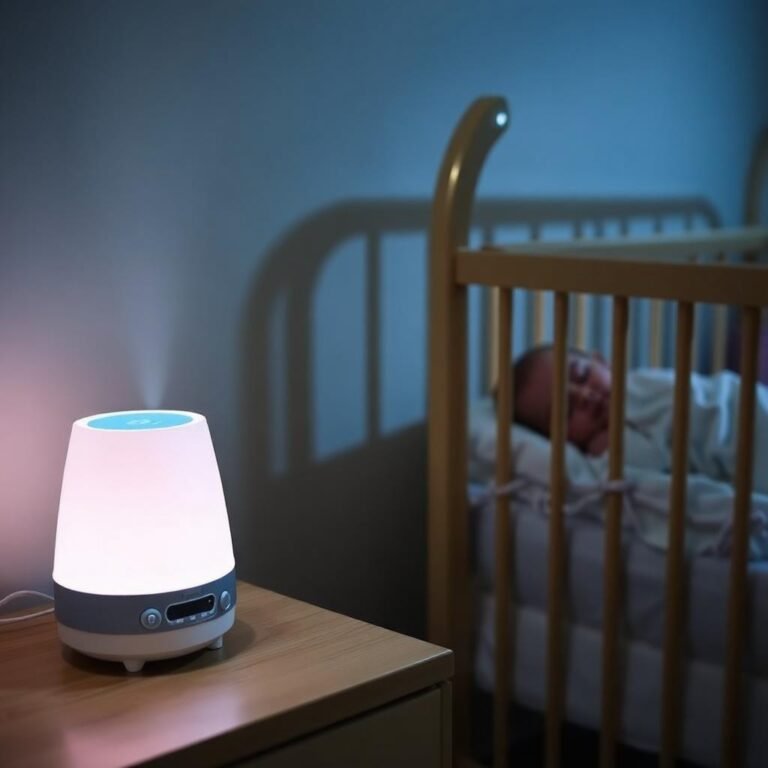
| White-noise app or small machine | Masks hotel hallway and traffic sound |
| Blackout clips or a towel | Darkens odd windows; supports melatonin |
| Travel nightlight (dim) | Safe low-light feeds without full wake |
| Cord shorteners / ties | Secures blind cords out of reach |
Room risk decision checklist
- [ ] Crib is firm and bare (no hotel pillows/blankets)?
- [ ] Crib away from windows, cords, heaters?
- [ ] Blind cords tied up or removed?
- [ ] Windows and door lock?
- [ ] Playard free of broken parts?
- [ ] No sofa or adult bed used for baby sleep?
If any box is unchecked, fix it before the first nap.
Sample schedule
A simple travel-day rhythm keeps expectations calm. Below is one way a day might look with a baby under one year. Shift the times to your baby’s usual wake time; the order matters more than the clock.
- Morning: Wake, feed, and a change in natural light. A short walk helps reset the body clock.
- Late morning: First nap in the stroller or carrier if the room is not ready; keep the sleep space flat and firm when it is.
- Midday: Feed, awake play, then a second nap in the portable crib.
- Afternoon: Outing or rest; offer a catnap only if the baby shows clear tired cues.
- Evening: Return to the room 30 minutes early. Dim the lights, run the sound machine, and follow the same bedtime steps you use at home.
- Night: One or two feeds as needed; keep responses calm and the room dark.
Hotel room baby sleep is a flexible frame, not a rule. Follow your baby’s cues and protect the safe sleep space above all.
If the hotel provides a crib
Hotel “cribs” vary. Some are firm and certified; many are dated, soft, or missing a proper sheet. Verify it is firm, certified, and free of broken slats, and bring your own fitted sheet. If anything looks off, use your travel crib instead. Your own playard is safer and more familiar, and it removes the guesswork on every trip.
Window and cord check
Hotel blinds often have looped cords — a documented strangulation hazard. Tie them high and out of reach, request cordless window coverings, or tape the cord to the wall above the baby’s reach. Also check balcony doors and any furniture near the crib the baby could pull over.
Routine matters more than the room
A consistent sequence (bath, book, song, crib) is the anchor; the clock is secondary. Routine tells the brain “sleep is coming” regardless of the city. Keep the same pre-sleep order you use at home so the baby reads the signals even in a new place. Dim the lights 30–60 minutes before bed and avoid screens.
Sharing one room with the baby
Room-sharing is recommended at home for the first 6–12 months, and the same logic helps on the road. Keep the baby on their own surface. If space is tight, a playard at the foot of the bed works. Do not bring the baby into the adult bed “just to settle” — on a soft hotel mattress or sofa this is the highest-risk scenario, especially if you are tired.
Managing nap timing on travel days
Travel days disrupt schedules. Use the car seat or stroller for one safe, supervised nap only while you are awake and watching; once you arrive, move the baby to the flat crib. Protect the first night’s bedtime routine even if naps ran long — a familiar wind-down helps reset the rhythm.
Myths about hotel sleep
”The hotel crib is fine, it’s a hotel.” Not guaranteed. Verify firmness and certification, or use your own.
”One night on the sofa won’t hurt.” Soft surfaces plus a tired parent are exactly the dangerous combination. Use the playard.
”We’ll skip the routine on vacation.” Skipping the routine is what makes travel sleep hard. Keep the order; flex the timing.
A simple one-week travel rhythm
Travel does not have to unravel sleep if you protect the routine. On the travel day, use the stroller or car seat for one supervised nap only while awake; move the baby to the flat crib on arrival. For the first two nights, keep the exact home wind-down order even if the clock is off by an hour. On nights three to five, the baby usually resets to local time because the routine and the dark room cue melatonin. Hold the same wake-up range; a drifting wake-up pushes every later sleep later. If a nap is missed, protect an earlier bedtime rather than a late one. By the final nights, most babies sleep much as they do at home — proof that the surface and routine matter more than the city.
Related reading: Hotel Sleep for Babies: Safe Tips for Travel.
Related reading: Sleep Regression After Travel or Illness.
Handling pushback from well-meaning relatives
Relatives may say, “We let you sleep on a pillow and you were fine,” or “Just bring the baby into bed, it’s a vacation.” These comments come from love, not evidence. A calm one-liner works best: “The doctor wants a bare crib on the back, so that’s our rule.” You do not need to debate; you need to state the plan. If a relative insists on holding the baby for every nap, that is fine while they are awake and watching — the risk is only when the baby is placed on a soft surface unsupervised or with a tired adult. Thank them, and when it is time for sleep, use your own playard. Most friction disappears once the rule is stated kindly and consistently.
What to do if the room has real hazards
Some hotel rooms have balcony doors, sharp furniture, or windows that open wide. Walk the room once with the baby’s reach in mind: can a crawler pull a lamp? Are cords within grab range? Does the window lock? Move the playard away from any hazard and use the door’s secondary lock. If the room cannot be made safe, request another or change hotels — your pediatrician would agree that a safe sleep space is worth the switch. Keep the hotel’s phone number handy and know the nearest urgent care. Safety first, sightseeing second.
Recreating home smells and sounds
Babies read the environment through more than sight. A familiar sleep sack, a parent’s worn T-shirt placed (safely, not in the crib) near the playard, and the same white-noise track you use at home all say “sleep.” Avoid scented plugins or strong cleaners near the crib. The goal is a small bubble of familiarity inside an unfamiliar room. This lowers the “where am I?” waking that travel brings and helps the baby settle in the portable crib as if it were the nursery.
Night feedings and diaper changes on the road
Keep night care low-key: dim light, little talk, quick feed, back to the bare crib. A bright screen or play resets the baby’s clock and makes the next stretch harder. Pack more diapers than you think you need; travel constipation or diet changes can shift patterns. If the baby is unwell on the trip, contact your pediatrician by phone — many practices advise travelers. Do not change the safe-sleep rules because the baby is fussy; a soft hotel bed is riskier precisely when a parent is most tired.
Packing light but safe
You do not need the whole nursery, just the safe core: playard, fitted sheet, sleep sack, white noise, blackout clips, cord ties. Everything else is optional. A compact, consistent kit means you can set up safe sleep in any room in ten minutes. Re-check the kit before each trip and replace worn parts. A travel crib you trust removes the single biggest hotel-sleep risk: guessing about the provided crib.
When the baby sleeps better at home than on the road
A small dip in sleep quality while traveling is normal and temporary. The baby is processing new sights, sounds, and air. Hold the routine and the safe space; sleep returns within a few nights of home. Avoid “making up” with a soft bed or a propped bottle — those create new habits that outlast the trip. If poor sleep continues for two weeks after return, review the routine with your pediatrician; the travel was likely a trigger, not the cause.
Checking the playard after the trip
When you get home, wipe down the playard, check the mesh for tears, and confirm the frame locks. A damaged travel crib is easy to miss after a trip and dangerous next time. Store it where you will see it during packing. Treat the travel crib like a car seat: inspected, trusted, and replaced if compromised. Safe sleep on the road starts with a safe travel crib at home.
Why the bare rule matters most on vacation
At home, habits are set and the room is known. On the road, everything is new and a tired parent is more likely to bend a rule. That is exactly when the bare, flat, back-to-sleep rule matters most. The baby cannot advocate for themselves in a strange room; your consistency is the protection. State the rule once, set up the playard, and let the routine carry the rest. Safe hotel sleep is mostly preparation, not luck.
Safety reminders
- Back to sleep, every sleep, including hotel naps.
- Firm, flat surface; bare crib. No hotel bedding in the sleep space.
- No bed-sharing on soft surfaces. Sofa and adult mattress are highest risk.
- Secure cords and windows. Strangulation and falls are real travel hazards.
- Inspect the playard before each use.
- Same routine as home to support sleep and safety.
Checking out safely
Before you leave the hotel, do a quick sweep: any blind cords still tied? Playard packed and intact? No baby items left behind? A calm exit protects the next family too — if you found a broken crib or a hazard, tell the front desk so it gets fixed. Safe travel sleep ends as it began: with a check. The habit of verifying the sleep space, at home and away, is what keeps the baby protected through every trip.
When to Call Your Pediatrician
Contact your pediatrician if:
See also: Newborn Won’t Sleep in Bassinet? 7 Fixes That Actually Work.
See also: Hotel Bottle Washing: How to Wash Baby Bottles Safely.
- The room is unsafe (broken crib, loose cords) and you cannot fix it or get another.
- Your baby develops a fever during travel, especially under 3 months.
- You notice poor feeding, fewer wet diapers, or dehydration signs away from home.
- Breathing looks fast, noisy, or like work.
- The cry is high-pitched or weak and unlike usual.
- Sleep is severely disrupted for several nights and you want a plan.
- You are unsure whether a travel product is safe.
For urgent room-safety issues (gas, smoke, unsafe crib), contact the hotel front desk or local emergency services right away; the pediatrician can advise on the baby’s health after you are safe.
FAQ
Is hotel room baby sleep safe if I use the hotel’s crib?
Only if the crib is firm, safety-certified, and free of broken slats, and you add your own fitted sheet. Your own travel crib is safer and more familiar, so bring it when you can.
Can we share a hotel room and still be safe?
Yes. Room-share with the baby on their own surface (playard or bassinet). Do not bed-share on the soft hotel mattress or sofa.
What if the only option is a soft bed?
Use your portable crib. If you truly have nothing firm, keep the baby on a cleared, safe surface you supervise and contact your pediatrician for guidance.
How do I handle blind cords?
Tie them high and out of reach, request cordless coverings, or tape them to the wall above the baby’s reach. Loop cords are a strangulation hazard.
Will the routine really help on vacation?
Yes. The same wind-down order signals sleep to the baby’s brain even in a new room. Keep the routine; flex the clock.
- Sleep Regression After Travel
- Contact Naps: Are They Safe?
- Room Sharing With Your Baby
- American Academy of Pediatrics — A Parent’s Guide to Safe Sleep
- NICHD Safe to Sleep — Safe Sleep Environment
- CDC — About Sudden Unexpected Infant Death
- World Health Organization — Newborn Care
About the author
Dr. Michael Anderson, MD (Pediatrics) is a board-certified pediatrician on the ChildBloom medical panel, focusing on infant sleep, safe sleep environments, and responsive routines. This article was medically reviewed and approved by Dr. Ahmad Raza, MD (Pediatrics) against current AAP safe-sleep guidance. Read our editorial and review standards.
This guide is general education, not a diagnosis. If you are worried about your baby’s breathing, feeding, growth, or sleep, contact your pediatrician. For any breathing emergency, call emergency services immediately.
Hotel room baby sleep: myths and facts
A common hotel room baby sleep myth is that babies will sleep anywhere as long as they are tired. In reality, unfamiliar environments increase cortisol and make it harder for infants to settle. Another hotel room baby sleep misconception is that sharing the hotel bed is safer than a crib because you can monitor the baby. Room-sharing on a separate surface remains the safest option, even in a hotel. Hotel room baby sleep setup starts before you leave home: pack a portable crib or playard with a firm mattress and fitted sheet, a white noise machine, and blackout material. When you arrive, set up the hotel room baby sleep space first, before unpacking anything else.
- Start here: Lightweight Travel Crib for Overnight Sleep (AAP 2026)
- Best Video Baby Monitors for Peace of Mind
- Best hip healthy swaddles
- 6-Month Sleep Regression
- Baby Wakes Every Hour: Is It Hunger, Habit, or Discomfort
- 4-Month Regression vs Hunger
- Browse all Sleep & Nursery guides
- NICHD Safe to Sleep: safe sleep environment
- CPSC safe sleep and crib product rules
- AAP parent guide to safe sleep
- CDC data on SUID and SIDS
Reviewed by the ChildBloom pediatric panel. Learn about our physicians on the About page. This article is educational and does not replace your child’s clinician.
Related ChildBloom Guides
- How Often to Stop on a Road Trip With a Baby
- Minimal Baby Travel Gear Checklist for Flying
- Best Newborn Strollers with Bassinets for Safe Use
- International Travel With a Baby
- What Diaper Bag to Bring to Hospital (Checklist 2026)
- Browse all Travel guides
References & Medical Sources
Reviewed by the ChildBloom pediatric panel. Meet our physicians on the About page. This article is educational and does not replace your child’s clinician.