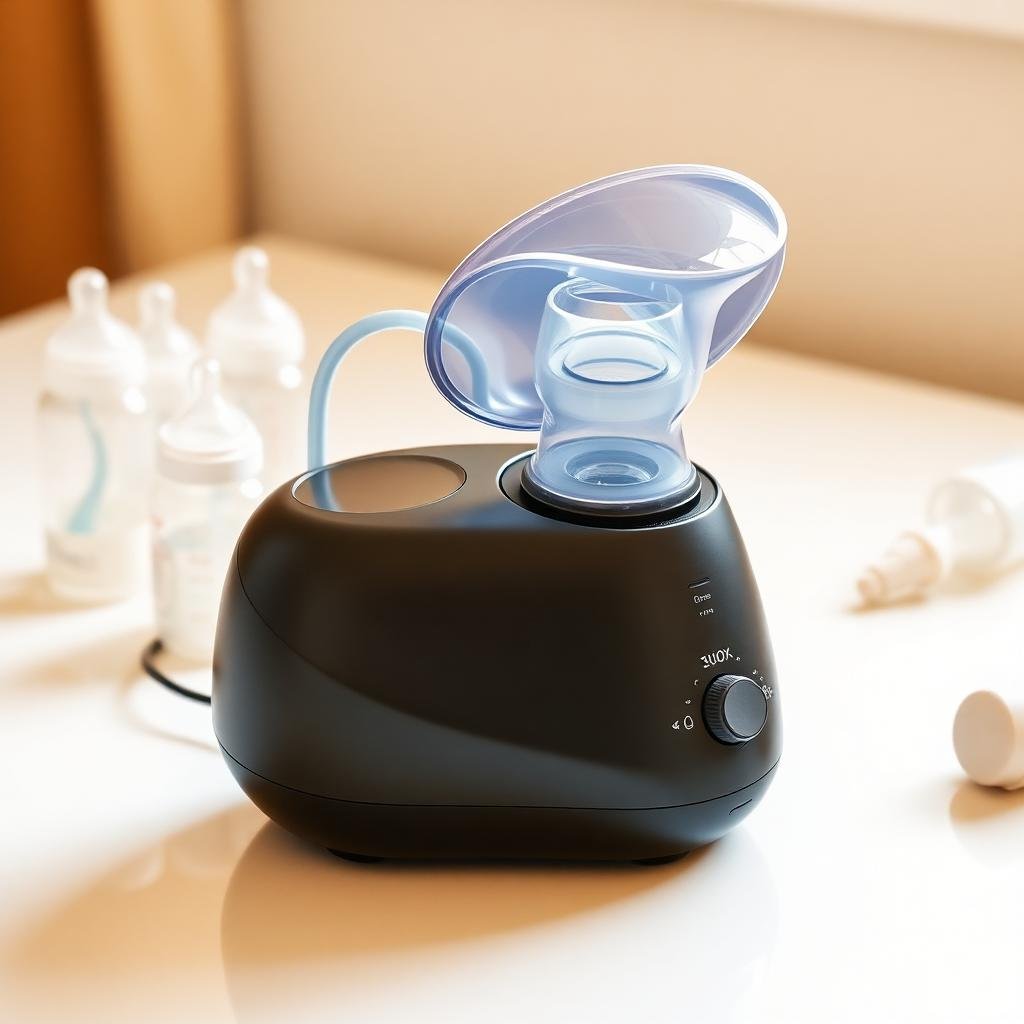
Best Breast Pumps of 2026: A Comprehensive Pediatrician-Reviewed Guide
Medically reviewed by Dr. Ahmad Raza, MD (Pediatrics) — ChildBloom Medical Review Panel. Last updated: September 27, 2026.
Written by Dr. Emily Chen, MD (Pediatrics) and the ChildBloom Pediatric Panel. Affiliate disclosure: ChildBloom earns a commission from qualifying purchases made through links on this page. This never changes which products our pediatric reviewers recommend. As an Amazon Associate, we earn from qualifying purchases.
Choosing a breast pump used to mean picking between two boxes on a pharmacy shelf. Now you are weighing manual against electric, closed against open systems, stationary against wearable — and trying to figure out which of those words actually change anything. This guide covers what matters when you choose, the pumps we looked at most closely, and the practical side that decides whether a pump works: flange fit, session routine, storage, and cleaning.
The short version: for daily pumping, a double electric with a closed system and a correctly sized flange does most of the heavy lifting. A manual pump earns its keep as a travel backup, and wearables buy freedom at the cost of some output. Everything below — the comparison table, the reviews, and the how-to sections — follows that logic.
📋 TL;DR — choosing a breast pump
- Daily pumping: double electric, closed system, correct flange size — fit matters more than brand
- Backup/travel: a manual pump — quiet, cheap, no power needed
- Wearable: convenience first; usually less output per session than a plug-in
- Timing: start practicing 2 to 3 weeks before you return to work; pump about as often as baby drinks (CDC)
- Storage: up to 4 hours at room temperature, 4 days in the fridge, 6 months freezer best quality
- Care: wash parts after every use, sanitize daily, replace soft parts on schedule
What to look for when choosing a breast pump
Feature lists make every pump sound essential. Only a few things actually separate a good experience from a frustrating one:
- Flange fit comes first. The tunnel should let your nipple move freely without rubbing the sides or pulling in too much areola. The wrong size is the single most common cause of pain and low output — and it is fixable in minutes, not dollars.
- Adjustable suction and cycle. You want a pump that can run fast and gentle to trigger letdown, then slower and stronger for expression. One-speed pumps lock you out of that.
- Single or double. Double pumping (both breasts at once) is faster and, for many parents, draws more milk in the same session. A single is lighter and fine for occasional use.
- Closed vs. open system. A closed system keeps milk out of the tubing and motor, which simplifies hygiene and prevents cross-contamination. Most modern home pumps are closed — treat open systems as a reason to think twice.
- Noise and portability. If you will pump in an office or next to a sleeping baby, motor volume and battery life decide whether you actually use the pump.
- Cleaning burden. Count the parts. Fewer pieces means less washing at 11 p.m., and fewer places for milk to hide.
- Budget, honestly. A $25 manual plus a covered insurance pump beats an expensive wearable that lives in a drawer. Price tiers below: Budget-friendly (manuals and simple electrics), Mid-range (doubles and hospital-grade-strength home pumps), Premium (wearables with apps).
The main types of breast pump
- Manual. Hand-operated: silent, cheap, portable, and easy to clean. Great for occasional pumping, travel, and relieving engorgement. Hand fatigue makes them impractical as a primary pump for a working parent.
- Single electric. One side at a time, small and quiet. A reasonable choice if you pump occasionally and never for long sessions.
- Double electric. The default for daily pumping. Both sides at once, adjustable suction and cycle, usually a closed system. This is the category most returning-to-work parents should buy.
- Hospital-grade. Stronger motors built for frequent, near-exclusive pumping. Hospitals rent multi-user units; some single-user home pumps now reach similar suction strength.
- Wearable (in-bra cups). Hands-free and discreet — you can pump at your desk or around a toddler. The trade-offs: smaller capacity, more parts to wash, and output that depends heavily on fit and positioning.
- Hand expression. Not a pump, but the skill every parent should have. The CDC points out it works when you are unexpectedly separated from your baby or have no access to a pump — and it costs nothing.
What pediatricians and lactation guides recommend
The CDC’s pumping guidance is deliberately simple: pump about as often as your baby drinks breast milk, because that is the signal that keeps your supply matched to demand. If you will be away at work or school, start practicing a few weeks before the separation so you learn your pump and your baby gets used to taking a bottle. If output seems low, adding an extra session — rather than cranking suction higher — is the adjustment the CDC suggests first.
The AAP’s policy on breastfeeding and human milk, which we cite by name in the references, supports the same frame: pumping exists to protect the breastfeeding relationship when mother and baby are apart, not to compete with it. In practice, supply follows removal. Milk left behind tells your body to make less; regular, comfortable removal tells it to keep going. Watching your baby’s wet diapers, steady weight gain, and your own comfort is more useful than comparing ounces with someone else’s stash.
If you are building a freezer stash before returning to work, think in ounces-per-week, not ounces-per-day. Pumping once after the first morning feed — when breasts are typically fullest — and freezing the surplus in small, dated portions adds up over a month without stretching anyone’s schedule. Two ounces in a bag beats eight in a bag you are afraid to use.
How we picked these pumps
Nothing on this page is a paid placement. We started from the products parents ask about most — the four detailed reviews below are the pumps that came up repeatedly in our clinic conversations and buying guides — and filtered them against a short clinical checklist: hygiene (closed systems, parts you can actually clean thoroughly), fit (multiple flange tunnel sizes available, replacement soft parts sold separately), output reputation (pumps that parents report keeping up with daily use), noise and portability (whether the pump will realistically travel between bedroom, office, and diaper bag), and serviceability (widely available parts, sensible warranty terms). Products we could not verify against that checklist were left out rather than padded in. Price tiers reflect the usual street-price band, not today’s fluctuating sticker — use the links for current pricing.
Top breast pumps of 2026: comparison
As an Amazon Associate, we earn from qualifying purchases.
| Pump | Type | Best for | Tier | Link |
|---|---|---|---|---|
| Spectra S1 Plus | Double electric, closed | Home-based frequent pumping | Mid-range | View on Amazon |
| Spectra S2 Plus | Double electric, closed | Same platform without the battery | Mid-range | View on Amazon |
| Medela Pump In Style with MaxFlow | Double electric | Everyday return-to-work use | Mid-range | See review below |
| Elvie | Wearable, in-bra | Discreet pumping away from home | Premium | See review below |
| haakaa Manual Breast Pump | Silicone manual | Catching letdown, light travel | Budget-friendly | View on Amazon |
| Medela Harmony | Manual | On-the-go and backup pumping | Budget-friendly | View on Amazon |
| NCVI 8782 | Double electric | Budget double pumping | Budget-friendly | View on Amazon |
| Paruu P16 | Wearable, hands-free | Trying wearables on a budget | Budget-friendly | View on Amazon |
| Lansinoh Manual | Manual | Simple hand pumping | Budget-friendly | View on Amazon |
Prices move constantly, so we use price tiers instead of dollar figures — check the link for today’s number.
Top breast pumps of 2026: reviews
1. Medela Pump In Style with MaxFlow — best everyday double electric. The Pump In Style has topped buying guides for years, and the MaxFlow version keeps the strengths: fast, efficient expression, straightforward assembly, and a body that travels well in a diaper bag. Parents like its quiet operation and the fact that the parts are easy to find anywhere. The common complaint is weight — it is a sturdier unit than the lightest doubles — and if your pumping station never moves off the kitchen counter, that will not bother you. Mid-range pricing. Look for it as an insurance-covered option first; many U.S. plans stock exactly this line.
2. Spectra S1 Plus — best for home-based frequent pumping. The S1 Plus brings hospital-grade suction strength into a single-user home pump: a closed system, adjustable cycle and suction, a built-in night light, and a rechargeable battery so you are not chained to an outlet — a real advantage for middle-of-the-night or living-room sessions. It is popular with parents who pump several times a day because it is quiet enough for a sleeping baby nearby. Slightly larger than travel doubles, but the handle and rechargeable battery make it the one many exclusive pumpers settle on. Mid-range.
3. haakaa Manual Breast Pump — best for catching letdown. One piece of silicone, no cords, no parts to assemble: press it to the breast and suction does the work. It is the pump parents throw in a bag without thinking, and it doubles as a catcher on the opposite side during nursing or pumping so nothing soaks into your shirt. Easy to clean — warm soapy water, done. It is not a replacement for a double electric if you are exclusively pumping, but as a travel companion or engorgement reliever it is the easiest recommendation on this page. Budget-friendly.
4. Elvie — best wearable for discretion. The Elvie sits entirely inside your bra: no tubes, no bottles hanging, an app that tracks session volume, and a motor quiet enough to use in a meeting or at the playground. For a parent returning to an office, that discretion is the whole point. The trade-offs are real, though: it is the premium price on this list, capacity per session is smaller than a plug-in double, and output depends more on flange fit and positioning because you cannot watch the setup as easily. Wash the parts after every session. If you will pump at your desk daily, many parents pair a wearable with a sturdier plug-in for home use.
Also worth a look: the Medela Harmony is the manual we would pack for trips; the Spectra S2 Plus is the S1 minus the rechargeable battery at a lower price; the NCVI 8782 is a budget double electric for families who need two; the Paruu P16 lets you test the wearable format without premium pricing; and the Lansinoh manual covers the same ground as the Harmony at a similar budget price.
Using your pump well: fit, sessions, and comfort
The best pump underperforms when the fit or the routine is wrong. Three things do most of the work:
- Get the flange size right. Your nipple should move freely in the tunnel without the sides rubbing it and without a wide ring of areola being pulled in. If it pinches at any point during the session, the size is wrong — not your body. Many brands sell multiple tunnel sizes, and the soft measurement guides from lactation consultants take the guesswork out.
- Use both phases. Start in stimulation mode — fast, light suction — until letdown happens (milk begins to flow), then switch to expression mode — slower, stronger. Staying on one phase the whole time is the classic reason a session feels long and yields little.
- Relax, then stop at the right moment. Sit upright with your shoulders down; warmth and gentle breast massage help some parents trigger letdown faster. Most sessions are productive for about 15 to 20 minutes — when flow slows to drops, continuing rarely adds much. And maximum suction is not the goal: comfortable beats strong, because comfort keeps you on schedule and pain makes you skip sessions.
A hands-free pumping bra frees your hands and keeps the flanges sealed, which matters more than any motor upgrade for many parents.
A sample pumping day at work
For a parent apart from baby for about nine hours, roughly matching baby’s every-2-to-3-hour rhythm looks like this:
- 7:00 AM — feed baby at the breast before you leave; pump only if you are still full afterward
- 10:00 AM — first work session, 15 to 20 minutes, then refrigerate everything immediately
- 12:30 PM — second session; this is usually the most productive one of the day
- 3:30 PM — third session before the commute home
- Evening and night — direct feeding on baby’s schedule; add one extra session only if supply seems low
- Commute home — milk travels in a cooler bag with ice packs, not loose in a tote
Lay the parts out the night before. A pump you have to assemble while half asleep is a pump you will resent by week two.
Storing and cleaning: the rules that matter
Storage. Freshly expressed milk keeps for up to 4 hours at room temperature (less in a warm room), up to 4 days in the refrigerator (toward the back, not the door), and up to 6 months in the freezer for best quality — longer is possible but quality declines. Store in clean, sealed bottles or freezer bags in portions your baby will finish, label every container with the date, and use the oldest milk first. On the trip home, keep freshly pumped milk in an insulated bag with an ice pack — a commute can easily run longer than four hours in a warm car. Thawed milk belongs in the fridge and never goes back in the freezer. Never microwave breast milk — it destroys nutrients and creates hot spots.
Cleaning. Wash pump parts after every use: disassemble, rinse, and wash in hot soapy water with a dedicated brush, then air-dry completely on a clean rack. Sanitize daily — most parts tolerate steam sanitizing or a brief boil, and electric sterilizers do the same job. Keep the clean parts in a covered container rather than loose on the counter, and replace membranes, valves, and tubing on the manufacturer’s schedule; worn soft parts are a classic cause of falling suction. The CDC’s pumping page walks through cleaning and storage in detail — linked in the references.
Troubleshooting the five most common problems
- Output seems low. Check three things before blaming supply: the flange still fits (nipples change size over months), the session happens when supply is highest (many parents get more in the morning), and the schedule matches baby’s feeds. The CDC’s first suggestion for low output is an extra session — not more suction.
- Pumping hurts. Pain is a fit problem until proven otherwise: tunnel too small (rubbing), too large (areola pulled in), or suction cranked to maximum. Flat or stiff valves also change the feel. Fix the fit and the pain usually goes with it; cracked or bleeding nipples mean stop and get sizing help.
- One side yields less than the other. Very common — many parents have a stronger side. Keep both on the same schedule so the gap does not widen, and don’t compare session totals between sides.
- Suction fades over time. Check the valve and membrane are seated flat, tubing is dry and clear, and ports are free of milk residue. Soft parts wear out; replacing them on schedule restores most “dead pump” complaints.
- Noise or battery trouble. Motors get louder as seals wear. If the battery no longer holds a session, most brands sell replacement batteries or you can keep the unit plugged in — but check warranty before opening anything.
👩⚕️ Doctor’s Take
The pump matters less than fit and routine. A correctly sized flange on a modest pump outperforms an expensive pump that hurts to use. Practice for two to three weeks before your first day apart, keep the schedule roughly as often as baby drinks, and reach out to a lactation consultant if pumping stays painful or output drops — most problems come down to sizing, schedule, or worn parts, and they are fixable in a single session. If you ever develop fever with breast pain or redness, call your clinician the same day.
Breast pump FAQ: quick answers
Should I get a manual or electric breast pump?
How often should I pump?
How long does expressed breast milk keep?
Are hospital-grade pumps worth renting?
Why does pumping hurt, and what can I do about it?
When to talk to a professional
Most pumping problems are boring in the best sense — a sizing issue, a schedule issue, a worn valve, all fixable at the kitchen table. The list below is where boring stops and someone qualified should take over: these are the situations where pushing through costs you milk, comfort, or time.
- Pain that continues after a flange refit, or nipples that crack or bleed
- Supply drops noticeably after it was established
- Fever, swelling, or red streaks in a breast — same-day medical contact
- Baby’s wet diapers or weight gain fall off their usual pattern
- You are exclusively pumping and still cannot keep up with baby’s needs
A registered lactation consultant (IBCLC) solves pump-fit and supply problems faster than any product swap. Ask your hospital whether one is available before you are discharged — many visits are covered by insurance.
Related ChildBloom guides
Feeding and pumping:
- Best Breast Pumps for Working Moms: 12 Top Picks for 2026
- 12-Month-Old Feeding Schedule: Sample Menu and Portion Guide
- More Feeding guides from our pediatric team
- Pediatrician’s Corner: evidence-based parenting answers
More from Sleep & Nursery:
- Start here: Best Baby Monitor 2026: Ultimate Pediatrician-Approved Guide
- Best Video Baby Monitors: Pediatrician-Reviewed Picks
- Best Crib for Newborns 2026: 14 Safe, Pediatrician-Reviewed Picks
- Best Baby Cribs That Meet Current Safety Standards
- Best Nursery Lighting for Baby’s Circadian Rhythm
- When to Stop Using a Baby Monitor (And What to Watch For)
- Best Baby Swing for Reflux
- Best Nursery Humidifiers & Thermometers for Optimal Sleep
- Browse all Sleep & Nursery guides
References and further reading
- CDC: Pumping Breast Milk — when to start, how often, cleaning and storage
- CDC: Infant and Toddler Nutrition
- AAP policy statement, “Breastfeeding and the Use of Human Milk” (American Academy of Pediatrics)
Medical disclaimer
This article is general information, not individual medical advice. Every parent and baby is different — talk with your own pediatrician or a lactation consultant about feeding, supply, and your baby’s growth, and seek urgent care for breathing difficulty, fever in a young infant, or any sudden change in your baby’s condition.
Medical review
Reviewed by Dr. Ahmad Raza, MD, Pediatrics. Last reviewed September 27, 2026. This page was reviewed for pediatric accuracy, including milk storage times, pumping-frequency guidance, flange-fit advice, and cleaning recommendations. It is educational information and does not replace individualized advice from a qualified clinician.
Learn about our physicians on the About page.





3 Comments