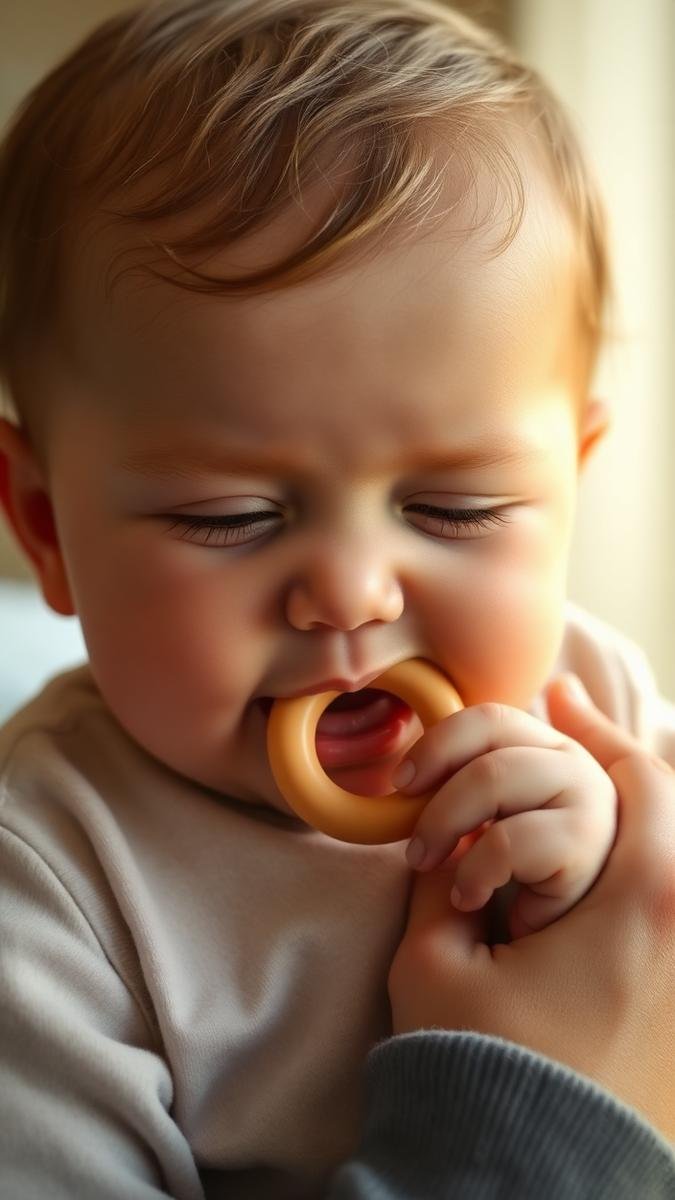
Baby Teething Symptoms and Relief: What Works
Medically reviewed by Dr. Ahmad Raza, MD (Pediatrics) — ChildBloom Medical Review Panel. Last updated: August 03, 2026.
Editorial & affiliate disclosure: our guidance is written and reviewed by clinicians. ChildBloom may earn a commission from qualifying purchases made through links on this page, which never changes what our pediatric reviewers recommend.
If you are searching for answers about baby teething symptoms, you are in the right place. This pediatrician-reviewed guide explains what is normal, what the likely causes are, the red flags that mean you should call your doctor, and what you can safely do at home — all based on current AAP, CDC and NIH guidance on baby teething symptoms.
Baby Teething Symptoms and Relief: What Every Parent Needs to Know
Teething is one of the most anticipated — and dreaded — milestones of infancy. Between fussy nights, drool-soaked onesies, and the overwhelming urge to chew everything in sight, the teething period can be exhausting for both baby and parent. But here’s the truth: many symptoms blamed on teething are actually caused by something else.
As a pediatrician, I see teething-related concerns almost daily. This guide separates teething fact from fiction, explains what symptoms teething actually causes, and provides safe, evidence-based relief strategies approved by the AAP.
When Do Babies Start Teething?
Most babies get their first tooth between 4 and 7 months, though the range is wide. Some newborns are born with a tooth (natal teeth, about 1 in 2,000 births), while others don’t cut their first tooth until after their first birthday. Both are normal.
| Age Range | Typical Teeth Coming In |
|---|---|
| 4–7 months | Lower central incisors (bottom front teeth) |
| 8–12 months | Upper central incisors (top front teeth) |
| 9–16 months | Lateral incisors (teeth next to front teeth) |
| 13–19 months | First molars (back teeth) |
| 16–23 months | Canines (pointy teeth) |
| 23–33 months | Second molars |
Real Teething Symptoms (Evidence-Based)
According to pediatric research, these symptoms are genuinely linked to teething:
- Increased drooling — starts around 8–12 weeks before the tooth erupts
- Chewing and biting — babies instinctively apply counter-pressure to soothe sore gums
- Irritability and fussiness — typically worst in the 4 days before and 3 days after the tooth breaks through
- Swollen, tender gums — you may see a reddish bump where the tooth is emerging
- Mild temperature elevation — up to 100.4°F (38°C), NOT a true fever
- Decreased appetite for solid foods — sucking can hurt; cold purees often help
- Waking more at night — gum discomfort can disrupt sleep
- Face rubbing and ear pulling — referred pain from the gums
⚠️ Critical Warning: Teething does NOT cause high fever (over 100.4°F / 38°C), diarrhea, vomiting, body rash, or significant coughing. If your baby has any of these symptoms, they are likely sick — call your pediatrician rather than dismissing it as “just teething.”
Symptoms NOT Caused by Teething
This is the most important section of this article. Multiple studies have shown that these symptoms are NOT caused by emerging teeth:
- High fever (over 100.4°F) — always consider infection first
- Diarrhea — teething doesn’t cause loose stools
- Vomiting — never caused by teething
- Full-body rash — teething doesn’t cause widespread rash
- Runny nose or congestion — coincidental timing with viral illnesses
- Decreased urine output — sign of dehydration, not teething
Safe and Effective Teething Relief
✅ Recommended Remedies
- Chilled (not frozen) teethers — solid silicone teethers chilled in the refrigerator provide soothing counter-pressure. Never freeze teethers, as frozen surfaces can damage delicate gum tissue.
- Cold washcloth — wet a clean washcloth, wring it out, chill it in the fridge for 15 minutes, and let your baby gnaw on it.
- Gentle gum massage — with thoroughly washed hands, gently rub your baby’s gums with a clean finger for 2 minutes.
- Cold foods (if eating solids) — chilled cucumber spears (supervised), chilled yogurt, or cold applesauce can help.
- Breast milk popsicles — freeze expressed breast milk in a silicone popsicle mold for a soothing, nutritious treat.
- Pain relief medication — acetaminophen (Tylenol) or ibuprofen (Motrin, for babies 6+ months) can be used for severe discomfort. Always dose by weight, not age.
❌ Remedies to Avoid (DANGEROUS)
- Amber teething necklaces — the FDA and AAP strongly warn against them due to choking, strangulation, and aspiration risk. There is zero evidence they work.
- Teething gels with benzocaine — products like Orajel and Anbesol carry a risk of methemoglobinemia, a rare but serious blood disorder. The FDA recommends against use in children under 2.
- Homeopathic teething tablets — the FDA has found inconsistent amounts of belladonna in these products, posing a seizure risk.
- Teething biscuits or rusks — often contain sugar and pose a choking hazard.
- Frozen food in mesh feeders — can cause frostbite on developing gums.
- Alcohol rubs on gums — dangerous and never appropriate for infants.
How to Distinguish Teething From Illness
Since many teething-age babies (4–12 months) also catch their first colds, it’s easy to confuse the two. Here’s how to tell:
| Symptom | Teething | Illness |
|---|---|---|
| Temperature | Under 100.4°F | Over 100.4°F |
| Gums | Swollen, red, warm | Normal |
| Chewing/drooling | Markedly increased | Normal to slightly increased |
| Nasal congestion | Not present | Often present |
| Diarrhea | Not present | May be present |
| Response to pain relief | Significant improvement within 30–60 minutes | Minimal or no improvement |
Caring for Your Baby’s New Teeth
Start dental care before the first tooth arrives:
- Wipe gums daily with a clean, damp washcloth even before teeth appear
- Use a soft-bristled infant toothbrush once the first tooth emerges
- Use a grain-of-rice-sized smear of fluoride toothpaste for babies under 3
- Schedule the first dental visit by age 1, or within 6 months of the first tooth
- Avoid putting baby to bed with a bottle — this causes “baby bottle tooth decay”
When to Call Your Pediatrician
Contact your pediatrician if your teething baby has:
- Fever over 100.4°F (38°C)
- Persistent diarrhea or vomiting
- Refusing all feeds for more than a few hours
- Signs of dehydration (fewer wet diapers, no tears)
- Bleeding from the gums that doesn’t stop with pressure
- Severe irritability that doesn’t respond to pain relief
Understanding the Teething Process
Teething is the process of primary teeth, also called baby teeth or deciduous teeth, pushing through the gums. Humans have 20 primary teeth that typically erupt between 6 months and 3 years of age. The process follows a predictable pattern starting with the lower central incisors, followed by the upper central incisors, upper lateral incisors, lower lateral incisors, first molars, canines, and finally second molars. Each tooth takes about 8 days to fully erupt through the gum tissue, though the surrounding gum tissue may be inflamed for a week or more before and after eruption. The discomfort associated with teething comes from the pressure of the tooth cutting through the gum tissue and the inflammatory chemicals released during this process. Studies using ultrasound have shown that teeth do not actually cut through the gums like a blade. Instead, chemicals are released that cause the gum tissue to break down locally, allowing the tooth to emerge. This chemical process causes inflammation, which is why anti-inflammatory approaches like cold therapy and ibuprofen are more effective than simple numbing.
Teething Symptoms by Age and Stage
Teething symptoms vary depending on which teeth are coming in. The first teeth, the lower central incisors, often cause the most noticeable symptoms because they are the first experience of teething for both baby and parent. Symptoms during this stage include increased drooling that can cause a mild rash around the mouth and chin, chewing on hands and objects, and mild irritability. The lateral incisors that come in around 9 to 16 months often cause less noticeable symptoms because babies have already experienced teething. The first molars, which come in around 13 to 19 months, tend to cause more discomfort than incisors because these larger teeth have broader surfaces pushing through the gums. Babies may show more significant irritability, disturbed sleep, and decreased appetite during molar eruption. The canines that come in around 16 to 23 months can also cause pronounced discomfort because of their pointed shape. The second molars arriving around 23 to 33 months mark the end of the teething journey, but these large back teeth can cause significant discomfort reminiscent of the early teething months.
Long-Term Tooth Care After Eruption
Once your baby’s first tooth appears, dental care becomes a daily priority. Use a soft-bristled infant toothbrush with a grain-of-rice-sized smear of fluoride toothpaste twice daily. Brush in small circular motions on all surfaces of each tooth. The American Academy of Pediatric Dentistry recommends the first dental visit by age 1 or within 6 months of the first tooth eruption. Establishing a dental home early allows your pediatric dentist to monitor tooth development, apply fluoride varnish for cavity prevention, and provide guidance on habits like thumb sucking and pacifier use. Avoid putting your baby to bed with a bottle of milk or juice as this causes baby bottle tooth decay, also known as early childhood caries. The sugar from milk or juice pools around the teeth during sleep, feeding the bacteria that cause cavities. If your baby needs a bottle to fall asleep, fill it with water only. Begin transitioning from bottle to cup around 12 months to reduce the risk of dental problems associated with prolonged bottle use. Fluoride supplementation may be recommended if your local water supply does not contain adequate fluoride levels, so discuss this with your pediatrician or pediatric dentist.
Frequently Asked Questions
What is the best baby teething relief?
Chilled solid silicone teethers, a chilled wet washcloth, and gentle gum massage with a clean finger are the safest and most effective options for relieving baby teething symptoms.
Does teething cause fever?
Teething can cause a slight rise in temperature (under 100.4°F), but true fever is not caused by teething — call your pediatrician to rule out illness if your baby has a high fever.
Are amber teething necklaces safe?
No. The FDA and AAP warn against them due to choking and strangulation risk, with no proven benefit.
How long does teething pain last per tooth?
Usually 4–8 days total — about 3–4 days before the tooth breaks through and 3–4 days after.
Can I give my baby Tylenol for teething?
Yes — acetaminophen (Tylenol) dosed by weight is safe for babies 3+ months. For babies 6+ months, ibuprofen (Motrin/Advil) is also safe and may work better for teething-related inflammation.
Teething and Breastfeeding: A Two-Way Challenge
Teething can create challenges for the breastfeeding relationship. Some babies become fussy at the breast during teething because suction on the nipple puts pressure on sore gums. Other babies may want to nurse more frequently for comfort. Some mothers worry about being bitten when teeth emerge. Most babies do not bite while actively nursing because the tongue covers the lower teeth during sucking. Biting more often happens at the end of a feed when the baby is bored or done. If your baby bites, gently break the suction with your finger, say no firmly but calmly, and end the feed. Offer a teether instead and try again in a few minutes. Some mothers find that chilled breast milk popsicles made in a silicone feeder provide soothing relief for the baby while giving the mother a break. Teething should not cause breastfeeding to stop unless both mother and baby are struggling significantly. The comfort and immune benefits of breast milk are especially valuable during the teething period when babies are at higher risk for minor illnesses.
Teething and Nutrition: Adjusting to Discomfort
As teeth emerge, your baby’s eating patterns may change. Some babies refuse pureed foods that were previously enjoyed because the texture or temperature irritates swollen gums. Offer cold foods like chilled yogurt, cold applesauce, or refrigerated pureed fruits. If your baby is doing baby-led weaning, offer chilled cucumber spears, cold mango slices, or refrigerated carrot sticks that provide soothing counter-pressure on the gums. Some babies prefer softer foods during teething episodes, while others want firmer foods to chew on. Follow your baby’s lead. Teething can also temporarily decrease appetite, but it should not cause sustained poor feeding or weight loss. If your baby refuses all foods for more than two consecutive feeds or shows signs of dehydration, call your pediatrician. Keep offering breast milk or formula regularly even if solids are refused, because hydration and calories from milk are more important than solid food during teething episodes. Most teething-related feeding disruptions resolve within a few days.
Remember that teething is a normal developmental process that every baby goes through. The discomfort is temporary and manageable with safe, evidence-based approaches. Trust your instincts as a parent, but do not hesitate to call your pediatrician if something does not feel right. The symptoms you dismiss as teething could sometimes be the first sign of an ear infection or other illness that needs treatment. When in doubt, a quick call to your pediatrician can save you days of worry and ensure your baby gets the care they need.
Medical Disclaimer
This article is for educational purposes and does not replace professional medical advice. Always consult your pediatrician for concerns about your baby’s health.
📖 More from the Pediatrician’s Corner Hub: your complete pediatrician-reviewed guide to your baby’s first year — milestones, feeding, sleep, vaccines, common illnesses, and more
Clinical Pearl: What the Research Actually Says
One of the most valuable skills a parent can develop is the ability to evaluate health information critically. In the age of social media and parenting influencers, misinformation about child health spreads faster than evidence-based guidance. When you encounter a new parenting recommendation — whether about sleep, feeding, development, or safety — ask yourself three questions: Who is making this recommendation and what are their credentials? Is the recommendation supported by peer-reviewed research or is it based on anecdote and tradition? Does the recommendation align with guidance from major medical organizations like the American Academy of Pediatrics, the Centers for Disease Control and Prevention, or the World Health Organization? If a recommendation contradicts established medical guidance, it should be viewed with skepticism, regardless of how compelling the testimonial may be. When in doubt, bring what you have read or heard to your pediatrician. We are trained to help you separate evidence from anecdote and to make decisions that are right for your individual child.
Baby Teething Symptoms and Relief: quick pediatrician summary
Development runs on ranges, not deadlines, and the direction of travel matters more than any single date on a chart. Track what your child does across several weeks rather than any one day, and remember that skills should be added over time and not lost. Bring it up with your pediatrician if a skill disappears, if there is no response to sound or faces, if muscle tone seems very stiff or very floppy, or if your gut says something has changed — early evaluation is low-risk and high-value.
Common mistakes parents make
- Treating a single measurement or one bad day as a trend instead of watching the pattern over several days.
- Trying several remedies at once, so it becomes impossible to tell what helped.
- Waiting for a convenient time to call when a red flag is already present — feeding, breathing and alertness changes are always worth a same-day call.
- Following advice from an unsourced social post rather than your own pediatrician, who knows your child’s history and growth curve.
Related guides from our pediatric team
- Baby Cold: Symptoms, Relief, and Red Flags
- Teething Timeline: Symptoms and What Actually Helps
- Baby Pulling Ear But No Fever and Not Teething: What Does It Mean?
- Baby’s First Year: Complete Pediatrician’s Guide
- More expert answers in Pediatrician’s Corner
References and further reading
- CDC Learn the Signs. Act Early. milestones
- AAP developmental surveillance guidance
- WHO early child development
Medical disclaimer
This article is for general education and is not a substitute for individual medical advice, diagnosis or treatment. Every child is different — talk to your own pediatrician about your baby, and seek urgent care for breathing difficulty, poor feeding, dehydration, unusual sleepiness, fever in an infant under 3 months, or any sudden change in your child’s condition.





One Comment