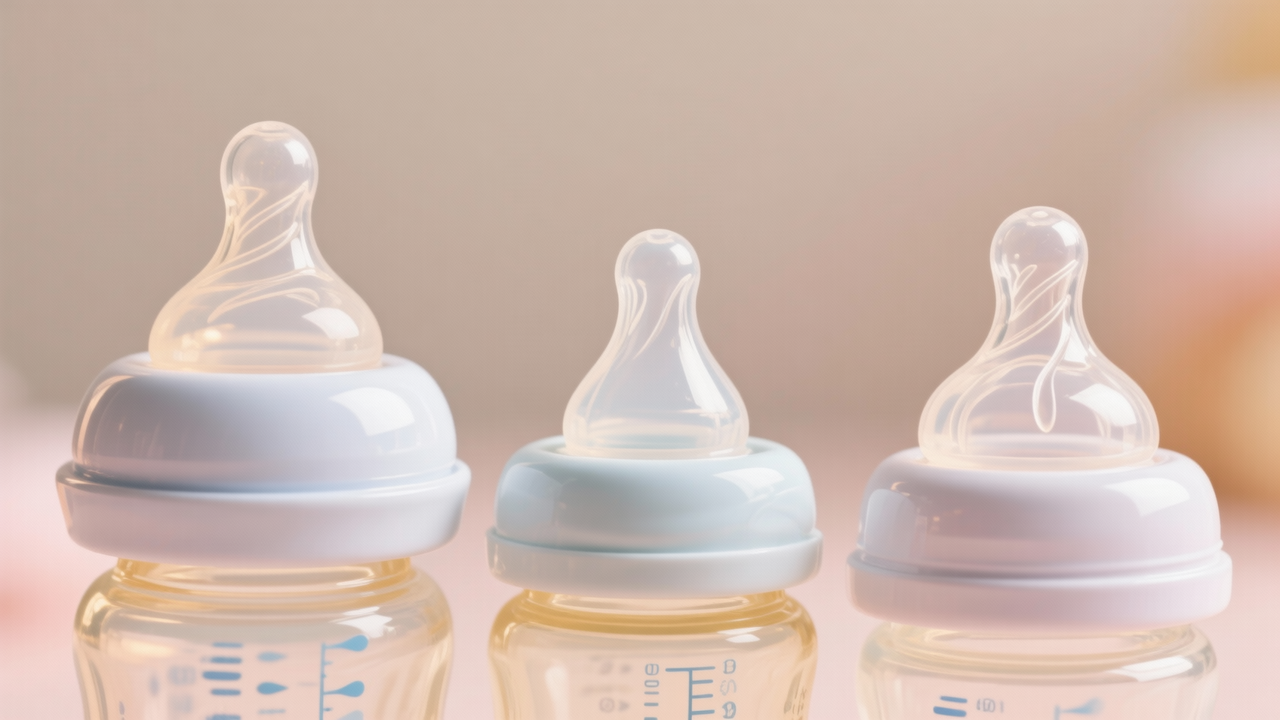
Newborn Feeding Coordination: How Bottle Nipple Shape Affects Latch
Medically reviewed by Dr. Ahmad Raza, MD (Pediatrics) — ChildBloom Medical Review Panel. Last updated: August 03, 2026.
Affiliate disclosure: ChildBloom may earn a commission from qualifying purchases made through links on this page. It never changes which products our pediatric reviewers recommend.
This pediatrician-reviewed guide to newborn feeding coordination how bottle nipple keeps things practical: what genuinely affects your baby’s safety and comfort, what marketing you can ignore, and how to decide quickly. Our guidance on newborn feeding coordination how bottle nipple follows current AAP, CDC and CPSC recommendations.
As an Amazon Associate, we earn from qualifying purchases.
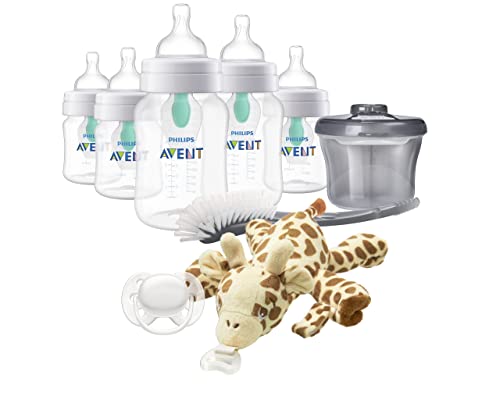
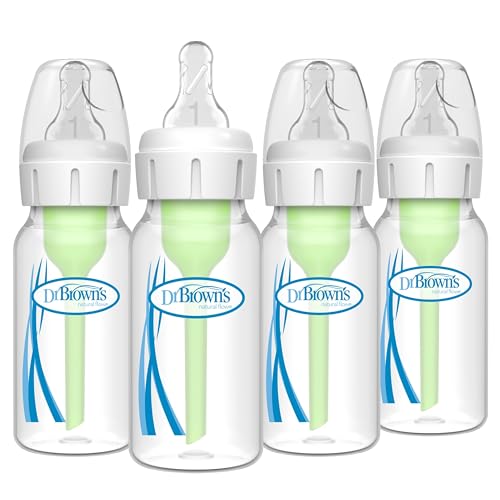
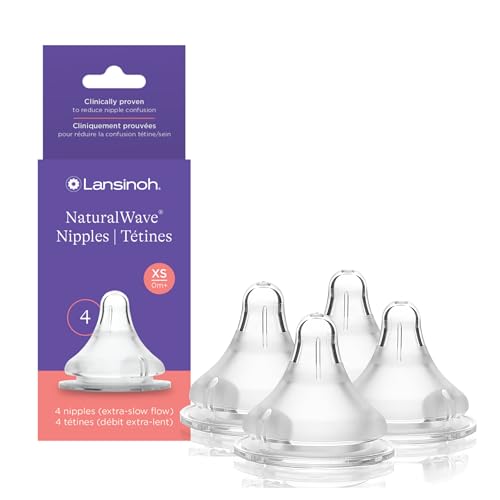
Feeding a newborn is one of the most fundamental responsibilities of early parenthood, and yet it is also one of the most complex from a biomechanical standpoint. Whether you are breastfeeding exclusively, formula feeding, or combining both methods, the mechanics of how your baby latches onto a nipple and coordinates sucking, swallowing, and breathing have a direct impact on nutrition intake, comfort, and overall development. One factor that receives surprisingly little attention is the shape of the bottle nipple itself. The design of a bottle nipple, from its base width to its tip contour, plays a significant role in how well a baby can latch, how efficiently they can extract milk, and whether they experience discomfort, gas, or feeding confusion. This article explores the relationship between bottle nipple shape and newborn latch in depth, providing evidence-based guidance for parents navigating these critical early feeding decisions.
The Anatomy of Newborn Latch
How Babies Naturally Latch
A newborn’s latch is not simply a matter of placing a nipple in the mouth. It is a sophisticated neuromuscular process that involves the coordination of the jaw, tongue, lips, cheeks, and palate. When a baby latches effectively at the breast, the nipple is drawn deep into the oral cavity, past the hard palate, and positioned near the junction of the hard and soft palate. The infant’s lower jaw compresses the areolar tissue (not just the nipple) in a rhythmic peristaltic motion, while the tongue creates a trough-like channel that guides milk toward the back of the throat. The lips form a seal around the breast tissue, and negative pressure (suction) is generated to draw milk from the ducts.
This natural latch pattern is hardwired into newborns through evolutionary development. Babies are born with a strong rooting reflex, a highly sensitive oral sensory system, and a sucking pattern that is specifically adapted to the shape and mechanics of the human breast. The breast is not a rigid structure; it is soft, compressible, and dynamically responsive to the baby’s sucking. The nipple itself elongates during feeding, stretching to approximately twice its resting length as it is drawn into the baby’s mouth.
The Mechanics of Suckling
Suckling involves three distinct phases: expression, transport, and rest. During expression, the infant’s tongue moves forward and downward, creating negative pressure within the oral cavity. During transport, the tongue retracts and elevates against the hard palate, pushing the milk bolus toward the pharynx. The rest phase allows the baby to coordinate breathing with swallowing, a critical safety mechanism that prevents aspiration.
Research using ultrasound imaging has demonstrated that effective breastfeeding involves a complex interplay of positive and negative pressure. The baby does not simply “suck” milk out through vacuum pressure alone; the tongue performs a stripping motion that compresses the milk sinuses beneath the areola. This means that the baby’s oral mechanics are finely tuned to a soft, dynamic, compressible target, not a rigid one. When a baby transitions from breast to bottle, the differences in how the nipple behaves under suction and compression can create significant challenges, particularly if the bottle nipple does not mimic the natural dynamics of the breast closely.
Understanding Bottle Nipple Shapes
Bottle nipples are available in a wide variety of shapes, each designed with different feeding goals in mind. Understanding the characteristics of each shape is essential for making an informed choice.
Wide-Bore and Broad-Base Nipples
Wide-bore nipples, sometimes called breast-like or breast-mimicking nipples, feature a broad base that closely resembles the diameter of a mother’s nipple and areola during feeding. These nipples are designed to encourage a deep latch similar to what the baby experiences at the breast. The wide base requires the baby to open their mouth broadly, engaging the same jaw and tongue muscles used in breastfeeding.
The advantage of a wide-base nipple is that it promotes proper oral positioning. The baby’s lips can flare outward in a manner similar to the latch at the breast, and the tongue can perform its natural peristaltic motion. Wide-base nipples are often recommended by lactation consultants for babies who are transitioning between breast and bottle, as they reduce the likelihood of nipple preference or flow preference.
However, wide-base nipples are not universally accepted by all infants. Some babies, particularly those who have not yet established a strong breastfeeding pattern or who were introduced to bottles very early, may find the wide base difficult to manage. The broader diameter requires more jaw opening and a different tongue position than some infants are accustomed to.
Narrow and Traditional Nipples
Traditional bottle nipples have a narrower, more cylindrical shape with a relatively small base diameter. These nipples have been the standard design for decades and are still widely available. The narrow shape allows the baby to latch using a simpler, more compressive sucking pattern rather than the peristaltic motion used at the breast.
The primary concern with narrow nipples is that they can encourage a different oral motor pattern than breastfeeding. When a baby latches onto a narrow nipple, the tongue tends to press downward rather than performing the wave-like motion used at the breast. The jaw may close more directly around the narrow shaft, and the lips may purse rather than flare. Over time, this different motor pattern can interfere with the baby’s ability to return to the breast effectively, a phenomenon sometimes referred to as nipple confusion or latch confusion.
That said, narrow nipples are not inherently harmful. Many babies feed perfectly well with traditional narrow nipples, and some infants actually prefer them, particularly if they have a smaller oral cavity or if the narrow nipple allows for a more comfortable fit. The key is to observe how your baby responds and whether the feeding pattern translates well if you are also breastfeeding.
Orthodontic Nipples
Orthodontic nipples feature a flattened, tapered tip that is designed to conform to the shape of the baby’s palate. The cross-section of an orthodontic nipple is typically oval or flattened rather than round, with the idea that this shape better accommodates the natural architecture of the infant’s oral cavity.
The theory behind orthodontic nipples is that the flattened shape allows the tongue to cup the nipple more naturally and that the design places less pressure on the developing palate and jaw. Some manufacturers claim that orthodontic nipples reduce the risk of dental misalignment and support proper oral development.
The evidence supporting these claims is mixed. Some studies suggest that orthodontic nipples do provide a more natural tongue position during bottle feeding, while others have found no significant difference in oral development outcomes between orthodontic and conventional nipples. What is clear is that orthodontic nipples do create a different sensory experience in the mouth, and some babies respond well to this while others show no preference.
Angled and Tilted Nipples
Some bottle systems feature nipples that are set at an angle within the bottle cap, or bottles that are designed with a curved neck or tilted body. The goal of these designs is to keep the nipple more fully filled with milk during feeding, reducing the amount of air the baby swallows. While the angle of the nipple in the bottle is distinct from the shape of the nipple itself, the two factors interact. An angled bottle with a wide-base nipple may provide a different feeding experience than the same nipple in a straight bottle.
Material Matters: Silicone vs. Latex
The material of the nipple is just as important as its shape, because material properties determine how the nipple behaves under compression, how it feels against the baby’s skin, and how it responds to the baby’s sucking dynamics.
Silicone Nipples
Silicone is the most common nipple material in modern bottle feeding. It is firm, durable, transparent, hypoallergenic, and easy to clean and sterilize. Silicone nipples hold their shape well under suction, which means they provide consistent milk flow throughout the feeding. They are also resistant to degradation from heat and cleaning solutions.
The firmness of silicone, however, is a double-edged sword. Because silicone does not compress as easily as latex or breast tissue, it provides a different tactile experience for the baby. A baby who is used to the softness of the breast may find a silicone nipple less satisfying or more difficult to manipulate with the tongue. On the other hand, the firmness of silicone can make it easier for babies with weaker sucking strength to extract milk, as the nipple does not collapse under pressure.
Latex Nipples
Latex nipples are softer, more flexible, and more elastic than silicone. They compress more readily under suction and more closely mimic the feel of breast tissue. Many babies who resist silicone nipples accept latex more readily because of the softer texture and greater give.
The drawbacks of latex include reduced durability (latex nipples degrade faster, particularly with repeated sterilization), potential allergenicity (some infants have latex sensitivity), and a tendency to retain odors and flavors over time. Latex nipples also require more frequent replacement, which adds to the cost and inconvenience of bottle feeding.
For parents who are concerned about maintaining breastfeeding while supplementing with bottles, latex nipples may offer a more similar sensory experience to the breast, potentially reducing the risk of latch confusion. However, the choice between silicone and latex should also consider the individual baby’s response, any allergy concerns, and practical factors like replacement frequency.
How Nipple Shape Affects Suction and Milk Flow
The shape of a bottle nipple directly influences two critical feeding variables: the vacuum pressure the baby must generate to extract milk, and the rate at which milk flows into the mouth. These two factors are interconnected and have significant implications for feeding efficiency, baby satisfaction, and the risk of overfeeding or underfeeding.
Suction Dynamics
A wide-base nipple with a gradual taper requires the baby to generate negative pressure over a larger surface area, which more closely mimics the suction pattern used at the breast. The baby’s tongue must create a seal along the broad base and maintain the peristaltic motion needed to draw milk through the nipple. This pattern engages the same oral muscles used in breastfeeding and can help maintain the baby’s breastfeeding skills.
A narrow nipple, by contrast, requires suction over a smaller area. The baby can achieve adequate negative pressure with less effort, which can lead to a preference for the bottle over the breast, since the bottle requires less work for the same or greater milk delivery. This is one of the mechanisms behind what is commonly called nipple confusion, though the term is somewhat misleading. The issue is not that the baby forgets how to breastfeed; rather, the baby learns to prefer the more efficient, less effortful feeding pattern that the bottle provides.
Milk Flow Rate
Nipple shape interacts with flow rate design to determine how quickly milk is delivered to the baby. Wide-base nipples often come in slow-flow variants, which are designed to mimic the pace of breastfeeding. A slow-flow wide-base nipple requires the baby to work steadily and rhythmically, taking breaks to breathe and swallow, just as they would at the breast.
Narrow nipples are frequently paired with faster flow rates, particularly in standard nipple designs. A fast-flow nipple can deliver milk more quickly than the breast, which can lead to overfeeding, choking, or a preference for the faster pace. Babies who become accustomed to rapid milk delivery may become frustrated at the breast, where the flow is slower and more variable, and may pull away, clamp down, or exhibit other signs of feeding dissatisfaction.
The combination of nipple shape and flow rate is therefore a critical consideration. A wide-base, slow-flow nipple is generally the closest match to the breastfeeding experience, while a narrow, fast-flow nipple represents the greatest departure from it.
The Breastfeeding Transition: Bottle to Breast and Back
For families who are combining breast and bottle feeding, the transition between feeding methods is a crucial period. The baby must switch between two different oral motor patterns, two different sensory experiences, and two different milk delivery systems. The choice of bottle nipple shape can either facilitate this transition or create friction.
Strategies for Smooth Transition
Lactation consultants and feeding specialists generally recommend the following strategies for families who want to maintain breastfeeding while introducing bottles:
Paced bottle feeding is a technique in which the baby is held in a more upright position, the bottle is held horizontally so that milk fills the nipple only partially, and the baby is allowed to control the pace of feeding by taking frequent breaks. This technique works best with a slow-flow nipple and is designed to mimic the pacing and effort of breastfeeding. The shape of the nipple matters here because a wide-base nipple encourages the same mouth opening and tongue positioning as the breast, making the transition between breast and bottle less disruptive.
Timing of bottle introduction is another important factor. Most lactation consultants recommend waiting until breastfeeding is well established, typically around three to four weeks of age, before introducing a bottle. This allows the baby to develop a strong, efficient breastfeeding pattern before encountering the different mechanics of bottle feeding. When the bottle is introduced, using a nipple shape that closely mimics the breast can help the baby adapt without disrupting the established breastfeeding latch.
Nipple shape consistency across feeding sessions also matters. If a baby receives a wide-base nipple at one feeding and a narrow nipple at another, the baby must constantly readjust their oral motor pattern, which can lead to confusion, frustration, and inefficient feeding. Consistency in nipple shape, material, and flow rate helps the baby develop a reliable feeding strategy.
Colic, Gas, and Nipple Shape
Colic and gas are among the most common sources of distress in early infancy, and while they have multiple contributing factors, the mechanics of bottle feeding can play a meaningful role.
Air Ingestion and Nipple Design
When a baby feeds from a bottle, air can enter the oral cavity along with milk, particularly if the nipple does not maintain a consistent fill level. Swallowed air accumulates in the stomach and intestines, leading to distension, discomfort, and Gas Pain. The design of the nipple, including its shape, its venting system, and its collapse behavior, all influence how much air the baby ingests.
Wide-base nipples with integrated venting systems are designed to allow air to enter the bottle rather than the baby’s stomach. These venting mechanisms, which may take the form of valves in the nipple base, channels along the nipple shaft, or separate air tubes in the bottle, help maintain negative pressure within the bottle so that the nipple stays filled with milk throughout the feeding. When the nipple stays full, the baby swallows less air.
The shape of the nipple affects how well these venting systems function. A wide-base nipple with a gradual taper is less likely to collapse under suction than a narrow nipple with a sharp taper, which means the milk channel remains open and air is less likely to be drawn past the nipple into the baby’s mouth. Some anti-colic bottle systems pair a specific nipple shape with a specialized venting mechanism, and the effectiveness of the system depends on both components working together.
Reducing Colic Symptoms Through Nipple Selection
While no single nipple shape will eliminate colic, choosing a nipple that minimizes air ingestion, provides an appropriate flow rate, and encourages a comfortable latch can reduce the severity and frequency of gas-related discomfort. Parents of colicky infants should experiment with different nipple shapes and venting systems, keeping a feeding diary to track which combinations produce the least distress. It is also important to rule out other causes of colic-like symptoms, such as milk protein sensitivity, reflux, or overfeeding, which may require different interventions beyond nipple selection.
Expert Recommendations
Pediatricians, lactation consultants, and infant feeding specialists offer a range of recommendations regarding bottle nipple selection. While there is not always unanimous agreement, several key principles emerge from the collective expertise of these professionals.
Guidance from Lactation Consultants
The Academy of Breastfeeding Medicine and the International Lactation Consultant Association both emphasize the importance of maintaining the infant’s natural sucking pattern when bottle feeding is necessary. Lactation consultants typically recommend wide-base, slow-flow nipples that mimic the breast as closely as possible in shape, texture, and milk delivery pace. They also emphasize the importance of paced bottle feeding technique, regardless of the nipple shape chosen.
Lactation consultants caution against introducing bottles before breastfeeding is well established and advise parents to watch for signs of feeding preference, such as the baby refusing the breast after becoming accustomed to a particular bottle nipple. If a baby develops a strong preference for one nipple shape or flow rate, a lactation consultant can help parents gradually transition back to the breast using techniques like breast compression, switch nursing, and temporary use of a nipple shield.
Guidance from Pediatricians
Pediatricians tend to focus more on the nutritional and developmental outcomes of feeding rather than the specific mechanics of latch. However, many pediatricians acknowledge that nipple shape can influence feeding efficiency, air ingestion, and the baby’s overall feeding satisfaction. The American Academy of Pediatrics notes that if bottles are used, parents should choose nipples that allow the baby to control the flow and that minimize air ingestion, particularly for infants with reflux or gas sensitivity.
Some pediatricians recommend orthodontic nipples based on the premise that they support healthy oral development, although the evidence for this recommendation is not conclusive. Others take a more pragmatic approach, advising parents to try different nipple shapes and observe which one their baby accepts most readily, with the understanding that individual preference varies widely among infants.
Guidance from Occupational and Speech Therapists
Occupational therapists and speech-language pathologists who specialize in infant feeding emphasize the importance of oral motor development. These professionals note that the sucking pattern developed in early infancy lays the foundation for later oral motor skills, including chewing, swallowing solid foods, and speech articulation. A nipple shape that encourages a mature, peristaltic sucking pattern, such as a wide-base nipple, may support healthier oral motor development than a nipple that encourages a simple compressive pattern, such as a narrow nipple.
These therapists also stress the importance of observing the baby’s feeding behavior holistically. Signs of inefficient feeding, such as milk leaking from the corners of the mouth, audible clicking sounds during sucking, frequent pauses, or excessive fatigue during feeding, may indicate that the nipple shape is not well matched to the baby’s oral anatomy and motor skills. In such cases, a referral to a feeding specialist for individualized assessment and guidance is appropriate.
How to Choose the Right Nipple Shape
Selecting the right bottle nipple for your baby involves considering multiple factors, including your feeding goals, your baby’s age and oral anatomy, your baby’s individual preferences, and any specific feeding challenges you are encountering.
Assess Your Feeding Goals
If your primary goal is to maintain breastfeeding while supplementing with bottles, choose a nipple that most closely mimics the breast. Wide-base, slow-flow nipples made from soft silicone or latex are generally the best choice for this purpose. If you are formula feeding exclusively and your baby has no feeding difficulties, you have more flexibility in nipple shape, though it is still wise to choose a nipple that supports healthy oral motor development.
Consider Your Baby’s Age and Development
Newborns typically benefit from slow-flow nipples regardless of shape, as their sucking strength is still developing and they need time to coordinate sucking, swallowing, and breathing. As the baby grows and develops stronger oral muscles, you may transition to a faster flow rate, but the shape of the nipple can remain consistent. Some babies transition easily between nipple shapes as they grow, while others develop strong preferences and resist change.
Observe Your Baby’s Response
The most reliable guide to nipple selection is your baby’s own behavior during feeding. Watch for signs of a good latch, including a wide mouth opening, flared lips, rhythmic sucking and swallowing, audible but not excessive swallowing sounds, and contentment during and after feeding. Watch for signs of a poor latch, including fussiness, frequent unlatching, milk leaking from the mouth, clicking sounds, gagging, or excessive air swallowing. If you observe signs of a poor latch, try a different nipple shape and observe whether the baby’s feeding behavior improves.
Experiment Systematically
If you are unsure which nipple shape works best for your baby, try one shape for several feedings before switching. Give your baby time to adapt to each new nipple before drawing conclusions. Keep notes on feeding duration, amount consumed, signs of distress, and post-feeding comfort. This systematic approach will help you identify the nipple shape that produces the best outcomes for your individual baby.
Common Mistakes Parents Make
Even well-informed parents can make mistakes when selecting and using bottle nipples. Awareness of these common pitfalls can help you avoid them.
Choosing Based on Price or Availability Alone
While budget and convenience are legitimate considerations, choosing a bottle nipple solely based on cost or what is available at the nearest store can lead to feeding problems. A nipple that is inexpensive and easy to find but poorly matched to your baby’s needs may result in gas, fussiness, breastfeeding difficulties, or inadequate milk intake, all of which carry their own costs in terms of time, stress, and potential medical visits.
Switching Nipples Too Frequently
Some parents respond to a single difficult feeding by immediately switching to a different nipple shape or flow rate. While experimentation is important, frequent switching prevents the baby from adapting to any one nipple and can create feeding confusion. Give each nipple several feedings before deciding it is not the right fit.
Ignoring Flow Rate in Favor of Shape
Nipple shape and flow rate are both important, and optimizing one while neglecting the other will not produce the best feeding outcome. A wide-base nipple with a flow rate that is too fast for your baby’s age and ability will cause the same problems as a narrow nipple with an appropriate flow rate. Always consider shape and flow rate together.
Not Replacing Nipples Regularly
Nipples degrade over time. Silicone nipples may develop micro-tears, become sticky, or change shape. Latex nipples deteriorate more quickly, becoming discolored, swollen, or tacky. A degraded nipple does not function as designed and can affect milk flow, latch quality, and hygiene. Follow the manufacturer’s replacement guidelines and inspect nipples before each use.
Overlooking the Baby’s Individual Anatomy
Every baby’s mouth is different. The size of the oral cavity, the shape of the palate, the length of the frenulum, and the strength of the sucking muscles all vary from infant to infant. A nipple shape that works well for one baby may not work for another. Avoid assuming that the most popular or most expensive nipple is the best choice for your baby. Observe your baby’s individual response and make adjustments based on what you see.
Failing to Use Proper Feeding Position and Technique
Even the most carefully selected nipple will not produce good results if the baby is fed in a poor position or with improper technique. Feeding the baby in a semi-upright position, holding the bottle horizontally to control flow, allowing the baby to set the pace, and burping frequently are all essential practices that work in conjunction with the right nipple shape to produce a positive feeding experience.
Conclusion
The shape of a bottle nipple is far more than a cosmetic or marketing consideration. It is a functional design element that directly affects how a newborn latches, sucks, swallows, and breathes during feeding. Wide-base nipples more closely mimic the mechanics of breastfeeding and support the natural oral motor pattern, while narrow nipples encourage a different sucking style that may interfere with breastfeeding. Orthodontic nipples offer a middle ground that works well for some infants. Material choice, flow rate, venting design, and feeding technique all interact with nipple shape to determine the overall feeding experience.
For parents who are navigating the complex terrain of newborn feeding, the most important principle is to remain observant, flexible, and willing to seek expert guidance when needed. Every baby is unique, and what works for one infant may not work for another. By understanding the relationship between nipple shape and latch, and by paying close attention to your baby’s feeding behavior, you can make informed choices that support your baby’s nutrition, comfort, and healthy oral development during this critical early period.
Newborn feeding coordination how bottle nipple: quick pediatrician summary
If you read nothing else about newborn feeding coordination how bottle nipple: choose the option that meets current safety standards, fits your baby’s current age and weight, and that you can use correctly every single time without shortcuts. Consistency beats features. When two products are close, pick the simpler one — fewer parts means fewer ways to use newborn feeding coordination how bottle nipple unsafely.
Common mistakes parents make
- Buying for the baby your child will be in six months rather than the baby in front of you today.
- Adding extra padding, inserts or accessories the manufacturer did not test.
- Skipping the manual — most safety failures we see are correct products used incorrectly.
- Reusing older hand-me-downs that predate current safety standards or have been recalled.
Related ChildBloom guides
- Best Formula for Gassy Baby: 7 Pediatrician-Recommended Picks (2026 Guide)
- Cluster Feeding Newborn Survival Guide: What It Is and How to Cope
- Best Anti-Colic Bottles for Newborns: Pediatrician Picks
- Toddler Nutrition Basics: Feeding Your 1-3 Year Old
- How Much Formula Should a Newborn Drink? A Pediatrician’s Wei
- More Feeding guides from our pediatric team
- Pediatrician’s Corner: evidence-based parenting answers
References and further reading
- CDC infant and toddler nutrition
- AAP policy: breastfeeding and use of human milk
- FDA: infant formula guidance for parents
Medical disclaimer
This article is general information, not individual medical advice. Every baby is different — talk to your own pediatrician about your child’s feeding, sleep, growth or development, and seek urgent care for breathing difficulty, poor feeding, dehydration, fever in an infant under 3 months, or any sudden change in your baby’s behaviour.




4 Comments