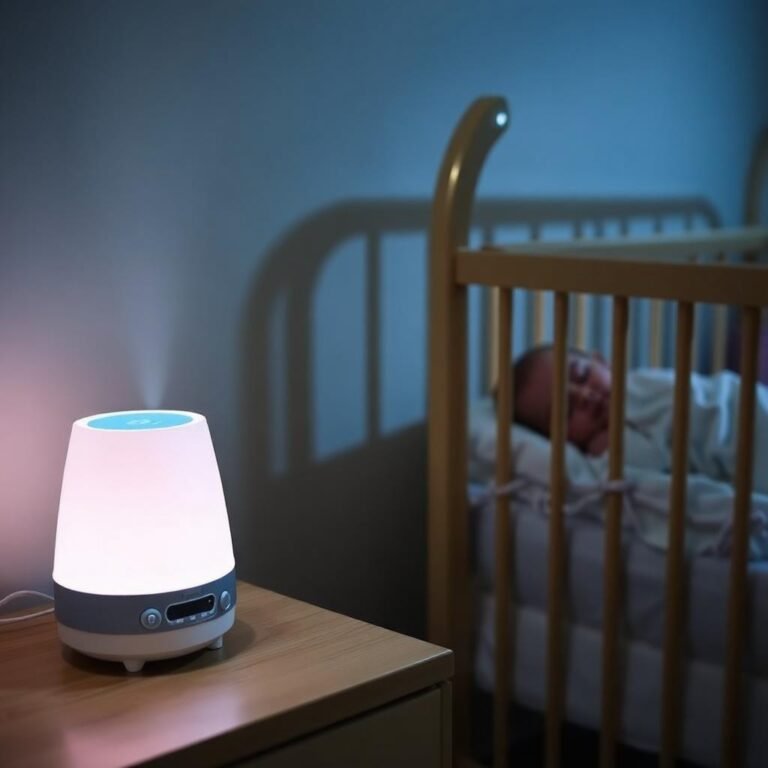
Nap Transition at 9 Months: Dropping the Third Nap
9-month nap transition: the quick answer
A 9 month nap transition often means your baby is ready to drop the third nap as wake windows lengthen. Signs include a hard-to-start third nap, a later bedtime, or fighting sleep for days. Move gently: cap the third nap, shift the first two naps slightly later, and lengthen the last wake window. Expect a bumpy week, and protect the first two naps.
For the full picture, read our pillar guide on How Many Naps by Age? Baby Sleep Chart (0–24 Months).
Why 9-month nap transition happens — the sleep science
Around 9 months, a baby’s brain and body can stay awake longer without becoming overtired. The “wake window”—the time a baby tolerates being awake—grows. When wake windows grow, the baby no longer needs as many sleep periods during the day. The third nap, usually a short late-afternoon catnap, becomes the extra that no longer fits.
9-month nap transition is a normal developmental step, not a regression. It means your baby is maturing. But the transition is a balancing act. Drop the nap too fast and the baby becomes overtired, which causes its own sleep problems. Move too slowly and the third nap steals sleep pressure from bedtime, causing a late, fractured night.
The goal is to read your baby’s signals and make small, steady changes rather than a sudden switch.
Signs it is time
Watch for these clues over about two weeks, not just one off day:
- The third nap is skipped or lasts only a few minutes for several days in a row.
- Bedtime keeps pushing later, even when the day looked normal.
- Your baby fights the third nap or takes a long time to fall asleep for it.
- Early morning waking or split nights (long awake chunks at night) appear from too much day sleep.
- The first two naps are solid and long, showing the baby can hold sleep in fewer blocks.
If only one of these shows up on a single day, wait. Teething, illness, or a busy day can mimic the signs. Look for a pattern.
The step-by-step plan
- Cap the third nap. Limit it to 15 to 20 minutes for a few days. This protects bedtime while signaling the body that the third sleep is fading.
- Drop the third nap. After capping for several days, remove it entirely.
- Move the first two naps slightly later. Shift each by about 15 to 30 minutes so they absorb the extra awake time and the baby is tired enough.
- Lengthen the last wake window. The stretch from the second nap to bedtime should be the longest of the day, often 3.5 to 4 hours at 9 months.
- Offer an earlier bedtime during the transition. If naps shrink or the day runs long, pull bedtime 30 minutes earlier to prevent overtiredness.
- Protect the first two naps. Keep the room dark, use white noise, and follow the same pre-nap routine so those naps stay long and restorative.
- Stay consistent for one to two weeks. The new schedule needs repetition to stick.
Avoiding overtiredness
The biggest mistake during this 9 month nap transition is letting bedtime drift too late. An overtired baby produces stress hormones that make falling asleep harder and cause night waking. If the second nap ends early or is short, do not wait until the usual bedtime—move it up.
A good rule: if the last wake window would exceed about 4 hours and the baby is melting down, an earlier bedtime is the answer. Early bedtime is not a punishment; it is a reset that protects the whole next day.
Age-specific notes
The “follow the baby” rule
Some babies keep three naps until 10 or 11 months. Others move to two naps at 8 months. The calendar is a guide, not a law. If your baby is happy, growing, and sleeping well on three naps, there is no rush. Forcing the change too early backfires.
If the transition is rough
If after a week your baby is miserable, naps are a battle, and nights are broken, consider a “bridge” approach: keep a very short 10-minute third nap for a few more weeks, or offer an earlier bedtime and a later morning wake. Then try again. Flexibility serves the baby better than a strict plan.
Sample two-nap day (9 months)
A common, flexible schedule:
- Wake: 7:00 a.m.
- Nap 1: 10:00–11:15 a.m.
- Nap 2: 2:30–3:45 p.m.
- Bedtime: 8:00 p.m. (earlier if needed)
Total day sleep is usually about 2.5 to 3 hours, split across the two naps, with 11 to 12 hours at night.
A transition checklist
- [ ] Third nap skipped or tiny for ~2 weeks?
- [ ] Bedtime drifting later than usual?
- [ ] First two naps still long and solid?
- [ ] No illness or teething spike confusing the picture?
- [ ] Ready to cap the third nap at 15–20 min?
- [ ] Able to offer an earlier bedtime if needed?
- [ ] All caregivers know the new plan?
Sample schedule comparison
| Approach | Naps | Wake windows | Bedtime | Best for |
|---|---|---|---|---|
| ———- | —— | ————– | ——— | ———- |
| Three naps | 3 (incl. short 3rd) | 2–2.5 hrs | ~7:30 p.m. | 7–8 month olds |
| Transition | Cap 3rd, then drop | 2.5–3.5 hrs | ~7:30–8 p.m. | 9 month nap transition |
| Two naps | 2 | 3–4 hrs | ~8:00 p.m. | 9–12 month olds |
Safety reminders
Nap transitions do not change safe sleep rules:
- Always place your baby on their back to sleep.
- Use a firm, flat surface with a fitted sheet only.
- No bumpers, pillows, loose blankets, or positioners in the sleep space.
- Do not use loungers or inclined products for sleep.
- Avoid bed-sharing, especially on soft surfaces.
- Room-share without bed-sharing for at least the first six months.
An overtired baby may fall asleep in a car seat or stroller. Move them to a flat, firm surface for the main part of the nap when you can.
9-month nap transition: when to call your pediatrician
A nap transition is normal, but call your pediatrician if:
- Your baby shows poor weight gain or a drop in wet diapers during the change.
- There is a fever, especially under three months.
- You notice breathing changes such as fast, noisy, or paused breathing.
- Your baby has a high-pitched or weak cry that is new.
- Signs of dehydration appear, like a dry mouth or no tears.
- Mood or feeding suffers markedly for more than two weeks after the transition.
Transitions should not cause weight loss or illness. Your doctor can rule out other causes.
FAQ
How do I know if my 9 month nap transition is real or just a phase?
Look for a two-week pattern, not a single bad day. If the third nap is refused or tiny most days, bedtime drifts later, and the first two naps stay strong, it is likely real. A one-off usually means teething, a skipped nap, or a busy day.
What if my baby gets overtired during the transition?
Pull bedtime earlier by 30 to 60 minutes for a few days. An earlier bedtime resets the system better than a later one. You can also offer a short 10-minute bridge nap if the afternoon is truly falling apart.
Should I force two naps if my baby fights the third?
No. If your baby is happy and sleeping well on three naps, keep three. Some babies need them until 10 or 11 months. Follow the baby, not the calendar.
Will dropping the third nap cause night waking?
It can briefly, especially if the baby becomes overtired. Protect the first two naps, lengthen the last wake window, and use an earlier bedtime. Most night sleep settles within one to two weeks.
Can I go back to three naps if two is too hard?
Yes. If your baby is miserable after a week, revert to a capped third nap and try the transition again in two to four weeks. There is no penalty for waiting.
Related reading: Baby Takes 30-Minute Naps.
What if the third nap won’t drop cleanly
Some babies hover in the middle: they refuse the third nap some days and take it easily on others. This “in-between” stage can last two to four weeks. During it, use a flexible rule. If the baby falls asleep quickly for the third nap, allow a short 15-minute cap. If they fight it for more than 10 minutes, skip it and move bedtime earlier. Flexibility prevents both overtiredness and a stalled transition.
Signs you moved too early
If you dropped the third nap and within a few days see a miserable, cranky baby, frequent night waking, early rising, or a complete loss of the second nap, you may have moved too soon. The fix is not to push harder. Add a short bridge nap (10 to 15 minutes) in the late afternoon for one to two weeks, or offer an earlier bedtime, then try the full drop again later.
The role of the second nap
During this transition, the second nap becomes the most important sleep of the day. Protect it fiercely: dark room, white noise, and the same routine. A strong second nap carries the baby through the longer evening wake window and supports night sleep. If the second nap is short, pull bedtime earlier rather than adding a third nap.
A bridge-week plan
| Day | Plan | Bedtime |
|---|---|---|
| —– | —— | ——— |
| 1–2 | Cap 3rd nap 20 min | Normal |
| 3–4 | Cap 3rd nap 10 min | Normal |
| 5–6 | Skip 3rd nap | 30 min earlier |
| 7+ | No 3rd nap | Adjust as needed |
This slow fade reduces the shock to the body clock and keeps the baby from becoming overtired.
Sample three-nap-to-two transition week
| Day | Nap 1 | Nap 2 | Nap 3 | Notes |
|---|---|---|---|---|
| —– | ——- | ——- | ——- | ——- |
| Mon | 10:00 | 2:30 | 5:00 (20 min) | Capped |
| Tue | 10:00 | 2:30 | 5:00 (10 min) | Capped shorter |
| Wed | 10:15 | 2:45 | — | Skipped, earlier bed |
| Thu | 10:15 | 2:45 | — | Earlier bed held |
| Fri | 10:15 | 2:45 | — | Settling in |
| Sat | 10:30 | 3:00 | — | Windows lengthened |
| Sun | 10:30 | 3:00 | — | Two-nap rhythm |
Common worries during the transition
Parents often worry a skipped third nap means the baby “didn’t get enough sleep.” Remember that total sleep matters more than the number of naps. A baby on two solid naps plus 11 to 12 hours at night is getting enough. Another worry is that an early bedtime “won’t work” because the baby isn’t tired. In truth, an earlier bedtime during transition prevents the overtired spiral and usually leads to better night sleep.
When the transition takes longer than expected
If after three to four weeks your baby still cannot manage two naps without falling apart, pause the change. Revert to a capped third nap and try again in a month. Some babies are simply not ready at 9 months and do better closer to 10 or 11. Following the baby’s cues beats the calendar every time.
The science of wake windows
A wake window is the time a baby can comfortably stay awake before sleep pressure builds enough to sleep well. In the first months, this window is short—about one to two hours—because the brain tires quickly. As the brain matures, the window grows. By 9 months, most babies handle three to four hours awake. The third nap fades precisely because the baby no longer needs to sleep every two hours; two longer windows fit the day better.
How development affects naps
At 9 months, big skills arrive: sitting, pulling to stand, babbling, and object permanence. These developments can briefly disrupt naps as the brain practices new abilities. Do not confuse a few rough days of nap fighting with a true transition. If the pattern holds for about two weeks and the first two naps stay solid, it is a real transition. If it is only a few days around a new skill, wait it out.
Sample two-nap day variations
Not every two-nap day looks the same. Adjust to your baby:
| Wake | Nap 1 | Nap 2 | Bedtime | Best when |
|---|---|---|---|---|
| —— | ——- | ——- | ——— | ———– |
| 6:30 | 9:30–10:45 | 2:00–3:15 | 7:30 | Early riser |
| 7:00 | 10:00–11:15 | 2:30–3:45 | 8:00 | Average |
| 7:30 | 10:30–11:45 | 3:00–4:15 | 8:30 | Later start |
All three total about 2.5 to 3 hours of day sleep with an 11 to 12 hour night. Pick the variant that matches your baby’s natural rhythm.
See also: Dropping the Morning Nap at 10–12 Months.
Why consistency beats perfection
You will not run the schedule perfectly every day, and that is fine. What matters is the general pattern across the week. A single off day from travel or a skipped nap will not undo the transition. Consistent bedtime, dark naps, and a steady response to waking do more than a flawless calendar.
Tracking the transition in a notebook
For one to two weeks, jot down wake times, nap lengths, and bedtime. Patterns appear on paper that are easy to miss in the moment. If the third nap is consistently short or skipped, you have clear evidence to drop it. If it is still happening most days, you have reason to wait. A simple log removes guesswork.
The link between the third nap and night sleep
The third nap directly affects the night. A too-long or too-late third nap steals sleep pressure and pushes bedtime late, which then causes early waking or night waking. This is why capping and dropping it helps the whole 24-hour picture, not just the afternoon. Watch the night as you change the day; if nights improve, you are on the right track.
Sample signals log you can use
| Day | 3rd nap? | Length | Bedtime mood | Note |
|---|---|---|---|---|
| —– | ———- | ——– | ————– | —— |
| 1 | Yes | 20 min | Calm | Capped |
| 2 | No | — | Slightly tired | Skipped |
| 3 | No | — | Good | Settling |
A simple log like this removes doubt about whether the transition is working.
One last reminder
The 9 month nap transition is a sign your baby is growing, not a problem to fix. Move at your baby’s pace, protect the first two naps, and use an earlier bedtime as your safety net. If it does not click in a week or two, simply wait and try again. There is no deadline.
Common Myths vs Facts
- Myth: “A tired baby will fall asleep anywhere.” Fact: Overtired babies make more cortisol, which fragments sleep.
- Myth: “A later bedtime always means a longer night.” Fact: Only if anchored to the baby’s true sleep need; too late backfires.
- Myth: “One rough night means failure.” Fact: Judge progress across 1–2 weeks, not a single night.
- Myth: “You must sleep-train.” Fact: Consistency, a dark room, and gentle boundaries resolve many issues without formal training.
If Nothing Works After Two Weeks
- Re-check total daytime sleep (too much or too little both fragment nights).
- Confirm the room is genuinely dark and quiet until your chosen wake time.
- Review the last nap’s timing so it does not steal the night.
- Rule out discomfort: illness, teething, reflux, ear pain, growth spurt.
- Call your pediatrician for a brief check to exclude underlying issues.
Practical Summary You Can Use Tonight
- Write the ideal schedule on paper or in a notes app, then adjust it by your baby’s cues each day.
- Protect the first sleep of the night and the first nap — these are the anchors that steady the rest.
- Keep the sleep space the same every time: same room, same dark, same safe surface.
- Respond to night waking with calm consistency; the baby learns the expected pattern from your steady response.
- If a plan is not working after two weeks, step back, simplify, and check in with your pediatrician.
You do not need perfection. You need a safe, consistent rhythm that fits your family and protects your baby’s development.
- Dropping the Morning Nap
- Why Your Baby Takes Short Naps
- The 45-Minute Intruder
- American Academy of Pediatrics — A Parent’s Guide to Safe Sleep
- NICHD Safe to Sleep — Safe Sleep Environment
- CDC — About Sudden Unexpected Infant Death
- World Health Organization — Newborn Care
About the author
Dr. Michael Anderson, MD (Pediatrics) is a board-certified pediatrician on the ChildBloom medical panel, focusing on infant sleep, safe sleep environments, and responsive routines. This article was medically reviewed and approved by Dr. Ahmad Raza, MD (Pediatrics) against current AAP safe-sleep guidance. Read our editorial and review standards.
This guide is general education, not a diagnosis. If you are worried about your baby’s breathing, feeding, growth, or sleep, contact your pediatrician. For any breathing emergency, call emergency services immediately.
Related ChildBloom Guides
- Start here: How Many Naps by Age? Baby Sleep Chart (0–24 Months)
- Infant Nap Transitions: 3 to 2 to 1 Naps (Age-by-Age Guide)
- Contact Naps All Day: How to Transition Safely
- Baby Short Naps: Why They Happen and How to Fix Them
- Newborn Won’t Sleep in Bassinet? 7 Fixes That Actually Work
- Best Video Baby Monitors for Peace of Mind
- Browse all Sleep & Nursery guides
References & Medical Sources
- AAP healthy sleep hours by age
- AAP guidance on getting your baby to sleep
- AASM pediatric sleep duration consensus
- NICHD Safe to Sleep: safe sleep environment
Reviewed by the ChildBloom pediatric panel. Learn about our physicians on the About page. This article is educational and does not replace your child’s clinician.