Dropping the Morning Nap at 10–12 Months
10-month nap schedule: the quick answer
A 10 month nap schedule often shifts toward one nap because some babies drop the morning nap between 10 and 12 months. Wait for clear signs—morning nap refused for about two weeks, one long midday nap, and solid night sleep—before dropping it. Transition slowly: shorten the morning nap, move the midday nap earlier, and offer an earlier bedtime during the change.
For the full picture, read our pillar guide on How Many Naps by Age? Baby Sleep Chart (0–24 Months).
Why 10-month nap schedule happens — the sleep science
As babies approach their first birthday, wake windows grow again. A baby who once needed a nap every two to three hours can now stay awake for three to four hours. The morning nap, which was a small bridge, starts to steal sleep pressure from the rest of the day. When that happens, the morning nap becomes a fight and the midday nap gets shorter too.
This stage is the move from two naps to one. It is a big jump because the single remaining nap must cover a long day. Done too early, it causes overtiredness and a cranky baby. Done at the right time, it gives longer, more restorative sleep in one block.
The key is patience. Many babies are not ready until 12, 15, or even 18 months. A “10 month nap schedule” is only right if your specific baby shows the signs.
Signs it is time
Look for a pattern over about two weeks:
- The morning nap is skipped or fought repeatedly, even with a good routine.
- One long afternoon nap seems to replace both shorter naps.
- Night sleep stays solid, with no new waking or early rising.
- The baby is happy and alert during the long morning awake stretch.
- Forcing the morning nap leads to a short, late, or skipped midday nap.
A single off day does not count. Illness, teething, travel, or a skipped nap can mimic readiness. Watch the trend.
The transition plan
- Cap the morning nap. Limit it to 10 to 15 minutes for several days. This keeps some rest without stealing the midday nap.
- Drop the morning nap. Remove it and shift the single nap to late morning or midday (around 11:30 a.m. to 12:30 p.m.).
- Move bedtime earlier. Pull bedtime 30 to 45 minutes earlier for a few weeks to cover the longer awake stretch.
- Keep a calm pre-nap routine. Same order: lunch, book, song, sleep sack, crib.
- Protect the single nap. Dark room, white noise, and consistency help it lengthen to 2 to 3 hours.
- Build the long morning with activity. Outings, meals, and play fill the gap and tire the baby naturally.
- Give it two weeks. The new schedule needs repetition before you judge it.
Don’t rush
Some babies keep two naps until 15 to 18 months. Forcing a one-nap schedule too early causes overtiredness, night waking, and early rising. If your baby is thriving on two naps, there is no reason to change. Follow the baby, not the calendar.
Bridging the gap
The hardest part of this 10 month nap schedule change is the long morning awake window. Use these bridges:
- Move lunch earlier so the nap can start sooner.
- Plan an active outing mid-morning to use up energy.
- Offer a small, healthy snack to smooth the stretch.
- Keep the pre-nap routine calm so the baby winds down.
Age-specific notes
10 to 11 months
Most babies here still do best on two naps. Only shift if the signs are clear and consistent. A premature or low-weight baby may need two naps longer.
12 months
10-month nap schedule is the most common age to complete the move to one nap. If your baby is refusing the morning nap and taking a long midday nap, the time is likely right.
15 to 18 months
If your baby is still on two naps at this age and happy, that is fine. The one-nap transition can safely wait. Do not force it.
Sample one-nap day (12 months)
- Wake: 7:00 a.m.
- Nap: 12:00–2:30 p.m.
- Bedtime: 7:30 p.m.
Total day sleep is about 2 to 2.5 hours in the single nap, with 11 to 12 hours at night.
Sample schedule comparison
| Age | Naps | Morning window | Midday nap | Bedtime |
|---|---|---|---|---|
| —– | —— | —————- | ———— | ———- |
| 10 months | 2 | 3 hrs | 2 naps total ~2.5 hrs | ~7:30 p.m. |
| 12 months | 1 | 5 hrs | 1 nap ~2.5 hrs | ~7:30 p.m. |
| 18 months | 1 | 5–6 hrs | 1 nap ~2 hrs | ~7:30 p.m. |
A transition checklist
- [ ] Morning nap refused or fought for ~2 weeks?
- [ ] One long midday nap replaces both?
- [ ] Night sleep still solid (no new waking)?
- [ ] Able to offer an earlier bedtime during the change?
- [ ] Baby happy and alert in the long morning stretch?
- [ ] All caregivers using the same plan?
Safety reminders
Nap changes do not change safe sleep rules:
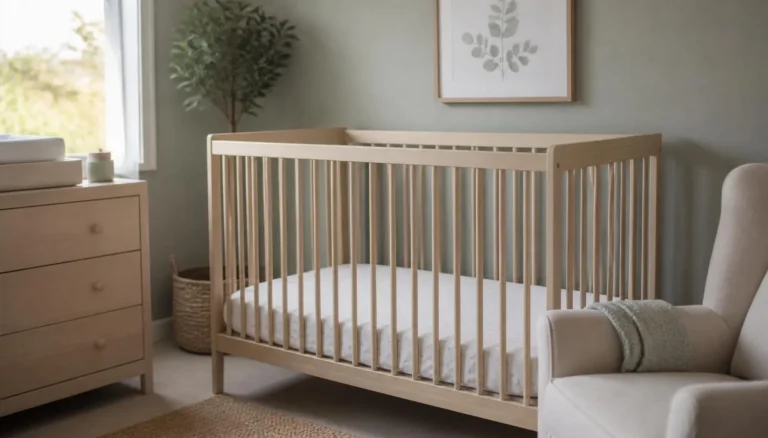
- Always place your baby on their back to sleep.
- Use a firm, flat mattress with a fitted sheet only.
- No bumpers, pillows, loose blankets, or positioners.
- Do not use loungers or inclined seats for sleep.
- Avoid bed-sharing, especially on soft surfaces.
- Room-share without bed-sharing for at least the first six months.
An overtired baby may doze in a car seat. Move them to a flat, firm surface for the main nap when possible.
10-month nap schedule: when to call your pediatrician
Dropping a nap is normal, but call your pediatrician if:
- Your baby shows poor weight gain or fewer wet diapers.
- There is a fever, especially under three months.
- You notice breathing changes: fast, noisy, or paused breathing.
- Your baby has a high-pitched or weak cry that is new.
- Signs of dehydration appear, like a dry mouth or no tears.
- Meltdowns or poor nights last more than two weeks after the change—consider reverting and reassessing.
Transitions should not harm mood or feeding. Your doctor can help if something else is going on.
FAQ
How do I build a good 10 month nap schedule if my baby is not ready for one nap?
Keep two naps. Aim for a morning nap about three hours after wake and a second nap mid-afternoon, with an 11 to 12 hour night. Only drop to one nap when the signs above appear for about two weeks.
What if my baby is miserable on one nap?
Revert to two naps for two to four weeks, then try again. Forcing the change too early causes overtiredness. A bridge of a short morning nap can help ease the gap.
Will one nap cause early waking?
It can briefly if the baby is overtired. Use an earlier bedtime during the transition and protect the single nap with a dark room and routine. Most early waking resolves within two weeks.
Should I wake my baby from the one nap?
If the single nap runs past about 3 p.m. and pushes bedtime too late, a gentle wake helps protect the night. Aim to end the nap by mid-afternoon so bedtime stays on track.
Is a 10 month nap schedule the same for every baby?
No. Some babies need two naps until 18 months. Use your baby’s signals—refusals, mood, night sleep—rather than a fixed age to decide.
One nap but waking early
Once on one nap, some babies start waking at 5:00 or 5:30 a.m. This usually means the single nap is too late or too short, leaving the baby either overtired or under-tired by morning. Two fixes help: move the one nap slightly earlier (closer to 11:30 a.m.) and protect it so it runs a full two to three hours. An earlier bedtime on rough days also resets the pattern.
Related reading: Baby Takes 30-Minute Naps.
Lunch and snack timing
The single nap sits in the middle of the day, so meals matter. Offer lunch shortly before the nap so the baby is full but not stuffed. A small, healthy morning snack helps bridge the long morning awake window. Avoid a big meal right before sleep, which can cause tummy discomfort. A calm, fed baby naps longer.
Daycare and the one-nap schedule
Many daycare centers put all toddlers down for one midday nap. If your baby is not ready, talk to the provider. Some will offer a short morning stroller nap or an earlier bedtime to cover the gap. Consistency between home and daycare speeds the transition, so share your plan with caregivers.
A bridge-week table
| Day | Morning | Midday nap | Bedtime | Notes |
|---|---|---|---|---|
| —– | ——— | ———— | ——— | ——- |
| 1 | Short AM nap 15 min | 12:30–2:30 | 7:00 | Cap morning |
| 2 | Short AM nap 10 min | 12:30–2:30 | 7:00 | Cap shorter |
| 3 | No AM nap | 12:00–2:15 | 6:45 | Earlier nap + bed |
| 4 | No AM nap | 12:00–2:15 | 6:45 | Holding |
| 5 | No AM nap | 12:00–2:30 | 7:00 | Lengthening |
What if the baby won’t nap at daycare
Some babies nap perfectly at home but refuse at daycare because the room is bright, busy, or unfamiliar. A familiar sleep sack, a small lovey-free routine, and a note to caregivers about timing help. If daycare naps stay short, protect a longer night and an earlier weekend bedtime. Most babies adjust within a few weeks.
Myths about the one-nap schedule
A common myth is that “one nap means the baby needs less total sleep.” False—total sleep stays about the same; it is just packed into fewer blocks. Another myth is that you must drop the morning nap the moment the baby turns 12 months. In reality, readiness varies widely, and some toddlers keep two naps until 18 months without any problem.
Protecting the single nap
Because there is only one daytime sleep, its quality matters more than ever. Keep the room dark, use white noise, and follow the same pre-nap order every day. A skipped or short single nap has a bigger ripple effect than a missed third nap did, so guard it carefully during the transition and beyond.
How to read your baby’s readiness signals
Readiness for one nap shows in behavior, not age. A baby who plays happily through the long morning, takes one long midday nap, and sleeps well at night is telling you they are ready. A baby who melts down mid-morning, takes two short naps, and wakes at night is telling you they are not. Trust the behavior over the birthday. Using signals prevents both rushing and stalling.
Adjusting the schedule by season and light
Light changes with the seasons and can shift your baby’s rhythm. In summer, early sun may wake the baby earlier, making the long morning window harder. In winter, darkness can make the single nap easier to protect. Use blackout curtains year-round so the room, not the window, sets the sleep cue. This stability helps the one-nap schedule hold steady through seasonal light changes.
Common one-nap problems and fixes
| Problem | Likely cause | Fix |
|---|---|---|
| ——— | ————– | —– |
| Early AM wake | Nap too late/short | Move nap earlier, protect length |
| Short single nap | Under-tired or overtired | Adjust wake window 15 min |
| Bedtime battle | Too long last window | Pull bedtime earlier 30 min |
| Cranky mornings | Not ready for one nap | Revert to two naps briefly |
This table gives quick answers when the one-nap schedule hits a snag. Most issues resolve with a small timing tweak rather than a full reversal.
The long morning window, in practice
The hardest part of the one-nap schedule is the stretch from wake to the single nap, often five hours. Fill it with a balanced mix: breakfast, floor play, an outing, a snack, and a calm activity. Avoid over-stimulation right before the nap, which can make falling asleep harder. A predictable flow through the morning makes the long window feel normal to your baby.
Sample one-nap day with activities
| Time | Activity |
|---|---|
| —— | ———- |
| 7:00 | Wake, breakfast |
| 9:00 | Floor play, song |
| 10:30 | Outing or walk |
| 11:30 | Lunch, then wind down |
| 12:00 | Nap (2–2.5 hrs) |
| 2:30 | Snack, play |
| 5:30 | Dinner |
| 7:00 | Routine, bed |
This shows how the long morning is filled so the baby arrives at the nap tired but not overtired.
When to pause the transition
If after a week your baby is clearly miserable—multiple night wakings, early rising, and mid-morning meltdowns—pause. Return to a short morning nap for two to four weeks, then try again. There is no penalty for waiting. Many babies simply need a little more time before one nap fits their biology.
See also: Nap Transition at 9 Months.
The difference between “won’t” and “can’t” do one nap
Some babies refuse one nap because they are not ready (a “won’t” driven by biology), while others could but have built a habit of two naps. The difference shows in mood: a not-ready baby is miserable and night sleep breaks; a habit baby is fine once the schedule holds for a few days. Sorting this tells you whether to pause or persist.
How light exposure in the morning helps
Morning light after the baby wakes strengthens the body clock and supports the next night’s sleep. Open curtains and spend a few minutes in natural light after the wake. This small habit makes the one-nap rhythm more robust, especially in the early weeks of the transition.
A calming pre-nap routine for one nap
Because there is only one nap, its routine matters. Use the same short sequence every day: lunch, book, song, sleep sack, crib. A consistent cue helps the baby accept the longer morning wait and fall asleep faster at midday.
When the single nap is short
If the single nap comes in at under an hour, the baby may be under- or overtired. Move the nap 15 to 30 minutes earlier and protect the pre-nap wind-down. A short nap on its own is not a failure, but repeated short naps suggest the timing needs a small tweak.
One last reminder
Dropping to one nap is a milestone, not a race. Wait for clear signals, move gradually, and keep the single nap protected. If your baby resists for more than a couple of weeks, two naps may still be right for now. Following the baby beats following the calendar every time.
Common Myths vs Facts
- Myth: “A tired baby will fall asleep anywhere.” Fact: Overtired babies make more cortisol, which fragments sleep.
- Myth: “A later bedtime always means a longer night.” Fact: Only if anchored to the baby’s true sleep need; too late backfires.
- Myth: “One rough night means failure.” Fact: Judge progress across 1–2 weeks, not a single night.
- Myth: “You must sleep-train.” Fact: Consistency, a dark room, and gentle boundaries resolve many issues without formal training.
If Nothing Works After Two Weeks
- Re-check total daytime sleep (too much or too little both fragment nights).
- Confirm the room is genuinely dark and quiet until your chosen wake time.
- Review the last nap’s timing so it does not steal the night.
- Rule out discomfort: illness, teething, reflux, ear pain, growth spurt.
- Call your pediatrician for a brief check to exclude underlying issues.
Practical Summary You Can Use Tonight
- Write the ideal schedule on paper or in a notes app, then adjust it by your baby’s cues each day.
- Protect the first sleep of the night and the first nap — these are the anchors that steady the rest.
- Keep the sleep space the same every time: same room, same dark, same safe surface.
- Respond to night waking with calm consistency; the baby learns the expected pattern from your steady response.
- If a plan is not working after two weeks, step back, simplify, and check in with your pediatrician.
You do not need perfection. You need a safe, consistent rhythm that fits your family and protects your baby’s development.
- Nap Transition at 9 Months
- The 45-Minute Intruder
- When Baby Fights Bedtime
- American Academy of Pediatrics — A Parent’s Guide to Safe Sleep
- NICHD Safe to Sleep — Safe Sleep Environment
- CDC — About Sudden Unexpected Infant Death
- World Health Organization — Newborn Care
About the author
Dr. Michael Anderson, MD (Pediatrics) is a board-certified pediatrician on the ChildBloom medical panel, focusing on infant sleep, safe sleep environments, and responsive routines. This article was medically reviewed and approved by Dr. Ahmad Raza, MD (Pediatrics) against current AAP safe-sleep guidance. Read our editorial and review standards.
This guide is general education, not a diagnosis. If you are worried about your baby’s breathing, feeding, growth, or sleep, contact your pediatrician. For any breathing emergency, call emergency services immediately.
Related ChildBloom Guides
- Start here: How Many Naps by Age? Baby Sleep Chart (0–24 Months)
- Infant Nap Transitions: 3 to 2 to 1 Naps (Age-by-Age Guide)
- Contact Naps All Day: How to Transition Safely
- Baby Short Naps: Why They Happen and How to Fix Them
- Newborn Won’t Sleep in Bassinet? 7 Fixes That Actually Work
- Best Video Baby Monitors for Peace of Mind
- Browse all Sleep & Nursery guides
References & Medical Sources
- AAP healthy sleep hours by age
- AAP guidance on getting your baby to sleep
- AASM pediatric sleep duration consensus
- NICHD Safe to Sleep: safe sleep environment
Reviewed by the ChildBloom pediatric panel. Learn about our physicians on the About page. This article is educational and does not replace your child’s clinician.