Weight-for-Length Calculator (0–2 Years)
Weight-for-Length Calculator (0–2 Years)
For infants and children from birth to 24 months, weight-for-length is the preferred indicator for assessing acute nutritional status. Unlike weight-for-age, which can be influenced by height, weight-for-length directly compares body weight to body length — making it an excellent measure of whether a child is too thin (wasting) or too heavy (overweight) for their size. The WHO Growth Standards for children 0–5 years are the international reference standard recommended by the CDC for children under 2.
Weight-for-length is particularly important for detecting wasting — a rapid, short-term response to inadequate nutrition or illness. The WHO classifies weight-for-length Z-scores below -2 as moderate wasting and below -3 as severe wasting (also called severe acute malnutrition or SAM). Globally, wasting affects approximately 45 million children under 5, and early identification can be life-saving.
Why Weight-for-Length Instead of BMI?
For children under 2 years, BMI-for-age is not recommended because the relationship between weight and length changes rapidly during infancy. Weight-for-length provides a more stable and clinically meaningful assessment during this period. The CDC specifically recommends weight-for-length (not BMI) for children from birth to 24 months.
After age 2, BMI-for-age becomes the preferred indicator, as the relationship between weight and height stabilizes. Our BMI-for-Age Calculator covers children aged 2–20 years.
How to Use This Calculator
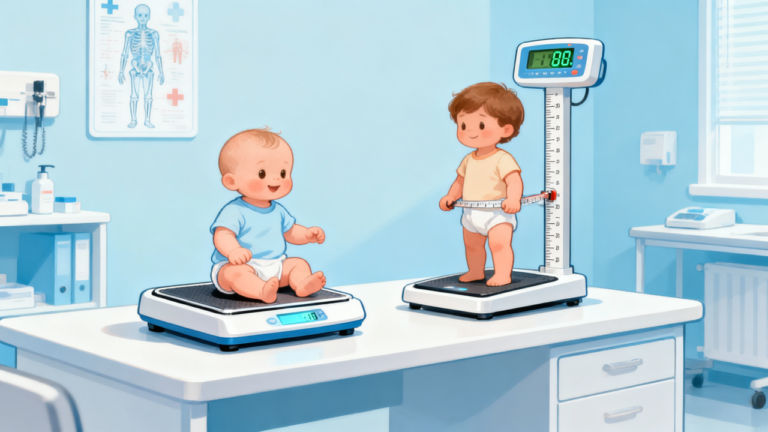
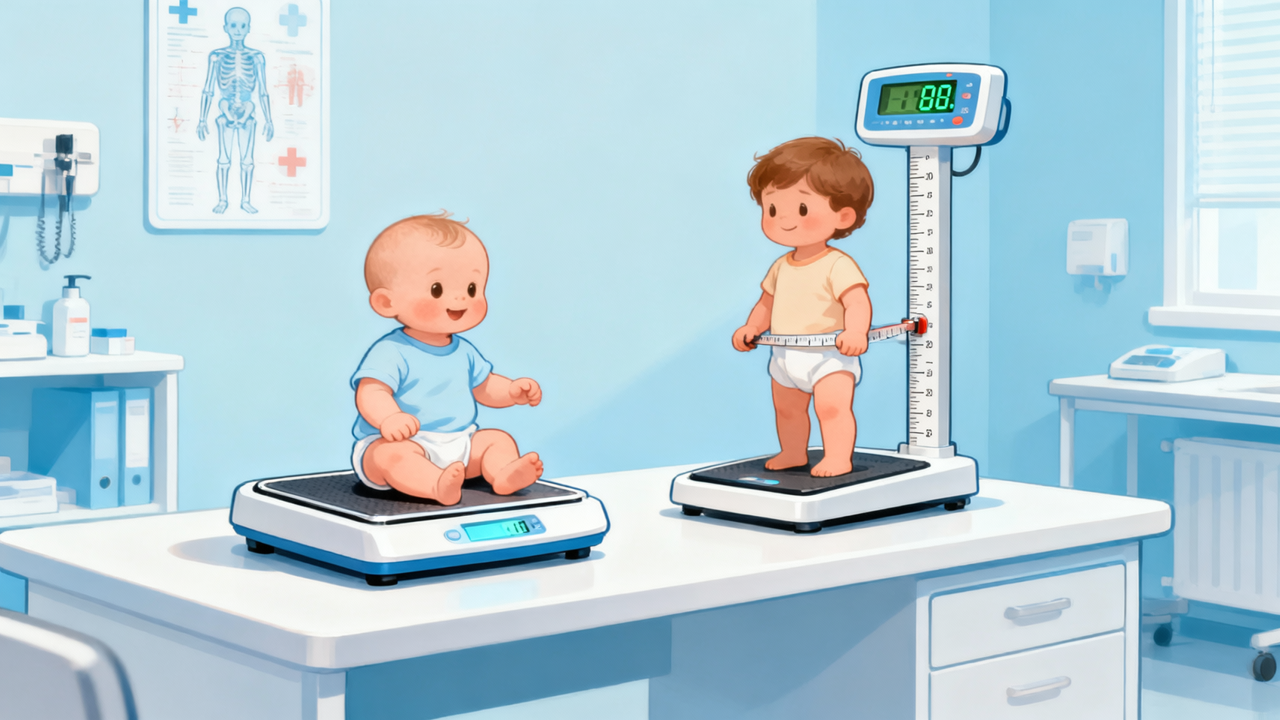
Measure your baby’s recumbent length (lying flat on a measuring board) and weight (on a calibrated infant scale). Enter the sex, length in cm, and weight in kg. The calculator estimates the weight-for-length percentile and Z-score based on WHO Growth Standards.
Weight-for-Length Calculator
Weight-for-Length Calculator (0–2 Years)
Enter the measurements below for an educational estimate. This tool is not a diagnosis.
When to Call Your Pediatrician
- Weight-for-length Z-score below -2
- Visible wasting or sudden weight loss in an infant
- Child is above the 97th percentile for weight-for-length
- Feeding difficulties, poor appetite, or persistent vomiting
Frequently Asked Questions
Why use weight-for-length instead of BMI under age 2?
The relationship between weight and length changes rapidly during infancy, making BMI-for-age unreliable under 2 years. Weight-for-length directly compares weight to recumbent length and is the recommended indicator by CDC and WHO for infants and toddlers.
What does a low weight-for-length Z-score mean?
A weight-for-length Z-score below -2 indicates moderate wasting and below -3 severe wasting (severe acute malnutrition) per WHO criteria. Wasting reflects acute weight loss or failure to gain, often from illness or inadequate feeding, and warrants prompt evaluation.
What does a high weight-for-length Z-score mean?
A weight-for-length Z-score above +2 (about the 97th percentile) suggests the baby may be gaining weight faster than expected for their length. This increases future risk of overweight and obesity, so your pediatrician may review feeding volumes and growth trajectory.
How is recumbent length measured correctly?
Place the baby flat on their back on a firm measuring board with the head against the fixed end, legs extended, and feet flat against the movable footboard. Two people make it easier: one holds the head steady while the other straightens the legs and reads the measurement.
Authoritative Resources
- <a href="https://www.who.int/tools/child-growth-standards/standards" target="blank” rel=”noopener”>WHO Child Growth Standards
- <a href="https://www.cdc.gov/growthcharts/whocharts.htm” target=”blank” rel=”noopener”>CDC: Using WHO Growth Charts for Children 0-2
- <a href="https://www.unicef.org/nutrition" target="blank” rel=”noopener”>UNICEF Nutrition
Written by Dr. Michael Anderson, MD (Pediatrics) | Medically approved by Dr. Ahmed Raza, MD (Pediatrics) | Updated for 2026
Disclaimer: This calculator is for general informational purposes only and is not a substitute for professional medical advice. Always consult your pediatrician.