Safe Sleep for Preterm Babies: Corrected Age and Position
Preemie safe sleep: the quick answer
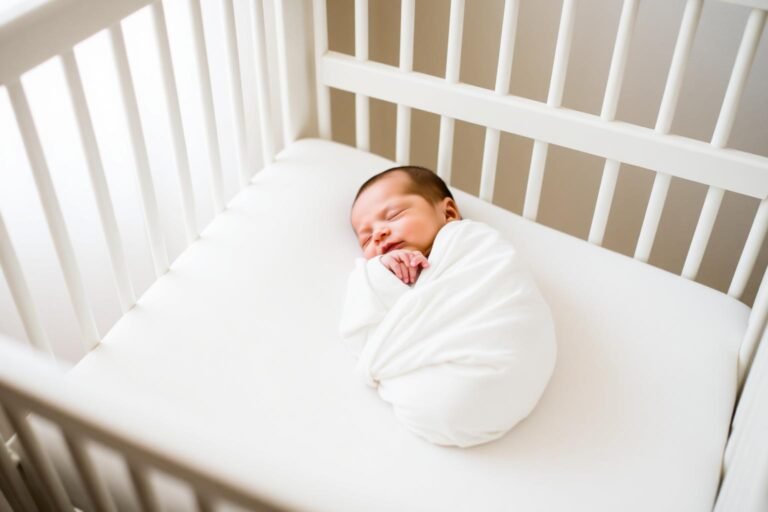
For preterm babies, the foundation of preemie safe sleep is the same as for any infant: always on the back, alone, on a firm flat surface, with no bumpers or loose bedding. Base all sleep and developmental expectations on corrected age. Always follow your neonatal team’s discharge plan exactly.
For the full picture, read our pillar guide on Safe Sleep Checklist: Room Sharing, Firm Mattresses & SIDS Preventi.
Why preemie safe sleep happens — the sleep science
Understanding the biology makes the plan easier to follow. Baby sleep runs on two systems. The first is sleep pressure — the natural build-up of a chemical called adenosine during waking hours that makes sleep feel urgent. The second is the circadian rhythm, the internal 24-hour clock that uses light and darkness to decide when the body expects sleep and when it expects wakefulness. Melatonin, the hormone that helps initiate sleep, rises in the evening and fades before dawn.
When these two systems are misaligned — for example, when daytime sleep is too long, bedtime is too early, or light enters the room before the desired wake time — the baby hits their total sleep need too soon and wakes. A baby who falls asleep independently can usually link sleep cycles and return to sleep; a baby who needs feeding, rocking, or holding to fall asleep often cannot recreate that condition at 5 a.m. and calls out. This is why most early waking, short napping, and night fragmentation is a signal about schedule, environment, or sleep associations rather than a fixed trait.
Safe-sleep biology matters too. The risk factors for sleep-related infant death — prone or side sleeping, soft surfaces, loose bedding, overheating, and bed-sharing on a soft surface — are well described by the AAP and CDC. Keeping the baby on the back, on a firm flat surface, in a crib or bassinet free of bumpers, pillows, and positioners directly reduces those risks.
What “corrected age” means
Corrected age (also called adjusted age) is the best way to think about a preterm baby’s growth and sleep. You calculate it by subtracting the number of weeks a baby was born early from their actual age since birth.
For example, a baby born 10 weeks early who is now 6 months old (about 26 weeks since birth) has a corrected age of roughly 4 months. That simple math changes everything about what you should expect.
Doctors and nurses use corrected age for the first two years of life, and sometimes a bit longer for the tiniest babies. Sleep cycles, wake windows, feeding stamina, and milestones all follow the corrected timeline rather than the birthday.
A “4-month sleep regression” in a baby born 8 weeks early may not appear until they reach 4 months corrected, which could be 6 months after birth. Using corrected age prevents parents from pushing schedules or expectations that a preterm baby’s brain and body are not ready for yet.
Why preterm babies need extra sleep caution
Preterm infants are not simply small full-term babies. Their nervous systems, breathing control, and ability to wake up when something is wrong are still developing. This is why the hospital closely monitors them before discharge.
Research summarized by the American Academy of Pediatrics shows that babies born prematurely or with low birth weight face a higher risk of sleep-related death, especially when bed sharing. The good news is that the same safe sleep steps that protect every infant protect preterm infants too.
Preemies may also go home with special equipment: oxygen, a feeding tube, an apnea monitor, or a referral for early intervention. None of that changes the core rule that sleep happens on the back, flat, and alone. It does mean the discharge plan from your care team matters even more.
The safe sleep rules (non-negotiable)
These four rules apply to every infant, including preterm babies, for every sleep:
- Back to sleep. Place your baby on their back for every nap and every night. Once a baby can roll both ways on their own, you do not need to flip them back, but you still start them on the back.
- Firm, flat surface. Use a crib, bassinet, or portable play yard that meets current safety standards. The mattress should not indent under your baby. A fitted sheet is the only thing in the sleep space.
- Room share, do not bed share. Keep the baby’s sleep space in your room for at least the first six months. Sharing a room lowers risk; sharing a bed raises it.
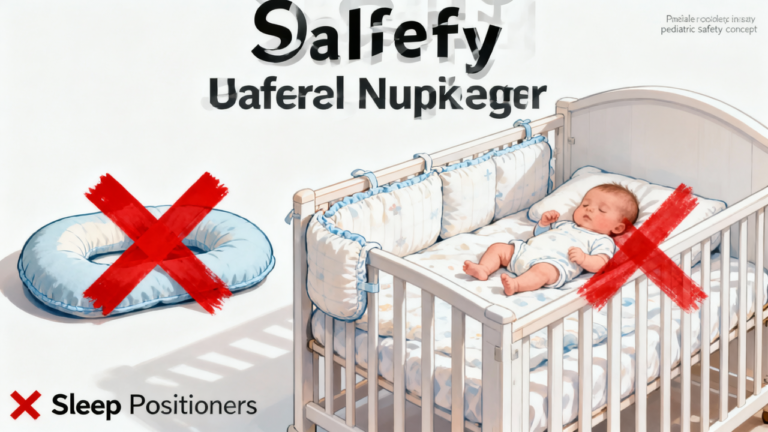
- Bare is best. No pillows, no bumpers, no blankets, no positioners, no wedges, no stuffed toys. Use a sleep sack instead of a loose blanket.
Preterm-specific cautions
Preterm babies have a few extra considerations that full-term babies usually do not:
- Weaker arousal response. Some preemies have a less mature ability to wake when breathing is compromised. A few go home with an apnea or cardiorespiratory monitor. Use it exactly as the team teaches you.
- Weight and feeding thresholds. Your team may set minimum weight or feeding goals before changing equipment or routines. Meet those first.
- Smoke-free home. Secondhand smoke raises SIDS risk. Keep the baby’s environment completely smoke-free.
- Frequent, smaller feeds. Preemies often need to eat more often than full-term babies. Protect feeding and weight gain before you worry about any sleep schedule.
- Temperature control. Tiny babies lose heat fast, but overheating is also dangerous. Dress for the room, use a sleep sack, and skip hats indoors once you are home.
Positioning: flat on the back only
Inclined sleepers, wedges, and “reflux wedges” are not safe sleep surfaces. The only safe sleep position for a preterm baby at home is flat on the back.
Some parents worry that a baby with reflux will choke on their back. The baby’s airway anatomy and gag reflex are built to handle this. Even babies with documented gastroesophageal reflux disease should sleep flat on the back. Inclining the surface does not treat reflux and adds risk.
“Side sleeping” is not recommended. Babies placed on their side can roll onto their stomach, which is the highest-risk position. Stomach sleeping is never advised for a preterm infant at home.
In the hospital, a preemie may be on their stomach for medical reasons under constant monitoring. That is different from home sleep. As soon as the baby is medically stable, the NICU team will practice back sleeping so the baby is ready for home.
Home setup checklist
Use this checklist when setting up sleep at home:
| Item | Safe choice | Avoid |
|---|---|---|
| — | — | — |
| Sleep surface | Firm, flat crib or bassinet meeting CPSC standards | Soft mattresses, inclined sleepers, sofas |
| Bedding | Fitted sheet only | Loose blankets, bumpers, pillows |
| Warmth | Sleep sack rated for room temp | Hats indoors, quilts, weighted sacks |
| Room temp | 68–72°F (20–22°C) | Overheated rooms, space heaters aimed at crib |
| Location | In parents’ room, separate surface | Adult bed, couch, armchair |
| Monitors | Used exactly as prescribed | Relied on as a SIDS-prevention substitute |
Check the Consumer Product Safety Commission site for recalls before using any borrowed or older sleep product, especially if it is not new.
Age-specific guidance by corrected age
Corrected age 0–3 months
Newly home preemies often sleep in short stretches and feed around the clock. Expect 14 to 17 hours of sleep in 24 hours, split into many naps. Follow the feeding schedule from your team. Do not let the baby sleep through a required feed without checking with your pediatrician.
Keep the room calm and dim at night so the baby learns day from night. Tummy time happens only while awake and supervised.
Corrected age 3–6 months
Sleep may begin to consolidate into longer night stretches. Continue back sleeping and room sharing. This is often when parents first notice a “regression” tied to corrected age, not birthday. Keep the routine simple and consistent.
If your baby was discharged with a monitor, follow the weaning plan from the team rather than stopping on your own.
Corrected age 6–12 months
Many preterm babies now approach the sleep patterns of full-term peers at the same corrected age. Continue safe sleep: back to start, bare crib, room share through six months and as long as it helps. Once rolling both ways is reliable, a baby who rolls to the stomach can stay there, but the space must stay empty.
Sample daily schedule (corrected age ~3 months)
Preemie safe sleep is a flexible example, not a prescription. Follow your team’s feeding plan first.
Related reading: Newborn Won’t Sleep in Bassinet? 7 Fixes That Actually Work.
| Time | Activity |
|---|---|
| — | — |
| 7:00 AM | Wake, feed, diaper, brief awake time |
| 8:30 AM | Nap (back, flat, sleep sack) |
| 10:00 AM | Feed, tummy time while awake |
| 11:30 AM | Nap |
| 1:00 PM | Feed, short play |
| 2:30 PM | Nap |
| 4:00 PM | Feed, tummy time |
| 5:30 PM | Short nap if needed |
| 6:30 PM | Bath, feed, dim room, sleep sack |
| 7:30 PM | Night sleep (room share) |
| ~1:00 AM / 4:00 AM | Night feeds per plan |
Adjust wake windows to your baby’s corrected age and cues. Preemies tire faster, so watch for eye-rubbing and fussing.
Step-by-step transition plan
- Confirm discharge readiness. Before any home routine, review the written discharge summary with your nurse. Note weight, feeding, and monitor instructions.
- Set up one safe sleep space. Pick a firm, flat bassinet or crib in your room. Add only a fitted sheet.
- Learn the back-sleeping habit. Place your baby on the back every single time, even for short naps.
- Use a sleep sack. Choose a TOG rating that matches your room temperature. Skip loose blankets and hats.
- Protect feeds. Feed on the team’s schedule. Good weight gain supports safe sleep maturity.
- Practice awake tummy time. A few minutes several times a day builds strength and prevents flat spots.
- Keep the room 68–72°F (20–22°C). Use a room thermometer so you are not guessing.
- Follow monitor plans exactly. If discharged with an apnea monitor, use it as taught and report alarms per instructions.
- Room share for six months. Keep the baby close but on a separate surface.
- Recheck recalls. Before using any hand-me-down gear, confirm it has not been recalled.
Monitoring and apnea alarms
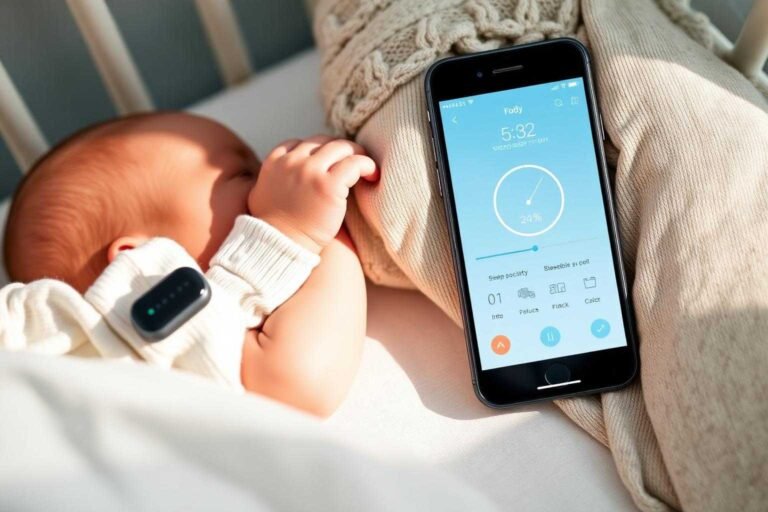
Some preterm babies go home with an apnea monitor or a pulse-oximeter. These devices watch breathing and heart rate. They are helpful tools, but they are not a guarantee and they are not a substitute for safe sleep.
Use the monitor exactly as your team shows you. Know which alarms mean “check the baby now” versus “reposition the sensor.” Keep the instruction sheet taped near the crib. If you are unsure about an alarm, call your pediatrician or the discharge nurse line.
Consumer “wellness” monitors sold online are not medical devices. They may give peace of mind, but there is no evidence they lower SIDS risk. Never let one replace the basic safe sleep rules.
Safety reminders
- Always place your baby on the back for sleep.
- Use a firm, flat, level surface that meets safety standards.
- Keep the crib bare: no bumpers, loose bedding, pillows, or positioners.
- Do not bed share, especially on a couch, soft armchair, or cushion, where risk is dramatically higher.
- Avoid overheating. Keep the room 68–72°F and dress the baby in one extra layer, not a pile of blankets.
- No hats indoors once home; they trap heat.
- Keep the home and car smoke-free.
- Check sleep products for recalls before use.
When to Call Your Pediatrician
Contact your pediatrician or the neonatal follow-up team if you notice:
- Poor weight gain or trouble keeping feeds down after discharge.
- Fever in any infant, especially a young preterm baby — call promptly.
- Breathing changes: fast breathing, grunting, flaring nostrils, pauses, or blue lips.
- A high-pitched or weak cry that is unusual for your baby.
- Signs of dehydration: fewer wet diapers, no tears, dry mouth, sunken soft spot.
- Any alarm from a prescribed monitor that the team told you to report.
Trust your instincts. You know your baby best, and it is always reasonable to call with a concern.
FAQ
How is preemie safe sleep different from safe sleep for full-term babies?
The core rules are identical: back, alone, firm flat surface, bare crib. Preterm babies simply need closer attention to corrected age, feeding, weight gain, and any prescribed monitoring. Follow the discharge plan as the final word.
What is corrected age and when do I stop using it?
Corrected age is actual age minus weeks born early. Use it for sleep, milestones, and wake windows for about the first two years. After that, most preterm children have caught up and calendar age is fine.
Can a preterm baby with reflux sleep on an incline?
No. Inclined surfaces are not safe for sleep and do not treat reflux. Place your baby flat on the back. Talk with your pediatrician about managing reflux during the day.
Should I keep using the apnea monitor at night forever?
No. The monitor is used for a defined period set by your care team. Follow their weaning plan. The monitor watches breathing but does not replace safe sleep practices.
When can my preterm baby room share end?
Aim to room share (not bed share) for at least six months, and longer if it suits your family. The baby should always have their own safe sleep surface.
Common myths about preterm safe sleep
A few myths cause confusion for preterm families. Knowing the facts keeps your baby safer.
See also: Baby Rolls in Sleep and Gets Stuck.
Myth: “Preemies should sleep on the stomach because that is how they were in the NICU.” Fact: prone (stomach) care in the hospital happens only under constant monitoring for specific medical reasons. At home, once your baby is stable, every sleep is on the back. Stomach sleeping at home raises risk and should not continue.
Myth: “A preemie needs extra blankets to stay warm.” Fact: overheating is a risk, and loose bedding is unsafe under 12 months. A sleep sack rated for the room temperature keeps your baby warm without loose items that can cover the face.
Myth: “If the apnea monitor alarms, the baby is in danger.” Fact: monitors alarm for many reasons, including a loose sensor or a wiggly baby. Learn your team’s instructions for each alarm type. A monitor watches breathing but never replaces safe sleep.
Myth: “Corrected age does not matter after a few months.” Fact: keep using corrected age for sleep and milestones for about the first two years, or as your team advises. It prevents pushing schedules your baby is not ready for.
Preemie sleep and childcare
If your corrected-age baby attends childcare, share your written safe sleep plan with the providers. Many sleep-related infant deaths occur in childcare when babies are placed on the stomach or with unsafe bedding. Include corrected age, feeding needs, and any monitor instructions so every caregiver follows the same rules. Visit the room if you can and confirm the sleep space is bare and flat.
Caring for the parents
Safe sleep is easier when parents are rested. Share night duties, nap when you can, and let a partner, family member, or friend handle a feeding or two. A severely tired parent is more likely to doze with the baby on a couch or soft surface, which is the most dangerous sleep location of all. Protect your own sleep so you can protect your baby’s.
Signs your setup is working
You are on track when your baby sleeps on the back in a bare, firm, flat space; the room stays 68–72°F; the chest feels warm and dry; feeds and weight gain follow the plan; and any prescribed monitor is used exactly as taught. Small variations are normal. When in doubt, call your pediatrician.
Common Myths vs Facts
- Myth: “A tired baby will fall asleep anywhere.” Fact: Overtired babies make more cortisol, which fragments sleep.
- Myth: “A later bedtime always means a longer night.” Fact: Only if anchored to the baby’s true sleep need; too late backfires.
- Myth: “One rough night means failure.” Fact: Judge progress across 1–2 weeks, not a single night.
- Myth: “You must sleep-train.” Fact: Consistency, a dark room, and gentle boundaries resolve many issues without formal training.
If Nothing Works After Two Weeks
- Re-check total daytime sleep (too much or too little both fragment nights).
- Confirm the room is genuinely dark and quiet until your chosen wake time.
- Review the last nap’s timing so it does not steal the night.
- Rule out discomfort: illness, teething, reflux, ear pain, growth spurt.
- Call your pediatrician for a brief check to exclude underlying issues.
- Room Sharing With Your Baby
- Newborn Sleeping Too Much
- Best Baby Room Temperature for Sleep
- American Academy of Pediatrics — A Parent’s Guide to Safe Sleep
- NICHD Safe to Sleep — Safe Sleep Environment
- CDC — About Sudden Unexpected Infant Death
- World Health Organization — Newborn Care
About the author
Dr. Michael Anderson, MD (Pediatrics) is a board-certified pediatrician on the ChildBloom medical panel, focusing on infant sleep, safe sleep environments, and responsive routines. This article was medically reviewed and approved by Dr. Ahmad Raza, MD (Pediatrics) against current AAP safe-sleep guidance. Read our editorial and review standards.
This guide is general education, not a diagnosis. If you are worried about your baby’s breathing, feeding, growth, or sleep, contact your pediatrician. For any breathing emergency, call emergency services immediately.
Related ChildBloom Guides
- Start here: Safe Sleep Checklist: Room Sharing, Firm Mattresses & SIDS Preventi
- Is a Baby Lounger Safe for Sleep
- Room Sharing vs Separate Nursery
- Crib Bumpers & Weighted Sacks
- Baby Choking Hazards: Prevention and Safer Mealtimes
- Bassinet Weight and Rolling Limits
- Browse all Sleep & Nursery guides
References & Medical Sources
- NICHD Safe to Sleep: safe sleep environment
- AAP parent guide to safe sleep
- CPSC safe sleep and crib product rules
- CDC data on SUID and SIDS
Reviewed by the ChildBloom pediatric panel. Learn about our physicians on the About page. This article is educational and does not replace your child’s clinician.