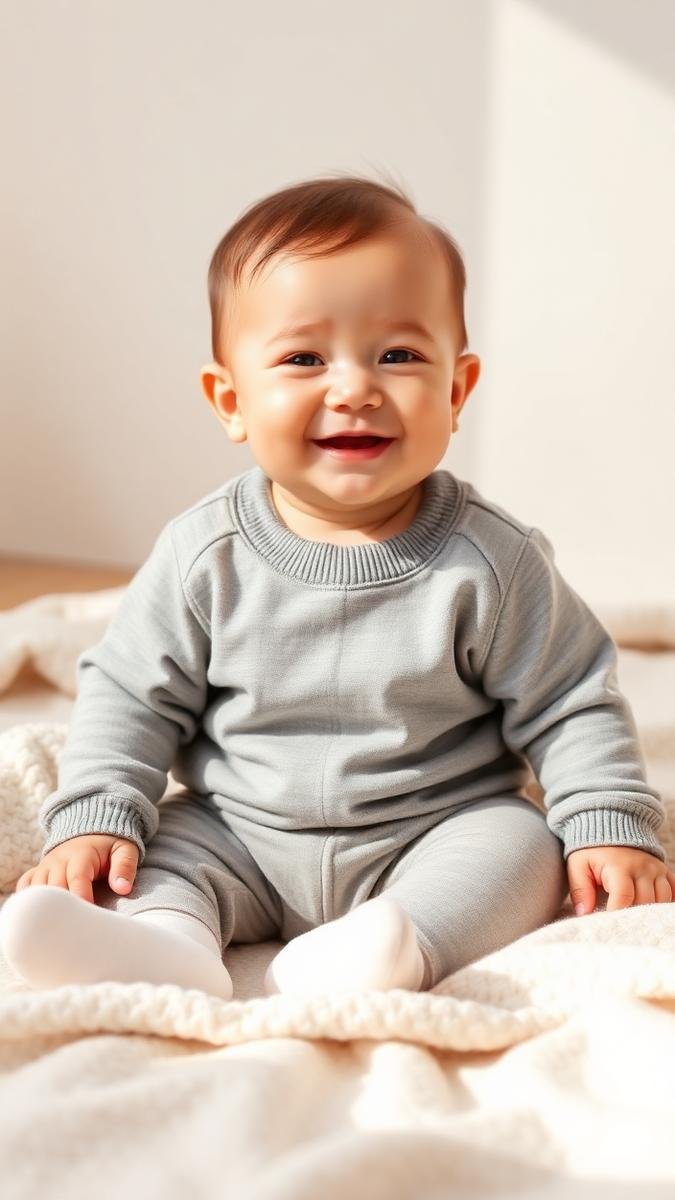
Baby Clothing Guide: A Pediatrician’s Guide to Safe Fabrics & TOG
Medically reviewed by Dr. Ahmad Raza, MD (Pediatrics) — ChildBloom Medical Review Panel. Last updated: August 4, 2026.
Editorial & affiliate disclosure: our guidance is written and reviewed by clinicians. ChildBloom may earn a commission from qualifying purchases made through links on this page, which never changes what our pediatric reviewers recommend.
Looking for clear answers about baby clothing guide? This pediatrician-reviewed guide covers what matters, what to skip, the safety checks that count, and exactly when to involve your doctor — based on current AAP, CDC and CPSC guidance on baby clothing guide.
Quick pediatrician summary: baby clothing guide
Short answer: A pediatrician explains baby clothing guide: what is normal, the real risks, red flags to watch for and exactly when to call your doctor.
Baby clothing seems like a simple topic. Buy cute outfits, dress the baby, done. But the reality is more complex. The fabric your baby wears touches every square inch of their skin — skin that is thinner, more permeable, and more reactive than yours. The thermal properties of clothing affect your baby’s body temperature regulation — which is directly linked to SIDS risk. The fire safety of sleepwear is regulated by federal law for a reason. And the sun protection that clothing provides is the single most effective strategy for babies under 6 months, who cannot wear sunscreen.
This guide covers the full picture: fabric science, thermal regulation, fire safety, sun protection, and the certifications and labels that actually mean something. Every recommendation is grounded in dermatological science, pediatric safety guidelines, and textile engineering — not marketing.
SECTION 1: WHY BABY CLOTHING IS NOT JUST ABOUT CUTENESS
1.1 Baby Skin Is Different
Infant skin is approximately 20-30% thinner than adult skin. This means:
- Chemicals in fabric dyes, finishes, and residual processing agents are absorbed more readily.
- Friction from rough fabrics causes more irritation.
- The skin’s barrier function is less mature, making it more susceptible to moisture loss and irritant penetration.
- The immune system in the skin is more reactive, increasing the risk of contact dermatitis.
1.2 Temperature Regulation Is Critical
Babies have a higher surface-area-to-mass ratio than adults, which means they lose heat faster. But they also cannot sweat effectively. Overheating is a recognized risk factor for SIDS. The AAP recommends keeping the baby’s sleeping environment at 68-72°F (20-22°C).
1.3 Fire Safety Is Regulated for a Reason
The CPSC has specific flammability standards for children’s sleepwear. Understanding these regulations will help you choose sleepwear that is both safe and practical.
SECTION 2: FABRIC SCIENCE — WHAT TO WEAR AND WHAT TO AVOID
2.1 The Best Fabrics for Baby Skin
ORGANIC COTTON: Grown without synthetic pesticides. Processed without harsh chemicals. Certified by GOTS. The best choice for babies with sensitive skin or eczema.
BAMBOO VISCOSE: Extremely soft, moisture-wicking, thermoregulating. But the manufacturing process involves harsh chemicals.
MERINO WOOL: Excellent thermoregulation, naturally fire-resistant. Great for outerwear and sleep sacks.
2.2 Fabrics to Avoid
- POLYESTER: Not breathable. Traps heat and moisture. Can worsen eczema.
- FABRICS WITH CHEMICAL FINISHES: “Wrinkle-free,” “stain-resistant” finishes often contain formaldehyde or PFAS.
SECTION 3: CERTIFICATIONS THAT ACTUALLY MATTER
GOTS: The gold standard for organic textiles. Certifies organic fiber content AND chemical-free processing.
OEKO-TEX Standard 100 Class I: Tests finished products for 300+ harmful substances. Strictest category for babies.
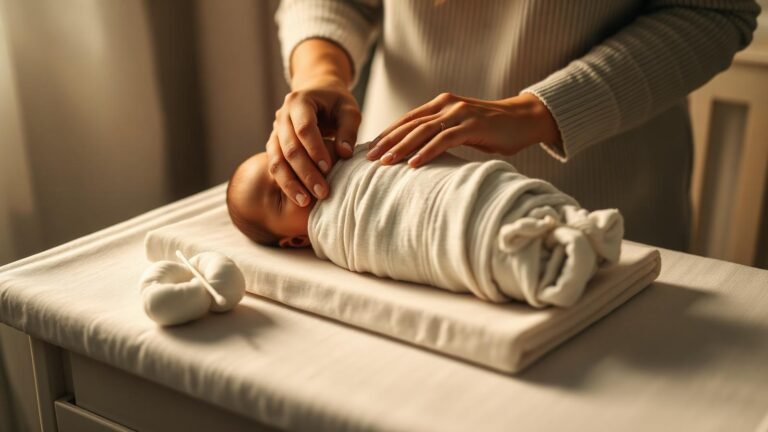
SECTION 4: DRESSING FOR SLEEP — THE TOG SYSTEM
| TOG | Temperature | Best For |
|---|---|---|
| 0.5 | 75°F+ | Hot summer nights |
| 1.0 | 68-75°F | Warm rooms |
| 2.5 | 61-68°F | Cool rooms, winter |
| 3.5 | Below 61°F | Cold rooms |
See: How to Dress a Newborn for Sleep: The TOG Rating System Explained
SECTION 5: FIRE SAFETY IN BABY SLEEPWEAR
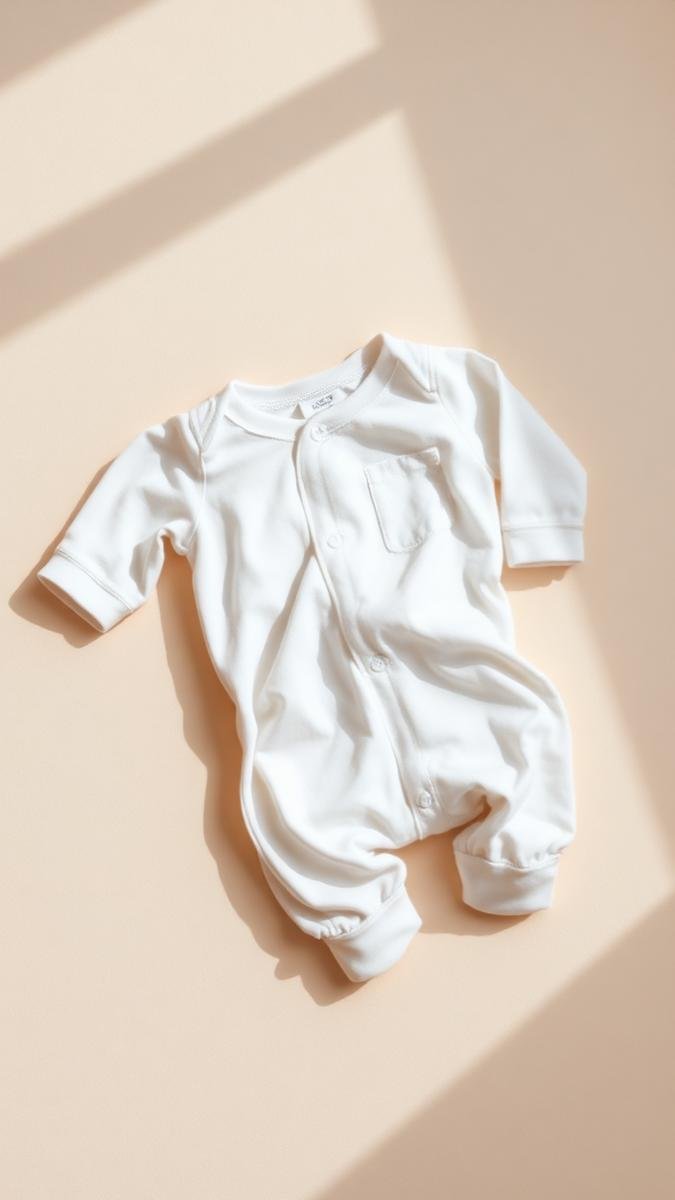
The CPSC requires children’s sleepwear to either be flame-resistant OR snug-fitting. The AAP recommends snug-fitting as the preferred option — equivalent fire safety without chemical exposure.
See: Baby Clothing Fire Safety: Flame Retardants vs. Snug-Fit Pajamas
SECTION 6: SUN PROTECTION
The AAP advises against sunscreen for babies under 6 months. UPF 50+ clothing blocks 98% of UV rays. Wide-brimmed hats and shade provide additional protection.
See: Baby Sun Protection: Why Sunscreen Isn’t Enough for Under 6 Months
SECTION 7: DEEP-DIVE ARTICLES
- Organic vs. Regular Cotton for Babies
- The TOG Rating System Explained
- Flame Retardants vs. Snug-Fit Pajamas
- Dressing Baby in Winter
- Baby Sun Protection
SECTION 8: RECOMMENDED PRODUCTS
BEST ORGANIC BABY CLOTHING — See our top picks →
BEST SLEEP SACKS BY TOG — See our top picks →
BEST UPF SUN PROTECTION — See our top picks →
SECTION 9: KEY TAKEAWAYS
- Baby skin is thinner and more permeable. Choose soft, breathable, chemical-free materials.
- GOTS-certified organic cotton is the gold standard. OEKO-TEX Class I is the minimum.
- Use the TOG system to match sleepwear to room temperature. Check the baby’s chest.
- Choose snug-fitting over flame-retardant-treated sleepwear.
- For babies under 6 months, UPF clothing and shade are primary sun protection.
MEDICAL DISCLAIMER: This article is for informational purposes only and does not constitute medical advice. Always consult your pediatrician for guidance on your child’s specific needs.
Related Resources
Explore more pediatrician-reviewed guidance from ChildBloom:
- Baby Sun Protection: Why Sunscreen Isn’t Enough for Under 6 Months
- Dressing Baby in Winter: Layers, Overheating Signs & Frostbite Prevention
- Baby Clothing Fire Safety: Flame Retardants vs. Snug-Fit Pajamas
- How to Dress a Newborn for Sleep: The TOG Rating System Explained
Authoritative External Sources
Frequently Asked Questions
Q: When should I call the pediatrician?
A: Call immediately for: fever in a baby under 3 months, difficulty breathing, signs of dehydration (no wet diapers for 8+ hours, no tears when crying), lethargy or difficulty waking, a rash that doesn’t fade when pressed, or if your baby seems to be getting worse. For non-urgent concerns, call during business hours.
Q: How do I know if my baby is developing normally?
A: Development varies widely, but babies should show progressive gains in motor skills, social interaction, and communication. If your baby isn’t meeting multiple milestones or is losing skills they once had, discuss with your pediatrician. Early intervention is highly effective if there are delays.
Q: What products do I really need for my baby?
A: The essentials are: a correctly installed car seat, a safe sleep space (crib or bassinet with firm mattress), diapers and wipes, appropriate clothing, and a digital thermometer. Beyond these, focus on products that address specific needs rather than marketing claims. Always prioritize safety certifications over features.
Related Articles
- Organic vs. Regular Cotton for Babies: Does It Matter?
- How to Dress Baby for Sleep: TOG Rating Explained
- Best Organic Baby Clothes for Eczema
- Best Baby Sleep Sacks by TOG Rating
- Baby Sleep Sack TOG Guide (2026) — A Pediatrician’s Chart
- Best Pacifier for Breastfed Baby (2026) — A Pediatrician’s Guide
- Baby Laundry Detergent: Do You Really Need a “Sensitive Skin” Formula? A Pediatrician’s Ingredient Analysis
Clinical Pearl: What the Research Actually Says
One of the most valuable skills a parent can develop is the ability to evaluate health information critically. In the age of social media and parenting influencers, misinformation about child health spreads faster than evidence-based guidance. When you encounter a new parenting recommendation — whether about sleep, feeding, development, or safety — ask yourself three questions: Who is making this recommendation and what are their credentials? Is the recommendation supported by peer-reviewed research or is it based on anecdote and tradition? Does the recommendation align with guidance from major medical organizations like the American Academy of Pediatrics, the Centers for Disease Control and Prevention, or the World Health Organization? If a recommendation contradicts established medical guidance, it should be viewed with skepticism, regardless of how compelling the testimonial may be. When in doubt, bring what you have read or heard to your pediatrician. We are trained to help you separate evidence from anecdote and to make decisions that are right for your individual child.
📖 More from the Health & Safety Hub: your A-Z pediatrician guide to baby health, common illnesses, fevers, rashes, allergies, safety
Organic vs. Conventional Baby Clothing: What Matters
Organic cotton is grown without synthetic pesticides, making it a good choice for babies with sensitive skin or eczema. Conventional cotton is more affordable and widely available. For everyday use, washing new clothes thoroughly before wear removes most chemical residues from manufacturing. Prioritize organic for items worn directly against your baby’s skin for long periods — pajamas, onesies, and undershirts — and save conventional options for outer layers and occasional wear.
When to Call Your Pediatrician
While most fevers in children are harmless and resolve on their own, you should contact your pediatrician if:
- Your infant is under 3 months old with a rectal temperature of 100.4°F (38°C) or higher
- Fever persists beyond 3 days
- Your child is unusually irritable, confused, or difficult to wake
- There are signs of dehydration (dry mouth, no tears, fewer wet diapers than usual)
- The fever is accompanied by a stiff neck, severe headache, or rash
- Your child has a seizure (febrile seizure)
- You simply feel something is wrong — trust your instincts
When in doubt, call your pediatrician. It is always better to err on the side of caution.
Safety Considerations and Red Flags
Parents should be aware of the following safety considerations when managing their child’s health at home:
- Never ignore persistent or worsening symptoms
- Keep emergency numbers (pediatrician, poison control, emergency services) readily accessible
- Follow medication dosing instructions precisely — never estimate or use household spoons
- Trust your gut: if you feel something is seriously wrong, seek medical attention immediately
Essential Safety Practices
Keeping your baby safe is the highest priority of infant care. Many common injuries are preventable with awareness of age-appropriate risks and consistent safety practices.
Safe Sleep Environment
The safest sleep environment is a firm, flat mattress in a crib or bassinet with a tight-fitting sheet and nothing else — no blankets, pillows, bumpers, stuffed animals, or sleep positioners. Room-sharing (baby sleeps in the parent’s room) is recommended for the first 6 months but bed-sharing is not. Always place your baby on their back for every sleep, including naps.
Preventing Falls and Injuries
Never leave a baby unattended on elevated surfaces like changing tables, beds, or sofas — falls can happen in seconds. Install baby gates at the top and bottom of stairs once your baby begins to crawl. Secure heavy furniture, TVs, and bookshelves to walls with anti-tip anchors. Keep window blind cords and curtain pulls out of reach to prevent strangulation.
Emergency Preparedness for Parents
Creating a Family Emergency Plan
Every family should have an emergency plan. Post emergency numbers (pediatrician, poison control, emergency contacts) visibly in your home and save them in your phone. Learn infant CPR and choking rescue — classes are available through the American Red Cross, American Heart Association, and many local hospitals. Keep a well-stocked first aid kit accessible but out of children’s reach. Know your home’s address and the fastest route to your nearest emergency room.
Water Safety
Drowning is the leading cause of injury-related death in children ages 1-4. Never leave a baby or young child unattended near any water source — bathtubs, buckets, kiddie pools, toilets, or swimming pools. Empty all water containers immediately after use. Install four-sided pool fencing with a self-latching gate if you have a pool. Learn CPR specifically for infants and children. Water safety is not seasonal — vigilance is needed year-round, even during bath time.
Everyday Safety Checklist for Parents
Daily Safety Checks
Incorporate a quick safety scan into your daily routine. Check that crib hardware is tight and the mattress is at the correct height. Ensure all cleaning products and medications are in locked cabinets. Verify that window cords are tied up and out of reach. Test smoke and carbon monoxide detectors monthly. Check that the water heater is set to 120°F maximum. These quick checks take 2 minutes and prevent common household injuries.
Car Seat Safety on Every Trip
Before every car ride, do a quick harness check: the chest clip should be at armpit level, the harness should be snug (you cannot pinch any webbing at the shoulder), and the car seat should not move more than 1 inch at the belt path. Avoid bulky clothing under the harness. Never leave a child alone in a car, even for a minute. Rear-face as long as your car seat allows — the AAP recommends until at least age 2 or the maximum height/weight of the seat.
The Bottom Line
Baby Clothing Guide Safe Fabrics is a common concern for parents, and most of the time it resolves with simple home care and patience. As a pediatrician, I encourage parents to trust their instincts, stay informed with evidence-based resources, and maintain open communication with their healthcare provider. You know your child best — if something does not feel right, speak up. Every question you ask is valid, and every concern you raise helps us provide better care for your little one.
Frequently asked questions about baby clothing guide
Is baby clothing guide normal in babies?
Mild, short-lived episodes are common and usually settle with simple home care. It is not normal if your baby is feeding poorly, unusually sleepy, breathing fast, has a fever under 3 months of age, or the problem is getting worse instead of better.
When should I call the doctor about baby clothing guide?
Call the same day for fever in a baby under 3 months, breathing difficulty, repeated vomiting, dehydration signs such as very few wet diapers, unusual floppiness or a rash that does not fade with pressure. Trust your instinct — if something feels wrong, get your baby seen.
What can I safely do at home for baby clothing guide?
Focus on comfort, hydration, feeding and rest, and use only medicines and doses your pediatrician has approved for your baby’s age and weight. Avoid honey under 12 months, avoid over-the-counter cough and cold products under 6 years, and never give aspirin.
Common mistakes parents make with baby clothing guide
- Assuming a higher price means a safer or better-performing option — certification and correct fit matter far more.
- Skipping the instruction manual, weight limits and product registration, which is how recall notices reach you.
- Changing several things at once, so you cannot tell what actually helped your baby.
- Relying on advice from social media instead of your pediatrician when something feels off.
Related pediatrician-reviewed reading
- The Pediatrician’s Guide to Baby Teething
- Best UPF 50+ Baby Sun Protection Clothing & Hats
- Baby Health & Safety A-Z
- Best Baby Nail Trimmers
- baby health & safety hub
References & further reading
Medical disclaimer: this article is for general education and does not replace individual medical advice. Always follow your own pediatrician’s guidance for your child.

2 Comments