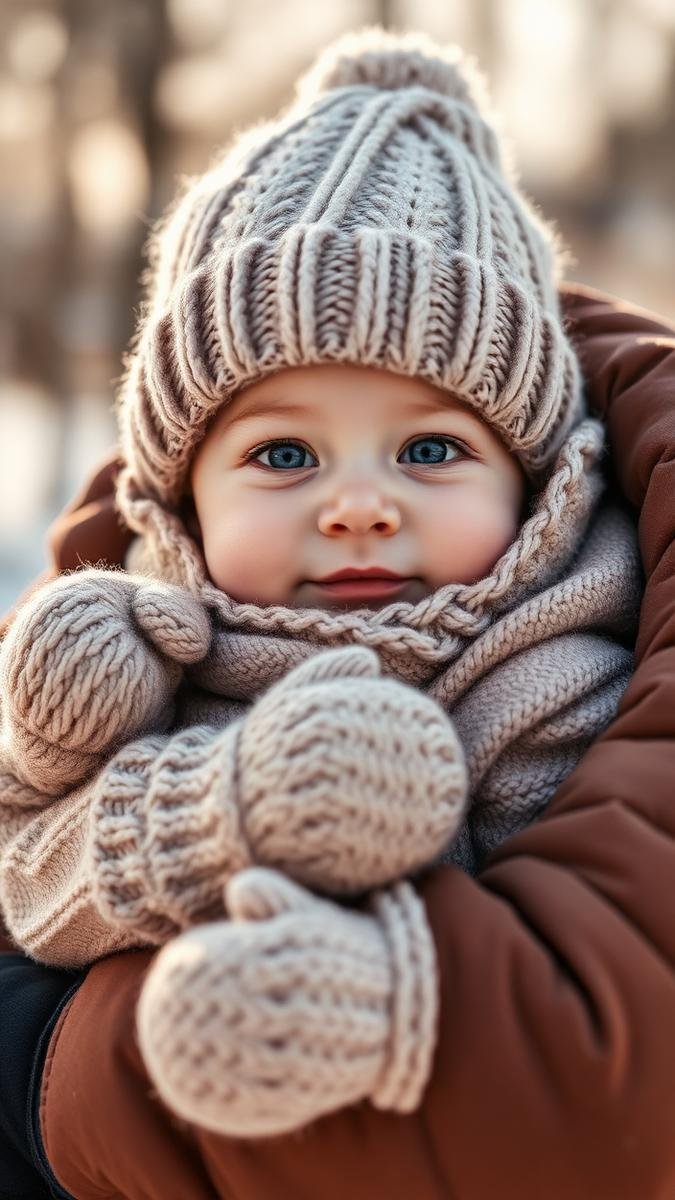
Dressing Baby in Winter: Layers, Overheating Signs & Frostbite Prevention
Medically reviewed by Dr. Ahmad Raza, MD (Pediatrics) — ChildBloom Medical Review Panel. Last updated: August 4, 2026.
Editorial & affiliate disclosure: our guidance is written and reviewed by clinicians. ChildBloom may earn a commission from qualifying purchases made through links on this page, which never changes what our pediatric reviewers recommend.
Looking for clear answers about dressing baby in winter? This pediatrician-reviewed guide covers what matters, what to skip, the safety checks that count, and exactly when to involve your doctor — based on current AAP, CDC and CPSC guidance on dressing baby in winter.
Quick pediatrician summary: dressing baby in winter
Short answer: A pediatrician explains dressing baby in winter: what is normal, the real risks, red flags to watch for and exactly when to call your doctor.
Winter with a newborn raises a specific set of questions: How do I dress the baby for outdoor walks? Can I put them in a car seat with a coat on? How do I know if they are too cold — or too warm? And what about frostbite — can babies get it?
The challenge with winter dressing is that you are balancing two risks: hypothermia (too cold) and overheating (too warm). Overheating is a SIDS risk factor during sleep, and it can also occur outdoors when babies are over-bundled in car seats and strollers.
PART 1: THE LAYERING SYSTEM
1.1 The “One More Layer Than You” Rule
This is a reasonable starting point. If you are comfortable in a sweater and jacket, the baby needs a sweater, jacket, and an additional layer. However, this rule has limitations — it does not account for the microclimate inside a stroller or car seat, or wind chill.
1.2 The Proper Layering System
BASE LAYER (against the skin):
- A soft, breathable, moisture-wicking fabric. Cotton is acceptable for short outings. Merino wool is superior for longer outings.
- Avoid polyester base layers (they trap moisture).
MIDDLE LAYER (insulation):
- A fleece or wool sweater, hoodie, or vest. This layer provides insulation by trapping warm air.
- Wool is the superior natural option.
OUTER LAYER (protection):
- A windproof and water-resistant jacket or bunting bag.
- For babies in strollers: A stroller footmuff or bunting bag provides full-body insulation.
- For babies in car seats: A coat or car-seat-safe blanket (see Part 3).
ACCESSORIES:
- Hat: Babies lose significant heat through their heads. A warm hat is essential.
- Mittens: Babies’ hands lose heat quickly. Mittens (not gloves) are important.
- Booties or warm socks.
- A blanket over the stroller or car seat for wind protection (ensure adequate ventilation).
PART 2: HOW TO CHECK IF THE BABY IS TOO COLD OR TOO WARM
2.1 Too Cold?
- Check the chest and back of the neck. If they feel cool, the baby needs another layer.
- Cold hands and feet are normal in babies. Cold hands alone do NOT mean the baby is too cold.
- Signs: Cool chest, pale or mottled skin, unusual quietness or lethargy.
2.2 Too Warm?
- Check the chest and back of the neck. If they feel hot or sweaty, the baby is too warm.
- Signs: Sweating, damp hair, flushed cheeks, heat rash, rapid breathing, restlessness.
- Overheating is more common than parents think — especially in car seats and strollers, where the microclimate can be 10-20 degrees warmer than outside air.
PART 3: CAR SEAT SAFETY WITH WINTER COATS
3.1 The Problem
Puffy winter coats and car seats do not mix. The bulk of a puffy coat compresses in a crash, creating slack in the harness. The harness that felt “tight enough” with the coat on is actually too loose in a collision.
3.2 The Solution
Option 1: Remove the coat before buckling. Buckle the baby in the base and middle layers. After buckling, place the coat or blanket OVER the harness.
Option 2: Use a car-seat-safe poncho or jacket. These are thin enough not to compress and create slack.
Option 3: Use a car seat cover. A cover over the entire car seat provides warmth without interfering with the harness. Ensure it does not restrict airflow.
3.3 The “Pinch Test”
After buckling (without a coat), pinch the harness at the shoulder. If you can pinch a fold in the webbing, the harness is too loose.
PART 4: FROSTBITE PREVENTION
4.1 Can Babies Get Frostbite?
Yes. Babies are at higher risk because their skin is thinner, they cannot communicate that they are cold, and they cannot remove themselves from the cold environment.
4.2 Frostbite Risk Factors
- Temperature below 32°F (0°C) with wind
- Prolonged exposure (more than 15-20 minutes in very cold conditions)
- Wet skin (moisture accelerates heat loss)
- Exposed skin (face, hands, ears)
4.3 Signs of Frostbite
- Skin that appears pale, white, or grayish
- Skin that feels unusually cold, hard, or waxy
- The baby seems distressed when the area is touched
- In severe cases: blisters or blackened skin (medical emergency)
4.4 Prevention
- Cover all exposed skin: hat, mittens, booties, and a face cover in very cold conditions.
- Limit outdoor time in extreme cold (below 20°F / -7°C with wind chill).
- Keep the baby dry — wet clothing dramatically increases heat loss.
- Check the baby’s face, ears, and hands frequently.
4.5 What to Do If You Suspect Frostbite
- Bring the baby indoors immediately.
- Warm the affected area gently with body heat.
- Do NOT rub the area or use hot water.
- If the skin is white, hard, or blistered, seek emergency medical care immediately.
PEDIATRICIAN’S TAKE
“Winter dressing is about balance. The most common mistake I see is over-bundling — parents put the baby in a puffy coat, a hat, mittens, booties, and a blanket, and then buckle them into a car seat or stroller. The microclimate inside the seat can be 20 degrees warmer than the outside air, and the baby overheats. The solution: dress in layers, check the chest for temperature, remove the coat before buckling the car seat harness, and limit outdoor time in extreme cold. And remember: cold hands are normal. Check the chest, not the fingers.”
WHEN TO CALL THE DOCTOR
- Signs of frostbite (pale, hard, or blistered skin)
- The baby is lethargic, unusually quiet, or difficult to wake in cold conditions (possible hypothermia)
- Body temperature below 95°F (35°C) — this is hypothermia and is a medical emergency
RELATED ARTICLES
- How to Dress a Newborn for Sleep: The TOG Rating System Explained
- Baby Sun Protection: Why Sunscreen Isn’t Enough for Under 6 Months
- What Your Baby Should Wear: A Pediatrician’s Guide
MEDICAL DISCLAIMER: This article is for informational purposes only and does not constitute medical advice. Always consult your pediatrician for guidance on your child’s specific needs.
Related Resources
Explore more pediatrician-reviewed guidance from ChildBloom:
- Baby Sun Protection: Why Sunscreen Isn’t Enough for Under 6 Months
- Baby Clothing Fire Safety: Flame Retardants vs. Snug-Fit Pajamas
- How to Dress a Newborn for Sleep: The TOG Rating System Explained
- Organic vs. Regular Cotton for Babies: Does the Fabric Really Matter?
Authoritative External Sources
Winter Dressing for Car Seat Safety
Dressing a baby for winter requires special attention to car seat safety. Bulky winter coats, snowsuits, and bunting bags can compress in a car crash, creating dangerous slack in the harness straps that can allow your baby to be ejected from the car seat. The rule is simple: never put your baby in a car seat wearing a bulky coat or snowsuit. Instead, dress your baby in thin, warm layers. Start with a thin cotton onesie, add a fleece bodysuit or sweater, and cover with a thin, fitted jacket or fleece. After buckling your baby snugly into the car seat with the harness straps tight against the chest, add a blanket or car seat cover over the top of the harness, not between the baby and the harness. To test whether a coat is too bulky for the car seat, put the coat on your baby, buckle the harness tight, and then remove the coat without loosening the harness. If the harness straps are still snug against your baby’s chest after removing the coat, the coat is safe to wear. If there is slack in the straps, the coat is too bulky. A properly fitted car seat harness should not allow you to pinch any extra webbing at the shoulder. Following these car seat safety guidelines keeps your baby warm and safe during winter travel.
Frequently Asked Questions
Q: When should I call the pediatrician?
A: Call immediately for: fever in a baby under 3 months, difficulty breathing, signs of dehydration (no wet diapers for 8+ hours, no tears when crying), lethargy or difficulty waking, a rash that doesn’t fade when pressed, or if your baby seems to be getting worse. For non-urgent concerns, call during business hours.
Q: How do I know if my baby is developing normally?
A: Development varies widely, but babies should show progressive gains in motor skills, social interaction, and communication. If your baby isn’t meeting multiple milestones or is losing skills they once had, discuss with your pediatrician. Early intervention is highly effective if there are delays.
Q: What products do I really need for my baby?
A: The essentials are: a correctly installed car seat, a safe sleep space (crib or bassinet with firm mattress), diapers and wipes, appropriate clothing, and a digital thermometer. Beyond these, focus on products that address specific needs rather than marketing claims. Always prioritize safety certifications over features.
Winter Footwear for Babies: When and What
Winter footwear for babies requires special consideration because babies do not need hard-soled shoes for foot development, but they do need protection from cold. For non-walking babies, warm footed pajamas, booties, or soft-soled shoes with grippy bottoms are sufficient for keeping feet warm. Avoid traditional hard-soled shoes for non-walking babies, as they can interfere with natural foot development and the sensory feedback babies need from their feet. For crawling babies who are exploring the floor, consider fleece booties with grippy bottoms that stay on and allow freedom of movement. For walking babies, look for soft, flexible, lightweight shoes with non-slip soles. The shoes should be wide enough to accommodate the natural shape of a baby foot and should have a flexible sole that allows the foot to move naturally. For outdoor play, look for waterproof or water-resistant options. Wet feet get cold much faster than dry feet, and keeping feet dry is essential for warmth. Avoid putting your baby in shoes that are too small or too tight, as this can restrict circulation and make feet colder. For very cold weather, consider wool or fleece socks under shoes for extra warmth. Check your baby feet regularly during outdoor time. If the feet feel cold to the touch, it is time to go inside or add another layer. A good rule is to dress your baby in one more layer than you would wear yourself, including on the feet. With proper footwear, your baby can enjoy winter outdoor time comfortably and safely.
📖 More from the Health & Safety Hub: your A-Z pediatrician guide to baby health, common illnesses, fevers, rashes, allergies, safety
Frequently asked questions about dressing baby in winter
Is dressing baby in winter normal in babies?
Mild, short-lived episodes are common and usually settle with simple home care. It is not normal if your baby is feeding poorly, unusually sleepy, breathing fast, has a fever under 3 months of age, or the problem is getting worse instead of better.
When should I call the doctor about dressing baby in winter?
Call the same day for fever in a baby under 3 months, breathing difficulty, repeated vomiting, dehydration signs such as very few wet diapers, unusual floppiness or a rash that does not fade with pressure. Trust your instinct — if something feels wrong, get your baby seen.
What can I safely do at home for dressing baby in winter?
Focus on comfort, hydration, feeding and rest, and use only medicines and doses your pediatrician has approved for your baby’s age and weight. Avoid honey under 12 months, avoid over-the-counter cough and cold products under 6 years, and never give aspirin.
Related pediatrician-reviewed reading
References & further reading
Medical disclaimer: this article is for general education and does not replace individual medical advice. Always follow your own pediatrician’s guidance for your child.

2 Comments