Weight Unit Converter (kg ↔ lb)
Weight Unit Converter (kg ↔ lb)
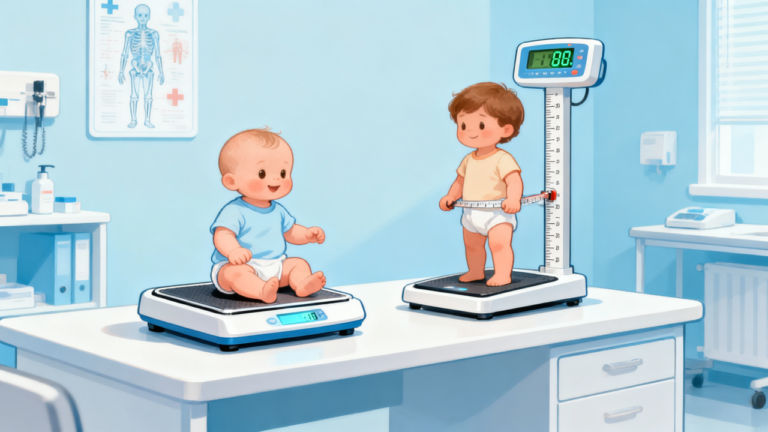
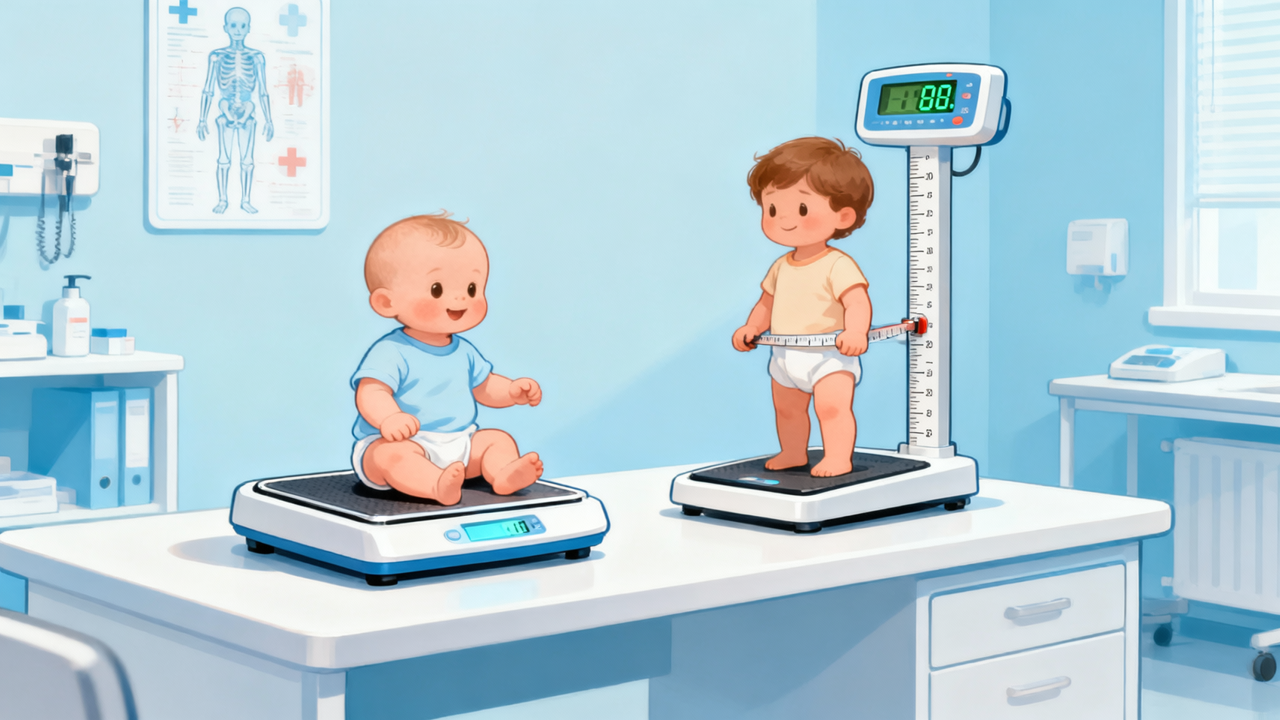
Weight unit conversion is frequently needed in pediatric care, where medical records and growth charts may use different measurement systems. WHO and CDC growth charts use kilograms, while many parents in the United States are more familiar with pounds and ounces.
The conversion factor: 1 kilogram = 2.20462 pounds, and 1 pound = 0.45359 kilograms. For medication dosing, always use the weight in kilograms — dosing in pounds can lead to serious medication errors.
Safety Warning: Medication dosing errors are one of the most common causes of harm in pediatrics. Always convert weight to kilograms before calculating doses. A dose calculated in pounds instead of kg would be 2.2 times too high.
Common Weight Conversions
| Kilograms | Pounds | Typical Age |
|---|---|---|
| 3.0 kg | 6.6 lb | Newborn |
| 5.0 kg | 11.0 lb | 3 months |
| 7.5 kg | 16.5 lb | 6-8 months |
| 9.5 kg | 20.9 lb | 1 year |
| 12.0 kg | 26.5 lb | 2 years |
| 18.0 kg | 39.7 lb | 5 years |
| 30.0 kg | 66.1 lb | 9 years |
| 40.0 kg | 88.2 lb | 12 years |
| 55.0 kg | 121.3 lb | 15 years |
Calculator
Weight Unit Converter
Weight-Based Medication Dosing
In pediatrics, most medications are dosed by weight (mg/kg). Common examples:
- Acetaminophen: 10-15 mg/kg per dose every 4-6 hours
- Ibuprofen: 5-10 mg/kg per dose every 6-8 hours
- Amoxicillin: 25-50 mg/kg/day divided every 8-12 hours
- Azithromycin: 10 mg/kg on day 1, then 5 mg/kg days 2-5
Example: A 15 kg child needs acetaminophen at 15 mg/kg = 225 mg per dose. If you mistakenly used 15 lb instead of 15 kg, the dose would be only 68 mg — far too low to be effective.
Frequently Asked Questions
How do you convert kilograms to pounds?
To convert kilograms to pounds, multiply by 2.20462. For example, 10 kg = 22.05 pounds. For quick mental math in clinical settings, multiply by 2.2. Always use kilograms for medication dosing to avoid conversion errors.
Why is weight-based medication dosing important in pediatrics?
Pediatric medication dosing is almost always weight-based (mg/kg) because children’s bodies process medications differently than adults. Using pounds instead of kilograms for dosing calculations can lead to serious medication errors — the dose would be more than double the correct amount.
What is the average weight for children by age?
Average weights: newborns 3.0-3.5 kg (6.6-7.7 lb), 6 months 7-8 kg (15-18 lb), 1 year 9-10 kg (20-22 lb), 5 years 18-20 kg (40-44 lb), 10 years 28-35 kg (62-77 lb). Always compare to growth charts for accurate assessment.
Should I use kg or lb for my child’s medication dose?
Always use kilograms (kg) for medication dosing. The conversion factor is 1 kg = 2.2 lb. Using pounds can cause dangerous dosing errors. If your doctor gives a dose in mg/kg, convert your child’s weight to kg first using this calculator.