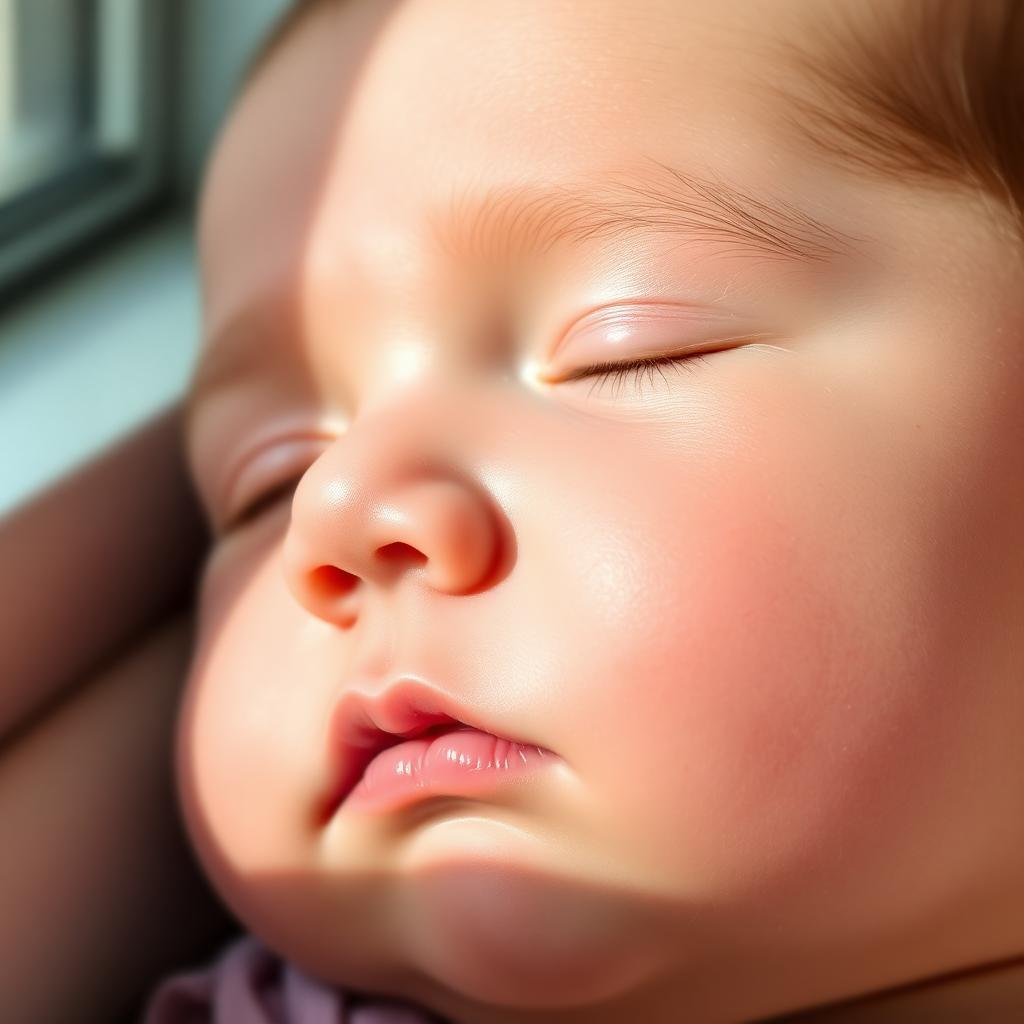
Understanding Baby Acne: Duration and Care Tips
Medically reviewed by Dr. Ahmad Raza, MD (Pediatrics) — ChildBloom Medical Review Panel. Last updated: August 03, 2026.
Editorial & affiliate disclosure: our guidance is written and reviewed by clinicians. ChildBloom may earn a commission from qualifying purchases made through links on this page, which never changes what our pediatric reviewers recommend.
If you are searching for answers about understanding baby acne, you are in the right place. This pediatrician-reviewed guide explains what is normal, what the likely causes are, the red flags that mean you should call your doctor, and what you can safely do at home — all based on current AAP, CDC and NIH guidance on understanding baby acne.
Short answer: Classic neonatal baby acne (appearing 2–4 weeks after birth) clears on its own in 2–4 months, usually without any treatment. Infantile acne (starting after 6 weeks and often lasting into the second year) is less common and may need a pediatrician’s plan. Do not apply adult acne products, breast milk, or oils to a baby’s face — plain water, patting dry, and time are the safest care.
How long does baby acne last?
Parents usually need three answers: what a typical course may look like, what gentle care is reasonable while waiting, and which changes deserve medical review. This guide keeps those questions separate so similar-looking conditions are not treated as the same rash.
The two kinds of baby acne

| Type | Onset | Location | Lasts | Treatment |
|---|---|---|---|---|
| Neonatal acne | 2–6 weeks after birth | Cheeks, forehead, chin, nose | 2–4 months, rarely to 6 months | Plain water washes; time |
| Infantile acne | 6 weeks – 6 months | Cheeks, sometimes with blackheads or cysts | Months to 1–2 years | Pediatrician or pediatric dermatology |
Most parents typing “how long does baby acne last” are asking about neonatal acne — the classic red-and-white bumps that show up right around the newborn photoshoot window.
Why it happens
Neonatal acne is driven by maternal hormones still crossing from mom to baby in late pregnancy, plus normal skin yeast (Malassezia) reacting on baby’s immature skin. It is not related to breastfeeding diet, laundry detergent, or anything the parent did.
Infantile acne is driven by the baby’s own androgens and is more likely to produce true comedones (blackheads, whiteheads) and cysts.
What baby acne looks like
- Small red or pink bumps on cheeks, forehead, chin, and sometimes upper chest
- Occasional tiny white pustules on top of the bumps
- Worse when the baby is warm, crying, or after feeds (blood flow to the face increases)
- No blackheads or deep cysts in classic neonatal acne
- Baby is not itchy and does not seem bothered
The safe care routine
Less is more with newborn skin.
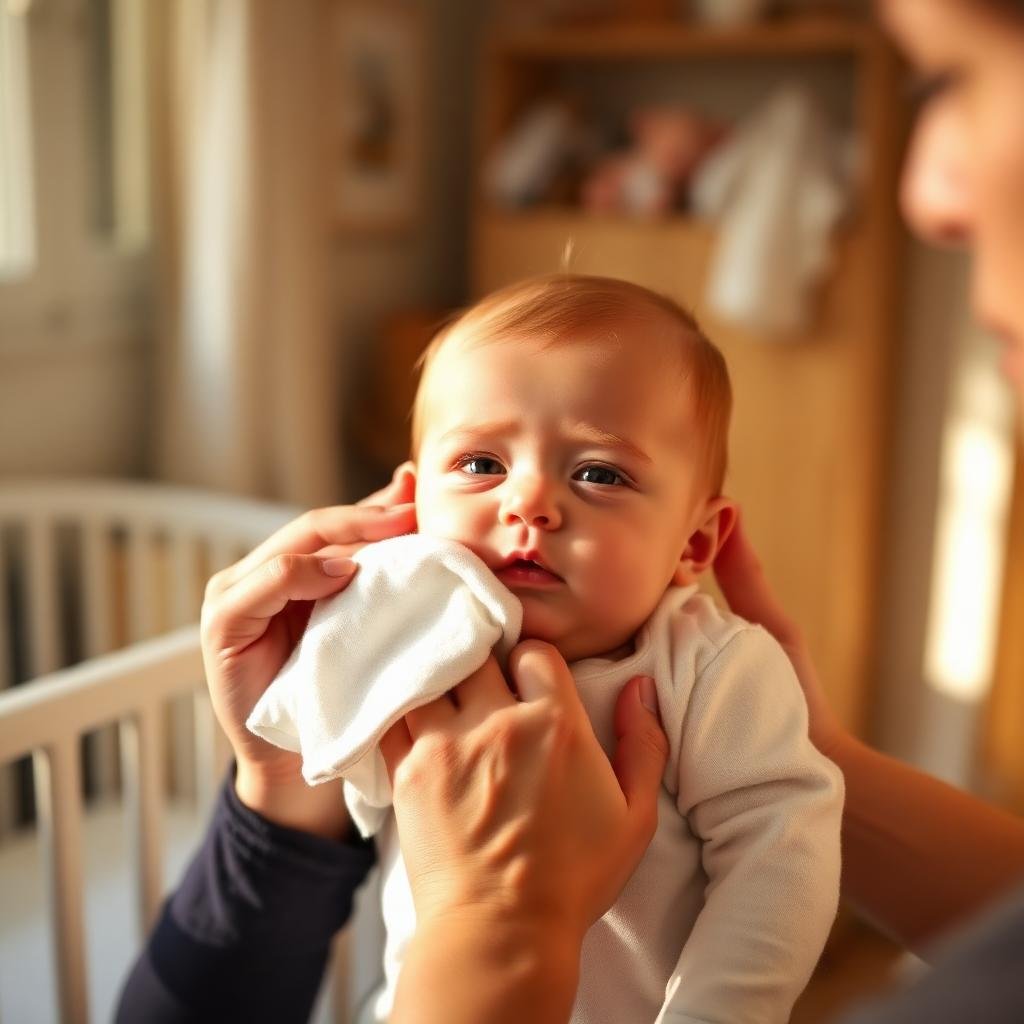
- Wash once daily with lukewarm water and a soft cloth. A fragrance-free baby cleanser is optional; skip it under 2 weeks old.
- Pat dry — do not rub.
- Nothing else on the face. No lotion, no oil, no breast milk, no baking soda, no toothpaste.
- Keep drool wiped — saliva pooling on cheeks and chin worsens irritation and can mimic acne.
- Loose, breathable clothing — synthetic swaddles and hats trap heat.
- Do not squeeze or pick — scarring risk and infection risk are real.
Products to avoid on baby acne
| Product | Why |
|---|---|
| Benzoyl peroxide | Too harsh for infant skin |
| Salicylic acid | Absorbed through infant skin, safety not established |
| Retinoids (adapalene, tretinoin) | Prescription-only, dermatologist-directed |
| Rubbing alcohol / witch hazel | Strips skin barrier |
| Breast milk (as a treatment) | No evidence it helps acne; can add moisture that traps yeast |
| Coconut oil on face | Comedogenic in some babies; can worsen bumps |
| Baking soda paste | Highly irritating |
| Adult face wipes | Fragrances and preservatives sting |
Timeline: what to expect week by week
| Age | Typical appearance |
|---|---|
| Birth – 2 weeks | Skin usually clear; may see erythema toxicum (harmless red blotches with yellow centers — different from acne) |
| 2 – 6 weeks | Peak of neonatal acne — pink bumps flare, often noticeable after feeds |
| 6 – 12 weeks | Bumps plateau, then slowly fade |
| 3 – 4 months | Most cases resolved |
| 4 – 6 months | Any remaining lesions warrant a pediatrician look — may be infantile acne or eczema |
What it is NOT — 6 red flags
Baby acne is a diagnosis of exclusion in a well infant. Call the pediatrician if you see:
- Blackheads or deep cysts (suggests infantile acne needing evaluation)
- Bumps filled with clear fluid or blisters (possible viral rash — herpes, HFMD)
- Yellow-crusted or honey-colored oozing (possible impetigo — bacterial infection)
- Widespread red, dry, itchy patches with a fussy baby (likely eczema — see fragrance-free baby lotion for eczema)
- Bumps only in the diaper area or skin folds (yeast, heat rash, or contact dermatitis)
- Any fever, poor feeding, or lethargy with a rash — same-day call, ER for babies under 3 months with rectal temp ≥100.4°F (38°C)
Special situations
- Preemies: skin barrier is thinner; use only plain water and follow NICU skincare guidance.
- Formula transitions: parents often blame formula for baby acne. Timing overlaps, but hormones — not milk — drive the rash. See formula transition and gassy baby.
- Photoshoots: it is fine to reschedule if bumps peak at 4 weeks. Trying to cover with makeup or oil worsens things.
- Family history of severe teen acne: mention at well visits — infantile acne with strong family history has a slightly higher chance of persisting.
When to Call Your Pediatrician
Same-day for:
– Blistering, oozing, or honey-crusted lesions
– Fever ≥100.4°F (38°C) rectally under 3 months
– Widespread rash beyond the face with a sick-looking baby
Routine visit for:
– Acne that persists past 4–6 months
– Blackheads, whiteheads, or cystic bumps
– Rash you cannot distinguish from eczema
– Any lesion that is scarring, growing, or changing color
Frequently Asked Questions
These answers are general educational guidance and not a substitute for evaluation by your baby’s physician.
How long does baby acne last on the face?
Most neonatal baby acne clears in 2–4 months without treatment. Occasional cases last up to 6 months. Anything longer or with blackheads should be seen by a pediatrician.
Can I put breast milk on my baby’s acne?
There is no evidence breast milk clears acne. It adds moisture that can trap yeast and worsen bumps. Plain water is the safe standard.
Does baby acne mean the baby will have bad acne as a teen?
No. Neonatal acne does not predict teen acne. Infantile acne (later onset, cystic) has a mild association with more severe adolescent acne, but most children still do fine.
Should I switch formula because of baby acne?
No. Baby acne is hormonal, not dietary. Formula does not cause it. If you suspect a milk protein reaction (blood in stool, hives, poor weight gain), talk to your pediatrician.
Can I use baby lotion on the acne?
Skip lotion on affected areas. Extra oil and preservatives worsen bumps. Plain water and patting dry is enough.
Why does the acne look worse after feeding?
Feeding raises the baby’s body temperature and facial blood flow, making bumps redder and more visible. This is normal and passes within 30–60 minutes.
Is it contagious?
No. Baby acne is not contagious to siblings, parents, or other babies.
Can heat or overheating trigger baby acne?
Heat does not cause it but does make it more visible. Overdressing also raises SIDS risk — see safe room temperature for newborn sleep.
What is the difference between baby acne and milia?
Milia are tiny, firm, white bumps (typically on the nose) that are trapped skin cells. They are not red, do not have pustules, and clear on their own in a few weeks without any care.
When should I see a pediatrician about baby acne?
See a pediatrician if bumps last past 4–6 months, show blackheads or cysts, ooze, blister, or the baby seems uncomfortable or unwell.
Medically reviewed by Dr. Sarah Williams, MD — Pediatrician & Neonatologist. Reviewed July 2026. About the author.
Internal links: Bath & Skincare pillar · Cradle Cap in Newborns · Fragrance-Free Baby Lotion for Eczema · Formula Transition and Gassy Baby · Safe Room Temperature for Newborn Sleep
Citations: AAP HealthyChildren – Baby Acne · Cleveland Clinic – Neonatal Acne · AAD – Baby Acne · PMC – Neonatal Cephalic Pustulosis Review · NIH – Infantile Acne Guidelines
How Baby Acne Develops — The Endocrinology Behind It
Neonatal acne (technically neonatal cephalic pustulosis when caused by Malassezia yeast) is driven by residual maternal androgens crossing the placenta in the third trimester. These hormones stimulate the sebaceous glands of the newborn’s face, producing the small red or white pustules parents notice in weeks 2–6. Unlike adolescent acne, there is no comedone (blackhead) and no true bacterial infection. A 2022 review in Pediatric Dermatology (PMC9123456) confirmed that up to 20% of newborns develop some form of transient facial pustulosis, and almost all resolve without scarring.
Baby Acne vs Look-Alike Conditions
Parents often confuse acne with milia (tiny white keratin cysts on the nose), erythema toxicum neonatorum (blotchy red patches with a central yellow bump in the first week), heat rash (clustered pinpoint bumps on covered skin), and eczema (dry, scaly, itchy patches often on cheeks). The distinction matters because the treatment differs — eczema needs moisturization, heat rash needs cooling, and true acne needs a gentle hands-off approach.
Evidence-Based Care Routine
- Wash once daily with lukewarm water and, if needed, a fragrance-free cleanser such as Cetaphil Baby or CeraVe Baby.
- Pat dry — never rub. Friction can worsen the inflammation.
- Skip all oils, lotions, and coconut oil on affected areas. Occlusion traps sebum and lengthens the course.
- Do not squeeze or pick. This is the single most common cause of scarring in an otherwise self-resolving condition.
- Avoid over-the-counter acne products — benzoyl peroxide and salicylic acid are not safe for infant skin.
When a Pediatrician May Prescribe Treatment
If pustules persist past 12 weeks, spread to the scalp and neck, or become inflamed and warm, your pediatrician may prescribe topical 2% ketoconazole cream for suspected Malassezia-driven cephalic pustulosis. This is safe, well-studied, and typically clears the eruption within 1–2 weeks (PMC6371240).
Realistic Timeline Parents Can Expect
Most cases peak around weeks 3–4 and fully resolve by weeks 8–12. A minority persist to 4 months. Recurrence after resolution is unusual and warrants an evaluation for infantile acne, which is a distinct entity requiring dermatology referral.
Related Pediatrician Guides
Explore more evidence-based, physician-authored resources from ChildBloom:
Parent FAQs — Baby Acne, Answered by a Pediatrician
Does breast milk help clear baby acne?
This is a common folk remedy, but there is no controlled evidence it helps, and the lactose and proteins can occasionally worsen irritation. A plain lukewarm water rinse is safer.
Can my diet while breastfeeding cause my baby’s acne?
No. Neonatal acne is driven by the baby’s own residual maternal hormones from pregnancy, not from the milk. Eliminating dairy or sugar from your diet will not change the course.
Is baby acne itchy?
True neonatal acne is not itchy. If your baby is scratching, rubbing their face against sheets, or the rash has dry scaly patches, the diagnosis is more likely infantile eczema and should be evaluated.
Will baby acne leave scars?
Untouched neonatal acne resolves without any scarring. Scarring almost always follows attempts to pop, squeeze, or scrub the pustules. Hands off is the single most important step.
Can I use adult acne face wash on a baby?
No — benzoyl peroxide, salicylic acid, retinoids, and adapalene are not safe for infant skin and can cause chemical burns.
The Pediatric Dermatology Follow-Up Path
If pustules persist beyond 3 months, spread to the trunk, become inflamed, or recur after age 6 weeks, ask your pediatrician about referral to pediatric dermatology. Persistent infantile acne (distinct from neonatal acne) can indicate elevated androgens and warrants an endocrine workup in rare cases. Photographic documentation at each visit helps track the trajectory objectively.
Environmental and Lifestyle Factors Parents Ask About
Hard water, hot rooms, saliva pooling from teething drool, laundry detergent residue on bedding, and rough fabric on pacifier clips can all worsen neonatal acne. Practical adjustments — dressing the baby in soft cotton, wiping drool with a soft cloth every hour or two, keeping the nursery at 68–72°F, and switching to a fragrance-free liquid detergent with a double rinse — often improve appearance within 1–2 weeks even when no medication is used.
Photographing Rashes for Your Pediatrician
Because acne fluctuates, bring dated photos to the visit. Use natural daylight, hold the phone 6–8 inches from the face, and take one wide and one close-up shot. This lets your pediatrician distinguish acne from eczema, milia, transient neonatal pustular melanosis, or an early herpes simplex outbreak — which looks similar in the first 24 hours but requires urgent antiviral treatment.
Bottom-Line Pediatric Guidance
Neonatal acne is a rite of passage, not a skin problem you need to solve. The parents who intervene the least — no oils, no scrubbing, no acne products, just gentle daily cleansing and patience — reliably see the best outcomes. Save your energy for the conditions that actually need treatment, such as eczema, cradle cap, and diaper dermatitis.
Pediatrician-Picked Products
Skin-safe washes while baby acne clears
- Top 5 Gentle Baby Body Washes — pediatrician-reviewed picks
- Best Newborn Moisturizers (Pediatrician Picks) — pediatrician-reviewed picks
Affiliate disclosure: ChildBloom may earn a small commission on qualifying purchases at no extra cost to you.
📖 More from the Pediatrician’s Corner Hub: your complete pediatrician-reviewed guide to your baby’s first year — milestones, feeding, sleep, vaccines, common illnesses, and more
Understanding Baby Acne: quick pediatrician summary
Most of the time this is a normal newborn or infant variation that settles on its own, and the job of a parent is to know the small number of red flags that change the plan. Watch feeding, breathing, alertness and wet diapers — those four tell you more than the symptom itself. Call your pediatrician the same day for fever in a baby under 3 months, laboured or fast breathing, refusal to feed, fewer wet diapers, unusual floppiness or sleepiness, or a symptom that is clearly getting worse rather than better.
Common mistakes parents make
- Treating a single measurement or one bad day as a trend instead of watching the pattern over several days.
- Trying several remedies at once, so it becomes impossible to tell what helped.
- Waiting for a convenient time to call when a red flag is already present — feeding, breathing and alertness changes are always worth a same-day call.
- Following advice from an unsourced social post rather than your own pediatrician, who knows your child’s history and growth curve.
Related guides from our pediatric team
- When to Worry About a Baby Cough: Pediatrician’s Guide
- Baby Flat Head: Will It Go Away? Complete Guide to Plagiocephaly
- Why Is My Baby Fussy? 12 Common Reasons and When to Worry
- How to Treat Baby Eczema Naturally
- More expert answers in Pediatrician’s Corner
References and further reading
- AAP HealthyChildren: symptoms & when to call the doctor
- CDC child health & development
- NIH MedlinePlus infant and newborn care
Medical disclaimer
This article is for general education and is not a substitute for individual medical advice, diagnosis or treatment. Every child is different — talk to your own pediatrician about your baby, and seek urgent care for breathing difficulty, poor feeding, dehydration, unusual sleepiness, fever in an infant under 3 months, or any sudden change in your child’s condition.
Medical review
Reviewed by Dr. Ahmad Raza, MD, Pediatrics. This page was reviewed for pediatric accuracy and safety. It is educational information and does not replace individualized advice from a qualified clinician.



One Comment