
Toddler Sleep Problems: A Pediatrician’s Guide
Medically reviewed by Dr. Ahmad Raza, MD (Pediatrics) — ChildBloom Medical Review Panel. Last updated: August 4, 2026.
Editorial & affiliate disclosure: our guidance is written and reviewed by clinicians. ChildBloom may earn a commission from qualifying purchases made through links on this page, which never changes what our pediatric reviewers recommend.
Looking for clear answers about toddler sleep problems? This pediatrician-reviewed guide covers what matters, what to skip, the safety checks that count, and exactly when to involve your doctor — based on current AAP, CDC and CPSC guidance on toddler sleep problems.
Quick pediatrician summary: toddler sleep problems
Short answer: A pediatrician explains toddler sleep problems: safe-sleep rules, what genuinely helps tonight, product checks and when to get help.
Is 3:00 AM your new, unwelcome wake-up call? Do you dread bedtime, knowing it will be a two-hour battle of wills? If you’re reading this, chances are you’re exhausted. You’ve tried everything, yet your toddler’s sleep seems to be getting worse, not better. I see you, and I want you to hear this: You are not failing, and your toddler is not trying to be difficult.
As a pediatrician, one of the most common concerns I hear from parents is, “What happened to my great sleeper?” The toddler years bring incredible new milestones, but they can also completely derail sleep. The good news is that you can get back on track. This guide will walk you through why these problems happen and provide a compassionate, effective plan to help your entire family get the rest you need.
Why Your Toddler’s Sleep Suddenly Changed
It can feel like a switch flips overnight. One week you have a champion sleeper, and the next, you’re up multiple times a night. This isn’t random; it’s almost always tied to your toddler’s amazing developmental journey. Understanding the “why” can make it so much easier to handle the “how.”
- A Burst of New Skills: Learning to run, jump, talk in sentences, and climb is exciting work! Their brains are buzzing with new abilities, and it can be hard to “turn off” at night. Sometimes they wake up just to practice their new trick of climbing out of the crib.
- Growing Independence: The classic toddler motto, “I do it myself!” doesn’t stop at bedtime. They are discovering they have choices and opinions, and they will absolutely test the boundaries around sleep.
- Separation Anxiety: Around 18 months, many toddlers experience a peak in separation anxiety. They now fully understand that you are a separate person, and when they wake up alone in the dark, they may feel scared and need to know you’re still there.
- Big Imaginations, Big Fears: That amazing new imagination can also invent scary things. Suddenly, a shadow in the corner becomes a monster, and they need your comfort and reassurance.
Your Action Plan for Calmer Nights and Happier Mornings
Ready for a concrete plan? These strategies are effective because they address both your toddler’s needs and the science of sleep. The secret ingredient is consistency.
The Bedtime Routine is Non-Negotiable
A predictable routine is the single most powerful tool you have. It signals to your toddler’s brain that it’s time to wind down and produce sleep-friendly hormones like melatonin. A great routine doesn’t have to be long or complicated.
A simple, effective 20-30 minute routine:
- A warm bath or a quick wipe-down.
- Put on pajamas and a sleep sack.
- Brush teeth.
- Read two favorite books in their dimply lit room.
- A final hug, a kiss, and a consistent “I love you, goodnight” phrase before you leave.
Create a Sleep Sanctuary
Your toddler’s sleep environment should be safe, calm, and boring. The goal is to minimize anything that could wake them up or make it fun to be awake at night.
- Make it Dark: Use blackout curtains to block all outside light. Even a small amount of light can disrupt sleep cycles, especially in the early morning.
- Keep it Cool: The ideal sleep temperature is between 68-72°F (20-22°C).
- Use White Noise: A continuous white noise machine can muffle household sounds and sudden noises that might startle your toddler awake.
Expert Insights: What’s Really Going On in Their Little Brain?
When you’re sleep-deprived, it’s easy to see your toddler’s behavior as defiance. But I encourage you to see it as communication. Toddlers have huge feelings but very limited tools to express them. Often, challenging sleep behavior is simply a sign of an unmet need or a developmental milestone.
For example, that sudden clinginess at bedtime is a hallmark of separation anxiety. They aren’t trying to annoy you; they’re trying to say, “I miss you when you’re gone, and I feel safer when you’re near.” Acknowledging that fear (“I know it’s hard to say goodnight. I am right here in my room, and you are safe.”) is more effective than getting frustrated.
Similarly, endless requests for one more drink or one more story are often a bid for control. This is where offering simple, limited choices during the routine can work wonders. Letting them choose between two pairs of pajamas or two books can satisfy their need for independence and reduce bedtime resistance.
Related reading: Toddler Bedtime Routine.
Common Toddler Sleep Mistakes (and How to Gently Fix Them)
Every parent makes these! The key is to recognize them and gently pivot to a new approach. There is no judgment here—only solutions.
- The Mistake: An Inconsistent Response. One night you let them cry, the next you bring them into your bed. This is confusing and teaches your toddler that if they just protest long and loud enough, they might get the “fun” response.
The Fix: Decide on a plan for night wakings (e.g., a brief, boring check-in) and stick to it 100% of the time. - The Mistake: Accidentally Rewarding Night Wakings. Turning on lights, allowing screen time, offering snacks, or bringing them out to the living room makes waking up a pretty good time.
The Fix: Keep all nighttime interactions minimal, calm, and boring. The goal is to reassure them they are safe, not to start the day at 2 AM. - The Mistake: Missing the “Tired” Window. An overtired toddler often looks hyper and wired. Many parents mistake this “second wind” for them not being tired, pushing bedtime even later and making it harder for them to fall asleep.
The Fix: Watch the clock, but also watch your child. Start the bedtime routine at the first sign of sleepiness (eye rubbing, yawning, glazed-over look), even if they are still running around.
Frequently Asked Questions About Toddler Sleep
As a pediatrician, I answer these questions every single day. Here are the quick answers to what may be on your mind.
Why does my toddler fight bedtime so much?
Toddlers fight bedtime for two main reasons: a surge in independence (testing boundaries) and separation anxiety. Give them a sense of control by offering small choices within the routine, like which pajamas to wear or which book to read. A consistent, calming routine helps reduce their anxiety about being separated from you for the night.
What should I do when my toddler starts climbing out of the crib?
Safety is the number one priority. First, lower the crib mattress to its lowest possible setting. Use a sleep sack to make it harder for them to swing a leg over. However, once they can climb out, it is time to transition to a toddler bed with a safety rail to prevent injury from falls.
Is my toddler having a sleep regression?
Most likely, yes! Sleep regressions in toddlers are common and are typically linked to major developmental milestones like language explosions, potty training, or social changes like starting daycare. They usually last 2-4 weeks. The best way through is to remain consistent with your routines and responses.
My toddler wakes up screaming hysterically. What should I do?
This could be a night terror or a nightmare. If they seem unaware of your presence and are difficult to console, it’s likely a night terror; do not try to wake them, just ensure they are safe. If they are awake and scared, it’s a nightmare. Offer calm reassurance and comfort. Overtiredness is a major trigger for both, so ensure they are getting enough daytime and nighttime sleep.
When should I call my pediatrician about my toddler’s sleep?
Trust your parental instinct. Please schedule a visit if you notice any of the following: loud, consistent snoring or gasping for air; a sleep problem that lasts longer than 4-6 weeks despite your best efforts; extreme daytime sleepiness; or if the sleep issues are accompanied by poor growth. We are here to help.
See also: Toddler Nap Schedule 1-3.
You Can Do This
Navigating your toddler’s sleep challenges can feel overwhelming, but please remember that this is a phase. With consistency, patience, and a whole lot of love, you can guide your child toward healthy sleep habits that will last a lifetime. Be kind to yourself through the process—you are doing a great job.
You know your child best. If you have been consistent with these strategies for a few weeks and are still struggling, or if your gut tells you something more is going on, please don’t hesitate to schedule a visit with your pediatrician. We can be your partner in finding a solution that works for you.
Frequently asked questions about toddler sleep problems
Where should my baby sleep for toddler sleep problems?
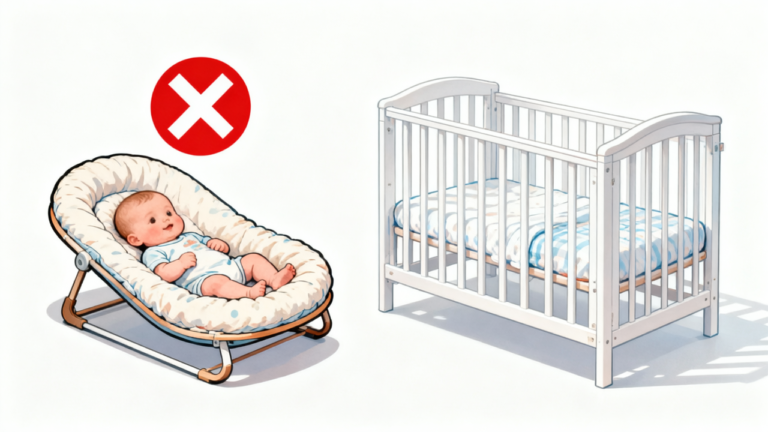
Alone, on the back, on a firm flat mattress in a crib, bassinet or play yard that meets current CPSC standards, in your room for at least the first six months. Keep pillows, blankets, bumpers and toys out of the sleep space.
Is toddler sleep problems a sign of a sleep problem?
Frequent night waking, short naps and unsettled evenings are developmentally normal in the first year. It may need review if your baby snores or pauses in breathing, is not gaining weight, or is excessively sleepy and hard to wake.
What actually helps with toddler sleep problems tonight?
A predictable short wind-down, a dark cool room, white noise at a safe volume and distance, age-appropriate wake windows, and putting your baby down drowsy but awake. Give any change five to seven consistent nights before judging it.
Common mistakes parents make with toddler sleep problems
- Assuming a higher price means a safer or better-performing option — certification and correct fit matter far more.
- Skipping the instruction manual, weight limits and product registration, which is how recall notices reach you.
- Changing several things at once, so you cannot tell what actually helped your baby.
- Relying on advice from social media instead of your pediatrician when something feels off.
- Newborn Sleep Problems
- Toddler Sleep Schedule
- Best Blackout Curtains for Toddler Sleep
- 6-Month Sleep Regression
- baby sleep & nursery hub
- NICHD Safe to Sleep basics
- AAP 2022 safe sleep policy
- CPSC nursery recalls
Medical disclaimer: this article is for general education and does not replace individual medical advice. Always follow your own pediatrician’s guidance for your child.
Related ChildBloom Guides
- Night Wakings in Toddlers
- Toddler Sleep Schedule (1–3 Years)
- Toddler Hitting and Biting
- Toddler Bedtime Resistance
- Newborn Won’t Sleep in Bassinet? 7 Fixes That Actually Work
- Browse all Sleep & Nursery guides
References & Medical Sources
- AAP healthy sleep hours by age
- AAP guidance on getting your baby to sleep
- Sleep Foundation baby sleep overview
- NHS advice on helping your baby sleep
Reviewed by the ChildBloom pediatric panel. Learn about our physicians on the About page. This article is educational and does not replace your child’s clinician.





3 Comments