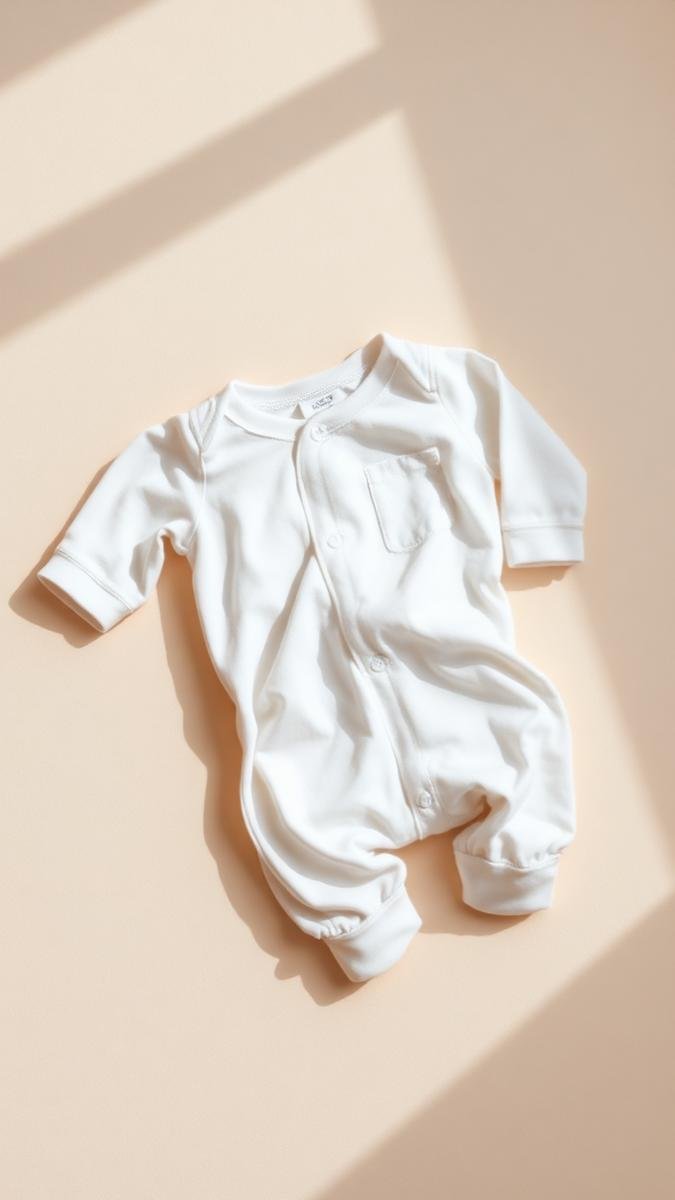
Flame retardant: Baby Clothing Fire Safety: Flame Retardants vs. Snug-Fit Pajamas
Medically reviewed by Dr. Ahmad Raza, MD (Pediatrics) — ChildBloom Medical Review Panel. Last updated: August 4, 2026.
Editorial & affiliate disclosure: our guidance is written and reviewed by clinicians. ChildBloom may earn a commission from qualifying purchases made through links on this page, which never changes what our pediatric reviewers recommend.
Looking for clear answers about flame retardant? This pediatrician-reviewed guide covers what matters, what to skip, the safety checks that count, and exactly when to involve your doctor — based on current AAP, CDC and CPSC guidance on flame retardant.
Quick pediatrician summary: flame retardant
Short answer: A pediatrician explains flame retardant: what is normal, the real risks, red flags to watch for and exactly when to call your doctor.
Walk into any baby store and you will see two types of pajamas: those labeled “flame resistant” and those labeled “snug-fitting — for child’s safety, not flame resistant, must be snug-fitting.” Both are legal. Both meet federal fire safety standards. But they achieve fire safety in very different ways — and one of them involves chemical treatments that many pediatricians and environmental health scientists have concerns about.
As a pediatrician, I understand how concerning these moments can be for parents. My goal is to provide you with evidence-based guidance that helps you make informed decisions for your child, while also knowing exactly when to seek medical attention. This guide draws on current AAP recommendations and clinical experience to give you the clarity you need.
PART 1: THE FEDERAL REGULATIONS
1.1 The CPSC Standards
The Consumer Product Safety Commission (CPSC) has flammability standards for children’s sleepwear (16 CFR 1615 for sizes 0-6X, 16 CFR 1616 for sizes 7-14). These standards were established in the 1970s in response to children’s burn injuries and deaths from sleepwear catching fire.
The standard requires that children’s sleepwear EITHER:
- Be flame-resistant: The fabric must self-extinguish within a specified time after being exposed to a small open flame.
- Be snug-fitting: The garment must meet specific maximum dimensions that ensure the fabric fits tightly against the body.
1.2 What Qualifies as “Sleepwear”?
The CPSC defines children’s sleepwear as any product worn for sleeping, including nightgowns, pajamas, robes, infant sleep sacks, and wearable blankets.
1.3 The Two Paths to Compliance
PATH 1: FLAME-RESISTANT TREATMENT
The fabric is treated with chemical flame retardants including brominated and chlorinated organophosphorus compounds, organobromine compounds, antimony-based compounds, and phosphorus-based compounds.
PATH 2: SNUG-FITTING DESIGN
The garment is designed to fit tightly against the body with specific maximum chest, waist, sleeve, and leg dimensions. The snug fit reduces the air gap between fabric and skin.
PART 2: THE CONCERNS ABOUT CHEMICAL FLAME RETARDANTS
2.1 The History
In the 1970s, the flame retardant TRIS was widely used in children’s sleepwear. In 1977, it was found to be mutagenic and was banned. It was replaced with TDCPP, which was later found to be a probable carcinogen. This illustrates a recurring pattern: flame retardants are introduced, found harmful, banned, and replaced with new chemicals that may have similar problems.
2.2 Current Concerns
Many current flame retardants have been associated with:
- Endocrine disruption (interference with thyroid, estrogen, and androgen hormones)
- Neurodevelopmental effects (reduced IQ, attention problems, motor dysfunction)
- Reproductive toxicity
- Carcinogenicity
Children are particularly vulnerable because they have a higher surface-area-to-body-weight ratio, put clothing in their mouths, and wear sleepwear for 8-12 hours per night.
2.3 The Evidence
- Studies have detected flame retardant metabolites in the urine of children wearing treated sleepwear.
- Dust in homes contains flame retardant compounds shed from treated textiles.
- Epidemiological studies have associated higher flame retardant exposure with thyroid disruption and reduced attention span in children.
PART 3: THE SNUG-FITTING ALTERNATIVE
3.1 How It Works
Snug-fitting pajamas reduce fire risk through physics, not chemistry:
- Tight-fitting fabric has less air between the fabric and the skin.
- Less air means less oxygen available to feed combustion.
- The tight fit means the fabric is less likely to billow near a flame source.
3.2 What to Look For
Snug-fitting pajamas are clearly labeled: “Snug-fitting — for child’s safety, not flame resistant, must be snug-fitting.” If you see this label, the pajamas are NOT treated with flame retardants.
PART 4: PRACTICAL RECOMMENDATIONS
- Choose snug-fitting pajamas over flame-resistant treated pajamas whenever possible.
- If you choose flame-resistant pajamas, look for products that use phosphorus-based flame retardants (newer, potentially less harmful).
- Practice fire safety regardless of pajama type: keep children away from open flames, install smoke detectors, have a fire escape plan.
- Check labels every time you buy children’s sleepwear.
- Wash new pajamas before first wear.
PEDIATRICIAN’S TAKE
“I recommend snug-fitting pajamas over flame-retardant-treated pajamas for every family. The fire safety is equivalent — the CPSC standards ensure this. But the snug-fitting option avoids chemical exposure to flame retardants, many of which have concerning toxicological profiles. Children wear sleepwear for 8-12 hours a night with prolonged skin contact. They also put clothing in their mouths. The risk-benefit calculation is clear: choose snug-fitting.”
WHEN TO CALL THE DOCTOR
- Any burn injury — seek immediate medical attention
- Skin irritation or rash after wearing flame-resistant pajamas (possible contact dermatitis)
RELATED ARTICLES
- Organic vs. Regular Cotton for Babies
- How to Dress a Newborn for Sleep: The TOG Rating System Explained
- What Your Baby Should Wear: A Pediatrician’s Guide
MEDICAL DISCLAIMER: This article is for informational purposes only and does not constitute medical advice. Always consult your pediatrician for guidance on your child’s specific needs.
Related Resources
Explore more pediatrician-reviewed guidance from ChildBloom:
- Baby Sun Protection: Why Sunscreen Isn’t Enough for Under 6 Months
- Dressing Baby in Winter: Layers, Overheating Signs & Frostbite Prevention
- How to Dress a Newborn for Sleep: The TOG Rating System Explained
- Organic vs. Regular Cotton for Babies: Does the Fabric Really Matter?
Authoritative External Sources
Frequently Asked Questions
Q: When should I start baby-proofing my home?
A: Start before your baby starts crawling—ideally during pregnancy or shortly after birth. Babies develop faster than parents expect, and by 2-4 months they can roll, scoot, and reach low shelves. The three most critical hazards to address first: anchor all tall furniture to wall studs, replace corded blinds with cordless blinds, and secure all devices containing button batteries.
Q: What is the most important baby safety product?
A: A correctly installed car seat. Motor vehicle crashes are a leading cause of death in children, and a correctly used car seat reduces fatal injury risk by over 70%. Have your installation checked by a certified Child Passenger Safety Technician (CPST)—many fire departments and hospitals offer free inspections.
Q: Are baby monitors necessary for safety?
A: A basic audio monitor is sufficient for most families. Video monitors provide additional reassurance but don’t improve safety outcomes. Smart monitors that claim to track breathing or heart rate are NOT FDA-cleared for SIDS prevention and should not replace safe sleep practices. The most important safety measure is following AAP safe sleep guidelines.
Clinical Pearl: What the Research Actually Says
One of the most valuable skills a parent can develop is the ability to evaluate health information critically. In the age of social media and parenting influencers, misinformation about child health spreads faster than evidence-based guidance. When you encounter a new parenting recommendation — whether about sleep, feeding, development, or safety — ask yourself three questions: Who is making this recommendation and what are their credentials? Is the recommendation supported by peer-reviewed research or is it based on anecdote and tradition? Does the recommendation align with guidance from major medical organizations like the American Academy of Pediatrics, the Centers for Disease Control and Prevention, or the World Health Organization? If a recommendation contradicts established medical guidance, it should be viewed with skepticism, regardless of how compelling the testimonial may be. When in doubt, bring what you have read or heard to your pediatrician. We are trained to help you separate evidence from anecdote and to make decisions that are right for your individual child.
📖 More from the Health & Safety Hub: your A-Z pediatrician guide to baby health, common illnesses, fevers, rashes, allergies, safety
Safety Considerations and Red Flags
Parents should be aware of the following safety considerations when managing their child’s health at home:
- Never ignore persistent or worsening symptoms
- Keep emergency numbers (pediatrician, poison control, emergency services) readily accessible
- Follow medication dosing instructions precisely — never estimate or use household spoons
- Trust your gut: if you feel something is seriously wrong, seek medical attention immediately
Essential Safety Practices
Keeping your baby safe is the highest priority of infant care. Many common injuries are preventable with awareness of age-appropriate risks and consistent safety practices.
Safe Sleep Environment
The safest sleep environment is a firm, flat mattress in a crib or bassinet with a tight-fitting sheet and nothing else — no blankets, pillows, bumpers, stuffed animals, or sleep positioners. Room-sharing (baby sleeps in the parent’s room) is recommended for the first 6 months but bed-sharing is not. Always place your baby on their back for every sleep, including naps.
Preventing Falls and Injuries
Never leave a baby unattended on elevated surfaces like changing tables, beds, or sofas — falls can happen in seconds. Install baby gates at the top and bottom of stairs once your baby begins to crawl. Secure heavy furniture, TVs, and bookshelves to walls with anti-tip anchors. Keep window blind cords and curtain pulls out of reach to prevent strangulation.
Emergency Preparedness for Parents
Creating a Family Emergency Plan
Every family should have an emergency plan. Post emergency numbers (pediatrician, poison control, emergency contacts) visibly in your home and save them in your phone. Learn infant CPR and choking rescue — classes are available through the American Red Cross, American Heart Association, and many local hospitals. Keep a well-stocked first aid kit accessible but out of children’s reach. Know your home’s address and the fastest route to your nearest emergency room.
Water Safety
Drowning is the leading cause of injury-related death in children ages 1-4. Never leave a baby or young child unattended near any water source — bathtubs, buckets, kiddie pools, toilets, or swimming pools. Empty all water containers immediately after use. Install four-sided pool fencing with a self-latching gate if you have a pool. Learn CPR specifically for infants and children. Water safety is not seasonal — vigilance is needed year-round, even during bath time.
Everyday Safety Checklist for Parents
Daily Safety Checks
Incorporate a quick safety scan into your daily routine. Check that crib hardware is tight and the mattress is at the correct height. Ensure all cleaning products and medications are in locked cabinets. Verify that window cords are tied up and out of reach. Test smoke and carbon monoxide detectors monthly. Check that the water heater is set to 120°F maximum. These quick checks take 2 minutes and prevent common household injuries.
Car Seat Safety on Every Trip
Before every car ride, do a quick harness check: the chest clip should be at armpit level, the harness should be snug (you cannot pinch any webbing at the shoulder), and the car seat should not move more than 1 inch at the belt path. Avoid bulky clothing under the harness. Never leave a child alone in a car, even for a minute. Rear-face as long as your car seat allows — the AAP recommends until at least age 2 or the maximum height/weight of the seat.
The Bottom Line
Baby Clothing Fire Safety is a common concern for parents, and most of the time it resolves with simple home care and patience. As a pediatrician, I encourage parents to trust their instincts, stay informed with evidence-based resources, and maintain open communication with their healthcare provider. You know your child best — if something does not feel right, speak up. Every question you ask is valid, and every concern you raise helps us provide better care for your little one.
Flame Retardants and Infant Health: What We Know
The concern about chemical flame retardants in baby sleepwear is rooted in emerging evidence from environmental health research. Polybrominated diphenyl ethers (PBDEs), the most common flame retardant class used before 2013, have been associated with neurodevelopmental effects, including lower IQ scores and attention deficits in children with elevated prenatal exposure. While PBDEs have been phased out, replacement chemicals like organophosphate esters (OPEs) raise similar concerns, with animal studies showing endocrine disruption and developmental neurotoxicity. The CPSC’s two-path compliance system (chemical treatment or snug-fit design) offers parents a clear alternative: snug-fit cotton pajamas that meet flammability standards without chemical additives are widely available. My clinical recommendation is to choose snug-fit 100% cotton or cotton-polyester blends labeled as sleepwear (not just loungewear) that comply with CPSC flammability requirements through fabric density and fit rather than chemical treatment.
Frequently asked questions about flame retardant
Is flame retardant normal in babies?
Mild, short-lived episodes are common and usually settle with simple home care. It is not normal if your baby is feeding poorly, unusually sleepy, breathing fast, has a fever under 3 months of age, or the problem is getting worse instead of better.
When should I call the doctor about flame retardant?
Call the same day for fever in a baby under 3 months, breathing difficulty, repeated vomiting, dehydration signs such as very few wet diapers, unusual floppiness or a rash that does not fade with pressure. Trust your instinct — if something feels wrong, get your baby seen.
What can I safely do at home for flame retardant?
Focus on comfort, hydration, feeding and rest, and use only medicines and doses your pediatrician has approved for your baby’s age and weight. Avoid honey under 12 months, avoid over-the-counter cough and cold products under 6 years, and never give aspirin.
Common mistakes parents make with flame retardant
- Assuming a higher price means a safer or better-performing option — certification and correct fit matter far more.
- Skipping the instruction manual, weight limits and product registration, which is how recall notices reach you.
- Changing several things at once, so you cannot tell what actually helped your baby.
- Relying on advice from social media instead of your pediatrician when something feels off.
Related pediatrician-reviewed reading
- Formaldehyde in Baby Furniture
- Baby sunscreen age
- Baby Ear Wax Cleaning
- BPA, BPS & BPF
- baby health & safety hub
References & further reading
Medical disclaimer: this article is for general education and does not replace individual medical advice. Always follow your own pediatrician’s guidance for your child.


One Comment