BPA, BPS & BPF: Are “BPA-Free” Baby Bottles Actually Safe?
Medically reviewed by Dr. Ahmad Raza, MD (Pediatrics) — ChildBloom Medical Review Panel. Last updated: August 4, 2026.
Editorial & affiliate disclosure: our guidance is written and reviewed by clinicians. ChildBloom may earn a commission from qualifying purchases made through links on this page, which never changes what our pediatric reviewers recommend.
Looking for clear answers about bpa bps & bpf? This pediatrician-reviewed guide covers what matters, what to skip, the safety checks that count, and exactly when to involve your doctor — based on current AAP, CDC and CPSC guidance on bpa bps & bpf.
Quick pediatrician summary: bpa bps & bpf
Short answer: A pediatrician explains bpa bps & bpf: what is normal, the real risks, red flags to watch for and exactly when to call your doctor.
Written by the ChildBloom Pediatric Panel, FAAP | Medically reviewed July 14, 2026 | Last updated July 14, 2026
As a pediatrician, I understand how concerning these moments can be for parents. My goal is to provide you with evidence-based guidance that helps you make informed decisions for your child, while also knowing exactly when to seek medical attention. This guide draws on current AAP recommendations and clinical experience to give you the clarity you need.
You have probably seen “BPA-free” on baby bottles, sippy cups, and food containers. After the FDA banned BPA from baby bottles in 2012 (following industry’s voluntary phase-out), manufacturers replaced it with similar chemicals — most commonly BPS (bisphenol S) and BPF (bisphenol F).
Here is the problem: emerging research shows that BPS and BPF may have similar endocrine-disrupting effects to BPA. The substitution of one bisphenol for another is what toxicologists call “regrettable substitution” — swapping a known harmful chemical for an untested or similarly harmful replacement.
This article will explain what BPA, BPS, and BPF are, why the “BPA-free” label may not mean what you think it means, and what bottle materials are genuinely safe.
PART 1: WHAT BPA IS AND WHY IT WAS BANNED —
1.1 The Chemistry
BPA (bisphenol A) is a chemical used to make polycarbonate plastic (hard, clear plastic) and epoxy resins (used to line metal cans). It has been used in baby bottles, food containers, water bottles, and the lining of formula cans since the 1960s.
1.2 The Problem
BPA is an endocrine disruptor — it mimics estrogen in the body. Studies have linked BPA exposure to: – Altered brain development in fetuses and infants – Early puberty – Increased risk of obesity and type 2 diabetes – Behavioral changes (hyperactivity, anxiety) – Altered reproductive development
BPA leaches from polycarbonate plastic into food and liquids, especially when heated (microwaving, dishwashing, boiling). Babies drinking from polycarbonate bottles were ingesting measurable amounts of BPA.
1.3 The Ban
In 2012, the FDA banned BPA from baby bottles and sippy cups (following industry’s voluntary phase-out). BPA remains in many other products (canned food linings, thermal receipts, some plastics) but is no longer used in baby bottles sold in the US.
PART 2: THE “REGRETTABLE SUBSTITUTION” — BPS AND BPF —
2.1 What Replaced BPA?
When manufacturers removed BPA from baby bottles, they replaced polycarbonate plastic with alternatives — most commonly plastics made with BPS (bisphenol S) or BPF (bisphenol F). These chemicals are structurally similar to BPA and serve the same function (making hard, clear plastic).
2.2 Are BPS and BPF Safe?
The short answer: we do not know for certain, but the early evidence is concerning.
- A 2017 study in the journal Endocrinology found that BPS disrupts cellular metabolism in the same ways as BPA — at the same low doses.
- A 2019 study in Environmental Health Perspectives found that BPS exposure in zebrafish (a model organism) caused similar neurodevelopmental effects to BPA.
- A 2020 review in the journal Environmental Research concluded that BPS and BPF should not be considered safe alternatives to BPA, as they exhibit similar endocrine-disrupting properties.
- BPA, BPS, and BPF have all been detected in human urine samples — indicating widespread exposure and bioaccumulation.
The critical issue: BPS and BPF were not rigorously tested for safety before being substituted for BPA. The “BPA-free” label tells you the product does not contain BPA — it does not tell you what it contains instead, or whether the replacement is safe.
2.3 The “BPA-Free” Label Problem
A “BPA-free” baby bottle may contain BPS, BPF, or another bisphenol analog. Without specific disclosure, you cannot know. The label creates a false sense of security — the bottle is free of one specific chemical, but it may contain a structurally similar replacement with similar biological effects.
PART 3: WHAT BOTTLE MATERIALS ARE GENUINELY SAFE —
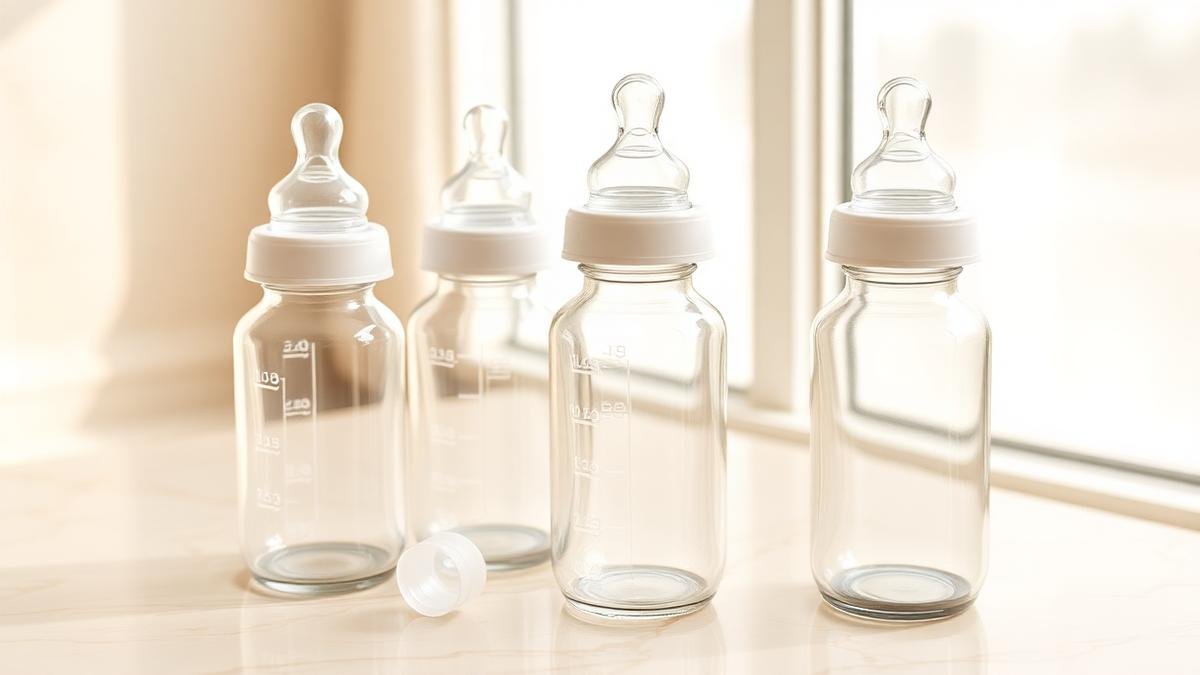
3.1 Glass
- Inert: Does not leach chemicals into liquids, regardless of temperature.
- Does not contain BPA, BPS, BPF, phthalates, or any bisphenol.
- Durable (with a silicone sleeve for drop protection).
- Heavier than plastic (a consideration for babies holding their own bottles).
- Breakable (though modern borosilicate glass is quite resistant to shattering).
- The gold standard for chemical-free feeding.
3.2 Stainless Steel
- Inert: Does not leach chemicals.
- Lightweight, durable, unbreakable.
- Opaque (you cannot see the milk level — some parents dislike this).
- Cannot be used in the microwave (but bottles should not be microwaved anyway — uneven heating creates hot spots).
- Excellent alternative to glass for parents concerned about breakage.
3.3 Medical-Grade or Food-Grade Silicone
- Silicone is not a plastic — it is a synthetic polymer made from silicon (derived from sand). It does not contain BPA, BPS, BPF, or phthalates.
- Medical-grade and food-grade silicone are considered chemically inert under normal use conditions.
- Does not leach chemicals when heated.
- Lightweight, flexible, and unbreakable.
- Some concerns about silicone nanoparticles shedding over time — research is ongoing but current evidence supports safety for food contact.
- A good alternative for parents who want lightweight, non-plastic options.
3.4 What to Avoid
- Any plastic bottle without clear material identification.
- Bottles labeled “BPA-free” without disclosing the replacement chemical.
- Polycarbonate plastic (recycling code 7 — may contain BPA or BPS).
- PVC (recycling code 3 — contains phthalates).
- Polystyrene (recycling code 6 — may contain styrene, a potential endocrine disruptor).
PART 4: PRACTICAL RECOMMENDATIONS —
- Choose glass, stainless steel, or food-grade silicone bottles.
- If you use plastic bottles (for convenience, weight, or cost), choose polypropylene (PP, recycling code 5) — it does not contain bisphenols and has a better safety profile than other plastics. But understand that all plastics can leach some chemicals under heat or wear.
- Never heat milk or food in plastic containers. Heat accelerates chemical leaching. Warm bottles in a bowl of warm water or use a bottle warmer.
- Replace bottles and nipples regularly. Worn, scratched, or clouded plastic leaches more chemicals than new plastic.
- Check the recycling code. If you are unsure what a bottle is made of, look for the recycling number on the bottom. Avoid codes 3, 6, and 7.
- Read our bottle buying guide for specific product recommendations.
PEDIATRICIAN’S TAKE —
The ‘BPA-free’ label was a necessary first step, but it is not sufficient. BPS and BPF — the most common BPA replacements — appear to have similar endocrine-disrupting properties. I recommend that parents choose glass, stainless steel, or silicone bottles whenever possible. These materials do not contain bisphenols of any kind and do not leach chemicals when heated. If plastic bottles are necessary for practical reasons, choose polypropylene (recycling code 5) and never heat milk in them. The goal is to minimize the total bisphenol exposure, not just swap one bisphenol for another.
WHEN TO CALL THE DOCTOR —
This article is about prevention. If you have specific concerns: – Your baby has a hormonal or developmental condition and you are concerned about chemical contributors – You want guidance on testing for chemical exposure – Talk to your pediatrician about whether a referral to a pediatric environmental health specialist is appropriate
RELATED ARTICLES —
- Phthalates in Baby Products: Where They Hide & Why They Matter
- Microplastics in Baby Formula & Water: What Parents Need to Know
- The Pediatrician’s Guide to Non-Toxic Baby Products
RECOMMENDED PRODUCTS —
Best Non-Toxic Baby Bottles: Glass, Stainless Steel & Safe Silicone (BPA/BPS/BPF-free options reviewed) [See our top picks ->]
MEDICAL DISCLAIMER: This article is for informational purposes only and does not constitute medical advice. Chemical safety recommendations are based on current scientific evidence and guidelines from the AAP, FDA, and the Endocrine Society. Always consult your pediatrician for your child’s specific needs.
Related: Are Plastic Baby Bottles Safe
📖 More from the Health & Safety Hub: your A-Z pediatrician guide to baby health, common illnesses, fevers, rashes, allergies, safety
Safety Considerations and Red Flags
Parents should be aware of the following safety considerations when managing their child’s health at home:
- Never ignore persistent or worsening symptoms
- Keep emergency numbers (pediatrician, poison control, emergency services) readily accessible
- Follow medication dosing instructions precisely — never estimate or use household spoons
- Trust your gut: if you feel something is seriously wrong, seek medical attention immediately
Choosing the Right Bottle for Your Baby
When selecting a bottle, consider your baby’s age, feeding style, and any specific needs such as colic or reflux. The right bottle can make a significant difference in feeding success, reducing gas, and minimizing spit-up.
Bottle Nipple Shapes and Flow Rates
Bottle nipples come in various shapes and flow rates to match your baby’s developmental stage. Newborns typically need slow-flow nipples to prevent choking and overfeeding, while older babies may benefit from medium or fast-flow options. Orthodontic nipples are designed to support proper oral development, and wide-base nipples more closely mimic breastfeeding.
Materials Comparison
Each bottle material has distinct advantages. Glass bottles are durable, non-toxic, and easy to sterilize but heavier and breakable. Plastic bottles are lightweight and shatterproof but may contain concerning chemicals if not BPA-free. Silicone bottles are flexible and lightweight but more expensive. Stainless steel bottles are durable and non-toxic but opaque, making it harder to see measurement markings.
Anti-Colic Features
Many modern bottles include venting systems designed to reduce air intake during feeding. These systems range from internal straws and vent discs to angled designs that keep the nipple filled with milk rather than air. While no bottle eliminates colic entirely, anti-colic features can significantly reduce gas and discomfort in sensitive babies.
Bottle Feeding Tips for New Parents
Paced Bottle Feeding Technique
Paced bottle feeding mimics breastfeeding by giving your baby more control over the feeding pace. Hold the bottle horizontally rather than tilted, allowing your baby to draw milk in with their own suction rather than having it pour into their mouth. Take breaks every 1-2 ounces to burp and allow your baby to rest. This technique reduces overfeeding, gas, and spit-up, and makes it easier for breastfed babies to transition between breast and bottle.
How Much and How Often
In the first month, most babies take 1-3 ounces per feed, 8-12 times per day. By 3 months, this increases to 3-5 ounces per feed, 6-8 times per day. By 6 months, 6-8 ounces per feed, 4-6 times per day. These are guidelines, not rules — every baby has unique needs. The key is responding to your baby’s hunger and fullness cues rather than focusing on exact measurements.
Bottle Feeding Safety and Hygiene
Proper Bottle Sterilization
For the first 3 months, sterilize bottles and nipples before each use. After 3 months, washing in hot, soapy water or the dishwasher is sufficient for healthy babies. Bottles can be sterilized by boiling for 5 minutes, using a steam sterilizer (electric or microwave), or using cold water sterilization tablets. Always inspect nipples regularly for signs of wear — if the nipple is sticky, swollen, or cracked, replace it immediately as it could break off during feeding and become a choking hazard.
Bottle Feeding Myths
Several bottle feeding myths persist. Myth: You must warm the bottle. Fact: Many babies take room temperature or even cold formula without issue. Myth: Tilt the bottle to prevent air. Fact: Hold the bottle horizontally so your baby controls the flow. Myth: The baby must finish the bottle. Fact: Following your baby’s fullness cues prevents overfeeding. Myth: Switching formulas frequently is fine. Fact: Frequent switching can cause digestive upset — stick with a formula that works unless your pediatrician recommends a change.
The Bottom Line
BPA Free Baby Bottles Safety is a common concern for parents, and most of the time it resolves with simple home care and patience. As a pediatrician, I encourage parents to trust their instincts, stay informed with evidence-based resources, and maintain open communication with their healthcare provider. You know your child best — if something does not feel right, speak up. Every question you ask is valid, and every concern you raise helps us provide better care for your little one.
Frequently asked questions about bpa bps & bpf
Is bpa bps & bpf normal in babies?
Mild, short-lived episodes are common and usually settle with simple home care. It is not normal if your baby is feeding poorly, unusually sleepy, breathing fast, has a fever under 3 months of age, or the problem is getting worse instead of better.
When should I call the doctor about bpa bps & bpf?
Call the same day for fever in a baby under 3 months, breathing difficulty, repeated vomiting, dehydration signs such as very few wet diapers, unusual floppiness or a rash that does not fade with pressure. Trust your instinct — if something feels wrong, get your baby seen.
What can I safely do at home for bpa bps & bpf?
Focus on comfort, hydration, feeding and rest, and use only medicines and doses your pediatrician has approved for your baby’s age and weight. Avoid honey under 12 months, avoid over-the-counter cough and cold products under 6 years, and never give aspirin.
Common mistakes parents make with bpa bps & bpf
- Assuming a higher price means a safer or better-performing option — certification and correct fit matter far more.
- Skipping the instruction manual, weight limits and product registration, which is how recall notices reach you.
- Changing several things at once, so you cannot tell what actually helped your baby.
- Relying on advice from social media instead of your pediatrician when something feels off.
Related pediatrician-reviewed reading
- Formaldehyde in Baby Furniture
- Baby sunscreen age
- Flame retardant
- Baby Ear Wax Cleaning
- baby health & safety hub
References & further reading
Medical disclaimer: this article is for general education and does not replace individual medical advice. Always follow your own pediatrician’s guidance for your child.