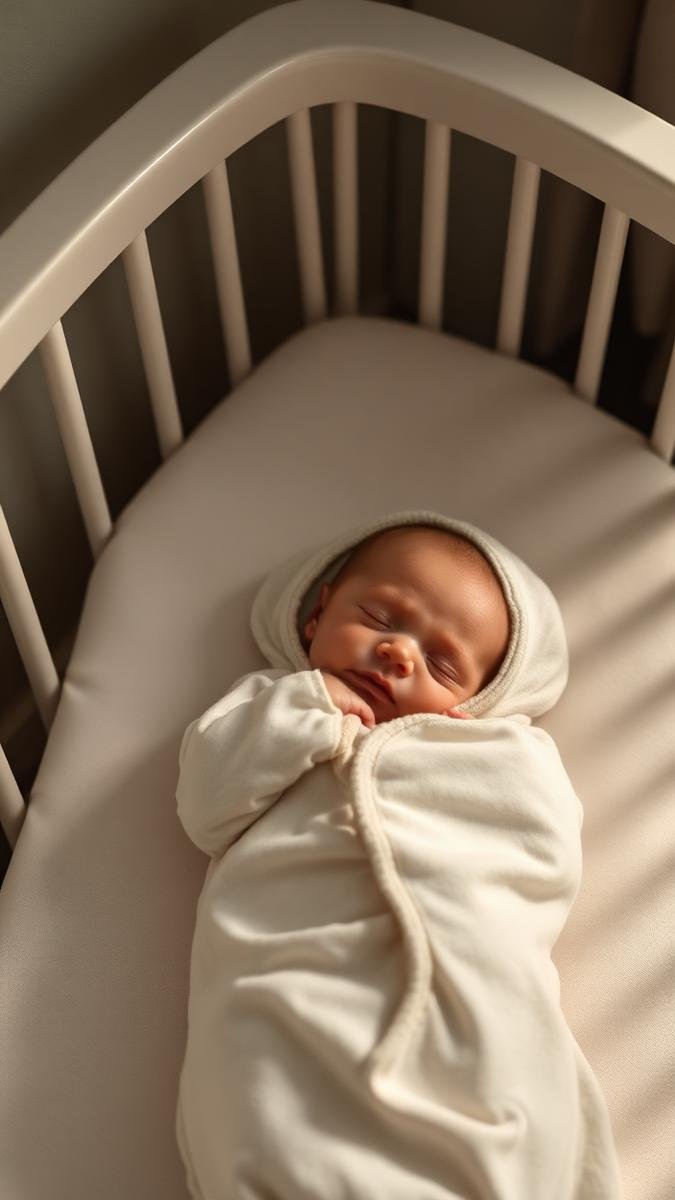
Tog rating: How to Dress a Newborn for Sleep: The TOG Rating System Explained
Medically reviewed by Dr. Ahmad Raza, MD (Pediatrics) — ChildBloom Medical Review Panel. Last updated: August 4, 2026.
Editorial & affiliate disclosure: our guidance is written and reviewed by clinicians. ChildBloom may earn a commission from qualifying purchases made through links on this page, which never changes what our pediatric reviewers recommend.
Looking for clear answers about tog rating? This pediatrician-reviewed guide covers what matters, what to skip, the safety checks that count, and exactly when to involve your doctor — based on current AAP, CDC and CPSC guidance on tog rating.
Quick pediatrician summary: tog rating
Short answer: A pediatrician explains tog rating: what is normal, the real risks, red flags to watch for and exactly when to call your doctor.
You put the baby to bed. You check on them an hour later and their chest is hot. Their hair is damp with sweat. You panic — did you dress them in too much? Is the room too warm? Are they in danger?
As a pediatrician, I understand how concerning these moments can be for parents. My goal is to provide you with evidence-based guidance that helps you make informed decisions for your child, while also knowing exactly when to seek medical attention. This guide draws on current AAP recommendations and clinical experience to give you the clarity you need.
Overheating during sleep is a recognized risk factor for Sudden Infant Death Syndrome (SIDS). The AAP recommends keeping the baby’s sleeping environment at 68-72°F (20-22°C) and avoiding over-bundling. But the room temperature is only one variable — the clothing the baby sleeps in is equally important.
The TOG rating system is the standard tool for matching sleepwear to room temperature. This article explains how it works and gives you a practical guide to dressing your baby safely for sleep.
PART 1: WHY OVERHEATING IS DANGEROUS
1.1 The SIDS Connection
Multiple studies have identified overheating as a risk factor for SIDS. Hypotheses include:
- Overheating may deepen sleep to the point where the baby’s arousal response is impaired.
- Overheating may cause thermal stress that disrupts cardiorespiratory control.
- Overheating may be associated with face covering.
1.2 Why Babies Overheat Easily
- Higher surface-area-to-mass ratio — they gain and lose heat more rapidly.
- Immature sweat glands — they cannot cool down efficiently.
- They cannot remove their own clothing or move away from a heat source.
- Their thermoregulatory system is not fully mature.
PART 2: THE TOG SYSTEM
2.1 What Is TOG?
TOG (Thermal Overall Gauge) is a standardized measure of thermal insulation, developed in the UK and now used internationally. The higher the TOG rating, the warmer the garment.
2.2 The TOG Scale for Baby Sleepwear
| TOG RATING | ROOM TEMPERATURE | SEASON / CONDITIONS |
|---|---|---|
| 0.2-0.5 | 75°F+ / 24°C+ | Hot summer nights; warm climates |
| 0.5-1.0 | 72-75°F / 22-24°C | Warm rooms; late spring/early fall |
| 1.0-1.5 | 68-72°F / 20-22°C | Ideal room temperature; most of the year |
| 2.0-2.5 | 64-68°F / 18-20°C | Cool rooms; fall/winter |
| 3.0-3.5 | Below 64°F / 18°C | Cold rooms; winter |
2.3 How to Use the TOG System
- Measure the nursery temperature. Use a reliable room thermometer placed at the baby’s sleeping level.
- Choose the appropriate TOG. When in doubt, choose the lower TOG — it is safer to be slightly cool than slightly warm.
- Dress the baby in a base layer. A cotton onesie underneath the sleep sack.
- Put the baby in the sleep sack. Do NOT add blankets on top — the TOG rating accounts for the total insulation.
- Check the baby. Feel the baby’s CHEST (not hands or feet). The chest should feel warm, not hot or sweaty.
- Checking hands and feet instead of the chest. Cool hands do NOT mean the baby is cold. Check the chest.
- Adding blankets on top of a sleep sack. The sleep sack IS the blanket. Adding another creates a suffocation risk.
- Dressing the baby in a hat for sleep. Hats during sleep can cause overheating. Hats are for outdoors, not sleep.
- Using the “one more layer than you” rule for sleep. This rule is too warm for sleep. Use the TOG chart instead.
- Ignoring the room temperature. The TOG rating only works if you know the room temperature. Measure it.
- Sweating (especially on the chest, back, or hairline)
- Damp hair
- Flushed or red cheeks
- Rapid breathing
- Heat rash (small red bumps on covered areas)
- The baby feels hot to the touch
- Restlessness or frequent waking
- The baby is hot to the touch AND has a fever (100.4°F / 38°C or higher)
- Signs of overheating that do not resolve after removing layers
- Heat rash that is spreading or appears infected
- Dressing Baby in Winter: Layers, Overheating Signs & Frostbite Prevention
- Organic vs. Regular Cotton for Babies
- What Your Baby Should Wear: A Pediatrician’s Guide
- Baby Sun Protection: Why Sunscreen Isn’t Enough for Under 6 Months
- Dressing Baby in Winter: Layers, Overheating Signs & Frostbite Prevention
- Baby Clothing Fire Safety: Flame Retardants vs. Snug-Fit Pajamas
- Organic vs. Regular Cotton for Babies: Does the Fabric Really Matter?
- Parent Guide: Baby Clothing Guide Pediatrician
- Organic vs. Regular Cotton for Babies: Does It Matter?
- Best Organic Baby Clothes for Eczema
- Best Baby Sleep Sacks by TOG Rating
- Never ignore persistent or worsening symptoms
- Keep emergency numbers (pediatrician, poison control, emergency services) readily accessible
- Follow medication dosing instructions precisely — never estimate or use household spoons
- Trust your gut: if you feel something is seriously wrong, seek medical attention immediately
- Assuming a higher price means a safer or better-performing option — certification and correct fit matter far more.
- Skipping the instruction manual, weight limits and product registration, which is how recall notices reach you.
- Changing several things at once, so you cannot tell what actually helped your baby.
- Relying on advice from social media instead of your pediatrician when something feels off.
- Top 5 Sleep Sacks by TOG Rating for Every Season
- Baby Sleep Sack TOG Guide
- Top 5 Baby Sleep Trackers & Wearables
- Dressing Baby in Winter
- baby health & safety hub
PART 3: THE ROOM-TEMP-TO-OUTFIT CHART
| ROOM TEMP | BASE LAYER | SLEEP SACK | NOTES |
|---|---|---|---|
| 75°F+ / 24°C+ | Short-sleeve onesie | 0.5 TOG | Lightest option |
| 72-75°F / 22-24°C | Short-sleeve onesie | 1.0 TOG | Ideal range |
| 68-72°F / 20-22°C | Long-sleeve onesie | 1.0-1.5 TOG | AAP recommended range |
| 64-68°F / 18-20°C | Long-sleeve onesie | 2.5 TOG | Add footed pajamas if needed |
| Below 64°F / 18°C | Long-sleeve + pants | 3.5 TOG | Consider a room heater |
PART 4: COMMON MISTAKES
PART 5: SIGNS OF OVERHEATING
If you see these signs: Remove a layer. Lower the TOG. Reduce the room temperature.
PEDIATRICIAN’S TAKE
“I see a lot of parents who are afraid their baby is cold — so they bundle them in layers, hats, and blankets for sleep. This is one of the most common modifiable SIDS risk factors I address in my practice. The solution is simple: use a room thermometer, match the TOG to the temperature, and check the baby’s chest. Remember: The TOG rating replaces blankets. Never put a loose blanket over a sleep sack — it defeats the TOG rating and introduces a suffocation hazard.”
WHEN TO CALL THE DOCTOR
RELATED ARTICLES
RECOMMENDED PRODUCTS
Best Sleep Sacks by TOG Rating →
MEDICAL DISCLAIMER: This article is for informational purposes only and does not constitute medical advice. Always consult your pediatrician for guidance on your child’s specific needs.
Related Resources
Explore more pediatrician-reviewed guidance from ChildBloom:
Authoritative External Sources
Frequently Asked Questions
Q: How much sleep does my baby need?
A: Newborns (0-3 months) need 14-17 hours per day. Infants (4-11 months) need 12-15 hours. Toddlers (1-2 years) need 11-14 hours. These are totals including naps. Every baby is different, but consistency in schedule and sleep environment matters more than hitting exact numbers.
Q: When will my baby sleep through the night?
A: Most babies start sleeping longer stretches (5-6 hours) around 3-4 months, but “sleeping through the night” (10-12 hours) typically doesn’t happen consistently until 6-9 months or later. Night wakings are normal and developmentally appropriate even after your baby can sleep longer stretches.
Q: What is the safest sleep position for my baby?
A: Always place your baby on their back for every sleep (naps and nighttime). This is the single most important step to reduce SIDS risk. Once your baby can roll independently (usually 4-6 months), they may roll to their stomach during sleep—this is okay if they got there on their own, but always start them on their back.
Related Articles
Clinical Pearl: The Role of Consistency in Infant Sleep
One of the most evidence-supported yet underutilized interventions for infant sleep problems is consistency — not just of bedtime, but of the entire sleep environment. Research published in the journal Sleep Medicine Reviews has demonstrated that infants whose parents maintain consistent sleep schedules, routines, and environments show more mature sleep architecture and fewer night wakings by 6 months of age. In my clinical practice, I recommend families choose a 20-30 minute bedtime routine — bath, book, feed, bed in that order — and repeat it identically every night. The predictability, not the specific activities, is what makes the intervention effective. If your baby is still struggling after 2 weeks of consistent routines, revisit your pediatrician to rule out medical contributors like reflux or sleep-disordered breathing.
📖 More from the Health & Safety Hub: your A-Z pediatrician guide to baby health, common illnesses, fevers, rashes, allergies, safety
Safety Considerations and Red Flags
Parents should be aware of the following safety considerations when managing their child’s health at home:
Understanding Baby Sleep Patterns
Newborn sleep is fundamentally different from adult sleep. Babies spend more time in REM (active) sleep, which is why they often seem restless, twitch, or make sounds during sleep. This is normal and protective, as REM sleep supports brain development.
Sleep Cycles and Wake Windows
Baby sleep cycles are shorter than adult cycles, lasting approximately 45-60 minutes. Wake windows — the amount of time a baby can comfortably stay awake between naps — vary by age. Newborns can manage only 45-60 minutes, while 6-month-olds may stay awake for 2-2.5 hours. Following age-appropriate wake windows prevents overtiredness, which paradoxically makes it harder for babies to fall and stay asleep.
Creating a Sleep-Friendly Environment
A dark, cool, and quiet room supports better sleep. White noise machines can help mask household sounds and mimic the whooshing sounds of the womb. The nursery temperature should be kept between 68-72°F (20-22°C), and your baby should be dressed in one more layer than an adult would wear comfortably.
Building Healthy Sleep Habits
Consistent Bedtime Routines
A predictable bedtime routine signals to your baby’s brain that sleep is coming. A good routine lasts 20-30 minutes and includes 3-5 calming activities: a warm bath, gentle massage, changing into pajamas and a sleep sack, reading a book, singing a lullaby, and a final feed with lights dimmed. Consistency matters more than the specific activities — performing the same sequence in the same order every night helps your baby transition from wakefulness to sleep more easily.
Self-Soothing and Sleep Independence
Babies who learn to fall asleep independently at bedtime are more likely to self-soothe when they wake during the night. You can support this by putting your baby down drowsy but awake rather than fully asleep, giving them a chance to practice settling. This does not mean leaving them to cry — you can offer comfort through gentle touch, shushing, or patting while encouraging them to find their own path to sleep. Gradually reduce the level of support as your baby develops this skill.
Common Sleep Scenarios and Solutions
What If My Baby Only Naps for 20 Minutes?
Short naps (20-30 minutes) are common in young infants and often resolve as the sleep cycle matures around 5-6 months. Ensure the sleep environment is dark and quiet. Try extending the wake window by 15 minutes — an undertired baby may not connect sleep cycles. For older babies, a consistent pre-nap routine (similar to bedtime but shorter) can signal that more sleep is expected. Most babies naturally lengthen naps as they grow.
How to Handle Early Morning Wakings
Babies waking before 6 AM is one of the most frustrating sleep challenges. Check the room temperature — a too-cold room can cause early waking. Ensure the room is completely dark (blackout curtains) as early morning light can trigger waking. Keep the morning response calm and boring — no play, no bright lights, no feeding unless genuinely hungry. Adjust bedtime — sometimes a slightly later bedtime (15-30 minutes) paradoxically leads to a later waking.
The Bottom Line
TOG Rating System Explained is a common concern for parents, and most of the time it resolves with simple home care and patience. As a pediatrician, I encourage parents to trust their instincts, stay informed with evidence-based resources, and maintain open communication with their healthcare provider. You know your child best — if something does not feel right, speak up. Every question you ask is valid, and every concern you raise helps us provide better care for your little one.
Frequently asked questions about tog rating
Is tog rating normal in babies?
Mild, short-lived episodes are common and usually settle with simple home care. It is not normal if your baby is feeding poorly, unusually sleepy, breathing fast, has a fever under 3 months of age, or the problem is getting worse instead of better.
When should I call the doctor about tog rating?
Call the same day for fever in a baby under 3 months, breathing difficulty, repeated vomiting, dehydration signs such as very few wet diapers, unusual floppiness or a rash that does not fade with pressure. Trust your instinct — if something feels wrong, get your baby seen.
What can I safely do at home for tog rating?
Focus on comfort, hydration, feeding and rest, and use only medicines and doses your pediatrician has approved for your baby’s age and weight. Avoid honey under 12 months, avoid over-the-counter cough and cold products under 6 years, and never give aspirin.
Common mistakes parents make with tog rating
Related pediatrician-reviewed reading
References & further reading
Medical disclaimer: this article is for general education and does not replace individual medical advice. Always follow your own pediatrician’s guidance for your child.


3 Comments