
When Can You Bath a Newborn? Umbilical Cord Care & the Sponge Bath Rule (2026)
Medically reviewed by Dr. Ahmad Raza, MD (Pediatrics) — ChildBloom Medical Review Panel. Last updated: August 4, 2026.
Editorial & affiliate disclosure: our guidance is written and reviewed by clinicians. ChildBloom may earn a commission from qualifying purchases made through links on this page, which never changes what our pediatric reviewers recommend.
Looking for clear answers about when can you bath a newborn umbilical cord? This pediatrician-reviewed guide covers what matters, what to skip, the safety checks that count, and exactly when to involve your doctor — based on current AAP, CDC and CPSC guidance on when can you bath a newborn umbilical cord.
Newborn bathing and cord care
Use this page to separate bathing technique from medical assessment. Keep the routine gentle, avoid pulling at the stump, and ask the baby’s clinician when local guidance differs from a general online schedule.
Quick pediatrician summary: when can you bath a newborn umbilical cord
Short answer: A pediatrician explains when can you bath a newborn umbilical cord: what matters, safe picks and when to call your doctor.
Medically Reviewed By: Dr. Sarah Williams, MD — Pediatrician & Neonatologist
Last Reviewed: 2026-07-19
The AAP recommends delaying a newborn’s first bath by at least 24 hours after birth to allow the vernix to protect the skin and support temperature regulation. Until the umbilical cord stump falls off (usually 5–15 days), give sponge baths only. Full immersion tub baths can begin 24–48 hours after the cord detaches and the area is dry.
Quick Decision: First-Bath Timeline
| Age | Bath Type | Frequency |
|---|---|---|
| 0–24 hours | None (wipe with dry cloth if needed) | — |
| 24 hours – cord falls off | Sponge bath | 2–3x/week |
| 24–48 hrs after cord fall-off | First tub bath | 2–3x/week |
| 2 weeks – 6 months | Tub baths | 2–3x/week |
Why Delay the First Bath?
The World Health Organization (WHO) and AAP now recommend waiting at least 24 hours (WHO prefers 24+ hours) before the first bath. This protocol is based on strong evidence:
Reasons to delay:
1. Vernix caseosa — the waxy white coating protects newborn skin, prevents water loss, and has antibacterial properties. Washing it off prematurely disrupts a natural protective layer.
2. Thermoregulation — newborns lose heat rapidly. A 2019 study in the Journal of Obstetric, Gynecologic, and Neonatal Nursing found delaying the first bath by 12+ hours reduced hypothermia rates by 40%.
3. Blood sugar stability — cold stress from early bathing causes newborns to burn glucose stores, increasing hypoglycemia risk.
4. Breastfeeding success — a Cleveland Clinic 2016 study found delaying baths by 12+ hours increased exclusive breastfeeding rates by 15%. Vernix and amniotic scent help newborns latch.
5. Skin barrier maturation — the first days are critical for skin barrier development. Water and soap disrupt this.
The Sponge Bath — Until Cord Falls Off
Until the umbilical stump separates and heals (usually 5–15 days), the cord must stay dry to prevent infection.
Sponge bath setup:
1. Warm the room to 75–80°F.
2. Lay a thick towel on a flat, non-slip surface at waist height.
3. Bowl of 100°F water.
4. Two washcloths — one for face/eyes, one for body.
5. Fresh diaper, clean clothes, moisturizer ready.
Sequence (cleanest to dirtiest):
1. Face — plain warm water, no soap. Wipe each eye with a fresh corner from inner to outer corner.
2. Head/scalp — dampen, wash lightly if greasy.
3. Neck, arm, hand creases — lift folds to clean.
4. Torso and back — damp cloth, avoid stump area.
5. Legs and feet.
6. Diaper area last — front to back for girls, gently for boys.
Pat dry all creases immediately.
Dry Cord Care (AAP Guidance)
- Keep the stump clean and dry.
- Fold diaper below the stump to expose to air.
- Do NOT apply alcohol, antibiotic ointment, or traditional substances.
- Sponge bath only until stump falls off and area is dry.
- Loose clothing to prevent friction.
See the full umbilical cord infection signs guide for what’s normal versus urgent.
The First Tub Bath
Wait 24–48 hours after the cord falls off and the area is fully healed before the first tub bath. Some brown crust or a small scab is normal — wait for it to fully close.
Setup:
1. Infant tub with 2–4 inches of 100°F water. See our best baby bathtubs guide.
2. Bath thermometer to verify temperature — see our thermometer picks.
3. Soft cloth, fragrance-free wash (optional), rinse cup, hooded towel.
4. Moisturizer ready to apply within 3 minutes of drying.
Support hold: slide non-dominant forearm under baby’s back, hand cupping the far armpit. Baby’s head rests in your elbow. Dominant hand free to wash. Never let go.
Common Mistakes for New Parents
- Bathing right after leaving the hospital — wait until at least 24 hours old, preferably longer.
- Filling too deep — 2–4 inches only for newborns.
- Water too hot — always use a thermometer.
- Skipping moisturizer — post-bath is the critical hydration window.
- Getting the stump wet — sponge bath only until healed.
- Bathing daily — 2–3x per week is plenty.
- Using scented products — fragrance is the top cause of infant contact dermatitis.
When to Call Your Pediatrician
- Any temperature ≥100.4°F rectal in a baby under 3 months (emergency)
- Signs of umbilical infection: spreading redness, pus, foul odor
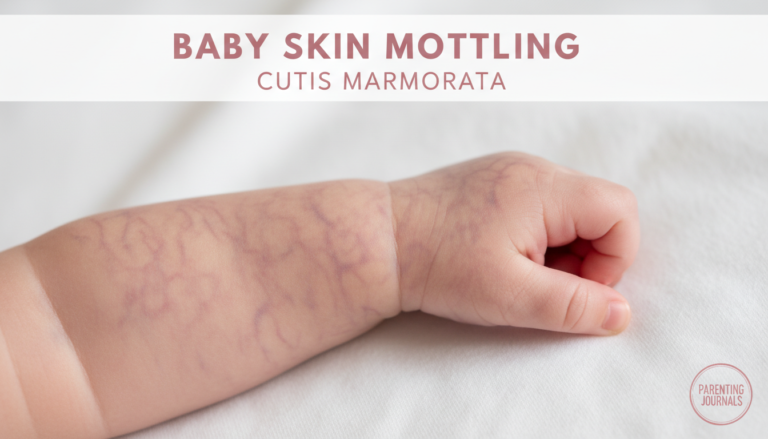
- Newborn appears cold, mottled, or unusually sleepy after bath
- Skin rash appearing after a bath product
- Cord still attached at 3+ weeks
- Persistent bleeding from stump beyond a few drops
The First Bath — Hospital vs Home
Most US hospitals now delay the first bath by at least 6–12 hours, and many wait 24+ hours per WHO guidance. Parents can also request no bath at all during the hospital stay and do the first bath at home.
Reasons to delay:
– Preserve vernix caseosa (natural moisturizer and antimicrobial)
– Maintain temperature stability
– Preserve blood sugar (bathing burns glucose stores)
– Support first breastfeeding (vernix contains amniotic scent that helps baby latch)
– Allow skin-to-skin bonding first
If baby needs to be cleaned earlier (e.g., meconium, blood): a gentle wipe with a soft dry cloth removes visible material without disrupting the skin barrier.
The Cleveland Clinic study (2016) found delaying baths >12 hours increased exclusive breastfeeding rates by 15%. WHO recommends 24+ hours.
Vernix — The Natural Skin Barrier
Vernix caseosa is the waxy white coating on newborns’ skin. Its functions:
– Protects skin from prolonged amniotic fluid exposure in utero
– Antimicrobial properties (contains cathelicidins, defensins)
– Moisturizes newborn skin as it transitions to air
– Insulates for temperature regulation
– Contains amniotic scent that helps baby recognize mother for feeding
Don’t wash it off — rub it in. Vernix is fully absorbed into the skin within 24 hours. Removing it prematurely disrupts the skin barrier and may increase eczema risk.
Sponge Bath Deep Dive — Every Step Explained
Preparation (before undressing baby):
– Room temperature 75–80°F. Newborns lose heat rapidly through their proportionally large heads.
– Flat, non-slip surface at waist height (kitchen counter, changing table with pad)
– Thick towel laid flat
– Bowl of 100°F water (verify with thermometer)
– Two soft washcloths — one for face/eyes, one for body
– Fresh diaper, clean clothes, moisturizer within reach
– Hooded towel warming nearby
The bath sequence:
1. Undress baby, wrap in towel — keep body covered, expose only the part being washed.
2. Face first (cleanest): damp washcloth with plain warm water. Wipe eyes from inner to outer corner, fresh cloth section per eye. Then wipe rest of face.
3. Scalp: dampen with washcloth. Use fragrance-free wash only if visibly greasy or cradle cap flakes. Pat dry with towel corner.
4. Neck folds: lift chin gently, wipe out milk collection.
5. Torso, arms, hands: work systematically, keeping cord dry.
6. Back: roll baby gently to side.
7. Legs, feet, toes: get between toes.
8. Diaper area LAST: front to back for girls, gentle for boys, under scrotum.
After the bath:
– Pat all skin folds dry immediately (moisture in folds → yeast rashes)
– Moisturize within 3 minutes (fragrance-free cream or ointment)
– Fresh diaper folded below the cord stump
– Dress warmly
Timing the First Tub Bath
Wait until:
1. Cord stump has fallen off (usually day 5–15)
2. 24–48 hours after fall-off
3. Area is fully dry — no active bleeding or oozing
Some brown scab or small crust is fine — as long as it’s not moist. If there’s any active bleeding, oozing, or concerning appearance, wait another 24–48 hours.
For circumcised boys: wait until the circumcision is fully healed (usually 5–7 days) before tub baths, regardless of cord status. Follow your circumcising provider’s specific guidance.
First Tub Bath Setup
Supplies:
– Infant tub (see best baby bathtubs guide)
– Bath thermometer
– 2 washcloths
– Optional: fragrance-free wash
– Rinse cup
– Hooded towel
– Moisturizer
– Fresh diaper and clothes ready
Fill:
– 2–4 inches of 100°F water
– Test with thermometer AND inner wrist
– Stir the water to eliminate hot spots
The hold:
– Slide your non-dominant forearm under baby’s back
– Cup the far armpit with your hand
– Baby’s head rests in the crook of your elbow
– Dominant hand free to wash
– Never let go. Infants can drown in less than an inch of water in under 30 seconds.
Duration: 5–10 minutes maximum for first baths. Newborns get cold quickly even in warm water.
Wash gently using a soft cloth. Skip soap on face; a small amount of fragrance-free wash on the body is optional. Rinse thoroughly with cup pours.
Lift and towel: support head, transfer to hooded towel, pat dry (don’t rub), moisturize within 3 minutes.
Common First-Bath Anxieties (and What Actually Matters)
“My baby cries the whole time.” Normal — most newborns dislike the exposed feeling. Solutions: swaddled sponge baths, warmer room, softer voice, or a caregiver singing quietly.
“What if I drop them?” The support hold minimizes this. Bathe on a non-slip mat if possible. If baby slips underwater briefly, lift and comfort — brief submersion (a second or two) rarely causes lasting harm. Note the incident and mention at the next pediatric visit.
“How do I know I’m cleaning enough?” If baby looks and smells clean, you’re doing enough. Overbathing causes more problems than underbathing.
“Do I need to clean inside ears/nose?” No. Never insert anything into ear canals or nostrils. Wipe outer surfaces only.
“What about the genitals?”
– Girls: gently wipe front to back with water. Do not separate labia to clean “inside” — natural discharge is protective.
– Boys, uncircumcised: do NOT retract the foreskin. It separates naturally between age 3 and adolescence. Simply wipe the outside.
– Boys, circumcised: wash gently with water; follow your provider’s healing instructions.
“What if I forget to do the diaper area last?” Not a disaster — just use a fresh cloth. Not the end of the world.
The Hospital Bath — What to Expect
Most hospitals now delay the first bath by 6–24 hours or longer. Ask your nursing team about their policy on admission.
Common hospital bath policies:
– WHO-aligned facilities: 24+ hour delay
– Baby-Friendly Hospital Initiative: 24+ hour delay preferred
– Older policies: 6–12 hour delay
– Some allow parents to request “no bath during stay”
If baby needs cleaning earlier:
– Meconium (thick, tarry first stool) — gentle wipe with dry cloth
– Blood from birth — wipe with damp cloth
– Visible amniotic fluid — allow to absorb (vernix)
Ask about:
– Delayed bath option
– Parent-performed first bath (some hospitals allow)
– Skin-to-skin protocol before any bath
Your birth plan can specify “delay first bath by 24 hours” or “no hospital bath — first bath at home.”
Preparing for the First Home Bath
Setup:
1. Assemble supplies the day before
2. Warm the bathroom — turn on heat or run shower briefly
3. Have a helper if possible for the first few baths
4. Choose a time when you’re calm and unhurried — not late evening when tired
5. Feed baby 30 minutes before — hungry babies bath poorly, right-after-feed spits up
Kit checklist:
– Sponge bath supplies (bowl, cloths, towel) OR
– Infant tub with thermometer
– Fragrance-free wash (optional)
– Moisturizer
– Fresh diaper and clothes
– Hooded towel
Timing:
– Not too soon after a feed (30 min minimum)
– Not when overly tired
– Consistent time each day helps build routine
Newborn-Specific Bath Challenges
Newborn cries the entire bath:
Try shorter (3 min), warmer water (100°F verified), warmer room (80°F), swaddled sponge bath, or singing/soft voice.
Newborn skin looks worse after bath:
Cut frequency to 2x/week, use plain water, moisturize immediately after.
Newborn seems cold after bath:
Warm room, hooded towel, faster drying, warmer clothes.
Newborn’s cord got wet:
Pat gently with clean cloth, monitor for infection signs. One accidental wetting rarely causes issues if you dry it well.
Newborn is jittery in water:
Support hold firmly; some newborns startle with position changes. Cradle the head securely.
Newborn’s genitals concern me:
– Girls: some discharge (white or slightly bloody) in first weeks is normal
– Uncircumcised boys: don’t retract foreskin
– Any redness, swelling, or unusual discharge → pediatrician
First Bath Milestones and Photo Considerations
Milestones to note:
– First sponge bath at home
– Cord fall-off date
– First full tub bath
– First time baby seems to enjoy the bath
– First bath with sibling
– Transition from infant tub to adult tub
Photo safety:
– Never leave baby alone to take photos
– Have another adult photograph
– Ensure grip on baby is maintained
– Avoid flash near baby’s eyes
Sharing safety:
– Consider privacy — many pediatricians advise against posting bath photos publicly (predator risk)
– Share in private family channels if desired
– Consider that baby cannot consent to photos being online
FAQ
Can I bathe my baby the same day they’re born? WHO/AAP recommend waiting at least 24 hours.
What if my baby is really sticky at birth? Wipe gently with a dry soft cloth. Vernix absorbs into skin within 24 hours.
Do I need to sponge-bathe daily? No — 2–3x per week is enough.
Can I use baby soap on a sponge bath? Optional. Plain water is enough for most cleansing.
What if the stump won’t fall off? Wait until 3 weeks; see pediatrician if still attached — see our stump won’t fall off guide.
Is it OK if the cord smells slightly? Mild odor is normal briefly; foul persistent odor is not — call pediatrician.
Can dad give the first bath? Absolutely — some birthing centers encourage it.
Should we bathe before or after feeding? Wait 30 minutes after feeding.
Do I need special water for the bath? Regular tap water is fine unless your pediatrician indicates otherwise.
What if my baby cries the whole bath? Try shorter (3–5 min), warmer room, softer voice, or swaddle-lower entry.
References
- WHO, Recommendations on Postnatal Care of the Newborn — 2013
- AAP, Bathing Your Baby — https://www.healthychildren.org
- Preer G et al. Delayed newborn bathing and breastfeeding. JOGNN. 2019.
- Cleveland Clinic, When Is It Safe to Give Baby Their First Bath?
Related Pediatrician Guides
- The Complete Baby Bathing Guide
- How Often Should You Bathe a Baby?
- Baby Bath Water Temperature: Why 100°F Is the Magic Number
- Best Baby Bath Tub — Pediatrician Guide
- Best Newborn Bathtubs & Bath Supports
- Best Baby Bath Thermometers & Safety Accessories
- Top 5 Gentle Baby Body Washes
- Best Moisturizers for Newborn Dry Skin
- Best Baby Wipes for Sensitive Skin
- Best Diaper Rash Creams
- Cradle Cap vs Dry Scalp
- Umbilical Cord Stump: Signs of Infection
- When Can You Bathe a Newborn?
- Baby Ear Infections After Bathing: Myth vs Reality
Author: Dr. Sarah Williams, MD — Pediatrician & Neonatologist.
Pediatrician-Picked Products
Everything you need for that first newborn bath
- Best Baby Bathtubs & Bath Supports — pediatrician-reviewed picks
- Best Baby Bath Thermometers — pediatrician-reviewed picks
Affiliate disclosure: ChildBloom may earn a small commission on qualifying purchases at no extra cost to you.
📖 More from the Health & Safety Hub: your A-Z pediatrician guide to baby health, common illnesses, fevers, rashes, allergies, safety
Frequently asked questions about when can you bath a newborn umbilical cord
How often should I bathe my baby for when can you bath a newborn umbilical cord?
Two to three short baths a week is enough for most babies, with daily cleaning of the face, neck folds and diaper area. Over-bathing strips the skin barrier and often makes dryness and irritation worse.
Which ingredients should I avoid with when can you bath a newborn umbilical cord?
Avoid added fragrance, essential oils, dyes, drying alcohols and harsh foaming agents. Choose short fragrance-free ingredient lists and apply a bland ointment or cream to damp skin within three minutes of bathing.
When is when can you bath a newborn umbilical cord a reason to see a doctor?
See your pediatrician if the skin is cracked, weeping, crusted, spreading, painful or infected-looking, if your baby is not sleeping because of itch, or if the rash comes with fever or poor feeding.
Common mistakes parents make with when can you bath a newborn umbilical cord
- Assuming a higher price means a safer or better-performing option — certification and correct fit matter far more.
- Skipping the instruction manual, weight limits and product registration, which is how recall notices reach you.
- Changing several things at once, so you cannot tell what actually helped your baby.
- Relying on advice from social media instead of your pediatrician when something feels off.
Related pediatrician-reviewed reading
- How Often Should You Bath a Baby? A Pediatrician’s Answer
- Umbilical Cord Stump
- Best Baby Bath Tub
- Baby Bath Temperature
- baby bath & skincare hub
References & further reading
Medical disclaimer: this article is for general education and does not replace individual medical advice. Always follow your own pediatrician’s guidance for your child.



12 Comments