
Umbilical Cord Stump: Safe Care and When to Seek Help
Medically reviewed by Dr. Ahmad Raza, MD (Pediatrics) — ChildBloom Medical Review Panel. Last updated: August 4, 2026.
Editorial & affiliate disclosure: our guidance is written and reviewed by clinicians. ChildBloom may earn a commission from qualifying purchases made through links on this page, which never changes what our pediatric reviewers recommend.
Looking for clear answers about umbilical cord stump? This pediatrician-reviewed guide covers what matters, what to skip, the safety checks that count, and exactly when to involve your doctor — based on current AAP, CDC and CPSC guidance on umbilical cord stump.
Quick pediatrician summary: umbilical cord stump
Short answer: A pediatrician explains umbilical cord stump: what is normal, the real risks, red flags to watch for and exactly when to call your doctor.
Short answer: Most umbilical cord stumps fall off between 7 and 21 days. A stump still attached at 3 weeks is at the outer edge of normal but usually fine if the stump is dry, odorless, and the surrounding skin is not red. Stumps that are still attached at 4 weeks (28 days), or that come with redness, pus, foul smell, bleeding, or fever, need same-day pediatric evaluation. Two rare but treatable causes — umbilical granuloma and immune-related delayed separation — deserve attention when the stump refuses to come off.
The normal timeline
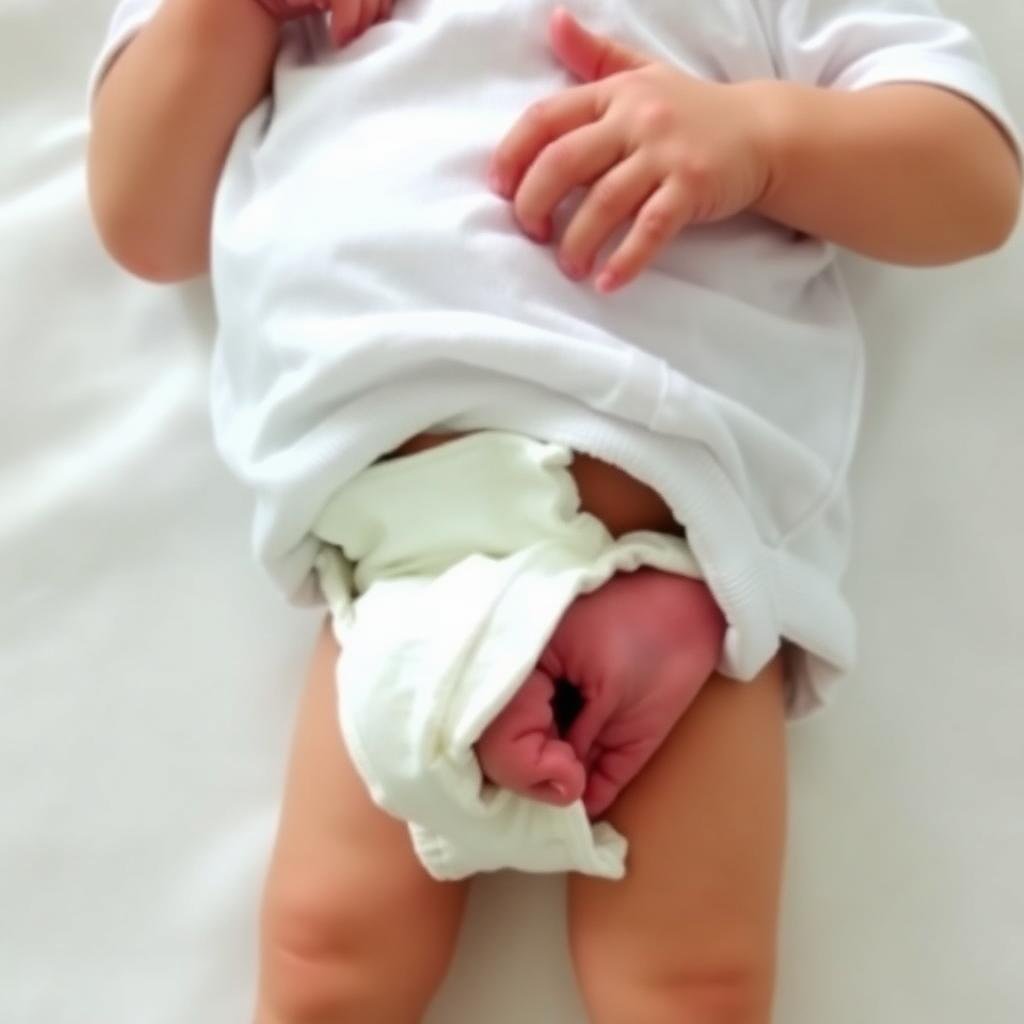
| Day | What is happening |
|---|---|
| 0 | Cord clamped and cut; ~2 cm stump remains |
| 1–3 | Stump dries, darkens (brown to black) |
| 4–7 | Base loosens; may weep small amount of clear fluid |
| 7–14 | Most stumps fall off in this window |
| 14–21 | Late-normal window; roughly 15% of stumps still attached |
| >21 | Uncommon; observe for red flags |
| >28 | Abnormal — pediatric evaluation |
Delayed separation is more common in babies born by C-section, babies given prophylactic antibiotics, and those in whom the cord was managed with alcohol swabs instead of dry care.
The safest cord care: dry care
WHO and AAP both recommend dry cord care in healthy term newborns in high-income settings:
- Keep the stump clean and dry
- Fold the diaper down below the stump to allow air exposure
- Sponge baths only until the stump falls off (skip tub baths)
- No alcohol, no antibiotic ointment, no powder unless a clinician prescribes it
- Do not pull, twist, or “help” the stump come off
- Dress the baby in loose onesies that do not rub the stump
In settings with high infection rates, chlorhexidine 4% may be recommended — follow local guidance.
Signs of normal healing
- Stump changing from yellow-white to brown to black
- A few drops of blood or clear-yellow fluid on the diaper or onesie when the stump loosens
- A small amount of moisture at the base after the stump falls off
- A slightly damp red spot for 1–2 weeks after separation
When the stump lingers past 3 weeks
Ask three questions:
- Is the stump dry, or wet and weeping?
- Is the surrounding skin normal color, or red and warm?
- Is there any smell, pus, or bleeding beyond a few drops?
If all three answers are reassuring — dry, normal skin, no smell — a stump at 21–28 days can be watched at home, keeping the diaper folded down and the area open to air. If any answer is concerning, call the pediatrician.
Two conditions worth knowing
Umbilical granuloma
After the stump falls off, some babies develop a soft, pink, moist bump at the belly button that oozes clear-yellow fluid for weeks. It is a small overgrowth of healing tissue, not an infection. Pediatricians treat it with a single application of silver nitrate, which usually resolves it in 1–2 visits. Do not attempt home cauterization.
Delayed cord separation and immune concerns
A stump still attached at 6–8 weeks, especially with recurrent infections or a family history of immune problems, can rarely signal Leukocyte Adhesion Deficiency (LAD) or other neutrophil disorders. This is rare but is the reason pediatricians take late separation seriously. A simple blood count and referral to immunology are the first step.
The 7 red flags — call the pediatrician today
- Pus (yellow, thick, foul-smelling)
- Foul or fishy smell from the stump
- Red skin around the base that is spreading, warm, or firm (possible omphalitis — a serious infection)
- Bleeding that soaks the onesie or does not stop with light pressure
- Fever ≥100.4°F (38°C) rectally under 3 months — always ER
- Baby appears unwell — poor feeding, sleepy, floppy, high-pitched cry
- Stump still attached at 4 weeks (28 days) or ongoing wet oozing after separation
Omphalitis is a medical emergency in newborns. If a spreading ring of redness surrounds the stump, go to the ER rather than wait.
Cord care myths to skip
Myth: “Rubbing alcohol makes it fall off faster.”
Fact: Studies show alcohol either delays separation or does not affect it. Dry care is faster and lower-infection.
Myth: “Tape a coin over it to prevent an outie.”
Fact: This does not change belly-button shape and can cause pressure injury or infection. Most “outies” are normal umbilical anatomy or a small umbilical hernia that closes on its own by age 2–5.
Myth: “Twist it a little each day.”
Fact: Never pull or twist. It falls off when it is ready. Forcing risks bleeding and infection.
Myth: “It shouldn’t smell at all.”
Fact: A faint musty odor is normal in the last few days before separation. A strong, foul, or fishy smell is not.
Special situations
- Umbilical hernia: a soft bulge at the belly button that pops out when the baby cries. Most close by age 4–5 without surgery. Call the pediatrician if it is hard, tender, discolored, or the baby is vomiting — possible incarceration.
- Preemies and NICU graduates: follow NICU-specific cord care instructions.
- Home births: same dry-care principles apply. Do not use unstudied herbal poultices on the cord.
- Cultural cord care practices: mention them to the pediatrician so they can flag anything unsafe (e.g. ash, oils, animal-derived poultices carry tetanus risk).
When to Call Your Pediatrician
Same-day for:
– Any red, warm, or spreading skin around the base
– Pus, foul smell, or bleeding more than a few drops
– Fever ≥100.4°F (38°C) rectally under 3 months → ER
– Stump still attached at 28 days
– Persistent wet, pink bump after separation (possible granuloma)
– Recurrent infections plus late separation

When to Call Your Pediatrician About the Cord Stump
Contact your pediatrician if you notice redness spreading from the base of the cord outward onto the belly skin, foul-smelling drainage, pus, or bleeding that soaks through the diaper. A fever in the newborn period combined with cord redness always requires immediate evaluation. If the cord has not fallen off after 3 weeks, your pediatrician should check for underlying conditions like immune system problems or a urachal remnant. Also call if the belly button area continues to ooze or stay moist for more than a week after the cord falls off, as this could indicate an umbilical granuloma that needs treatment. When in doubt, err on the side of calling. Pediatricians are used to cord-related questions and can usually reassure you over the phone or recommend a quick office visit.
Frequently Asked Questions
These answers are general educational guidance and not a substitute for evaluation by your baby’s physician.
Is it normal for the cord stump to still be on at 3 weeks?
Yes, at the outer edge of normal. Most stumps fall off between 7 and 21 days. If it is dry, odorless, and the skin is not red, it can be watched. Past 4 weeks, see the pediatrician.
What does a normal cord stump look like just before it falls off?
Dark brown or black, dry, and slightly loose at the base. A small amount of clear or lightly blood-tinged fluid on the diaper is normal.
Can I bathe my baby with the cord still attached?
Sponge baths only. Full tub baths after the stump falls off and the area is dry.
Should I use alcohol on the stump?
No, unless your pediatrician specifically instructs it. Dry care leads to faster separation and lower infection risk in healthy term newborns.
What is umbilical granuloma?
A small, soft, pink bump that appears where the stump was, sometimes with clear-yellow drainage for weeks. Your pediatrician can treat it with silver nitrate in the office.
Is a foul smell normal?
A faint musty odor at the end is normal. A strong, foul, or fishy smell is not — call the pediatrician.
How much bleeding is too much?
A few drops on the diaper or onesie is normal. Active bleeding, oozing that soaks fabric, or bleeding that will not stop with 5 minutes of gentle pressure is not.
Can I put a bandage or gauze over the stump?
No. Air exposure speeds drying and separation. Cover only if a clinician tells you to for a specific reason.
What is omphalitis and how do I recognize it?
Omphalitis is a serious bacterial infection of the belly button. Signs: red skin spreading from the base, warmth, swelling, pus, foul smell, and often fever or a sick-looking baby. This is an ER visit.
Will my baby’s belly button be an outie or an innie?
Cord care does not determine this. Belly-button shape is set by anatomy after healing. Small umbilical hernias that bulge with crying usually close on their own by age 2–5.
Medically reviewed by Dr. Zeeshan Salam, MD — Pediatrician & Neonatologist. Reviewed July 2026. About the author.
Internal links: Health & Safety pillar · Newborn Jaundice: When to Call the Doctor · Best Baby Thermometer for Newborns · When to Worry About Baby Fever · Baby Soft Spot Pulsing Rapidly
Citations: AAP HealthyChildren – Umbilical Cord Care · WHO – Postnatal Care Guidelines · Cleveland Clinic – Umbilical Granuloma · NIH – Omphalitis in Neonates · PMC – Delayed Umbilical Cord Separation Review
📖 More from the Health & Safety Hub: your A-Z pediatrician guide to baby health, common illnesses, fevers, rashes, allergies, safety
Common mistakes parents make with umbilical cord stump
- Assuming a higher price means a safer or better-performing option — certification and correct fit matter far more.
- Skipping the instruction manual, weight limits and product registration, which is how recall notices reach you.
- Changing several things at once, so you cannot tell what actually helped your baby.
- Relying on advice from social media instead of your pediatrician when something feels off.
Related pediatrician-reviewed reading
- Umbilical Cord Stump
- Fall allergies in babies symptoms
- When Can You Bath a Newborn? Umbilical Cord Care & the Sponge Bath Rule
- Car Seat Recline Angle
- baby health & safety hub
References & further reading
Medical disclaimer: this article is for general education and does not replace individual medical advice. Always follow your own pediatrician’s guidance for your child.






6 Comments