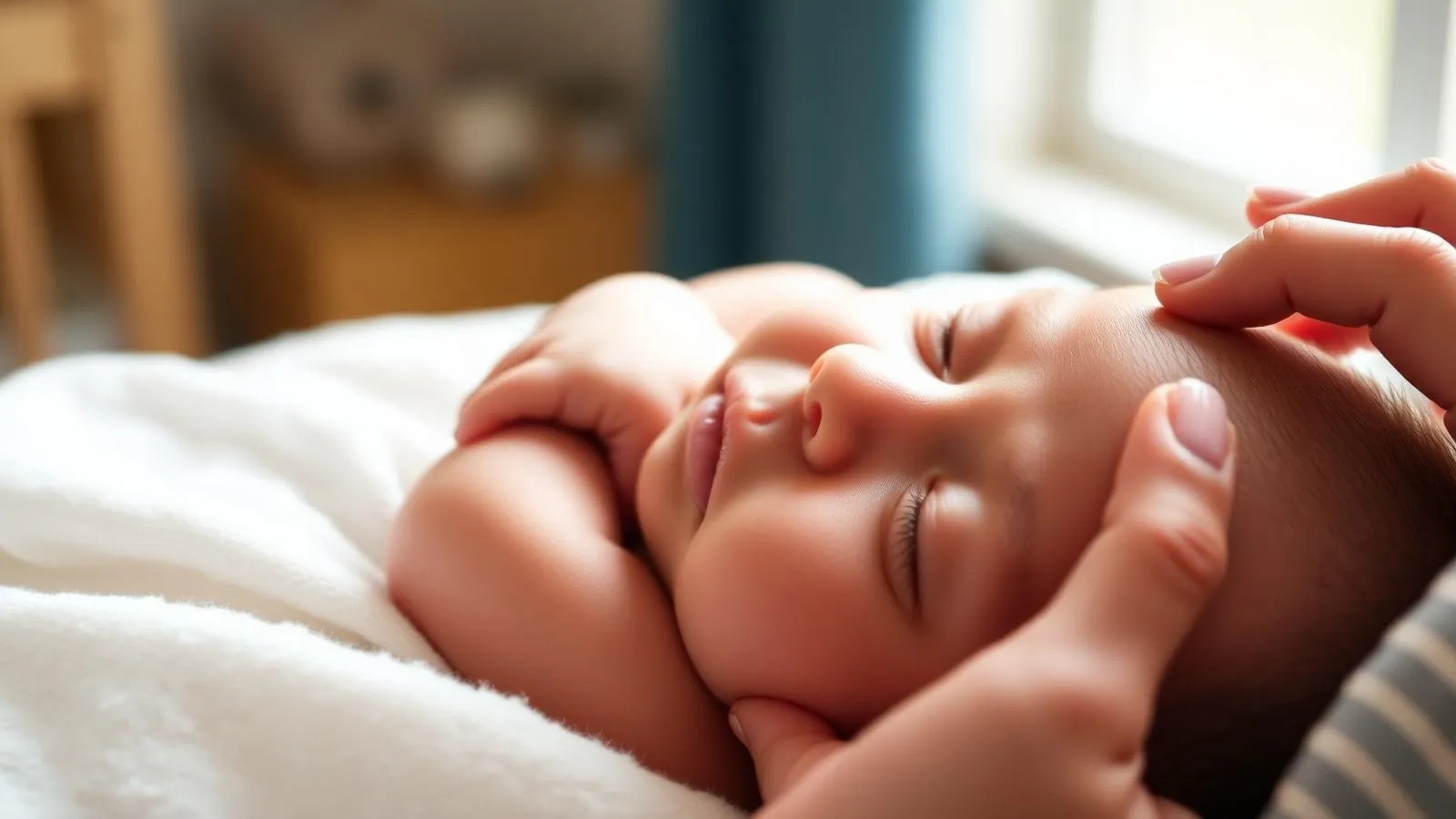
Newborn sneezing: Why Is My Newborn Sneezing So Much? Is It Normal?
Medically reviewed by Dr. Ahmad Raza, MD (Pediatrics) — ChildBloom Medical Review Panel. Last updated: August 4, 2026.
Editorial & affiliate disclosure: our guidance is written and reviewed by clinicians. ChildBloom may earn a commission from qualifying purchases made through links on this page, which never changes what our pediatric reviewers recommend.
Looking for clear answers about newborn sneezing? This pediatrician-reviewed guide covers what matters, what to skip, the safety checks that count, and exactly when to involve your doctor — based on current AAP, CDC and CPSC guidance on newborn sneezing.
Quick pediatrician summary: newborn sneezing
Short answer: A pediatrician explains newborn sneezing: what is normal, the real risks, red flags to watch for and exactly when to call your doctor.

Your newborn sneezing frequently — sometimes five or six times in a row — and you’re wondering if they’re coming down with something. However, in the vast majority of cases, excessive newborn sneezing is completely normal. As a result, most parents can relax. Meanwhile, this guide explains why it happens, when it matters, and the red flags that should prompt a call to your pediatrician.
Newborns sneeze a lot — often 4 to 10 times a day — because their tiny nasal passages clear amniotic fluid, milk, dust, and lint using the sneeze reflex. It is not a cold unless you also see fever, thick colored mucus, feeding refusal, or fast breathing. In fact, guidance from the AAP’s HealthyChildren.org aligns with this.
Why Newborn Sneezing Is So Common
Newborn nasal passages are extremely narrow. Therefore, even tiny amounts of dust, lint from a swaddle, dry air, milk that spit up into the nose, or leftover amniotic fluid can trigger the sneeze reflex. As a result, newborn sneezing is how a baby cleans out those passages when they cannot yet blow their nose.
In fact, according to Mayo Clinic, a true cold in a newborn produces a runny nose, cough, mild fever, and fussiness — not just sneezing on its own. Meanwhile, isolated newborn sneezing without those other symptoms is almost always the newborn nose doing its job.
Common Newborn Sneezing Triggers
- Dry indoor air — heaters and air conditioners dry the nasal lining, causing more newborn sneezing episodes.
- Dust, pet dander, and lint from bedding or swaddles can trigger newborn sneezing.
- Strong smells — perfume, cleaning products, cooking odors can lead to newborn sneezing.
- Bright light — some newborns sneeze when moved into sunlight (a normal reflex known as photic sneeze reflex).
- Milk in the nose after a burp or spit-up often results in newborn sneezing to clear the passages.
- Cigarette smoke or vape aerosol — avoid completely, even on clothing, as it irritates the nose and causes newborn sneezing.
When Newborn Sneezing Is Normal vs a Cold
Frequent newborn sneezing (up to 10 times a day) with no fever, no thick mucus, and normal feeding. For example, baby seems comfortable between sneezes. This needs no treatment.
- Thick yellow or green nasal mucus
- Any fever in a baby under 3 months (rectal temp ≥ 100.4°F / 38°C)
- Coughing, wheezing, or noisy breathing
- Breathing faster than 60 breaths per minute at rest
- Poor feeding — taking less than half the usual amount
- Extreme sleepiness or unusual fussiness
If you see any of those signs, call your pediatrician the same day. Meanwhile, remember that a persistent cough is a separate concern — see our guide on persistent cough in babies for the full checklist.
How to Help a Sneezy Newborn
- Run a cool-mist humidifier in the room, especially in winter to reduce newborn sneezing from dry air.
- Use saline drops (2 drops per nostril) before feeds to loosen dried mucus and reduce newborn sneezing episodes. Follow with a soft nasal aspirator.
- Wash bedding weekly in hot water; skip fragranced detergents to minimize newborn sneezing triggers.
- Keep the home smoke-free — never smoke or vape indoors or in the car to prevent newborn sneezing and respiratory irritation.
- Avoid strong scents near the baby: perfumes, essential oils, air fresheners that can cause newborn sneezing.
Notably, Over-the-counter cold medicines — never safe for babies under 4 years. Vapor rubs with camphor or menthol — can cause breathing problems in babies under 2. Vicks BabyRub is also not recommended under 3 months.
Pediatrician Insight
In clinic, I reassure at least one family a week that their sneezy 2-week-old is not sick. The newborn sneezing reflex is simply their way of clearing their tiny nasal passages. Therefore, if your baby is feeding well, gaining weight, has a soft belly, no fever, and normal breathing between sneezes — you almost certainly have a very normal newborn with a very sensitive nose. Meanwhile, if something feels off, trust that instinct and call your pediatrician to rule out any illness causing the newborn sneezing.
Related Guides for Parents
- Persistent Cough in Babies: When It’s Serious
- Why Is My Newborn Grunting at Night?
- Baby Fever: When to Worry and When to Go to the ER
FAQ
How many times a day is it normal for a newborn to sneeze?
Four to ten times a day is completely normal for a baby under 3 months. However, if newborn sneezing comes with fever, thick colored mucus, or feeding trouble, call your pediatrician.
Can newborns catch colds from siblings?
Yes. Meanwhile, older siblings and adults bring home viruses that can cause cold symptoms including newborn sneezing. Therefore, wash hands before handling the baby, and ask sick visitors to stay away for the first 8 weeks.
Is newborn sneezing a sign my baby has allergies?
Very unlikely. Overall, true allergies rarely appear before 6 months. Meanwhile, most newborn sneezing is a reflex to clear normal nasal irritants like dust and dry air.
Should I use saline drops every day?
Only when your baby seems stuffy or feeds are being interrupted by newborn sneezing. Similarly, saline is safe but not needed daily for a comfortable baby.
When should I go to the ER for sneezing?
Sneezing alone is never an ER reason. However, go to the ER for any fever in a baby under 3 months, breathing faster than 60 per minute, blue lips, or extreme lethargy — these could indicate illness beyond normal newborn sneezing.
Related reads
- Baby Breathing Fast While Sleeping: Normal vs Concerning
- Baby Illness Warning Signs: When to Call the Doctor
- Common Rashes in Babies and When to Worry
Related: Best Safe Teething Relief Products: Pediatrician-Approved Picks
Related: Top 5 Baby Toothbrushes & Finger Brushes for First Teeth: Pediatrician-Reviewed
Related: Best Silicone Teethers by Teething Stage: A Pediatrician’s Guide
Reference: World Health Organization – Maternal & Child Health
Related Resources
Explore more pediatrician-reviewed guidance from ChildBloom:
- Teething Rash on Chin & Cheeks: Drool Dermatitis or Allergy?
- When to Start Brushing Baby Teeth: Fluoride Rules by Age
Authoritative External Sources
Newborn Sneezing Versus Signs of Illness
Distinguishing normal newborn sneezing from sneezing caused by illness is an important skill for new parents. Normal newborn sneezing typically happens in bursts of 2 to 3 sneezes, occurs throughout the day without any other symptoms, does not seem to bother the baby, and does not interfere with feeding or sleeping. A sneezing baby who is otherwise happy, feeding well, and having normal wet diapers is almost certainly experiencing normal newborn sneezing. Sneezing from illness, on the other hand, is usually accompanied by other symptoms. A baby with a cold may have a runny nose with clear or colored discharge, congestion that interferes with feeding, a cough, fever, and decreased appetite. A baby with allergies may have clear, watery nasal discharge accompanied by itchy, watery eyes, and sneezing that occurs in response to specific triggers. A baby with a nasal foreign body, where something is stuck in the nose, typically has sneezing from one nostril only, along with foul-smelling drainage from that nostril. If your baby is sneezing but has no other symptoms and is feeding and sleeping well, you can be confident that it is normal. If you are unsure, a call to your pediatrician can provide reassurance and guidance on what to watch for.
Creating a Healthy Nasal Environment for Your Newborn
You can reduce excessive sneezing in your newborn by creating a healthy nasal environment. Keep your home’s humidity between 40 and 50 percent using a humidifier, as dry air irritates nasal passages and triggers sneezing. Avoid using strong fragrances, air fresheners, scented candles, and essential oil diffusers in your baby’s room, as these can irritate sensitive nasal passages. If you have pets, keep them out of the baby’s room and vacuum frequently to reduce pet dander. Do not smoke or allow anyone to smoke near your baby, as tobacco smoke is a powerful irritant that triggers sneezing and increases the risk of SIDS and respiratory infections. Wash your baby’s bedding in fragrance-free, dye-free detergent and avoid fabric softeners and dryer sheets that leave chemical residue. If you live in an area with high air pollution, consider using an air purifier with a HEPA filter in your baby’s room. When you take your baby outside, avoid areas with heavy traffic, construction dust, or smoke. These environmental measures will not only reduce sneezing but also create a healthier overall environment for your baby’s developing respiratory system.
Frequently Asked Questions
Q: When should I call the pediatrician?
A: Call immediately for: fever in a baby under 3 months, difficulty breathing, signs of dehydration (no wet diapers for 8+ hours, no tears when crying), lethargy or difficulty waking, a rash that doesn’t fade when pressed, or if your baby seems to be getting worse. For non-urgent concerns, call during business hours.
Q: How do I know if my baby is developing normally?
A: Development varies widely, but babies should show progressive gains in motor skills, social interaction, and communication. If your baby isn’t meeting multiple milestones or is losing skills they once had, discuss with your pediatrician. Early intervention is highly effective if there are delays.
Q: What products do I really need for my baby?
A: The essentials are: a correctly installed car seat, a safe sleep space (crib or bassinet with firm mattress), diapers and wipes, appropriate clothing, and a digital thermometer. Beyond these, focus on products that address specific needs rather than marketing claims. Always prioritize safety certifications over features.
Related: Why Newborns Sleep So Much
📖 More from the Health & Safety Hub: your A-Z pediatrician guide to baby health, common illnesses, fevers, rashes, allergies, safety
Common mistakes parents make with newborn sneezing
- Assuming a higher price means a safer or better-performing option — certification and correct fit matter far more.
- Skipping the instruction manual, weight limits and product registration, which is how recall notices reach you.
- Changing several things at once, so you cannot tell what actually helped your baby.
- Relying on advice from social media instead of your pediatrician when something feels off.
Related pediatrician-reviewed reading
- Newborn Sneezing a Lot But No Cold or Fever
- Newborn Sleeping Too Much and Not Eating
- Newborn Allergic Rash
- Why Does My Newborn's Chin Quiver When Crying?
- baby health & safety hub
References & further reading
Medical disclaimer: this article is for general education and does not replace individual medical advice. Always follow your own pediatrician’s guidance for your child.
3 Comments