Is a Baby Lounger Safe for Sleep?
Quick answer
No — a baby lounger (a soft, padded, inclined nest) is not a safe sleep surface and should not be used for naps or overnight sleep. Baby lounger sleep safety guidance is clear: loungers lack a firm, flat surface and have padded sides that raise suffocation risk. Use them only for supervised awake “taking a break” time on the floor, never for sleep, and never inside a crib or bassinet.
For the full picture, read our pillar guide on Safe Sleep Checklist: Room Sharing, Firm Mattresses & SIDS Preventi.
Why it happens
Understanding the biology makes the plan easier to follow. Baby sleep runs on two systems. The first is sleep pressure — the natural build-up of a chemical called adenosine during waking hours that makes sleep feel urgent. The second is the circadian rhythm, the internal 24-hour clock that uses light and darkness to decide when the body expects sleep and when it expects wakefulness. Melatonin, the hormone that helps initiate sleep, rises in the evening and fades before dawn.
When these two systems are misaligned — for example, when daytime sleep is too long, bedtime is too early, or light enters the room before the desired wake time — the baby hits their total sleep need too soon and wakes. A baby who falls asleep independently can usually link sleep cycles and return to sleep; a baby who needs feeding, rocking, or holding to fall asleep often cannot recreate that condition at 5 a.m. and calls out. This is why most early waking, short napping, and night fragmentation is a signal about schedule, environment, or sleep associations rather than a fixed trait.
Safe-sleep biology matters too. The risk factors for sleep-related infant death — prone or side sleeping, soft surfaces, loose bedding, overheating, and bed-sharing on a soft surface — are well described by the AAP and CDC. Keeping the baby on the back, on a firm flat surface, in a crib or bassinet free of bumpers, pillows, and positioners directly reduces those risks.
Why they’re unsafe for sleep
A baby lounger is built for holding a baby during awake time, not for sleep. Several design features make it unsafe as a sleep space:
- Soft, non-flat surface. A lounger molds around the baby’s face and body. During sleep, a baby who rolls or turns into the padding may not be able to move away, raising suffocation risk.
- Raised, padded sides. The cushioned walls can trap heat and restrict airflow. A baby’s nose or mouth pressed against the side cannot get fresh air.
- Inclined position. Like swings and inclined sleepers, loungers tilt the baby at an angle. That angle can let the head fall forward and narrow the airway, and it is not a flat, safe standard.
- Not built to sleep standards. Loungers are not tested or certified as infant sleep products under the strict safe-sleep rules that apply to cribs and bassinets.
The safe standard is simple: a firm, flat surface with nothing but a fitted sheet. A lounger meets none of that.
The incline problem
Inclined products have caused harm. When a baby is propped at an angle, the heavy head can tip forward, and young babies lack the neck strength to lift it back. Flat and firm removes that risk. This is why swings, inclined sleepers, and loungers should not be used for routine sleep.
If your baby falls asleep in a lounger, move them to a crib or bassinet as soon as you can. A short, supervised doze is not the same as a planned sleep, but the safe move is to transfer them.
Safe alternative
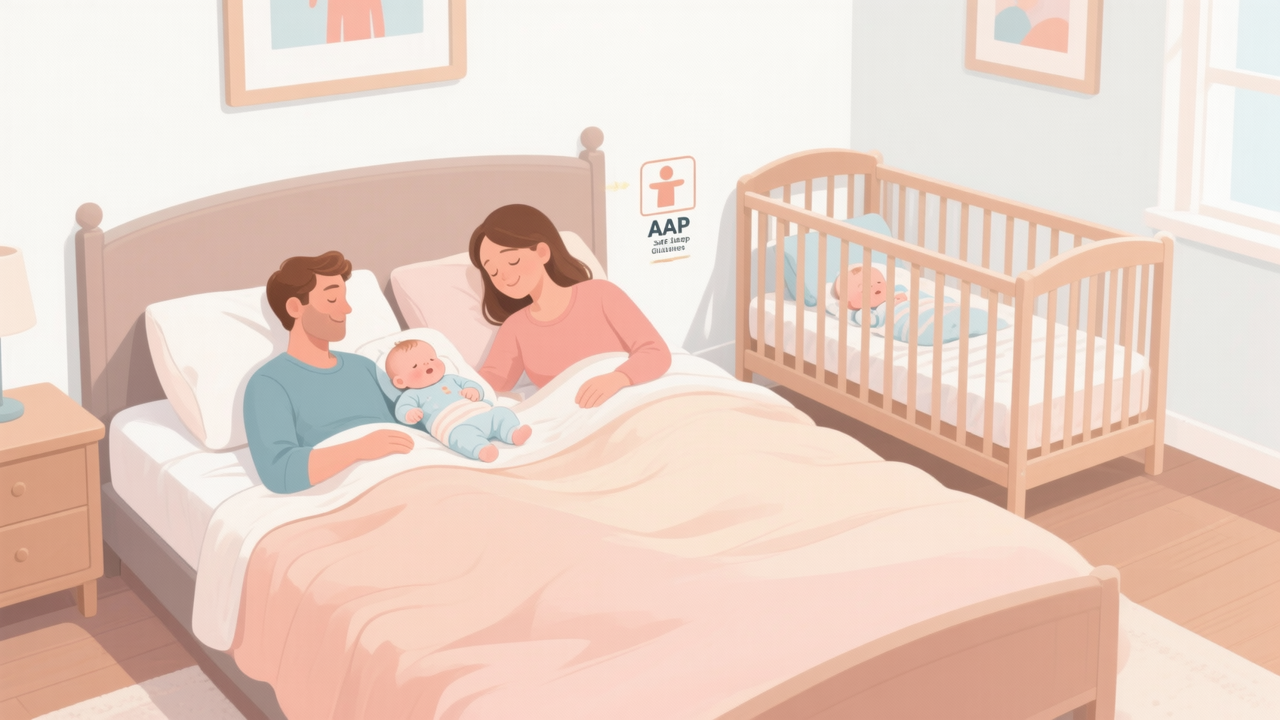
The only recommended sleep spaces are:
- A bare crib with a firm mattress and a fitted sheet.
- A bare bassinet with a firm, flat surface and a fitted sheet.
- A certified playard with its own firm mattress, used per the maker’s instructions.
Nothing soft should be in the sleep space: no bumpers, pillows, blankets, stuffed toys, or positioners.
Supervised use only
If you use a lounger while your baby is awake, follow strict rules:
- Keep it on the floor—never on a table, bed, sofa, or other surface where a roll could mean a fall.
- Stay with the baby the whole time. A baby can shift or roll unexpectedly, even in a “non-rolling” stage.
- Use it for short breaks only, not as a place to leave the baby.
- Never place a lounger inside a crib or bassinet. Adding padding to a sleep space defeats its safety.
Recall note
Several lounger brands have been recalled after infant deaths linked to these products. Check the U.S. Consumer Product Safety Commission (CPSC) site for your model before use. Recalls often follow reports of babies suffocating in padded nests. If your lounger has been recalled, stop using it for any purpose and follow the recall instructions.
Baby lounger is not a scare tactic—it is a documented pattern. The padded, enclosed design is the problem, and no brand is exempt from the physics.
What parents can do instead
- For awake breaks: a floor mat, play gym, or blanket on the floor gives a safe, flat place to rest and play while you supervise.
- For sleep: a crib or bassinet only, with a firm mattress and fitted sheet.
- For contact: a soft carrier worn by an awake caregiver, or a held nap with you awake, is fine. The moment you need to sleep or step away, move the baby to the flat, firm space.
Age-specific guidance
Newborn to 3 months
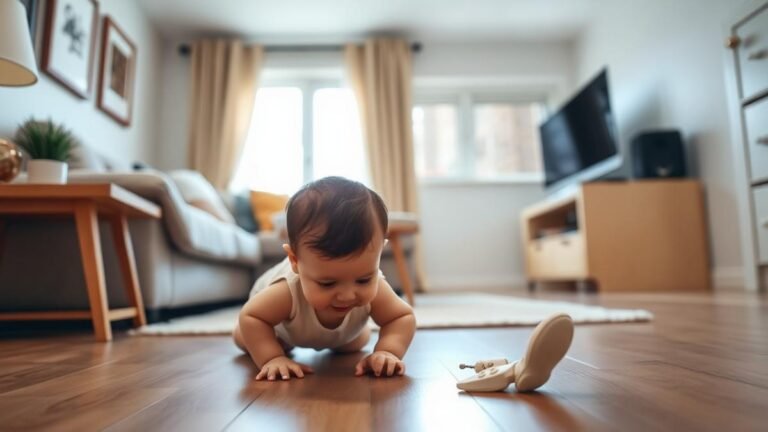
Newborns are the most vulnerable because they cannot roll or lift their head. Keep all sleep in a crib or bassinet. A lounger for awake floor time is fine only with direct supervision.
4 to 6 months
Rolling begins. A lounger becomes more dangerous because the baby can roll into the padded side. Stop lounger use for any unsupervised moment, and never for sleep.
7 to 12 months
Mobile babies can move in any product. The rule is unchanged: loungers are for brief, supervised awake time on the floor, never for sleep.
Sample safe-sleep setup
| Item | Safe choice | Avoid |
|---|---|---|
| —— | ————- | ——- |
| Sleep surface | Firm, flat crib or bassinet mattress | Lounger, soft nest, inclined seat |
| Bedding | Fitted sheet only | Loose blanket, bumpers, pillows |
| Position | On the back | On the side or stomach for sleep |
| Location | Same room as caregiver | Sofa, armchair, adult bed sharing |
A baby lounger sleep safety checklist
- [ ] Is the baby sleeping only in a crib or bassinet with a firm mattress?
- [ ] Is the lounger used only while the baby is awake and supervised?
- [ ] Is the lounger on the floor, not an elevated surface?
- [ ] Have you checked CPSC for a recall on your model?
- [ ] Is there nothing soft in the baby’s sleep space?
- [ ] Do all caregivers know loungers are not for sleep?
Safety reminders
Baby lounger sleep safety rests on the core AAP safe-sleep rules:
- Always place your baby on their back to sleep, for every sleep.
- Use a firm, flat surface with a fitted sheet only.
- Keep the sleep space free of bumpers, loose blankets, pillows, and positioners.
- Do not use loungers, inclined seats, or sleep positioners for sleep.
- Avoid bed-sharing, especially on soft surfaces like couches or adult beds with soft bedding.
- Room-share without bed-sharing for at least the first six months.
No product—lounger, wedge, or positioner—should be added to a safe sleep space. The bare, flat, firm crib is the standard.
When to Call Your Pediatrician
If your baby ever fell asleep in a lounger and you are worried, review safe sleep with your pediatrician. Also call if:
- Your baby shows poor weight gain or fewer wet diapers.
- There is a fever, especially under three months.
- You notice breathing changes: fast, noisy, or paused breathing.
- Your baby has a high-pitched or weak cry that is new.
- Signs of dehydration appear, like a dry mouth or no tears.
- You want help choosing a safe sleep product for your home.
Your pediatrician can confirm safe options and check your baby’s growth and breathing.
FAQ
Why is baby lounger sleep safety such a firm “no” for sleep?
Because loungers are soft, padded, and often inclined—none of which meets the firm, flat standard. The padding can mold around a baby’s face and the sides can block airflow, raising suffocation risk during sleep when no one is actively watching.
Can I use a lounger for supervised naps if I watch?
Even supervised, a lounger is not a sleep-certified surface. If your baby dozes, move them to a crib or bassinet. The risk is not only about watching—it is about the surface itself.
What about a Dock-a-Tot or similar nest?
Products like padded nests fall under the same caution. They are not safe sleep surfaces. Use them only for awake, supervised floor time, never for sleep, and never inside a crib.
Related reading: Newborn Won’t Sleep in Bassinet? 7 Fixes That Actually Work.
Is a bouncer or swing safer than a lounger for sleep?
No. Inclined seats, bouncers, and swings are also not safe for routine sleep. If your baby falls asleep in one, move them to a flat, firm surface. The flat-and-firm rule applies to all of them.
What should I do with a recalled lounger?
Stop using it for any purpose and follow the CPSC recall instructions, which may include a refund or disposal. Do not pass it to another family, because the safety risk remains.
How to check for a recall
Before using any infant product, check the CPSC recall list for the exact brand and model. Recalls on loungers and similar padded nests have followed infant deaths, so this step matters. If your product is recalled, stop using it for any purpose and follow the recall instructions, which may include a refund or safe disposal. Do not pass a recalled item to another family.
Talking to grandparents and caregivers
Well-meaning caregivers may suggest “just let the baby nap in the lounger, we did it with you.” Kindly share the current guidance: loungers are not safe sleep surfaces. Show them the crib or bassinet and the simple routine. Keeping every caregiver aligned protects the baby no matter who is watching.
Safe alternatives comparison
| Need | Safe choice | Not safe |
|---|---|---|
| —— | ————- | ———- |
| Awake break | Floor mat, play gym | Lounger for sleep |
| Sleep | Crib or bassinet, firm | Soft nest, incline |
| Contact | Worn carrier, held nap | Lounger on a surface |
| Travel | Certified playard | Lounger inside crib |
This makes the swap simple: match the need to a safe surface, never a padded nest for sleep.
What if the baby only sleeps in the lounger
Some babies resist the crib and seem to sleep only in a lounger. This is a habit, not a need. Move the baby to the crib or bassinet for every sleep, starting with one nap. Use the same routine and a sleep sack. It may take several days, but babies adapt. The short-term fuss is worth the long-term safety gain. Never let exhaustion lead to a lounger sleep on a couch or bed, where risk is highest.
The standards behind the warning
Safe-sleep rules come from research on sudden infant death and sleep-related injury. The consistent finding is that a firm, flat, clutter-free surface on the back is safest. Soft, inclined, or enclosed products do not meet that standard and have been linked to harm. The “no lounger for sleep” advice is not a preference; it is the evidence-based recommendation.
Building safe sleep habits early
The easiest path is to use the crib or bassinet from day one for all sleep, so the baby never learns the lounger as a sleep spot. If a lounger is in the home, keep it for short, supervised awake floor time only, and store it out of the sleep area. Clear habits formed early prevent the harder later switch.
What to do if your baby falls asleep in a lounger
If your baby dozes off in a lounger during awake time, stay with them and move them to a flat, firm surface as soon as you can. Do not leave them there, and do not place the lounger in a crib or bassinet. A brief supervised doze is not the same as planned sleep, but the safe move is always to transfer.
Travel without a lounger
On the go, use a certified travel crib or playard with its own firm mattress for sleep. For awake time, a blanket on the floor works as a safe spot. Skip the lounger entirely; it adds risk without benefit when a safe sleep space is available.
Recognizing marketing claims
Products may be labeled “for supervised rest” or “cozy,” which can blur the line with sleep. Read carefully: if it is soft, padded, and inclined, it is not a safe sleep surface, regardless of wording. When unsure, choose the plain crib or bassinet. The marketing does not change the safety science.
See also: Baby Rolls in Sleep and Gets Stuck.
Creating a safe sleep corner at home
Designate one clear, safe sleep space—the crib or bassinet—and use it for every sleep. Keep the area free of loungers, pillows, and loose items. A simple, uncluttered sleep corner removes the temptation to use a lounger “just this once.” When the safe option is the easy option, good habits form without daily debate.
What to tell a babysitter or relative
Before leaving your baby with anyone, state the rule plainly: sleep happens only in the crib or bassinet, on the back, with nothing soft. Show them where the safe space is and how the routine goes. Well-meaning sitters may reach for a lounger because it seems cozy; a clear instruction prevents that. Share the same message with grandparents so the rule holds everywhere.
Why “just this once” is risky
Baby lounger is tempting to let a fussy baby nap in a lounger “just this once” when nothing else works. But habits form fast, and one soft-surface sleep teaches the baby that the lounger is a sleep spot. Worse, the risk is not about frequency—an unsafe surface is unsafe the first time. Holding the baby or using the crib is always the safer choice, even in a hard moment.
A simple safe-sleep checklist for the home
- [ ] Baby sleeps only in a crib or bassinet with a firm mattress.
- [ ] No lounger, pillow, bumper, or loose blanket in the sleep space.
- [ ] Baby placed on the back for every sleep.
- [ ] Lounger, if present, used only for awake floor time with supervision.
- [ ] All caregivers know and follow the same rule.
This checklist turns a complex topic into a short daily habit that protects your baby.
How to respond if a caregiver uses a lounger for sleep
If you discover a caregiver let the baby sleep in a lounger, stay calm. Move the baby to the firm surface, and then clearly restate the rule for next time. One incident is a teaching moment, not a catastrophe. The goal is that it does not happen again. Most caregivers mean well and simply did not know the current guidance.
The bottom line on baby lounger sleep safety
To sum up: loungers are for short, supervised awake time on the floor only. They are never a sleep surface. A bare crib or bassinet with a firm mattress is the safe choice for every nap and night. Following this one rule removes the largest avoidable risk and lets your baby sleep as safely as possible.
One last reminder
Baby lounger sleep safety comes down to one clear rule: loungers are for awake, supervised floor time only—never for sleep. A bare crib or bassinet with a firm mattress is the safe choice every time. Share this rule with everyone who cares for your baby, and you remove the biggest avoidable sleep risk. Consistency keeps your baby safe.
Common Myths vs Facts
- Myth: “A tired baby will fall asleep anywhere.” Fact: Overtired babies make more cortisol, which fragments sleep.
- Myth: “A later bedtime always means a longer night.” Fact: Only if anchored to the baby’s true sleep need; too late backfires.
- Myth: “One rough night means failure.” Fact: Judge progress across 1–2 weeks, not a single night.
- Myth: “You must sleep-train.” Fact: Consistency, a dark room, and gentle boundaries resolve many issues without formal training.
If Nothing Works After Two Weeks
- Re-check total daytime sleep (too much or too little both fragment nights).
- Confirm the room is genuinely dark and quiet until your chosen wake time.
- Review the last nap’s timing so it does not steal the night.
- Rule out discomfort: illness, teething, reflux, ear pain, growth spurt.
- Call your pediatrician for a brief check to exclude underlying issues.
- Unsafe Baby Sleep Products
- If Your Baby Sleeps in a Swing
- When to Stop Swaddling
- American Academy of Pediatrics — A Parent’s Guide to Safe Sleep
- NICHD Safe to Sleep — Safe Sleep Environment
- CDC — About Sudden Unexpected Infant Death
- World Health Organization — Newborn Care
About the author
Dr. Michael Anderson, MD (Pediatrics) is a board-certified pediatrician on the ChildBloom medical panel, focusing on infant sleep, safe sleep environments, and responsive routines. This article was medically reviewed and approved by Dr. Ahmad Raza, MD (Pediatrics) against current AAP safe-sleep guidance. Read our editorial and review standards.
This guide is general education, not a diagnosis. If you are worried about your baby’s breathing, feeding, growth, or sleep, contact your pediatrician. For any breathing emergency, call emergency services immediately.
Baby lounger sleep safety: the bottom line
The incline design that makes loungers popular for awake time is exactly what creates baby lounger sleep safety risks. An inclined surface causes the baby’s head to tilt forward, which can compress the airway. Baby lounger sleep safety research shows that most positioner-related infant deaths involved an inclined, soft surface. This is why the AAP and CPSC both warn against using any lounger for unsupervised sleep. Use this baby lounger sleep safety checklist every time: Is the baby on a firm, flat surface? Is an adult actively watching? Is the baby positioned on their back? If any answer is no, the setup is not safe. Baby lounger sleep safety depends on constant adult supervision and a flat, firm surface.
Related ChildBloom Guides
- Start here: Safe Sleep Checklist: Room Sharing, Firm Mattresses & SIDS Preventi
- Room Sharing vs Separate Nursery
- Crib Bumpers & Weighted Sacks
- Safe Sleep for Preterm Babies
- Baby Choking Hazards: Prevention and Safer Mealtimes
- Bassinet Weight and Rolling Limits
- Browse all Sleep & Nursery guides
References & Medical Sources
- NICHD Safe to Sleep: safe sleep environment
- AAP parent guide to safe sleep
- CPSC safe sleep and crib product rules
- CDC data on SUID and SIDS
Reviewed by the ChildBloom pediatric panel. Learn about our physicians on the About page. This article is educational and does not replace your child’s clinician.