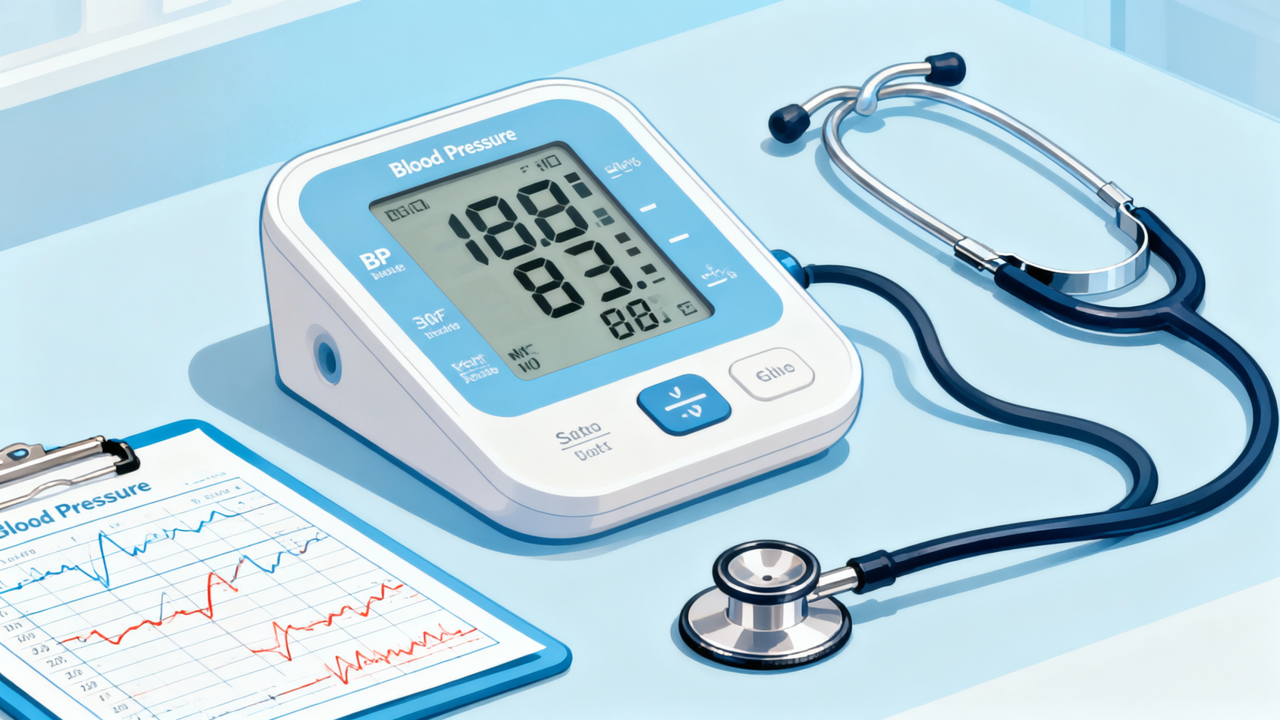
Pediatric Blood Pressure Percentile Calculator (AAP 2026)
Pediatric Blood Pressure Percentile Calculator
Pediatric blood pressure assessment is fundamentally different from adult assessment. In adults, fixed thresholds (120/80 mmHg) define normal BP, but in children, normal BP varies by age, sex, and height percentile. The American Academy of Pediatrics (AAP) 2017 clinical practice guideline defines hypertension as BP at or above the 95th percentile, confirmed on three separate visits.
According to the AAP, approximately 3.5% of children have hypertension, and many cases go undiagnosed. The 2017 guidelines simplified screening by providing BP tables based on age and height percentile, and eliminated the requirement for height measurement in children aged 13 years and older.
Key Fact: The AAP recommends blood pressure screening at every healthcare visit starting at age 3. For children with risk factors (obesity, kidney disease, diabetes), screening should begin earlier.
BP Categories (AAP 2017 Guidelines)
| Category | Children < 13 years | Adolescents ≥ 13 years |
|---|---|---|
| Normal | < 90th percentile | < 120/80 mmHg |
| Elevated | 90th-95th percentile | 120/<80 to 129/<80 mmHg |
| Stage 1 Hypertension | 95th-99th percentile + 5 mmHg | 130/80 to 139/89 mmHg |
| Stage 2 Hypertension | ≥ 99th percentile + 5 mmHg | ≥ 140/90 mmHg |
Calculator
Pediatric BP Percentile Calculator
/
How to Measure Blood Pressure in Children
Accurate blood pressure measurement in children requires proper technique:
- Use the correct cuff size: The cuff bladder width should be approximately 40% of the upper arm circumference, and the bladder length should cover 80-100% of the arm circumference.
- Proper positioning: The child should be seated quietly for 3-5 minutes before measurement, with back supported, feet flat on the floor, and the arm supported at heart level.
- Use the right arm: Always measure in the right arm to avoid false elevations from coarctation of the aorta.
- Average multiple readings: Take at least 2-3 readings and average them for the most accurate result.
Risk Factors for Pediatric Hypertension
Children at higher risk for hypertension include those with:
- Obesity or overweight (BMI ≥ 85th percentile)
- Family history of hypertension or cardiovascular disease
- Chronic kidney disease
- Diabetes (type 1 or type 2)
- Prematurity or low birth weight
- Sleep apnea
- Certain medications (stimulants, corticosteroids, oral contraceptives)
Frequently Asked Questions
What is normal blood pressure for children?
Normal blood pressure in children is below the 90th percentile for their age, sex, and height. For children 13 and older, normal BP is below 120/80 mmHg. The AAP 2017 guidelines define hypertension as BP at or above the 95th percentile.
How is pediatric blood pressure different from adult blood pressure?
Unlike adults who use fixed thresholds like 120/80 mmHg, children’s normal blood pressure varies by age, sex, and height percentile. A blood pressure reading that is normal for a 15-year-old may be high for a 5-year-old. The AAP uses percentile-based tables for accurate assessment.
When should I be concerned about my child’s blood pressure?
Consult your pediatrician if your child’s blood pressure is consistently at or above the 90th percentile. Risk factors include obesity, family history of hypertension, kidney disease, and certain medications. Regular screening begins at age 3.
How accurate is this calculator?
This calculator provides approximate percentile estimates based on AAP 2017 simplified tables. For clinical diagnosis, blood pressure must be confirmed on three separate visits. Always consult your pediatrician for professional assessment.

One Comment