Natural home remedies for baby neck rash

Baby Neck Rash Home Remedies: 9 Safe Treatments That Work

Medically reviewed by Dr. Ahmad Raza, MD (Pediatrics) — ChildBloom Medical Review Panel. Last updated: August 03, 2026.

Affiliate disclosure: ChildBloom may earn a commission from qualifying purchases made through links on this page. It never changes which products our pediatric reviewers recommend.

This pediatrician-reviewed guide to baby neck rash home remedies keeps things practical: what genuinely affects your baby’s safety and comfort, what marketing you can ignore, and how to decide quickly. Our guidance on baby neck rash home remedies follows current AAP, CDC and CPSC recommendations.

If you’ve noticed red, irritated skin in the folds of your baby’s neck, you’re not alone. Baby neck rash is one of the most common skin issues parents face, especially during the first year. The good news is that most cases can be treated effectively with simple baby neck rash home remedies that you can try right now.

Neck rashes happen when moisture, milk, drool, or sweat gets trapped in those adorable baby rolls. The warm, damp environment irritates delicate skin and can lead to redness, chafing, and sometimes infection.

This guide walks you through safe, pediatrician-approved treatments and prevention strategies. You’ll learn what works fast, what to avoid, and when to call the doctor.

Quick Answer: To treat baby neck rash at home, keep the area clean and dry with proper bath temperature, apply a barrier cream like petroleum jelly or zinc oxide, let the skin air-dry when possible, and use cool compresses for relief. Most rashes improve within 2-3 days with consistent care.


Table of Contents

  1. What Causes Baby Neck Rash?
  2. Signs Your Baby Has a Neck Rash
  3. 9 Baby Neck Rash Home Remedies That Work
  4. Best Products for Baby Neck Rash
  5. How to Prevent Neck Rash From Coming Back
  6. Neck Rash vs. Other Skin Conditions
  7. What Not to Do: Common Mistakes Parents Make
  8. Key Takeaways
  9. Frequently Asked Questions
  10. When to Call the Pediatrician
  11. Bottom Line
  12. References

What Causes Baby Neck Rash?

Baby neck rash happens when moisture and friction irritate the skin in those chubby neck folds. Here’s why it occurs:

Trapped moisture: Milk, formula, drool, and sweat collect in neck folds. The warm, damp environment breaks down the skin’s protective barrier.

Friction: Baby’s chin and chest rub against neck folds during movement. This constant friction irritates sensitive skin.

Sensitive baby skin: Infant skin is thinner and more delicate than adult skin. It reacts more quickly to moisture and irritation.

Overheating: Dressing baby too warmly causes sweating, which pools in skin folds and leads to rash.

Yeast overgrowth: Sometimes a yeast infection (Candida) develops in the warm, moist environment of neck folds. This causes a bright red rash with small satellite spots.

According to the American Academy of Pediatrics, skin fold rashes are very common in babies under 6 months, especially those with chubby necks or who spit up frequently. Similar care principles apply as with diaper rash prevention.

The rash typically appears in the creases and folds of the neck, where skin touches skin. If left untreated, it can become infected and more uncomfortable for your baby.


Signs Your Baby Has a Neck Rash

How do you know if your baby has a neck rash? Here’s what to look for:

Visual signs:

  • Red or pink patches in neck folds
  • Skin that looks raw or chafed
  • Small bumps or pimples
  • Cracked or peeling skin in severe cases
  • Moist or weepy appearance
  • Dry, flaky patches

Behavioral signs:

  • Fussiness when you touch or clean the neck area
  • Crying during bath time
  • Rubbing or scratching at the neck
  • Discomfort when lying on their back
  • Irritability during feeding (if rash is near the chin)

Smell:

  • A sour or yeasty odor may indicate a yeast infection
  • Normal baby smell should be mild and sweet

The rash is usually limited to the neck folds. If it spreads to other areas or doesn’t improve with home treatment, it may be a different skin condition.


9 Baby Neck Rash Home Remedies That Work

These methods are safe, effective, and can help your baby’s neck rash heal quickly.

1. Keep the Area Clean and Dry

Gently clean the neck folds with warm water and a soft cloth after feedings and whenever you notice moisture. Pat dry—don’t rub.

How to do it:

  • Use lukewarm water and a clean, soft washcloth
  • Gently stretch the neck folds to clean inside
  • Pat the area completely dry with a clean towel
  • Do this after every feeding and during Diaper changes

Why it works: Removing trapped moisture, milk, and drool prevents further irritation and reduces the risk of infection.

2. Apply a Barrier Cream

After cleaning and drying, apply a thin layer of barrier cream to protect the skin from moisture.

Best options:

  • Petroleum jelly (Vaseline) — Creates a waterproof barrier. Safe and effective.
  • Zinc oxide cream — Soothes irritation and protects skin. Commonly used for diaper rash but works well for neck rash too.
  • Aquaphor — Healing ointment that protects and moisturizes.
  • Lanolin cream — Natural option that soothes and protects.

How to apply:

  • Use a clean finger or cotton swab
  • Apply a thin layer to the affected area
  • Reapply after cleanings and before bedtime

Why it works: Barrier creams create a protective layer that prevents moisture from irritating the skin.

3. Let the Skin Air-Dry

Giving the neck area time to breathe helps it heal faster.

How to do it:

  • During Tummy Time, place a clean towel under baby’s chin
  • Let baby spend time without clothing around the neck
  • Use a fan on low setting to circulate air (keep baby warm otherwise)
  • Avoid covering the rash with tight clothing or blankets

Why it works: Air exposure helps moisture evaporate and promotes healing.

4. Use Cool Compresses

Cool compresses can soothe irritated skin and reduce inflammation.

How to do it:

  • Soak a clean washcloth in cool water
  • Wring it out well
  • Gently press it against the rash for 5-10 minutes
  • Repeat 2-3 times per day as needed

Why it works: Cool temperatures reduce inflammation and provide immediate relief from discomfort.

5. Try Breast Milk

Breast milk has natural antibacterial and anti-inflammatory properties that can help heal mild rash.

How to do it:

  • Apply a few drops of fresh breast milk to the affected area
  • Let it air-dry
  • Repeat 2-3 times daily

Why it might work: Breast milk contains antibodies and has anti-inflammatory properties. Some parents find it helps soothe mild irritation.

Important: Always do a patch test first. If the rash worsens, stop using this remedy.

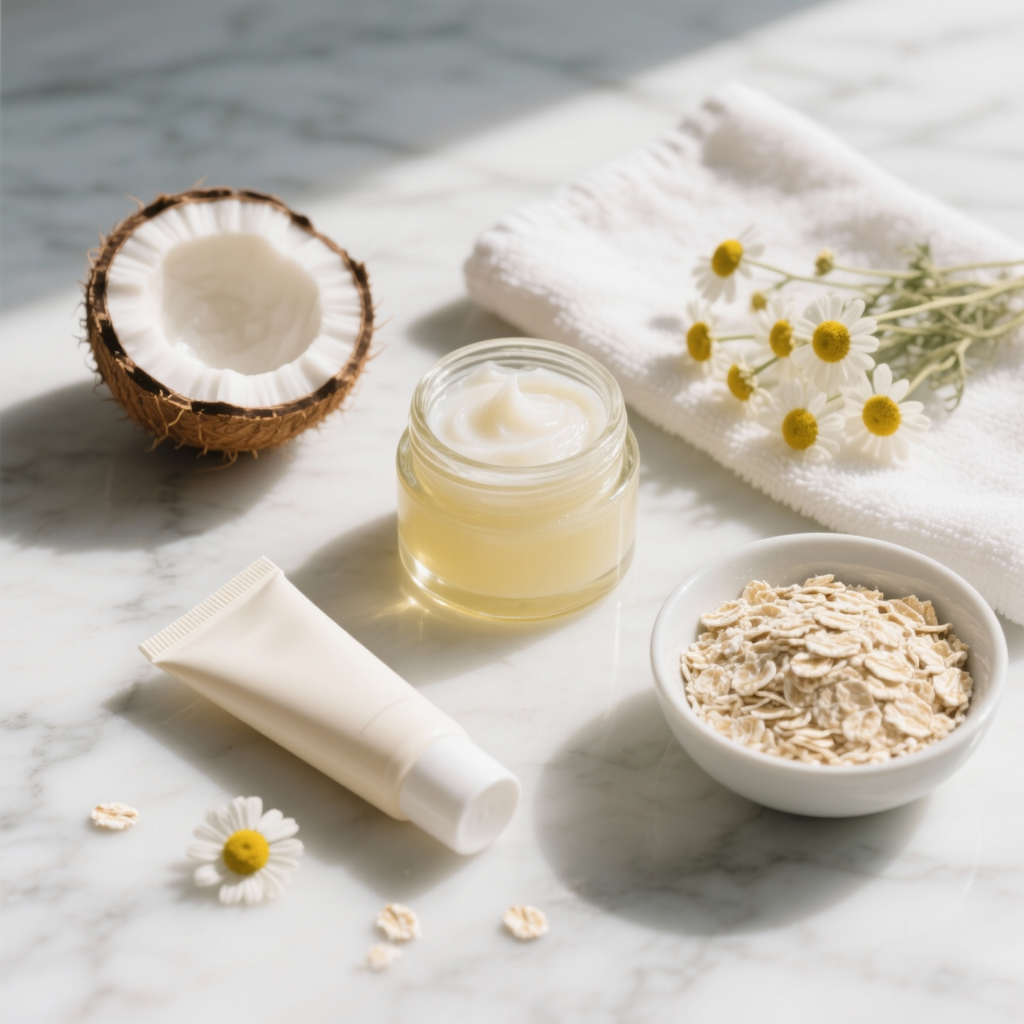
6. Use Coconut Oil

Coconut oil has natural antibacterial and moisturizing properties.

How to do it:

  • Apply a small amount of virgin coconut oil to the rash
  • Gently massage it into the skin
  • Use 2-3 times daily

Why it works: Coconut oil moisturizes dry skin and has mild antibacterial properties that may help prevent infection.

Important: Some babies may be sensitive to coconut oil. Do a patch test on a different area first.

7. Oatmeal Bath

For widespread irritation, an oatmeal bath can soothe the skin.

How to do it:

  • Add colloidal oatmeal (finely ground) to a lukewarm bath
  • Let baby soak for 10-15 minutes
  • Pat dry gently—don’t rub
  • Apply barrier cream immediately after

Why it works: Oatmeal has anti-inflammatory properties that reduce itching and irritation.

8. Check for Yeast Infection

If the rash is bright red with small satellite spots, it may be a yeast infection.

What to look for:

  • Bright red rash that doesn’t improve with regular treatment
  • Small red dots around the main rash (satellite lesions)
  • Sour or yeasty smell
  • Rash that spreads quickly

Home treatment:

  • Keep the area very clean and dry
  • Apply an over-the-counter antifungal cream like clotrimazole (Lotrimin)
  • Continue treatment for 7-10 days, even if the rash improves

When to see a doctor: If the rash doesn’t improve after 3-4 days of home treatment, or if it spreads, see your pediatrician. They may prescribe a stronger antifungal.

9. Adjust Clothing and Environment

Sometimes simple changes in clothing and environment can prevent and treat neck rash.

What to do:

  • Dress baby in loose, breathable cotton clothing
  • Avoid overdressing—check if baby is sweating
  • Keep room temperature comfortable (68-72°F or 20-22°C)
  • Use a humidifier if the air is very dry

Why it works: Breathable fabrics and comfortable temperatures reduce sweating and moisture buildup in neck folds.


Best Products for Baby Neck Rash

Not all products are created equal. Here’s what pediatricians recommend for treating baby neck rash.

Product TypeExamplesHow It Helps
Barrier creamsPetroleum jelly, Aquaphor, LanolinCreates protective layer against moisture
Zinc oxide creamsDesitin, Boudreaux’s Butt PasteSoothes irritation and protects skin
Gentle cleansersFragrance-free baby washCleans without drying or irritating
Soft cotton clothsMuslin burp cloths, bamboo wipesGentle cleaning without friction
Antifungal creamsClotrimazole (Lotrimin)Treats yeast infections
Colloidal oatmealAveeno Baby Soothing BathSoothes widespread irritation

Natural Remedies That Work

Coconut oil: Has natural antibacterial and moisturizing properties. Apply a small amount to the affected area 2-3 times daily.

Breast milk: Some parents find that applying a few drops of breast milk helps heal the rash. Breast milk contains antibodies and has anti-inflammatory properties.

Oatmeal bath: For widespread irritation, an oatmeal bath can soothe the skin. Use colloidal oatmeal designed for babies.

Important: Always do a patch test before trying new products. Apply a small amount to a different area of skin and wait 24 hours to check for reactions.


How to Prevent Neck Rash From Coming Back

Prevention is easier than treatment. Once you’ve cleared the rash, follow these steps to keep it from returning.

Keep Neck Folds Dry

After every feeding and bath, gently pat the neck folds dry. Check throughout the day for trapped moisture.

Apply Barrier Cream Proactively

During peak drooling times or before going outside, apply a thin layer of petroleum jelly or zinc oxide cream to protect the skin.

Avoid Overheating

Dress baby in layers you can easily remove. Check if baby is sweating by feeling their chest or back of neck.

Clean Spills Immediately

When milk, formula, or drool gets on baby’s neck, clean it right away. Don’t let it sit and soak into the skin.

Use Absorbent Bibs

Soft, absorbent bibs can catch drool and milk before it reaches the neck folds. Change bibs frequently throughout the day.

Give Baby Tummy Time

Tummy time helps strengthen neck muscles and reduces the amount of time skin folds are pressed together.


Neck Rash vs. Other Skin Conditions

Not every rash on baby’s neck is a simple moisture rash. Here’s how to tell the difference.

Neck Rash vs. Eczema

Moisture neck rash:

  • Confined to neck folds
  • Appears after moisture exposure
  • Improves with keeping the area dry

Eczema:

  • Can appear anywhere on the body
  • Often runs in families
  • Skin feels very dry, rough, and may ooze
  • Requires specific eczema treatment

Neck Rash vs. Contact Dermatitis

Moisture neck rash:

  • Caused by trapped moisture and friction
  • Limited to neck folds

Contact dermatitis:

  • Caused by reaction to a substance (new soap, detergent, fabric)
  • Can appear wherever the irritant touched
  • May blister or peel

Neck Rash vs. Yeast Infection

Moisture neck rash:

  • Pink or red, slightly irritated
  • Improves with keeping dry

Yeast infection:

  • Bright red with satellite spots
  • Doesn’t improve with regular treatment
  • May have a yeasty smell
  • Requires antifungal treatment

If you’re unsure what’s causing the rash, have your pediatrician take a look.


What Not to Do: Common Mistakes Parents Make

Avoid these common mistakes that can make neck rash worse.

Don’t use adult skincare products. Baby skin is too sensitive for adult creams, lotions, or treatments.

Don’t scrub the area. Rubbing irritates the skin further. Pat gently instead.

Don’t use harsh soaps. Fragranced or antibacterial soaps can dry out and irritate baby’s delicate skin.

Don’t overdress baby. Too many layers cause sweating, which makes rash worse.

Don’t ignore the rash. Untreated neck rash can become infected. Treat it early and consistently.

Don’t use steroid creams without a doctor’s guidance. Hydrocortisone or other steroid creams should only be used under pediatrician supervision for baby skin rashes.

Don’t use powders. Talcum powder or cornstarch can cake in the folds and make the problem worse. Powders also pose an inhalation risk.


Key Takeaways

  • Baby neck rash is caused by trapped moisture and friction in neck folds
  • Keep the area clean and dry by gently patting (not rubbing) after feedings
  • Apply barrier cream like petroleum jelly or zinc oxide to protect the skin
  • Let the skin air-dry when possible to promote healing
  • Check for yeast infection if the rash is bright red with satellite spots
  • Most neck rashes improve within 2-3 days with consistent care
  • See your pediatrician if the rash spreads, oozes, or doesn’t improve with home treatment

Frequently Asked Questions

How long does baby neck rash usually last?

A simple moisture neck rash typically improves within 2-3 days with proper treatment. Yeast infections may take 7-10 days to clear with antifungal treatment. If the rash persists longer than a week or gets worse, consult your pediatrician.

Is baby neck rash contagious?

No, moisture-related neck rash is not contagious. It’s caused by trapped moisture and friction, not by an infection. However, if the rash becomes infected with yeast or bacteria, it may require medical treatment.

Can I use diaper rash cream on baby’s neck?

Yes, zinc oxide diaper rash creams like Desitin are safe for treating neck rash. They create a protective barrier and soothe irritation. Apply a thin layer to the affected area after cleaning and drying.

What’s the best cream for baby neck rash?

The best creams are barrier ointments like petroleum jelly (Vaseline), Aquaphor, or zinc oxide creams. These create a protective layer that prevents moisture from irritating the skin. For yeast infections, an antifungal cream like clotrimazole is needed.

When should I worry about a neck rash?

Contact your pediatrician if the rash spreads beyond the neck folds, develops blisters or oozing, has honey-colored crusts, doesn’t improve after a week of treatment, or if your baby seems to be in significant pain or has a fever.

Can Teething cause neck rash?

Yes, excessive drooling during teething can contribute to neck rash. The extra moisture pools in neck folds and irritates the skin. Use absorbent bibs and apply barrier cream to protect the skin during peak teething times.

How do I clean baby’s neck folds properly?

Gently stretch the neck folds and clean inside with a soft, damp washcloth. Use lukewarm water and a mild, fragrance-free baby wash if needed. Pat the area completely dry—don’t rub. Do this after feedings and during bath time.

Is it safe to use coconut oil on baby’s neck?

Yes, coconut oil is generally safe for baby’s skin. It has natural antibacterial and moisturizing properties. Apply a small amount to the affected area 2-3 times daily. Always do a patch test first to check for sensitivity.

Can neck rash lead to infection?

Yes, if left untreated or if bacteria or yeast enter through irritated skin, a neck rash can become infected. Signs of infection include increased redness, swelling, warmth, pus, or fever. Seek medical care if you notice these signs.

Should I take my baby to the doctor for every neck rash?

No, most neck rashes can be treated at home with barrier creams and gentle skin care. However, see your pediatrician if the rash doesn’t improve after a week, spreads, oozes, or if you suspect a yeast infection that isn’t responding to over-the-counter treatment.


When to Call the Pediatrician

Contact your doctor if your baby shows any of the following:

  • Rash that spreads beyond the neck folds
  • Blisters, oozing, or honey-colored crusts
  • Rash that doesn’t improve after 7 days of home treatment
  • Signs of infection: increased redness, swelling, warmth, or pus
  • Fever over 100.4°F (38°C)
  • Baby seems to be in significant pain or distress
  • Bright red rash with satellite spots (signs of yeast infection)
  • Rash that keeps coming back despite prevention efforts

These signs may indicate a different skin condition or an infection that needs medical treatment.


Bottom Line

Learning how to treat baby neck rash with home remedies doesn’t have to be complicated. The key is keeping the area clean and dry, applying barrier cream consistently, and preventing moisture buildup in those adorable neck folds.

Most neck rashes clear up within a few days with proper care. Use soft cloths, barrier ointments like petroleum jelly or zinc oxide, and give the skin time to breathe.

If the rash doesn’t improve or you notice signs of infection, don’t hesitate to call your pediatrician. They can help you determine if it’s a simple moisture rash or a yeast infection that needs antifungal treatment.

With consistent care, your baby’s skin will heal, and you’ll both get more comfortable rest.


References

  1. American Academy of Pediatrics (AAP). Infant Skin Care. HealthyChildren.org. https://www.healthychildren.org
  2. Mayo Clinic. Intertrigo. https://www.mayoclinic.org
  3. NHS (UK). Nappy Rash. https://www.nhs.uk
  4. Cleveland Clinic. Intertrigo. https://my.clevelandclinic.org
  5. Seattle Children’s Hospital. Diaper Rash and Skin Fold Rash. https://www.seattlechildrens.org
  6. Journal of Pediatric Dermatology. Intertrigo in Infants: Diagnosis and Management.


Medical Disclaimer

Medical Disclaimer: This article is for informational purposes only and does not replace professional medical advice. Always consult a qualified pediatrician for diagnosis and treatment of your baby’s specific condition. If your baby shows signs of infection, fever, or severe distress, seek emergency medical care immediately. The information provided here reflects current pediatric guidelines as of the publication date and may not include the most recent updates.

Baby neck rash home remedies: quick pediatrician summary

If you read nothing else about baby neck rash home remedies: choose the option that meets current safety standards, fits your baby’s current age and weight, and that you can use correctly every single time without shortcuts. Consistency beats features. When two products are close, pick the simpler one — fewer parts means fewer ways to use baby neck rash home remedies unsafely.

Common mistakes parents make

  • Buying for the baby your child will be in six months rather than the baby in front of you today.
  • Adding extra padding, inserts or accessories the manufacturer did not test.
  • Skipping the manual — most safety failures we see are correct products used incorrectly.
  • Reusing older hand-me-downs that predate current safety standards or have been recalled.

Related ChildBloom guides

References and further reading

Medical disclaimer

This article is general information, not individual medical advice. Every baby is different — talk to your own pediatrician about your child’s feeding, sleep, growth or development, and seek urgent care for breathing difficulty, poor feeding, dehydration, fever in an infant under 3 months, or any sudden change in your baby’s behaviour.

Similar Posts

One Comment

Leave a Reply

Your email address will not be published. Required fields are marked *