Top White Noise Machines for Babies: Decibel-Safe & Effective Ped
Pediatrician-reviewed top white noise machines for babies: decibel-safe picks, volume and distance guidelines, and the best sound machines for safer infant sleep.
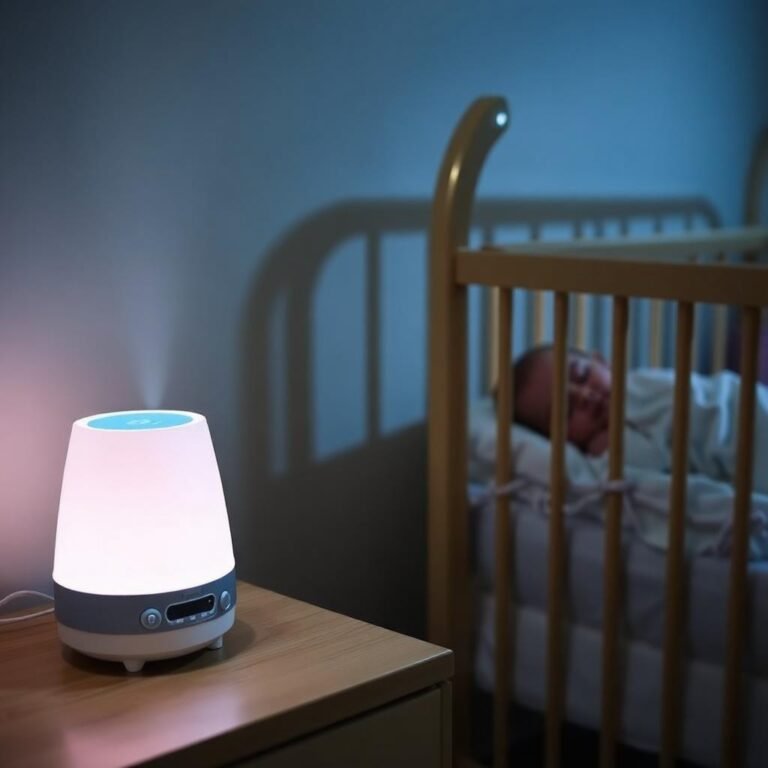
Pediatrician-reviewed top white noise machines for babies: decibel-safe picks, volume and distance guidelines, and the best sound machines for safer infant sleep.

A board-certified pediatrician breaks down the science of baby sleep — from newborn sleep cycles to sleep training — with evidence-based product recommendations for swaddles, white noise, monitors, and safe sleep environments.
When your baby wakes every hour, it is exhausting — but not always a problem. A pediatrician explains how to tell the difference between active sleep noises, true hunger, and sleep associations that need to change.

The 4-month sleep regression is not a phase — it is a permanent neurological transition. A pediatrician explains the brain science behind it and gives parents an evidence-based survival plan.

Around 16 weeks, most babies experience a permanent change in sleep architecture that looks like a regression. Here’s the science, the timeline, and the evidence-based playbook to get through it.
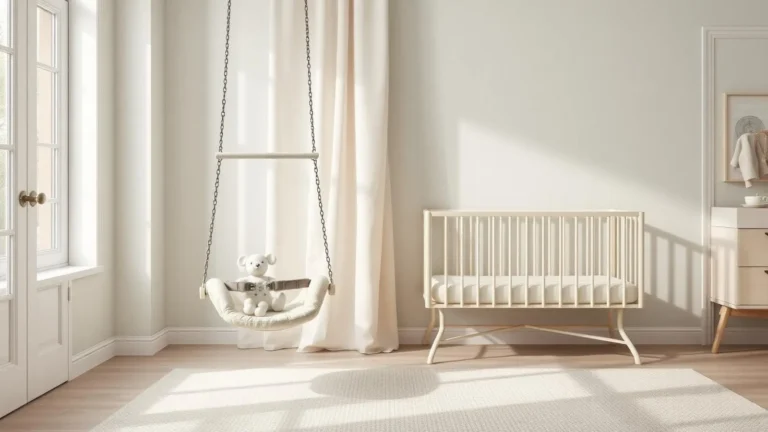
Pediatricians and the AAP say no — babies should not sleep in swings, especially not overnight. Here’s the evidence, the risks, and safe alternatives.
Baby sleep positioners are linked to at least 13 infant deaths. The FDA, CPSC, and AAP all warn against them. Here’s the evidence — and safe alternatives.
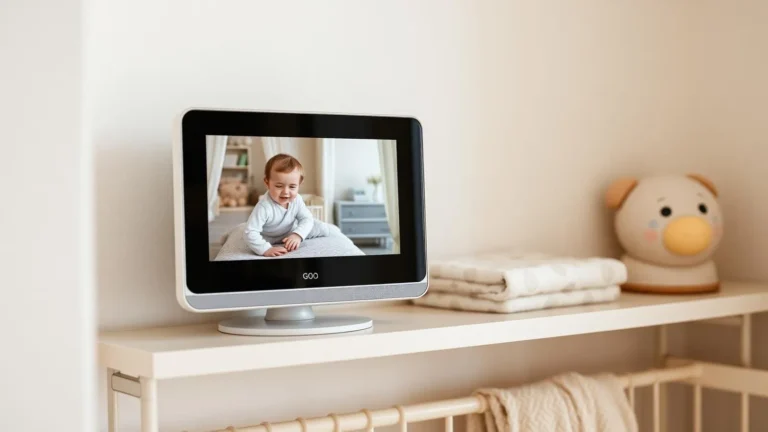
Wondering when to stop using a baby monitor? A pediatrician explains the right age (usually 3-4 years), signs your child is ready, and what to watch for.

1–3 night wakings are normal in the first year. A pediatrician explains hunger vs habit, the 4-month sleep shift, and the right first step at every age.
The 30–45 minute nap is normal — but fixable. A pediatrician’s age-by-age nap chart, four proven fixes, and when short naps are actually fine.

An overtired baby fights sleep because of cortisol, not stubbornness. A pediatrician explains early cues, wake windows by age, and how to break the cycle.
Learn how to spot an overtired baby, why it happens, and simple fixes pediatricians recommend to get your baby sleeping calmly again.

Is your baby only sleeping when held? Learn the real causes, safe solutions, and gentle steps pediatricians recommend to help your baby sleep in the crib.

A pediatrician-authored guide to the 4-month sleep regression: why it happens, how long it lasts, the exact 7-step survival plan, red flags, and FAQs.
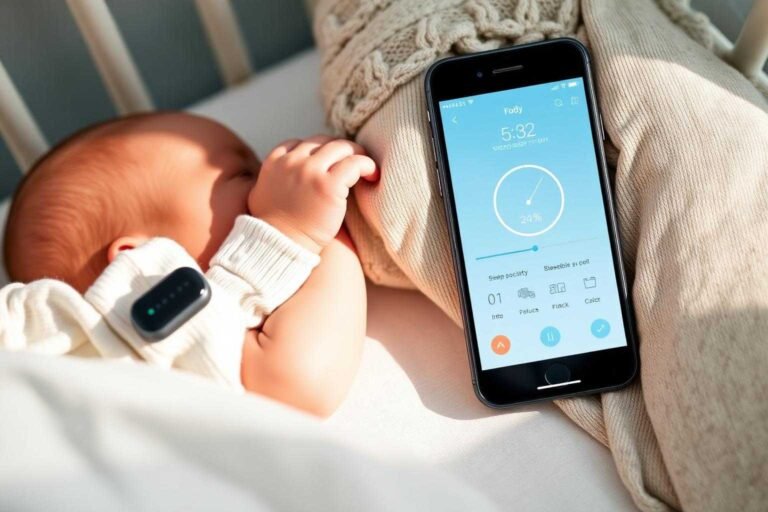
Get a 6-month baby sleep schedule that works: sample daily routine, nap count, total sleep hours, and pediatrician-backed tips to help your baby sleep better.
Ferber vs cry it out: compare both sleep-training methods, how each works, age guidance, and pediatrician advice. Find the right fit for your baby tonight.
The 6-month sleep regression disrupts hard-won routines. Learn the causes, signs, and gentle pediatrician-backed tips to help your baby sleep better through the night.
How many naps by age does your baby need? See our 0–24 month nap chart, age-by-age schedules, wake windows, and when to call your pediatrician.

Newborns sleep up to 17 hours a day because their brains, bodies, and immune systems are growing faster than at any other point in life. Here is what is happening, what is normal, and when to worry.
We use cookies to improve your experience on our site. By using our site, you consent to cookies.
Manage your cookie preferences below:
Essential cookies enable basic functions and are necessary for the proper function of the website.
These cookies are needed for adding comments on this website.
Statistics cookies collect information anonymously. This information helps us understand how visitors use our website.
Google Analytics is a powerful tool that tracks and analyzes website traffic for informed marketing decisions.
Service URL: policies.google.com (opens in a new window)