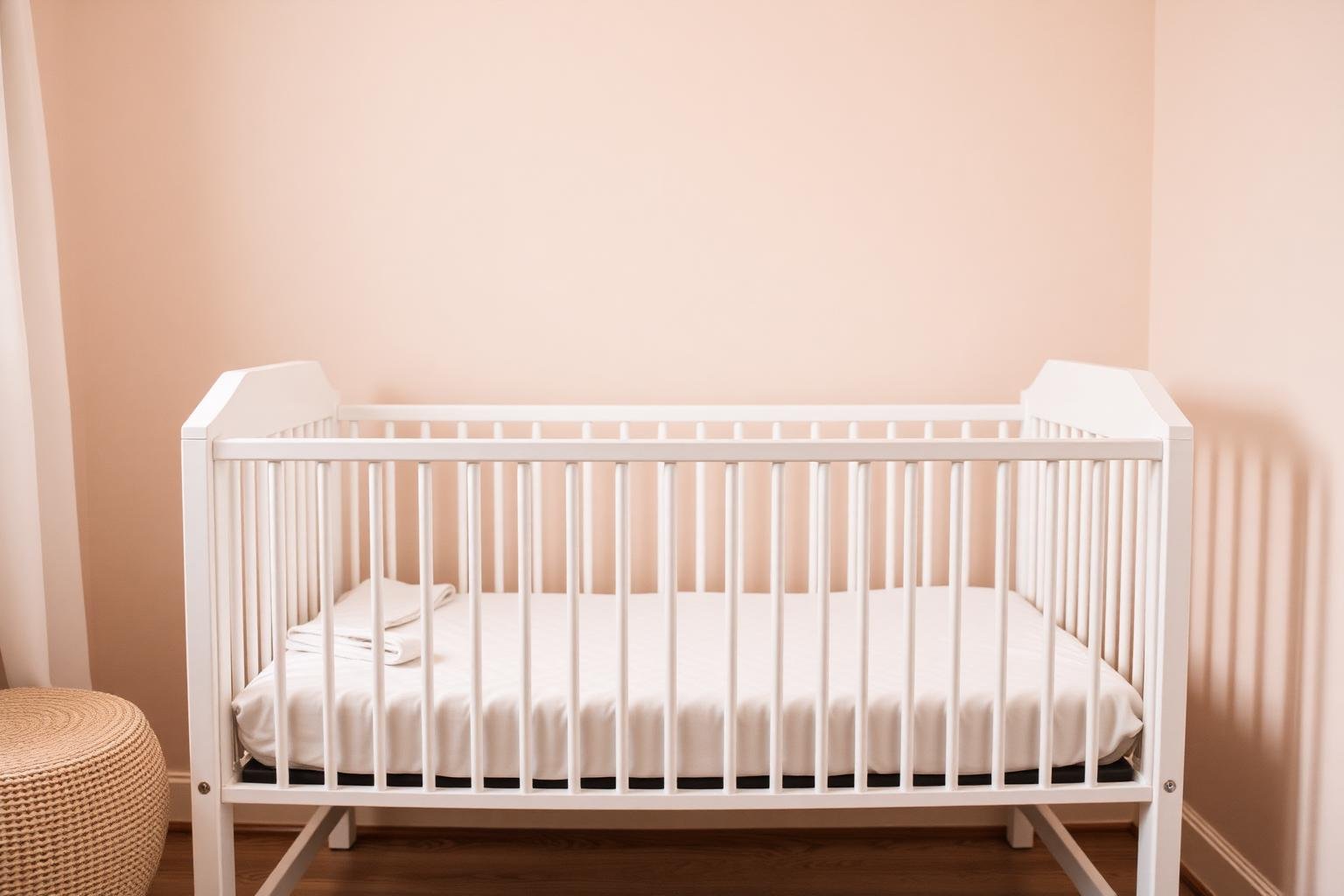
Pat and Shush Method vs Ferber Sleep Training Guide
Quick Comparison of Sleep Training Methods
| Method | Typical Age | Crying | Time to Results | Parent Involvement | Best For |
|---|---|---|---|---|---|
| Unmodified Extinction (CIO) | 6+ mo | High | 3–5 nights | Low | Parents comfortable with no-checking |
| Ferber (Graduated Extinction) | 5+ mo | Moderate | ~1 week | Medium | Most families wanting a structured plan |
| Chair / Fading (Sleep Lady Shuffle) | 4+ mo | Low–moderate | 1–2 weeks | High (in room) | Parents who can’t leave the room |
| Pick Up / Put Down | 4–8 mo | Low | 1–2 weeks | High | Younger babies, minimal crying |
| Gentle / No-Tears | Any | None | 2–4 weeks | High | Families avoiding cry-based methods |
| Pat & Shush | 0–4 mo (not formal ST) | None | Gradual | High | Newborns needing soothing rhythms |
Note: Formal cry-based sleep training is generally recommended from about 5–6 months. Before that, focus on routines and gentle soothing. Always discuss with your pediatrician.
The Evolutionary Biology and Physiology of Infant Sleep
Infant sleep patterns are poles apart from adult sleep due to rapid brain growth. Incorporating gentle settling techniques like the pat and shush method can support this development early on. Newborns spend nearly half of their sleeping hours in active, rapid eye movement sleep, which makes them prone to waking up often.
By four months of age, a baby’s brain starts making melatonin in response to sunset and sunrise. This biological shift marks the period when structured sleep training becomes developmentally appropriate. Pediatricians often recommend establishing consistent bedtime routines during this window to support natural daily rhythms.
A study published in the journal Pediatrics in 2012 showed that sleep training does not cause long-term emotional or developmental harm. Researchers measured stress hormones in saliva and found no notable differences between trained and untrained babies. This medical agreement offers peace of mind to parents facing the tough choices of sleep training.
Understanding these patterns helps parents build healthy sleep habits. A baby sleep cycle lasts about forty to fifty minutes, whereas an adult cycle takes ninety minutes. When moving between these cycles, infants enter a state of light waking where they must learn to soothe themselves to stay asleep.
The Unmodified Extinction Method: Pure Cry-It-Out
Unmodified extinction is one of the oldest and most direct sleep training choices. Supported strongly by pediatrician Dr. Marc Weissbluth, this path requires parents to place their fully awake baby in the crib and leave the room.
The parent does not return until the morning, except in cases of illness or direct danger.
The psychology behind this choice relies on classical conditioning. By removing the parental reaction to crying, the baby eventually learns that crying does not bring comfort. Soon, the baby stops crying and starts using self-soothing behaviors to fall asleep.
Clinical tests show that this strategy often brings success within three to five nights. This fast timeline makes it highly appealing to families dealing with severe exhaustion. Even so, the emotional weight on parents during the first few nights is heavy.
Some argue that this style causes too much worry and raises stress hormones. However, long-term follow-up studies show no difference in bonding styles or emotional growth between children who went through this and those who did not. The choice remains a personal one based on parental comfort with crying.
The Ferber Method: Systematic Graduated Extinction
Dr. Richard Ferber introduced graduated extinction in his well-known book on childhood sleep solutions. This plan offers a middle path between leaving the room entirely and staying by the crib.
Parents place their child in the crib awake but return at increasingly longer intervals to offer brief comfort.
These check-ins must remain short, usually lasting only a minute or two. Parents do not pick up the baby during these visits, as doing so restarts the crying cycle. The main goal is to show the child that parents are near without making them dependent on holding.
The waiting times grow larger both during a single night and over the following nights. For instance, the first night starts with waits of three, five, and ten minutes. By the fifth night, the first wait extends to fifteen minutes, pushing the baby to develop independent sleeping skills.
This organized plan gives parents a clear path forward, lowering the stress of making choices during hard nights. It allows the infant to learn self-soothing while knowing that comfort is still nearby. The Ferber method remains popular across the globe.
Gentle Sleep Training Approaches: A Compassionate Path
Gentle sleep training options prioritize keeping infant distress low and staying close to the child. These ideas appeal to caregivers who find crying-based choices too hard to maintain. While these routes require more time and patience, they build a calm sleep space through slow steps.
Popular gentle choices include the Sleep Lady Shuffle, created by family therapist Kim West, and various fading plans. In these setups, the parent stays in the room next to the crib, slowly moving their chair further away over several nights. This slow retreat helps the child adjust to sleeping alone.
Another gentle path is the No-Cry Solution by Elizabeth Pantley, which focuses on small, slow changes to sleep habits. Parents keep detailed sleep logs and slowly remove sleep associations like nursing or rocking. This plan demands a large time commitment, often taking several weeks to show clear results.
Parents seeking a middle ground often turn to gentle techniques like the pat and shush method to ease their child into independent sleep. This specific style bridges the gap between active rocking and total independence. It offers immediate touch comfort without removing the child from their safe crib.
Understanding the Gentle Pat and Shush Technique
Made popular by Tracy Hogg in her baby care books, the pat and shush method uses rhythmic sensory patterns to quiet a crying baby. This technique combines a firm, steady pat on the back with a loud, ongoing shushing sound close to the ear. The pairing of these two actions mimics the sounds of the womb, calming the baby’s nerves.
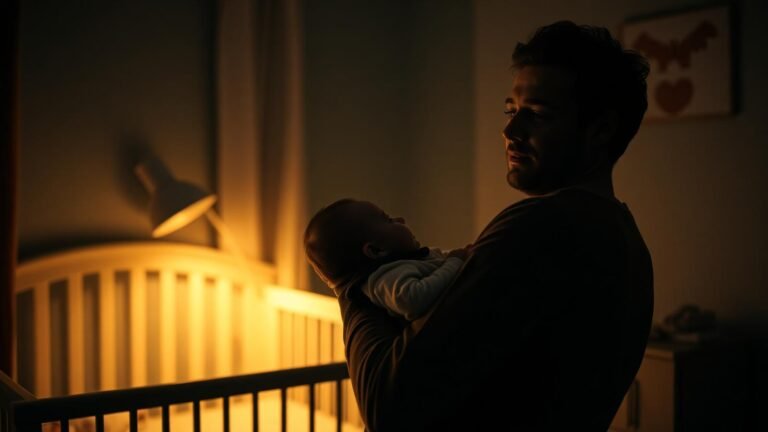
This physical comfort makes the pat and shush method highly appealing to parents who prefer not to leave their baby alone while crying. The caregiver stays right by the crib, actively helping the infant calm down while they remain in their bed. This helps prevent bedtime separation worries.
Newborns under four months old respond beautifully to the pat and shush method because their nervous systems love rhythmic sounds and touch. It acts as an excellent bridge before formal sleep training begins. The technique works well both in the crib and while holding the baby, offering high flexibility.
The main engine behind this style is sensory distraction. The loud shushing sound rises above the baby’s own cries, forcing them to focus on the external sound. At the same time, the steady patting provides a physical anchor that lowers the heart rate and helps them relax.
A Step-by-Step Guide to the Shush-Pat Technique
Applying this style requires proper positioning, patience, and steady execution. Follow these direct steps to help soothe your baby to sleep.
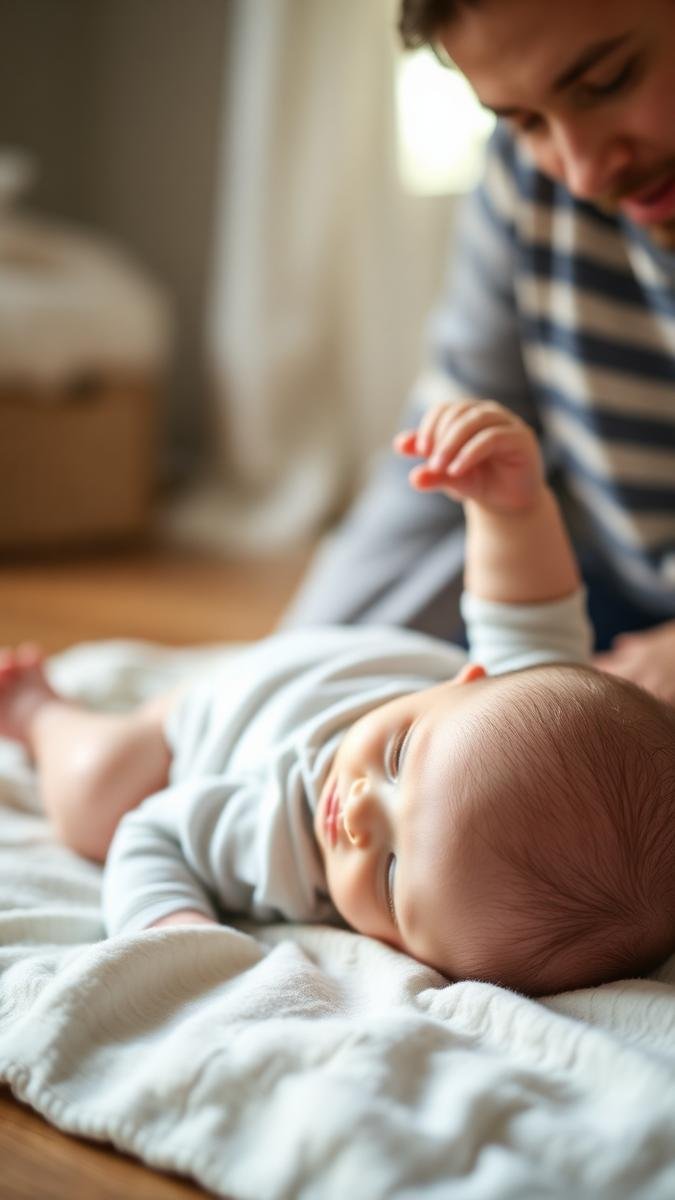
- Position the baby: Place the infant on their back in the crib, which is the safest sleep position recommended by pediatric experts. Keep one hand gently on their chest or shoulder to offer reassurance while preparing to soothe them.
- Establish the rhythm: When implementing the pat and shush method, parents must maintain a steady rhythm of about eighty beats per minute to match a resting heart rate.
- Match the volume: The shushing sound must be louder than the baby’s cry to capture their attention. As the infant begins to quiet down, the volume of the shush and the force of the pat should decrease together.
- Maintain safe sleep: Ensure the infant remains flat on their back throughout the process, as this is the only position recommended by pediatric experts to reduce sleep-related risks.
- Fade the touch: Keep up the patting and shushing for a few moments after they settle to ensure they drift into light sleep. Over several nights, caregivers slowly decrease the physical contact, allowing the pat and shush method to transition into independent self-soothing.
Staying consistent with your timing and routine is vital when using this hands-on style. If the baby becomes very upset, parents can lift them for a quick hug before placing them back down. The goal is to avoid letting the baby fall completely asleep in your arms, ensuring they connect the crib with falling asleep.
The Pick Up / Put Down Method
Pick Up / Put Down (popularized by Tracy Hogg) is the gentlest structured method and works well for babies roughly 4–8 months. You place your baby down drowsy but awake; if they cry, you pick them up, soothe them until calm (not asleep), and put them back down. Repeat until they settle. It involves high parent presence and little to no extended crying, but it can take 1–2 weeks of consistency.
- Best age: 4–8 months, once the 4-month regression has settled.
- Crying involved: Minimal — you respond immediately.
- Time to results: About 1–2 weeks of nightly consistency.
- Good for: Parents who want a low-crying path and can stay hands-on.
The Role of Environmental and Behavioral Foundations
A good sleep space is a must for any sleep training plan to work. The room must be completely dark, using high-quality blackout curtains to block outside light. Light exposure stops melatonin production, which makes falling asleep much harder.
The room temperature should stay between sixty-eight and seventy-two degrees Fahrenheit. Pediatricians agree that a cooler room helps babies sleep deeper and longer. Overheating poses safety risks and leads to waking up throughout the night.
Key parts of a safe sleep space include:
- A firm mattress free from loose blankets, bumpers, or toys.
- Blackout shades to block outside streetlights.
- A white noise machine running below fifty decibels.
Continuous white noise helps drown out house noises and mimics the sounds of the womb. The sound machine must sit at least six feet away from the crib and run below fifty decibels. This protective wall of sound keeps sudden noises from startling the baby awake.
A steady routine before bed tells the baby’s brain that sleep is coming. This routine should last between twenty and thirty minutes, ending in the room where the child sleeps. Keep activities quiet, predictable, and calm.
Step-by-step parts of a standard bedtime routine include:
- A warm bath to lower core body temperature naturally.
- A clean diaper change followed by cozy sleepwear.
- A final feeding finished at least twenty minutes before crib placement.
A typical flow includes a warm bath, a soft massage with lotion, and a final feed. Parents should finish the feed at least twenty minutes before placing the child in the crib. This gap stops the child from needing to suck to fall asleep.
Reading a short book or singing a quiet song serves as an excellent final cue. Repeating these exact actions builds strong mental connections with bedtime. Over time, the routine itself will start to make the baby feel sleepy.
Navigating Regression, Anxiety, and Developmental Milestones
Sleep regressions are temporary bumps in sleep habits caused by rapid growth. The most famous regression happens at four months, when a baby’s sleep patterns change forever into adult-like cycles. Other common regressions happen at eight, twelve, and eighteen months.
Physical milestones like crawling, pulling up, and walking can also disrupt sleep. Infants often feel the urge to practice these new skills in their cribs late at night. Parents must keep their sleep rules during these phases to prevent long-term setbacks.
Separation anxiety peaks around nine months, causing babies to protest bedtime more loudly. Providing extra comfort during the day can help ease nighttime worries. Even so, parents should avoid going back to old habits like rocking or feeding to sleep.
Playing games like peek-a-boo during the day helps infants understand that you still exist when out of sight. Spending quiet, focused time together before bed can also ease separation worries. A comfort item, like a small security blanket, can help babies over twelve months old feel safe.
If separation anxiety is severe, gentle methods like the chair method or the pat and shush method may be more appropriate than extinction. These plans allow parents to stay visible to the child while still encouraging independent sleep. Slowly leaving the room over time helps the baby build confidence.
Parental Wellbeing and the Choice of Methodology
Long-term sleep loss for mothers is strongly linked to postpartum depression and anxiety. A mother’s ability to balance her emotions and bond with her baby suffers without rest. Resolving infant sleep issues often leads to a massive lift in maternal mental health.
A study by the University of Melbourne followed families five years after sleep training. Researchers found no negative effects on the parent-child bond or maternal mental health. Instead, parents who completed sleep training reported happier relationships and lower stress.
Healthy baby sleep supports the emotional balance of the entire home. Partners argue less when sleep schedules are predictable and manageable. Taking steps to improve sleep is a vital act of family care.
The pressure to pick one perfect path can cause unnecessary parental guilt. Caregivers must select a strategy that fits their personal values, lifestyle, and emotional limits. There is no moral victory in choosing a gentle path over extinction, or the other way around.
Troubleshooting Common Sleep Training Obstacles
Waking up early, between four and five in the morning, is a common sleep training struggle. These early wake-ups are often caused by light entering the room or a bedtime that is too late. Moving bedtime slightly earlier can prevent over-exhaustion, which actually causes early waking.
Short naps, lasting only thirty to forty-five minutes, are another frequent issue. This is usually the length of one baby sleep cycle, and the child struggles to slide into the next one. Using a slow fading style can help the infant learn to connect sleep cycles during the day.
Bedtime battles often mean that the baby is either not tired enough or far too tired. Keeping a detailed log of wake times helps parents find the best sleeping window for their child. Shifting wake times by fifteen-minute steps can solve these battles within a few days.
Inconsistency is the main reason sleep training plans fail. When parents switch between different methods mid-week, they confuse the infant and make the crying last longer. The baby learns that crying long enough eventually brings the old sleeping habit back.
Every caregiver in the house must follow the exact same plan to succeed. If one parent uses graduated extinction while the other offers immediate comfort, the infant cannot build a predictable habit. Clear talk and a shared plan are vital before starting.
Tracking progress in a daily notebook helps keep you motivated and shows patterns. Writing down wake times, nap lengths, bedtime behavior, and night wakings gives you clear facts. Parents can easily see the slow drop in crying times over a week.
Signs that an infant is ready to sleep on their own include:
- Reaching the age of four to six months.
- Showing early self-soothing signs like sucking on hands.
- Maintaining a steady weight gain pattern approved by their doctor.
Toddler Sleep Training Adaptations
Toddler sleep training requires different strategies than baby training due to more advanced thinking and movement. Toddlers can bargain, climb out of cribs, and shout specific protests. Because of this, plans must include clear, firm boundaries and positive rewards.
The Silent Return style works wonderfully for toddlers who have moved to a toddler bed. When the child leaves their room, the parent calmly leads them back to bed without speaking or making eye contact. This lack of attention makes wandering around the house unrewarding.
Sleep charts and reward systems work well for children over two. Offering a sticker or small prize for staying in bed all night builds a happy connection with sleep rules. Steady praise in the morning builds confidence and keeps them on track.
Synthesizing the Best Sleep Strategy for Your Family
Selecting a sleep training strategy is a deeply personal choice that requires balancing a baby’s unique personality with parental mental health. No single plan works for every child, and staying flexible is a massive asset during the journey. Success is measured not by speed, but by building a peaceful bedtime space.
Whether you choose the structured intervals of Ferber or the hands-on reassurance of the rhythmic patting and shushing technique, consistency remains the single most important factor. Commitment to a chosen strategy ensures that the infant receives clear, predictable signals about sleep. With patience and persistence, healthy sleep habits will become a natural part of your family’s daily life.
This guide was written by the ChildBloom pediatric content team and medically review
Quick Comparison of Sleep Training Methods
| Method | Typical Age | Crying | Time to Results | Parent Involvement | Best For |
|---|---|---|---|---|---|
| Unmodified Extinction (CIO) | 6+ mo | High | 3–5 nights | Low | Parents comfortable with no-checking |
| Ferber (Graduated Extinction) | 5+ mo | Moderate | ~1 week | Medium | Most families wanting a structured plan |
| Chair / Fading (Sleep Lady Shuffle) | 4+ mo | Low–moderate | 1–2 weeks | High (in room) | Parents who can’t leave the room |
| Pick Up / Put Down | 4–8 mo | Low | 1–2 weeks | High | Younger babies, minimal crying |
| Gentle / No-Tears | Any | None | 2–4 weeks | High | Families avoiding cry-based methods |
| Pat & Shush | 0–4 mo (not formal ST) | None | Gradual | High | Newborns needing soothing rhythms |
Note: Formal cry-based sleep training is generally recommended from about 5–6 months. Before that, focus on routines and gentle soothing. Always discuss with your pediatrician.
The Evolutionary Biology and Physiology of Infant Sleep
Infant sleep patterns are poles apart from adult sleep due to rapid brain growth. Incorporating gentle settling techniques like the pat and shush method can support this development early on. Newborns spend nearly half of their sleeping hours in active, rapid eye movement sleep, which makes them prone to waking up often.
Related reading: Ferber vs Cry It Out: Best Sleep Training for Babies.
By four months of age, a baby’s brain starts making melatonin in response to sunset and sunrise. This biological shift marks the period when structured sleep training becomes developmentally appropriate. Pediatricians often recommend establishing consistent bedtime routines during this window to support natural daily rhythms.
A study published in the journal Pediatrics in 2012 showed that sleep training does not cause long-term emotional or developmental harm. Researchers measured stress hormones in saliva and found no notable differences between trained and untrained babies. This medical agreement offers peace of mind to parents facing the tough choices of sleep training.
Understanding these patterns helps parents build healthy sleep habits. A baby sleep cycle lasts about forty to fifty minutes, whereas an adult cycle takes ninety minutes. When moving between these cycles, infants enter a state of light waking where they must learn to soothe themselves to stay asleep.
The Unmodified Extinction Method: Pure Cry-It-Out
Unmodified extinction is one of the oldest and most direct sleep training choices. Supported strongly by pediatrician Dr. Marc Weissbluth, this path requires parents to place their fully awake baby in the crib and leave the room.
The parent does not return until the morning, except in cases of illness or direct danger.
The psychology behind this choice relies on classical conditioning. By removing the parental reaction to crying, the baby eventually learns that crying does not bring comfort. Soon, the baby stops crying and starts using self-soothing behaviors to fall asleep.
Clinical tests show that this strategy often brings success within three to five nights. This fast timeline makes it highly appealing to families dealing with severe exhaustion. Even so, the emotional weight on parents during the first few nights is heavy.
Some argue that this style causes too much worry and raises stress hormones. However, long-term follow-up studies show no difference in bonding styles or emotional growth between children who went through this and those who did not. The choice remains a personal one based on parental comfort with crying.
The Ferber Method: Systematic Graduated Extinction
Dr. Richard Ferber introduced graduated extinction in his well-known book on childhood sleep solutions. This plan offers a middle path between leaving the room entirely and staying by the crib.
Parents place their child in the crib awake but return at increasingly longer intervals to offer brief comfort.
These check-ins must remain short, usually lasting only a minute or two. Parents do not pick up the baby during these visits, as doing so restarts the crying cycle. The main goal is to show the child that parents are near without making them dependent on holding.
The waiting times grow larger both during a single night and over the following nights. For instance, the first night starts with waits of three, five, and ten minutes. By the fifth night, the first wait extends to fifteen minutes, pushing the baby to develop independent sleeping skills.
This organized plan gives parents a clear path forward, lowering the stress of making choices during hard nights. It allows the infant to learn self-soothing while knowing that comfort is still nearby. The Ferber method remains popular across the globe.
Gentle Sleep Training Approaches: A Compassionate Path
Gentle sleep training options prioritize keeping infant distress low and staying close to the child. These ideas appeal to caregivers who find crying-based choices too hard to maintain. While these routes require more time and patience, they build a calm sleep space through slow steps.
Popular gentle choices include the Sleep Lady Shuffle, created by family therapist Kim West, and various fading plans. In these setups, the parent stays in the room next to the crib, slowly moving their chair further away over several nights. This slow retreat helps the child adjust to sleeping alone.
Another gentle path is the No-Cry Solution by Elizabeth Pantley, which focuses on small, slow changes to sleep habits. Parents keep detailed sleep logs and slowly remove sleep associations like nursing or rocking. This plan demands a large time commitment, often taking several weeks to show clear results.
Parents seeking a middle ground often turn to gentle techniques like the pat and shush method to ease their child into independent sleep. This specific style bridges the gap between active rocking and total independence. It offers immediate touch comfort without removing the child from their safe crib.
Understanding the Gentle Pat and Shush Technique
Made popular by Tracy Hogg in her baby care books, the pat and shush method uses rhythmic sensory patterns to quiet a crying baby. This technique combines a firm, steady pat on the back with a loud, ongoing shushing sound close to the ear. The pairing of these two actions mimics the sounds of the womb, calming the baby’s nerves.
This physical comfort makes the pat and shush method highly appealing to parents who prefer not to leave their baby alone while crying. The caregiver stays right by the crib, actively helping the infant calm down while they remain in their bed. This helps prevent bedtime separation worries.
Newborns under four months old respond beautifully to the pat and shush method because their nervous systems love rhythmic sounds and touch. It acts as an excellent bridge before formal sleep training begins. The technique works well both in the crib and while holding the baby, offering high flexibility.
The main engine behind this style is sensory distraction. The loud shushing sound rises above the baby’s own cries, forcing them to focus on the external sound. At the same time, the steady patting provides a physical anchor that lowers the heart rate and helps them relax.
A Step-by-Step Guide to the Shush-Pat Technique
Applying this style requires proper positioning, patience, and steady execution. Follow these direct steps to help soothe your baby to sleep.
- Position the baby: Place the infant on their back in the crib, which is the safest sleep position recommended by pediatric experts. Keep one hand gently on their chest or shoulder to offer reassurance while preparing to soothe them.
- Establish the rhythm: When implementing the pat and shush method, parents must maintain a steady rhythm of about eighty beats per minute to match a resting heart rate.
- Match the volume: The shushing sound must be louder than the baby’s cry to capture their attention. As the infant begins to quiet down, the volume of the shush and the force of the pat should decrease together.
- Maintain safe sleep: Ensure the infant remains flat on their back throughout the process, as this is the only position recommended by pediatric experts to reduce sleep-related risks.
- Fade the touch: Keep up the patting and shushing for a few moments after they settle to ensure they drift into light sleep. Over several nights, caregivers slowly decrease the physical contact, allowing the pat and shush method to transition into independent self-soothing.
Staying consistent with your timing and routine is vital when using this hands-on style. If the baby becomes very upset, parents can lift them for a quick hug before placing them back down. The goal is to avoid letting the baby fall completely asleep in your arms, ensuring they connect the crib with falling asleep.
The Pick Up / Put Down Method
Pick Up / Put Down (popularized by Tracy Hogg) is the gentlest structured method and works well for babies roughly 4–8 months. You place your baby down drowsy but awake; if they cry, you pick them up, soothe them until calm (not asleep), and put them back down. Repeat until they settle. It involves high parent presence and little to no extended crying, but it can take 1–2 weeks of consistency.
- Best age: 4–8 months, once the 4-month regression has settled.
- Crying involved: Minimal — you respond immediately.
- Time to results: About 1–2 weeks of nightly consistency.
- Good for: Parents who want a low-crying path and can stay hands-on.
The Role of Environmental and Behavioral Foundations
A good sleep space is a must for any sleep training plan to work. The room must be completely dark, using high-quality blackout curtains to block outside light. Light exposure stops melatonin production, which makes falling asleep much harder.
The room temperature should stay between sixty-eight and seventy-two degrees Fahrenheit. Pediatricians agree that a cooler room helps babies sleep deeper and longer. Overheating poses safety risks and leads to waking up throughout the night.
Key parts of a safe sleep space include:
- A firm mattress free from loose blankets, bumpers, or toys.
- Blackout shades to block outside streetlights.
- A white noise machine running below fifty decibels.
Continuous white noise helps drown out house noises and mimics the sounds of the womb. The sound machine must sit at least six feet away from the crib and run below fifty decibels. This protective wall of sound keeps sudden noises from startling the baby awake.
A steady routine before bed tells the baby’s brain that sleep is coming. This routine should last between twenty and thirty minutes, ending in the room where the child sleeps. Keep activities quiet, predictable, and calm.
See also: Gentle Sleep Training Alternatives.
Step-by-step parts of a standard bedtime routine include:
- A warm bath to lower core body temperature naturally.
- A clean diaper change followed by cozy sleepwear.
- A final feeding finished at least twenty minutes before crib placement.
A typical flow includes a warm bath, a soft massage with lotion, and a final feed. Parents should finish the feed at least twenty minutes before placing the child in the crib. This gap stops the child from needing to suck to fall asleep.
Reading a short book or singing a quiet song serves as an excellent final cue. Repeating these exact actions builds strong mental connections with bedtime. Over time, the routine itself will start to make the baby feel sleepy.
Navigating Regression, Anxiety, and Developmental Milestones
Sleep regressions are temporary bumps in sleep habits caused by rapid growth. The most famous regression happens at four months, when a baby’s sleep patterns change forever into adult-like cycles. Other common regressions happen at eight, twelve, and eighteen months.
Physical milestones like crawling, pulling up, and walking can also disrupt sleep. Infants often feel the urge to practice these new skills in their cribs late at night. Parents must keep their sleep rules during these phases to prevent long-term setbacks.
Separation anxiety peaks around nine months, causing babies to protest bedtime more loudly. Providing extra comfort during the day can help ease nighttime worries. Even so, parents should avoid going back to old habits like rocking or feeding to sleep.
Playing games like peek-a-boo during the day helps infants understand that you still exist when out of sight. Spending quiet, focused time together before bed can also ease separation worries. A comfort item, like a small security blanket, can help babies over twelve months old feel safe.
If separation anxiety is severe, gentle methods like the chair method or the pat and shush method may be more appropriate than extinction. These plans allow parents to stay visible to the child while still encouraging independent sleep. Slowly leaving the room over time helps the baby build confidence.
Parental Wellbeing and the Choice of Methodology
Long-term sleep loss for mothers is strongly linked to postpartum depression and anxiety. A mother’s ability to balance her emotions and bond with her baby suffers without rest. Resolving infant sleep issues often leads to a massive lift in maternal mental health.
A study by the University of Melbourne followed families five years after sleep training. Researchers found no negative effects on the parent-child bond or maternal mental health. Instead, parents who completed sleep training reported happier relationships and lower stress.
Healthy baby sleep supports the emotional balance of the entire home. Partners argue less when sleep schedules are predictable and manageable. Taking steps to improve sleep is a vital act of family care.
The pressure to pick one perfect path can cause unnecessary parental guilt. Caregivers must select a strategy that fits their personal values, lifestyle, and emotional limits. There is no moral victory in choosing a gentle path over extinction, or the other way around.
Troubleshooting Common Sleep Training Obstacles
Waking up early, between four and five in the morning, is a common sleep training struggle. These early wake-ups are often caused by light entering the room or a bedtime that is too late. Moving bedtime slightly earlier can prevent over-exhaustion, which actually causes early waking.
Short naps, lasting only thirty to forty-five minutes, are another frequent issue. This is usually the length of one baby sleep cycle, and the child struggles to slide into the next one. Using a slow fading style can help the infant learn to connect sleep cycles during the day.
Bedtime battles often mean that the baby is either not tired enough or far too tired. Keeping a detailed log of wake times helps parents find the best sleeping window for their child. Shifting wake times by fifteen-minute steps can solve these battles within a few days.
Inconsistency is the main reason sleep training plans fail. When parents switch between different methods mid-week, they confuse the infant and make the crying last longer. The baby learns that crying long enough eventually brings the old sleeping habit back.
Every caregiver in the house must follow the exact same plan to succeed. If one parent uses graduated extinction while the other offers immediate comfort, the infant cannot build a predictable habit. Clear talk and a shared plan are vital before starting.
Tracking progress in a daily notebook helps keep you motivated and shows patterns. Writing down wake times, nap lengths, bedtime behavior, and night wakings gives you clear facts. Parents can easily see the slow drop in crying times over a week.
Signs that an infant is ready to sleep on their own include:
- Reaching the age of four to six months.
- Showing early self-soothing signs like sucking on hands.
- Maintaining a steady weight gain pattern approved by their doctor.
Toddler Sleep Training Adaptations
Toddler sleep training requires different strategies than baby training due to more advanced thinking and movement. Toddlers can bargain, climb out of cribs, and shout specific protests. Because of this, plans must include clear, firm boundaries and positive rewards.
The Silent Return style works wonderfully for toddlers who have moved to a toddler bed. When the child leaves their room, the parent calmly leads them back to bed without speaking or making eye contact. This lack of attention makes wandering around the house unrewarding.
Sleep charts and reward systems work well for children over two. Offering a sticker or small prize for staying in bed all night builds a happy connection with sleep rules. Steady praise in the morning builds confidence and keeps them on track.
Synthesizing the Best Sleep Strategy for Your Family
Selecting a sleep training strategy is a deeply personal choice that requires balancing a baby’s unique personality with parental mental health. No single plan works for every child, and staying flexible is a massive asset during the journey. Success is measured not by speed, but by building a peaceful bedtime space.
Whether you choose the structured intervals of Ferber or the hands-on reassurance of the rhythmic patting and shushing technique, consistency remains the single most important factor. Commitment to a chosen strategy ensures that the infant receives clear, predictable signals about sleep. With patience and persistence, healthy sleep habits will become a natural part of your family’s daily life.
This guide was written by the ChildBloom pediatric content team and medically reviewed by Dr. Ahmad Raza, MD (Pediatrics). It is for educational use and is not a substitute for personalized advice from your own pediatrician.
When to Call Your Pediatrician
Most newborn and infant sleep issues improve with consistent routines and safe-sleep habits. Contact your pediatrician right away if your baby shows any of the following:
- Breathing changes: pauses in breathing, blue lips or face, grunting, or flaring nostrils during sleep.
- Feeding problems combined with sleepiness: refusing feeds, poor weight gain, or drowsiness that interferes with waking to eat.
- Extreme fussiness with fever: crying that won’t settle plus temperature ≥100.4°F (38°C) in an infant under 3 months.
- Suspected reflux complications: forceful vomiting, blood in spit-up, or breathing difficulty after feeds.
- Sudden schedule change: going from normal sleep to consistently waking every 30–45 minutes for more than a few days.
These signs can point to infection, reflux disease, or other conditions that need prompt evaluation. When in doubt, a quick call to your child’s doctor is always the safest move.
Related ChildBloom Guides
- Newborn Won’t Sleep in Bassinet? 7 Fixes That Actually Work
- Best Video Baby Monitors for Peace of Mind
- Best hip healthy swaddles
- 6-Month Sleep Regression
- Baby Wakes Every Hour: Is It Hunger, Habit, or Discomfort
- Browse all Sleep & Nursery guides
References & Medical Sources
- AAP guidance on getting your baby to sleep
- AAP healthy sleep hours by age
- Sleep Foundation baby sleep overview
- NICHD infant sleep research overview
Reviewed by the ChildBloom pediatric panel. Learn about our physicians on the About page. This article is educational and does not replace your child’s clinician.




6 Comments