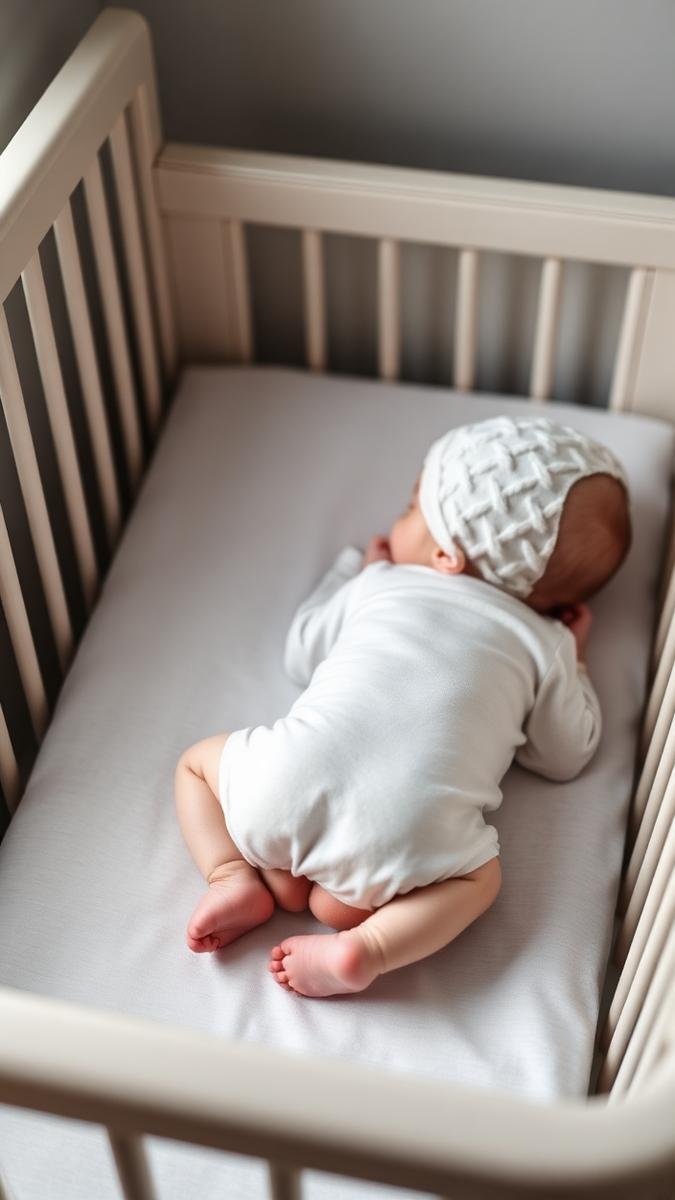
Safe Sleep for Newborns: The ABCs of SIDS Prevention
Medically reviewed by Dr. Ahmad Raza, MD (Pediatrics) — ChildBloom Medical Review Panel. Last updated: August 03, 2026.
Editorial & affiliate disclosure: our guidance is written and reviewed by clinicians. ChildBloom may earn a commission from qualifying purchases made through links on this page, which never changes what our pediatric reviewers recommend.
If you are searching for answers about safe sleep for newborns, you are in the right place. This pediatrician-reviewed guide explains what is normal, what the likely causes are, the red flags that mean you should call your doctor, and what you can safely do at home — all based on current AAP, CDC and NIH guidance on safe sleep for newborns.
{“@context”: “https://schema.org”, “@type”: “FAQPage”, “mainEntity”: [{“@type”: “Question”, “name”: “Is bed-sharing ever safe?”, “acceptedAnswer”: {“@type”: “Answer”, “text”: “The AAP recommends against bed-sharing. Risk is highest with sofas, smokers, sedating medication, prematurity, or under 4 months.”}}, {“@type”: “Question”, “name”: “What if my baby rolls onto their stomach?”, “acceptedAnswer”: {“@type”: “Answer”, “text”: “Once baby rolls both directions independently, you donu2019t need to reposition. Always start on the back.”}}, {“@type”: “Question”, “name”: “Are inclined sleepers safe?”, “acceptedAnswer”: {“@type”: “Answer”, “text”: “No.
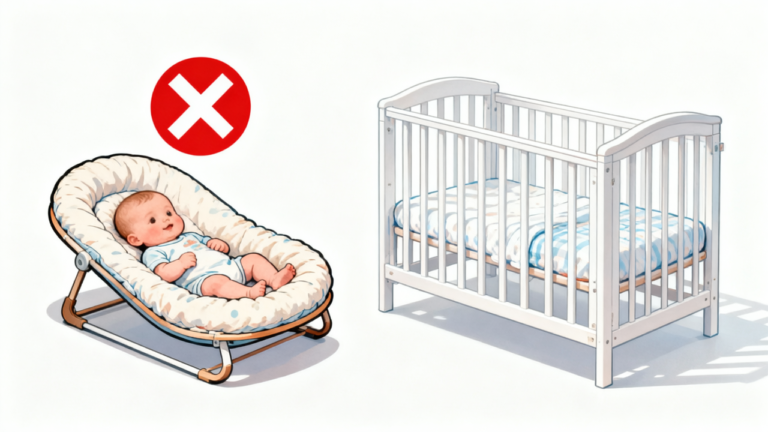
Furthermore, the CPSC has banned inclined sleepers over 10u00b0 due to suffocation deaths.”}}, {“@type”: “Question”, “name”: “Can I use a crib bumper?”, “acceptedAnswer”: {“@type”: “Answer”, “text”: “No. Federal law (Safe Sleep for Babies Act, 2022) prohibits the sale of crib bumpers.”}}, {“@type”: “Question”, “name”: “When does SIDS risk drop?”, “acceptedAnswer”: {“@type”: “Answer”, “text”: “Peak risk is 1u20134 months. Risk drops significantly after 6 months and is rare after 12 months.”}}]} This guide covers abcs of safe sleep newborn sids prevention checklist for fridge and what parents need to know.
Related Articles
- Toddler Tantrums Explained: What Happens Between Ages 1-3 Ye
- Tantrum management strategies: Toddler Tantrum Management St
- Toddler Sleep Schedule 1-3 Years: Complete Bedtime Guide by
- Newborn Home Environment: Temperature, Air Quality, and Alar
- Newborn Stroller Safety: From Bassinet Attachments to Hot Da
- Pet safety: Bringing Baby Home to a Dog or Cat: Pet Safety w
Creating a Safe Sleep Environment

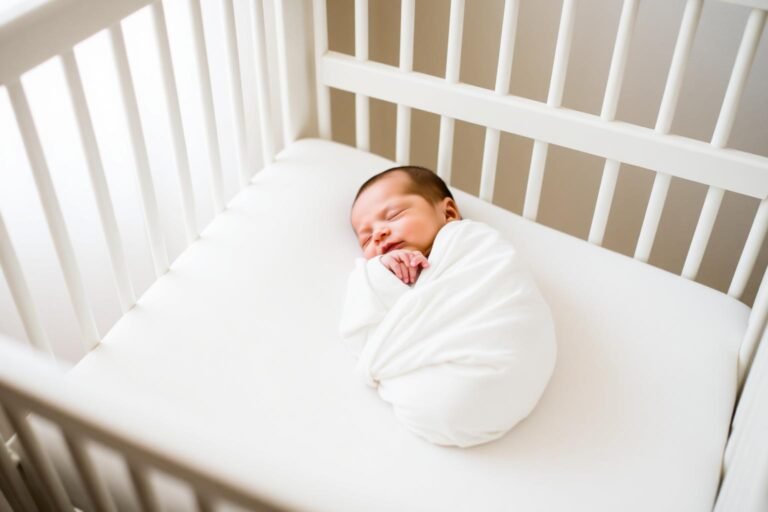
The safe sleep environment goes beyond just placing your baby on their back. Every element of the nursery and sleeping area matters for SIDS prevention. The crib or bassinet should have a firm, flat mattress with a fitted sheet that stays securely in place. The mattress should not indent when you press on it, as soft surfaces increase the risk of suffocation and rebreathing of carbon dioxide.
For more detailed guidance, visit the American Academy of Pediatrics or the CDC’s Infant and Toddler Health page.
The crib should be empty of all soft objects including pillows, blankets, bumper pads, stuffed animals, and positioners. The Safe Sleep for Babies Act of 2022 federally banned the sale of crib bumpers and inclined sleepers, reflecting the strong evidence that these products are dangerous.
Your baby should sleep in the same room as you, but in their own separate sleep space, for at least the first 6 months and ideally the first year. Room sharing reduces SIDS risk by up to 50 percent compared to sleeping in a separate room. Place the crib or bassinet close to your bed so you can easily feed, comfort, and monitor your baby without having them in your bed.
Understanding SIDS Risk Factors
Specifically, sIDS, or sudden infant death syndrome, is the sudden unexpected death of an apparently healthy infant under 12 months of age with no identifiable cause after thorough investigation. While the exact cause of SIDS remains unknown, the triple-risk model offers the most widely accepted explanation. This model proposes that SIDS occurs when an infant with an underlying vulnerability, such as a brainstem abnormality affecting arousal or breathing control, is exposed to an external stressor like prone sleeping or overheating during a critical developmental period, typically the first 6 months.
This explains why SIDS risk is highest between 1 and 4 months of age, when the brainstem is still maturing. Known risk factors include prone or side sleeping, bed sharing, soft bedding, maternal smoking during pregnancy or exposure to secondhand smoke after birth, prematurity or low birth weight, young maternal age, and overheating. Protective factors include room sharing without bed sharing, breastfeeding, pacifier use, and immunizations. Understanding these factors empowers parents to make informed choices that minimize their baby’s risk.
Safe Sleep Myths Debunked
Many well-intentioned but dangerous practices persist because of myths about safe sleep. One common myth is that babies sleep better on their stomachs. While some babies do sleep longer on their stomachs, this is because they are in a deeper state of arousal that makes it harder for them to wake up if they stop breathing. This is precisely what makes stomach sleeping dangerous. Another myth is that crib bumpers protect babies from hurting their arms or legs on the crib slats.
In reality, bumpers pose suffocation, entrapment, and strangulation risks with no proven benefit. The myth that babies will choke if they spit up while sleeping on their backs has been thoroughly debunked by research showing that healthy infants naturally clear fluids from their airways more effectively when on their backs.
In particular, the belief that monitoring devices like pulse oximeters or breathing monitors prevent SIDS is also misleading. While these devices may alert parents to a problem, they have not been shown to reduce SIDS rates and may give parents a false sense of security that leads to unsafe sleep practices. The only proven strategies for reducing SIDS risk are the ABCs of safe sleep: alone, back, and crib.
Related: Safe Sleep Practices Sids Prevention
Room Sharing Versus Bed Sharing
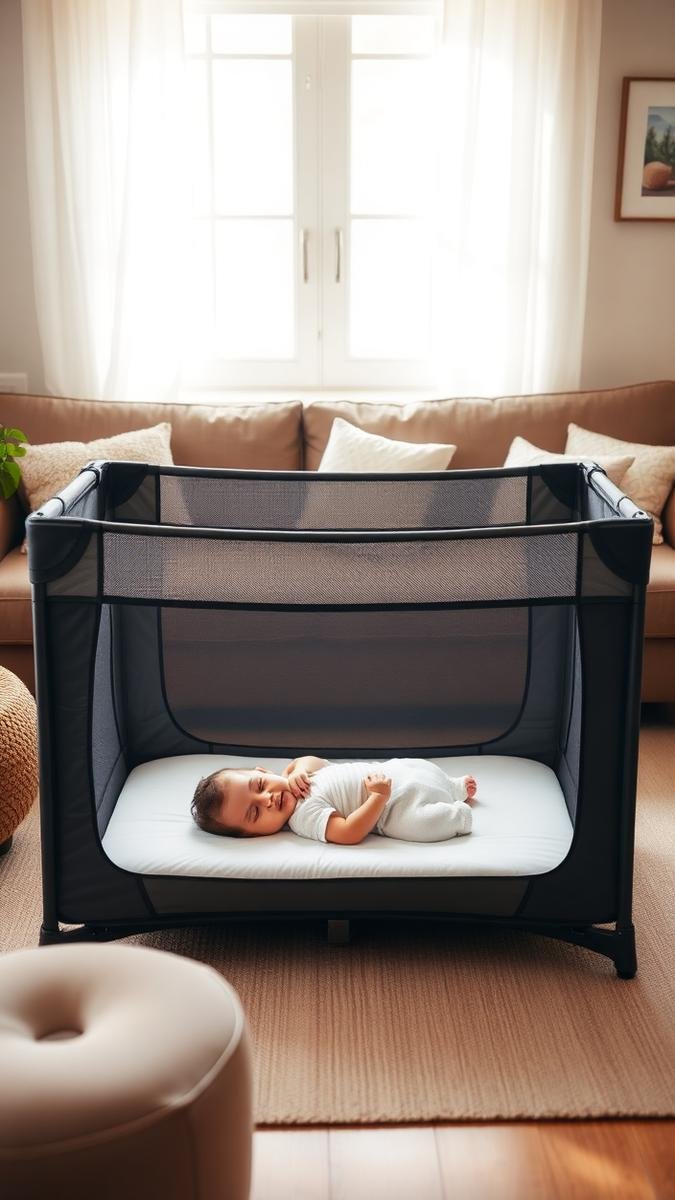
Room sharing and bed sharing are often confused but have very different safety profiles. Room sharing means your baby sleeps in the same room as you but in their own separate sleep space like a crib, bassinet, or playard.
This practice reduces the risk of SIDS by up to 50 percent compared to sleeping in a separate room and is recommended for at least the first 6 months. Room sharing makes it easier to monitor your baby, respond to feeding cues, and maintain breastfeeding, which itself is protective against SIDS. Bed sharing means your baby sleeps on the same surface as you, whether in your bed, on a couch, or in a chair.
However, bed sharing increases the risk of SIDS, suffocation, and entrapment even in the absence of other risk factors. The risk is substantially higher when the parent has consumed alcohol, used sedating medications, or smokes, or when the baby is under 4 months old, was born prematurely, or is placed on a soft surface. The AAP recommends against bed sharing in all circumstances. If you are concerned you might fall asleep while feeding in bed, plan ahead by removing pillows and blankets from the area, placing your baby on a firm surface, and setting an alarm. Returning your baby to their own sleep space after feeding is the safest practice.
Pacifier Use and SIDS Prevention
Pacifier use during sleep has been shown to reduce SIDS risk by 50 to 90 percent, making it one of the most effective preventive measures alongside back sleeping and room sharing. The protective mechanism is not fully understood but may involve the pacifier keeping the airway open, preventing the tongue from falling back and blocking the airway, or promoting arousal from deep sleep. Offer a pacifier at naptime and bedtime for all sleep periods. If your baby rejects the pacifier, do not force it. Some babies simply do not like pacifiers and that is fine. If the pacifier falls out of your baby’s mouth during sleep, do not reinsert it. The protective effect applies to the start of sleep, not throughout the night. Keep the pacifier clean by washing it with soap and water and replacing it regularly. Do not coat the pacifier in anything sweet or attach it to a cord, strap, or clip that could pose a strangulation risk. Do not use pacifiers that are designed to attach to clothing or to the crib. If you are breastfeeding, wait until breastfeeding is well established, typically around 3 to 4 weeks, before introducing a pacifier to avoid nipple confusion.
Tummy Time for Safe Sleep Balance
While babies should always sleep on their backs, supervised awake tummy time is essential for healthy development and should start from birth. Tummy time strengthens the neck, shoulder, and back muscles that babies need for rolling, sitting, and crawling. It also helps prevent flat head syndrome or positional plagiocephaly that can develop when babies spend all their time on their backs. Start with 2 to 3 sessions of tummy time per day for 1 to 2 minutes each, gradually increasing to longer sessions as your baby grows. By 2 months, aim for at least 15 minutes total of tummy time per day. By 4 months, aim for 30 to 60 minutes per day spread across multiple sessions. Tummy time can be done on your chest, on a play mat, or across your lap. Some babies dislike tummy time initially and may cry. Start with very short sessions, get down on the floor face to face with your baby, use toys and mirrors to make it interesting, and gradually increase the duration. Babies who get plenty of tummy time during the day are often more comfortable sleeping on their backs at night because the muscle strengthening and sensory input from tummy time helps regulate their sleep-wake cycles.
Creating a Safe Sleep Plan for Your Family
Creating a comprehensive safe sleep plan helps ensure consistency among all caregivers including parents, grandparents, babysitters, and daycare providers. Write down the key safe sleep rules and post them near the crib. The rules should include: always place baby on back for sleep; use a firm flat mattress with a fitted sheet; keep the crib empty of blankets, pillows, bumpers, stuffed animals, and positioners; room share without bed sharing; offer a pacifier at sleep times; dress baby appropriately for room temperature without overheating; and stop swaddling at the first sign of rolling. Discuss the safe sleep plan with anyone who will care for your baby. Grandparents may have outdated ideas about safe sleep from when their own children were babies. Explain that safe sleep recommendations are based on research showing that these practices save lives. Offer to provide a safe sleep space in your home if your baby will be staying with relatives. Many local health departments and hospitals offer safe sleep education materials that you can share. Some communities have programs that provide free pack-and-plays or portable cribs for families who cannot afford a separate sleep space for their baby. Ask your pediatrician about resources in your area.
Safe Sleep for Twins and Multiples
As a result, twins and multiples have specific safe sleep considerations that differ from singletons. The AAP recommends that each baby in a multiple birth have their own separate sleep space. Twins should not share a crib or bassinet because of the increased risk of suffocation, entrapment, and overheating. While it may be tempting to put twins in the same crib for convenience or because it seems comforting, the evidence does not support this practice. Each baby needs their own firm mattress with a fitted sheet in their own crib or bassinet. If space is limited, consider using bassinets or mini-cribs that take up less floor space. Twin parents should practice the same safe sleep principles: back sleeping, firm surface, no soft objects, room sharing, and pacifier use. Breastfeeding mothers of twins can still room share safely by having each baby in their own sleep space on either side of the bed, rather than bed sharing. The risk of SIDS is slightly higher in twins than in singletons, making safe sleep practices even more critical. Discuss your specific sleeping arrangement with your pediatrician to ensure it meets safe sleep guidelines.
The evidence for safe sleep is overwhelming and clear. Since the AAP launched the Back to Sleep campaign in 1994, the SIDS rate in the United States has declined by more than 50 percent. This represents thousands of babies who are alive today because their parents followed safe sleep recommendations. Every time you place your baby on their back to sleep on a firm flat surface in an empty crib in your room, you are giving them the best possible protection. The small inconvenience of getting up to feed your baby in their own sleep space, or the extra cost of a bassinet for room sharing, is worth the peace of mind that comes from knowing you are following the most effective evidence-based strategies for keeping your baby safe during sleep.
📖 More from the Pediatrician’s Corner Hub: your complete pediatrician-reviewed guide to your baby’s first year — milestones, feeding, sleep, vaccines, common illnesses, and more
The Evidence Behind Safe Sleep Recommendations
The ABCs of safe sleep — Alone, Back, Crib — are supported by one of the strongest evidence bases in all of pediatrics. The incidence of Sudden Infant Death Syndrome (SIDS) has declined by over 50% since the Back to Sleep campaign was launched in 1994, saving an estimated 10,000 lives annually in the United States alone. What many parents don’t realize is that the single most modifiable risk factor is not bed-sharing or soft bedding but rather the sleep surface itself. Infants who sleep on a firm mattress with a tight-fitting sheet in a bare crib have a 60-70% lower risk of SIDS and accidental suffocation compared to infants who sleep on any soft surface, regardless of how the parent is positioned. Room-sharing (infant in parent’s room but in their own sleep space) for the first 6-12 months is recommended by the AAP because it reduces SIDS risk by up to 50% while eliminating the hazards associated with bed-sharing.
Furthermore, Related: newborn suddenly not sleeping after 2 weeks home
Safe Sleep for Newborns: quick pediatrician summary
Safe sleep comes first, then schedule. Your baby belongs alone, on the back, on a firm flat surface with nothing else in the space — no pillows, bumpers, positioners or loose bedding — for every sleep including naps. Once that is fixed, most night-waking problems are age-appropriate wake windows, hunger, or an over- or under-tired baby rather than a sleep disorder. Talk to your pediatrician about pauses in breathing, loud persistent noisy breathing, or sleepiness so deep your baby will not wake to feed.
Common mistakes parents make
- Treating a single measurement or one bad day as a trend instead of watching the pattern over several days.
- Trying several remedies at once, so it becomes impossible to tell what helped.
- Waiting for a convenient time to call when a red flag is already present — feeding, breathing and alertness changes are always worth a same-day call.
- Following advice from an unsourced social post rather than your own pediatrician, who knows your child’s history and growth curve.
Related guides from our pediatric team
- Why Newborns Sleep So Much: The Science of the Fourth Trimester
- 6-Month Sleep Regression: What It Is and How to Fix It
- Baby Crying in Sleep But Not Awake at Night: What to Do
- Safe Babywearing for Newborns: The TICKS Rule and Carrier Choice
- More expert answers in Pediatrician’s Corner
References and further reading
Medical disclaimer
This article is for general education and is not a substitute for individual medical advice, diagnosis or treatment. Every child is different — talk to your own pediatrician about your baby, and seek urgent care for breathing difficulty, poor feeding, dehydration, unusual sleepiness, fever in an infant under 3 months, or any sudden change in your child’s condition.



3 Comments