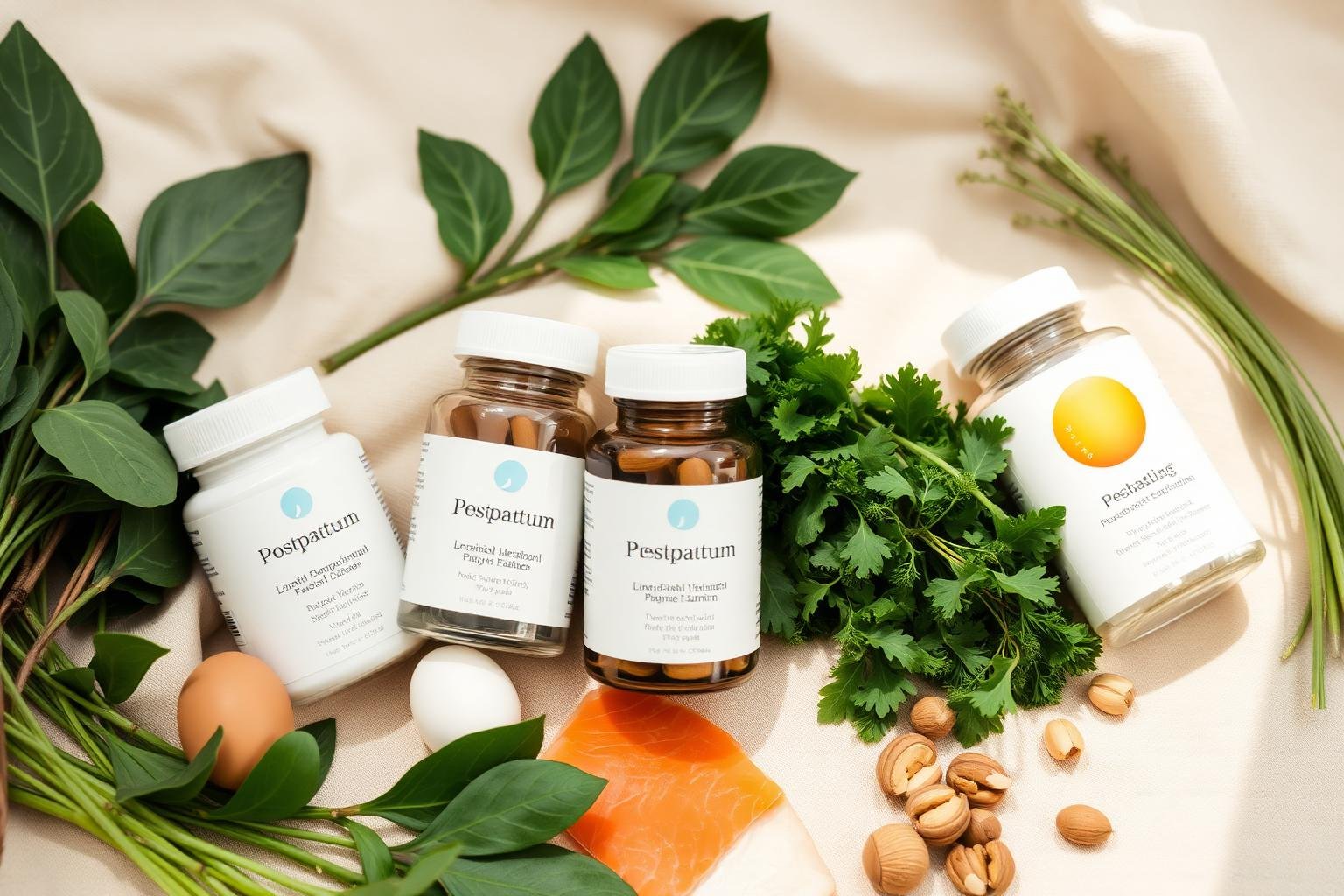
Postpartum Supplements: What You Need vs What’s Marketing
Medically reviewed by Dr. Ahmad Raza, MD (Pediatrics) — ChildBloom Medical Review Panel. Last updated: August 03, 2026.
Editorial & affiliate disclosure: our guidance is written and reviewed by clinicians. ChildBloom may earn a commission from qualifying purchases made through links on this page, which never changes what our pediatric reviewers recommend.
If you are searching for answers about postpartum supplements, you are in the right place. This pediatrician-reviewed guide explains what is normal, what the likely causes are, the red flags that mean you should call your doctor, and what you can safely do at home — all based on current AAP, CDC and NIH guidance on postpartum supplements.
Written by the ChildBloom Pediatric Panel, FAAP | Medically reviewed | Last updated July 2025
Table of Contents
- What You Actually Need After Delivery
- Iron: Who Needs It and How Much
- Vitamin D: For You and Your Baby
- DHA: The Omega-3 Your Brain (and Baby) Craves
- What Might Help but Evidence Is Limited
- Probiotics
- Collagen
- Biotin
- What Is Pure Marketing
- Lactation Cookies and Supplements Debunked
- The Minimal Postpartum Supplement Stack
- Related Articles
What You Actually Need After Delivery
Looking for the best options? Check out best-postnatal-vitamins-breastfeeding.
The postpartum supplement industry is a $4.5 billion market built on the premise that new mothers need a shelf full of pills to recover. The evidence tells a much simpler story. Here is what the science actually supports.
Iron: Who Needs It and How Much
Why
Blood loss during delivery — whether vaginal (average 500 mL) or C-section (average 1,000 mL) — depletes iron stores. Iron deficiency postpartum is linked to fatigue, depressed mood, and impaired cognitive function. It also reduces the iron content of breast milk over time.
Who Needs It
- Mothers who had significant blood loss during delivery
- Those who were anemic during pregnancy
- Vegetarian or vegan mothers
- Anyone with a postpartum hemoglobin below 11 g/dL
How Much
- Therapeutic dose (if anemic): 60–120 mg elemental iron daily, taken with vitamin C for absorption
- Maintenance dose (if not anemic but at risk): 27 mg elemental iron daily (the amount in most postnatal vitamins)
- Take iron on an empty stomach if possible; avoid taking with calcium, coffee, or tea
- Continue for at least 3 months after hemoglobin normalizes to rebuild stores
Vitamin D: For You and Your Baby
Why
Vitamin D is transferred to breast milk, but most breastfeeding mothers are deficient, especially in northern latitudes or during winter months. Adequate vitamin D is essential for calcium absorption, bone health, immune function, and mood regulation.
Who Needs It
- Nearly all breastfeeding mothers — the AAP recommends 400 IU/day for exclusively breastfed infants, but this is often insufficient if the mother herself is deficient
- Mothers with darker skin (higher melanin reduces UV-driven synthesis)
- Those who avoid sun exposure or live above 37° latitude
How Much
- Standard recommendation: 600–2,000 IU/day (most postnatal vitamins contain 600–1,000 IU)
- If deficient (25-OH-D < 20 ng/mL): 4,000–6,000 IU/day for 8 weeks, then recheck
- High-dose maternal supplementation (4,000–6,400 IU/day) can adequately supply breast milk without separate infant drops — discuss with your pediatrician
DHA: The Omega-3 Your Brain (and Baby) Craves
Why
DHA (docosahexaenoic acid) is a structural component of the brain and retina. During pregnancy and breastfeeding, maternal DHA stores are preferentially transferred to the baby. Postpartum DHA depletion is associated with increased risk of postpartum depression and may affect infant neurodevelopment.
Who Needs It
- All breastfeeding mothers — especially those who do not eat fatty fish 2–3 times per week
- Mothers with a history of postpartum depression
- Vegan or vegetarian mothers (algae-based DHA is available)
How Much
- Recommended: 200–300 mg DHA daily
- Choose a supplement that specifies DHA content (not just total omega-3)
- Algae-derived DHA is a reliable vegan option
👩⚕️ Pediatrician’s Take
DHA is one of the few supplements where the evidence is strong for both maternal mood and infant development. If you take one extra thing beyond a basic postnatal vitamin, make it DHA.
What Might Help but Evidence Is Limited
Probiotics
The claim: Probiotics support gut health, immunity, and may prevent mastitis.
The evidence: Some studies show that Lactobacillus fermentum and L. salivarius may reduce mastitis incidence. Evidence for general postpartum gut health is promising but not definitive. No strong evidence supports probiotics for infant colic prevention via maternal supplementation.
Bottom line: Not harmful, possibly helpful for mastitis prevention. Not essential.
Collagen
The claim: Collagen supplements help with skin elasticity, hair regrowth, and joint recovery after delivery.
The evidence: Collagen peptides are broken down into amino acids during digestion — your body does not direct them specifically to skin or joints. Some small studies show modest improvements in skin hydration, but no studies specifically examine postpartum recovery.
Bottom line: Marketing-driven. You will get more benefit from adequate protein intake (0.8–1.0 g/kg/day) and vitamin C, which supports natural collagen synthesis.
Biotin
The claim: Biotin (vitamin B7) prevents postpartum hair loss and strengthens nails.
The evidence: Postpartum hair loss (telogen effluvium) is caused by the hormonal shift after delivery, not biotin deficiency. Biotin deficiency is extremely rare. No evidence shows biotin supplementation reduces postpartum hair shedding.
Bottom line: Postpartum hair loss is temporary and resolves by 6–12 months. Biotin supplements are a waste of money for this purpose.
What Is Pure Marketing
Lactation Cookies and Supplements Debunked
The “lactation supplement” industry targets exhausted, anxious new mothers with promises of increased milk supply. Let us examine the key ingredients:
Fenugreek
- The most common “galactagogue” (milk-boosting herb)
- Evidence: One small study showed a modest increase in milk volume. However, fenugreek is in the same plant family as peanuts and chickpeas — it can cause allergic reactions and GI upset in both mother and baby
- It can also lower blood sugar and interfere with thyroid function
- The Academy of Breastmedicine does not recommend fenugreek due to limited evidence and potential side effects
Brewer’s Yeast
- Evidence: None. No clinical trials support brewer’s yeast for increasing milk supply
- Can cause gas, bloating, and may trigger migraines in susceptible individuals
Oats
- Evidence: None from clinical trials. Oats are nutritious and contain iron, but there is no mechanism by which they specifically boost milk production
- Eating oatmeal is fine — buying $30 “lactation oats” is not
👩⚕️ Pediatrician’s Take
The lactation supplement industry preys on exhausted mothers who are worried their milk supply is inadequate. The truth is that milk supply is driven by demand — frequent, effective milk removal. No cookie, tea, or capsule replaces that. Save your money for a good lactation consultant.
The Minimal Postpartum Supplement Stack
If you want to keep it simple, here is the evidence-based minimum:
- A quality postnatal multivitamin — covers baseline iron, folate, vitamin D, B12, and iodine
- DHA (200–300 mg/day) — if not already in your postnatal vitamin
- Additional iron — only if you are anemic or your provider recommends it
- Vitamin D (up to 4,000–6,400 IU/day) — only if you are deficient or your pediatrician recommends high-dose to supply breast milk
That is it. Everything else is optional at best and marketing at worst. Focus your energy (and budget) on real food, adequate hydration, rest when possible, and support — those matter far more than any supplement.
Related Articles
- Best Postnatal Vitamins & Supplements for Breastfeeding Moms: Evidence-Based Picks
- Breastfeeding Pain: Engorgement, Mastitis & Clogged Ducts Explained
- The Complete Postpartum Recovery Guide
Medical Disclaimer: This article is for informational purposes only and does not constitute medical advice. Always consult your healthcare provider before starting any supplement, especially while breastfeeding.
Related Articles
- Parent Guide: The Pediatrician Approved Guide To Postpartum Recovery Healing Your Body After Baby
- Postpartum Bleeding: How Long Is Normal?
- C-Section Recovery: Week by Week
- Postpartum Pelvic Floor: Why Kegels Aren’t Enough
- Breastfeeding Pain: Engorgement & Mastitis
- Best Postpartum Recovery Essentials
- Top 5 Breast Pumps for Comfort & Efficiency
- Best Postnatal Vitamins & Supplements
Postpartum Supplement Safety: What to Watch For
While supplements can be beneficial in the postpartum period, they require careful consideration, especially for breastfeeding mothers. Some supplements are safe and even recommended during breastfeeding, including vitamin D, iron, and omega-3 fatty acids. However, many herbal supplements lack adequate safety data for breastfeeding. Herbs like fenugreek, blessed thistle, and milk thistle are commonly used to increase milk supply, but their safety and efficacy vary. Some herbs can pass into breast milk and affect your baby. For example, sage and peppermint can decrease milk supply, while herbs like comfrey and kava kava are toxic to the liver. Always consult your obstetrician or lactation consultant before taking any herbal supplement while breastfeeding. The same caution applies to weight loss supplements, energy boosters, and beauty supplements. Most of these products are not regulated by the FDA and may contain ingredients that are not listed on the label. Some supplements can interact with prescription medications, including antidepressants and blood pressure medications. The safest approach is to get your nutrients from a balanced diet, take a basic prenatal or postnatal vitamin, and discuss any additional supplements with your healthcare provider. Your provider can recommend specific supplements based on your individual needs and testing results.
Postpartum Nutrition: Beyond Supplements
While supplements can fill nutritional gaps, nothing replaces a balanced diet in the postpartum period. Your body needs extra calories for healing and, if breastfeeding, milk production. Aim for nutrient-dense foods that provide the vitamins and minerals your body needs. Protein is essential for tissue repair and milk production. Include lean meats, eggs, fish, beans, lentils, and dairy products. Iron-rich foods like red meat, spinach, and fortified cereals help replenish the iron lost during childbirth and prevent postpartum anemia. Calcium is critical for bone health, especially if you are breastfeeding, as your baby will draw calcium from your stores. Include dairy products, fortified plant milks, and leafy greens. Omega-3 fatty acids, particularly DHA, support brain health for both you and your baby. Fatty fish like salmon, sardines, and trout are excellent sources, as are DHA-fortified eggs and algae-based supplements. Fiber from fruits, vegetables, and whole grains supports digestive health and prevents postpartum constipation. Staying hydrated is equally important. Aim for 8 to 10 cups of fluid per day, more if you are breastfeeding. Water, milk, herbal teas, and soups all count toward your fluid intake. A well-nourished mother has more energy, better mood regulation, and a stronger immune system, all of which support the demanding work of caring for a new baby.
Related: Do You Need A Nursery Glider Ergonomics For Feeding Back Health
📖 More from the Pediatrician's Corner Hub: your complete pediatrician-reviewed guide to your baby's first year — milestones, feeding, sleep, vaccines, common illnesses, and more
📖 More from the Health & Safety Hub: your A-Z pediatrician guide to baby health, common illnesses, fevers, rashes, allergies, safety
Postpartum Supplements: quick pediatrician summary
Recovery is not linear, and 'coping' is not the same as healthy. Rest, nutrition, pain control and support are treatment, not luxuries. Keep every postpartum visit even if you feel well, because blood pressure, bleeding, mood and healing all get checked there. Seek urgent care for heavy bleeding soaking a pad an hour, severe headache with vision changes, chest pain or breathlessness, fever, a hot painful leg, or thoughts of harming yourself or your baby.
Common mistakes parents make
- Treating a single measurement or one bad day as a trend instead of watching the pattern over several days.
- Trying several remedies at once, so it becomes impossible to tell what helped.
- Waiting for a convenient time to call when a red flag is already present — feeding, breathing and alertness changes are always worth a same-day call.
- Following advice from an unsourced social post rather than your own pediatrician, who knows your child's history and growth curve.
Related guides from our pediatric team
- Postpartum Depression vs. Baby Blues: Knowing the Difference
- Postpartum Bleeding (Lochia): What's Normal vs. Hemorrhage
- Postpartum Recovery First Week Guide: What to Expect
- Postpartum Nutrition: Foods That Support Healing and Milk Supply
- More expert answers in Pediatrician’s Corner
References and further reading
- ACOG postpartum care guidance
- CDC hear her: urgent maternal warning signs
- NIH MedlinePlus postpartum care
Medical disclaimer
This article is for general education and is not a substitute for individual medical advice, diagnosis or treatment. Every child is different — talk to your own pediatrician about your baby, and seek urgent care for breathing difficulty, poor feeding, dehydration, unusual sleepiness, fever in an infant under 3 months, or any sudden change in your child's condition.






One Comment