Postpartum Recovery Nutrition: A Practical Meal Plan for Energy
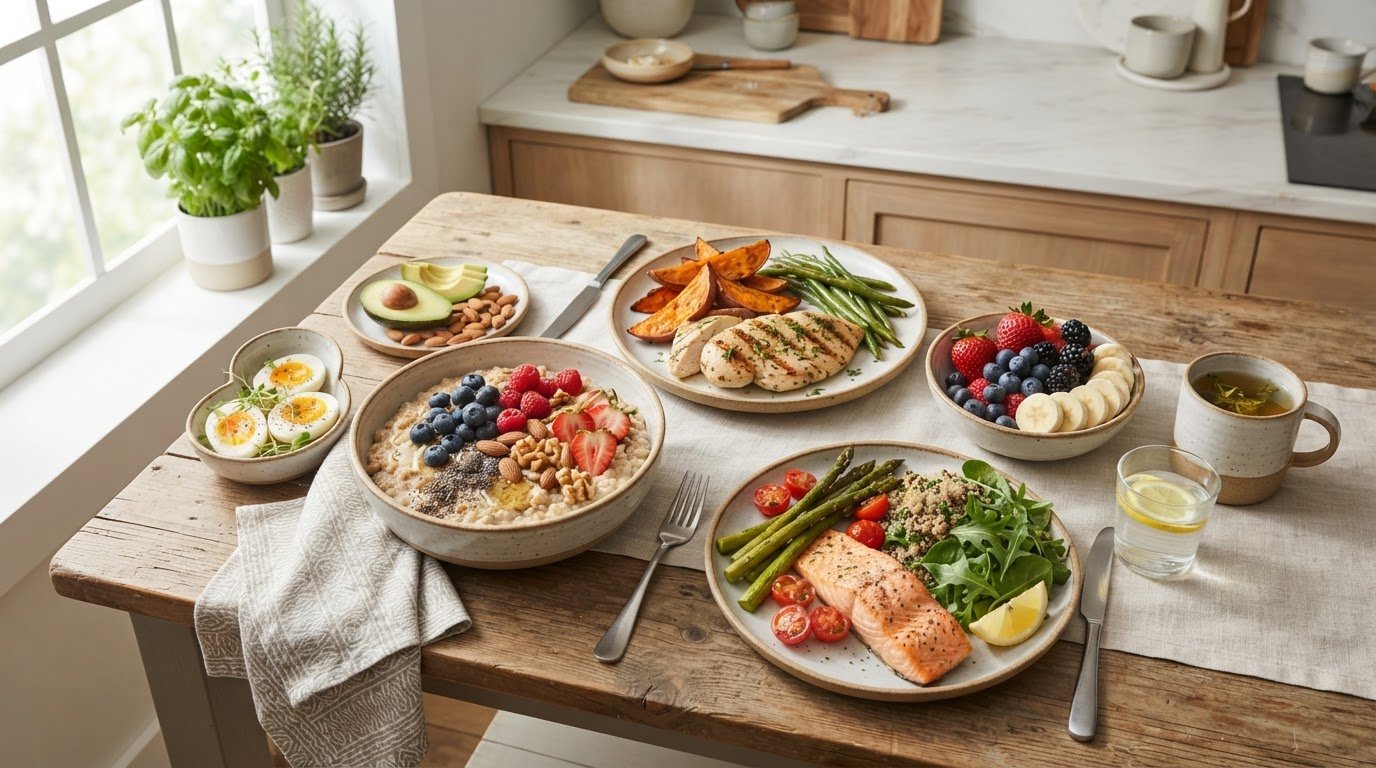
A practical postpartum recovery nutrition meal plan focused on healing and sustained energy, not weight loss. Simple strategies from a pediatrician who has been there. Looking for expert guidance on postpartum recovery nutrition meal plan? This comprehensive guide covers everything you need to know, from understanding the basics to making informed decisions for your family. Your body just did something extraordinary, and a postpartum recovery nutrition meal plan is not about restriction. It is about giving your tissues, hormones, and energy systems the raw materials they need to repair. The American College of Obstetricians and Gynecologists (ACOG) recommends that postpartum individuals eat a balanced diet rich in iron, protein, calcium, and omega-3 fatty acids, especially if breastfeeding. You are not trying to bounce back. You are trying to recover. Here is what most people get wrong in the first six weeks: they treat food like a problem to manage when it is actually the most accessible medicine you have. Sleep is fractured. Time is nonexistent. Decision fatigue is real. A meal plan that requires forty ingredients and a functioning blender is not a plan, it is a wish. The goal is steady blood sugar, adequate protein at every eating window, and enough iron-rich foods to rebuild what you lost in delivery. If you are breastfeeding, your caloric needs are higher than they were during pregnancy, not lower. The Centers for Disease Control and Prevention (CDC) notes that breastfeeding individuals typically need about 400 to 500 extra calories per day compared to their pre-pregnancy intake. That is not a suggestion to eat junk. It is permission to eat enough. Before you look at any meal plan, it helps to understand which nutrients matter most during recovery. This is not a comprehensive list, but these are the ones that show up consistently in clinical guidance. Iron. Blood loss during delivery depletes iron stores. Low iron looks exactly like new-parent exhaustion, which makes it easy to miss. Lean red meat, lentils, spinach, and fortified cereals are solid sources. Pairing plant-based iron with vitamin C, like squeezing lemon over spinach, improves absorption. Protein. Tissue repair demands protein. The National Institutes of Health (NIH) recommends that lactating individuals consume about 71 grams of protein per day. That sounds like a lot until you realize that a cup of Greek yogurt has about 20 grams and three ounces of chicken has about 25. Calcium and vitamin D. If you are breastfeeding, calcium is drawn from your bones to supply your milk. The National Institutes of Health recommends 1,000 milligrams of calcium daily for lactating adults. Dairy, fortified plant milks, canned salmon with bones, and leafy greens all count. Omega-3 fatty acids, particularly DHA. DHA crosses into breast milk and supports your baby’s brain development, while also playing a role in your own mood regulation. The American College of Obstetricians and Gynecologists suggests that pregnant and lactating individuals consume 8 to 12 ounces of low-mercury fish per week, such as salmon, sardines, or trout. Choline. It does not get enough attention. Choline is critical for infant brain development and is found in eggs, lean beef, and soybeans. The recommended intake for lactating individuals is 550 milligrams per day, according to the NIH. Instead of a rigid seven-day menu that assumes you have two free hours, think in terms of a postpartum recovery nutrition meal plan framework. A framework is flexible. It lets you swap based on what is in the fridge, what you can tolerate, and whether anyone slept last night. The simplest structure that holds up under real conditions looks like this: This is not six separate meals you must prepare. It is six opportunities to eat something. Some days, two of those opportunities will be a handful of almonds and a cheese stick. That counts. The Academy of Nutrition and Dietetics emphasizes that meal regularity matters more than meal perfection during postpartum recovery. Eating every three to four hours helps maintain energy levels and, for those who are breastfeeding, supports milk supply by keeping caloric intake consistent throughout the day. Here is what a three-day sample looks like when you translate the framework into actual food. These meals require minimal active cooking time and use overlapping ingredients so nothing goes to waste. Breakfast: Oatmeal made with milk, topped with sliced banana and a tablespoon of peanut butter. Oats are a whole grain that provides slow-release energy, and peanut butter adds protein and healthy fat. Snack: Greek yogurt with a drizzle of honey. Choose plain, full-fat yogurt for maximum satiety. Lunch: Canned salmon mixed with avocado on whole-grain bread, with a handful of cherry tomatoes on the side. Canned salmon with soft bones provides calcium and omega-3s without any cooking. Snack: Sliced apple with almond butter. Dinner: Sheet-pan chicken thighs with sweet potatoes and broccoli. Toss everything in olive oil and roast at 400 degrees Fahrenheit for about 25 to 30 minutes. One pan, minimal cleanup. Evening: A small bowl of whole-grain cereal with milk, or a slice of toast with butter if dinner was early. Breakfast: Two scrambled eggs with spinach and a slice of whole-wheat toast. Eggs are one of the best dietary sources of choline. Snack: Cheese stick and a handful of whole-grain crackers. Lunch: Leftover chicken and sweet potato from last night, chopped and tossed over greens with olive oil and lemon. No new cooking required. Snack: Hummus with carrot sticks or whole-grain pita. Dinner: Lentil soup made from a can, low-sodium, with a side of crusty bread. Lentils provide iron, protein, and fiber, and canned soup is a legitimate shortcut. Evening: A warm cup of milk or fortified plant milk with a small banana. Breakfast: Overnight oats prepared the night before with chia seeds, milk, and frozen berries. No morning effort required. Snack: Trail mix with nuts, seeds, and a few dark chocolate chips. Lunch: Tuna salad (made with canned light tuna, mashed avocado instead of mayonnaise) on whole-grain crackers, with cucumber slices. Snack: Cottage cheese with pineapple chunks. Dinner: Ground beef and black bean tacos with shredded cabbage and salsa. Ground beef is rich in iron and b vitamins. Use whatever tortillas you have, corn or flour. Evening: A small smoothie made with milk, frozen banana, and a spoonful of peanut butter if you are still hungry. Notice the pattern: breakfasts and snacks are nearly zero-preparation. Lunches lean on leftovers and canned goods. Dinners use one pot or one pan. This is not a gourmet rotation. It is a survival rotation that happens to cover your bases. Meal prep advice written by someone who has never been woken at 3 a.m. by a newborn is not meal prep advice. These strategies respect the reality of postpartum life. Batch-cook one protein on day one. Roast a tray of chicken thighs, brown a pound of ground beef, or bake a block of tofu. Keep it in the fridge and pull from it for three days of meals. Embrace canned and frozen. Canned beans, canned salmon, frozen vegetables, and frozen berries are nutritionally comparable to fresh in most cases, according to the Academy of Nutrition and Dietetics. They do not require chopping and they do not rot in the crisper drawer while you are surviving on adrenaline. Keep a “no-recipe” shelf. Stock ingredients that become a meal with no recipe: eggs, tortillas, salsa, canned beans, cheese, bagged salad kits, instant oats, nut butter, bananas. When you cannot think, these foods still work. Use a slow cooker or pressure cooker. These appliances do the work while you are holding a baby. Dump in broth, frozen vegetables, and a protein source in the morning. Dinner is done by evening with zero monitoring. Ask for or accept specific help. When someone asks what they can bring, say “a frozen lasagna” or “a bag of pre-cut vegetables.” General offers of help are nice. Specific food offers are useful. A postpartum recovery nutrition meal plan is not about perfection, but there are a few things worth understanding. Excess caffeine. The American Academy of Pediatrics (AAP) notes that moderate caffeine intake, generally up to 200 to 300 milligrams per day, is considered compatible with breastfeeding for most individuals. That is roughly two cups of coffee. Beyond that, some babies become irritable or have disrupted sleep, and you are already managing enough sleep disruption. Highly processed snacks that spike and crash your blood sugar. This is not about guilt. It is about physiology. A granola bar that is essentially candy will give you fifteen minutes of energy and then a crash that makes the 4 p.m. wake-up window feel impossible. If you want something sweet, pair it with protein or fat. Apple with peanut butter, not apple alone. Alcohol. The American Academy of Pediatrics states that alcohol is not compatible with breastfeeding in the way that some people assume. If you choose to drink, the AAP recommends waiting at least two hours per standard drink before nursing or pumping, and pumping and dumping does not clear alcohol from milk faster than time does. Extreme restriction. The World Health Organization recommends against aggressive caloric restriction during the postpartum period, especially while breastfeeding. Your body needs fuel to heal and to produce milk. A meal plan that cuts calories aggressively is a meal plan that works against your recovery, not for it. If you are breastfeeding or pumping, your body is doing work that most people cannot see. Milk production is metabolically expensive. The National Institutes of Health notes that lactation increases energy requirements by approximately 400 to 500 calories per day in fully breastfeeding individuals. Hydration matters here more than most people realize. Keep a large water bottle within arm’s reach of wherever you nurse or pump most often. Thirst is a lagging indicator. You are already behind on water by the time you feel it. Some nursing parents notice that certain foods seem to cause fussiness in their babies. The evidence here is individual and not universal. The American Academy of Pediatrics does not recommend that breastfeeding parents avoid specific foods unless there is a clear, repeated pattern of reaction in the baby. If you suspect a food sensitivity, the AAP suggests keeping a simple food and symptom log and discussing it with your pediatrician or a lactation consultant before eliminating food groups. If pumping makes you ravenous at odd hours, keep snacks in your pumping station. A stash of nuts, dried fruit, granola bars with protein, or cheese crackers means you do not have to choose between feeding yourself and feeding your baby. Nutrition is one piece of postpartum recovery. It is not a substitute for medical or mental health support. If you are experiencing persistent exhaustion that goes beyond typical new-parent fatigue, feelings of hopelessness, intrusive thoughts, or a loss of interest in things you used to enjoy, these can be signs of postpartum depression or anxiety. The American College of Obstetricians and Gynecologists recommends that all postpartum individuals be screened for depression and anxiety, but screening does not always happen automatically. You can ask your provider at any postpartum visit, or call sooner if something feels wrong. If you have gestational diabetes history, ongoing blood pressure concerns, thyroid symptoms, or a history of eating disorder, your nutritional needs may require individualized guidance from a registered dietitian. Your obstetrician or primary care provider can provide a referral. If breastfeeding is painful, inconsistent, or causing significant distress, a board-certified lactation consultant (IBCLC) can assess latch, supply, and feeding patterns. Many insurance plans cover lactation support, and the U.S. Department of Health and Human Services includes lactation consulting as a preventive service under the Affordable Care Act for most plans. A postpartum recovery nutrition meal plan does not need to be complicated, expensive, or rigid. It needs to be adequate, flexible, and realistic enough to survive a week of interrupted sleep and zero spare time. Eat protein at every opportunity. Keep iron-rich foods in rotation. Drink water before you feel thirsty. Use canned and frozen foods without apology. The goal is not a certain body size by a certain date. The goal is a body that has what it needs to heal, to produce milk if you are doing that, and to show up for your baby even when you are running on four hours of sleep. That is not a small ask. Feed yourself accordingly. Medical Disclaimer: This article is for informational purposes only and does not constitute medical advice. Nutritional needs vary based on delivery method, breastfeeding status, preexisting conditions, and individual health history. Always consult your obstetrician, primary care provider, or a registered dietitian before making significant dietary changes, especially during the postpartum period. If you are experiencing symptoms of postpartum depression or anxiety, contact your healthcare provider promptly. The National Institutes of Health estimates that fully breastfeeding individuals need approximately 400 to 500 additional calories per day compared to their pre-pregnancy intake. Individual needs vary based on milk output, activity level, and body composition. If you are unsure, a registered dietitian who specializes in postpartum nutrition can help you find the right range for your situation. Yes, but it requires intentional planning. Vitamin B12, iron, zinc, and omega-3 fatty acids (DHA and EPA) are nutrients that need extra attention on a plant-based diet. The Academy of Nutrition and Dietetics states that well-planned vegetarian and vegan diets are appropriate during lactation, but supplementation with vitamin B12 and possibly DHA (from algae-based sources) is often recommended. Discuss your diet with your healthcare provider to make sure you are covering the bases. The World Health Organization does not recommend caloric restriction or fasting during the postpartum period, particularly while breastfeeding. Your body needs consistent energy intake to support tissue repair, hormonal rebalancing, and milk production. If fasting is part of your cultural or religious practice, discuss timing and adequacy with your healthcare provider. Lentils, chickpeas, tofu, spinach, fortified cereals, and pumpkin seeds are all solid plant-based iron sources. The National Institutes of Health notes that iron from plant sources (non-heme iron) is absorbed less efficiently than iron from animal sources (heme iron), so pairing plant-based iron with vitamin C foods, like citrus, tomatoes, or bell peppers, can meaningfully improve absorption. Some breastfed babies show fussiness, gas, eczema, or changes in stool patterns after their parent eats certain foods, most commonly dairy, soy, or eggs. The American Academy of Pediatrics recommends keeping a simple log of what you eat and any symptoms your baby shows, then reviewing it with your pediatrician or an IBCLC before eliminating foods. Eliminating entire food groups without guidance can create nutritional gaps that affect both you and your baby. Many healthcare providers recommend continuing a prenatal or switching to a postpartum vitamin during the breastfeeding period, particularly to cover iron, vitamin D, DHA, and B12. The American College of Obstetricians and Gynecologists recommends that breastfeeding individuals continue taking a prenatal vitamin or an equivalent supplement. Your provider can help you determine which formulation is right for your specific blood work and dietary intake. The American Academy of Pediatrics considers moderate caffeine intake, generally up to 200 to 300 milligrams per day (roughly two cups of coffee), compatible with breastfeeding for most individuals. Some babies are more sensitive to caffeine than others and may become irritable or have disrupted sleep. If you notice a pattern, reducing caffeine or timing it after a feeding session may help. Appetite loss in the postpartum period is common and can be related to hormonal shifts, fatigue, stress, or postpartum depression. When you cannot face a full meal, focus on small, nutrient-dense options: a smoothie with milk, banana, and peanut butter; a cheese stick and crackers; yogurt with granola. Liquid calories count. If appetite loss persists or is accompanied by other symptoms, mention it to your healthcare provider.Postpartum Recovery Nutrition: A Practical Meal Plan for Sustained Energy
Why Postpartum Nutrition Is Different Right Now
Key Nutrients Your Body Is Actually Asking For
Building a Weekly Meal Framework
Eating Window What to Include Why Breakfast Protein + complex carb + fruit Stabilizes blood sugar before the day gets chaotic Mid-morning snack Protein or healthy fat Prevents the crash that caffeine cannot fix Lunch Protein + vegetable + whole grain Replenishes energy without requiring a nap Afternoon snack Calcium source + something handheld Bridges the gap to dinner when you are feeding a baby Dinner Protein + vegetable + starchy carb Supports overnight recovery and milk supply Evening snack (if needed) Warm, gentle, carb-forward Helps with relaxation and overnight satiety A Sample Three-Day Meal Plan
Day 1
Day 2
Day 3
Five Prep Strategies That Work at 3 a.m.
What to Limit and Why
Eating While Breastfeeding or Pumping
When to Ask for More Help
The Bottom Line
Frequently Asked Questions
How many calories should I eat while breastfeeding?
Can I follow a vegetarian or vegan meal plan while breastfeeding?
Is intermittent fasting safe during postpartum recovery?
What are the best iron-rich foods if I do not eat red meat?
How do I know if my baby is reacting to something I ate?
Should I take a postpartum vitamin?
Can I drink coffee while breastfeeding?
What should I eat if I have no appetite?
Related Reading on ChildBloom
- Maternity leave planning checklist
- Postpartum sleep strategies for parents
- Choosing a postpartum doula