Postpartum Comfort Measures After Vaginal Birth: Home Relief Guide
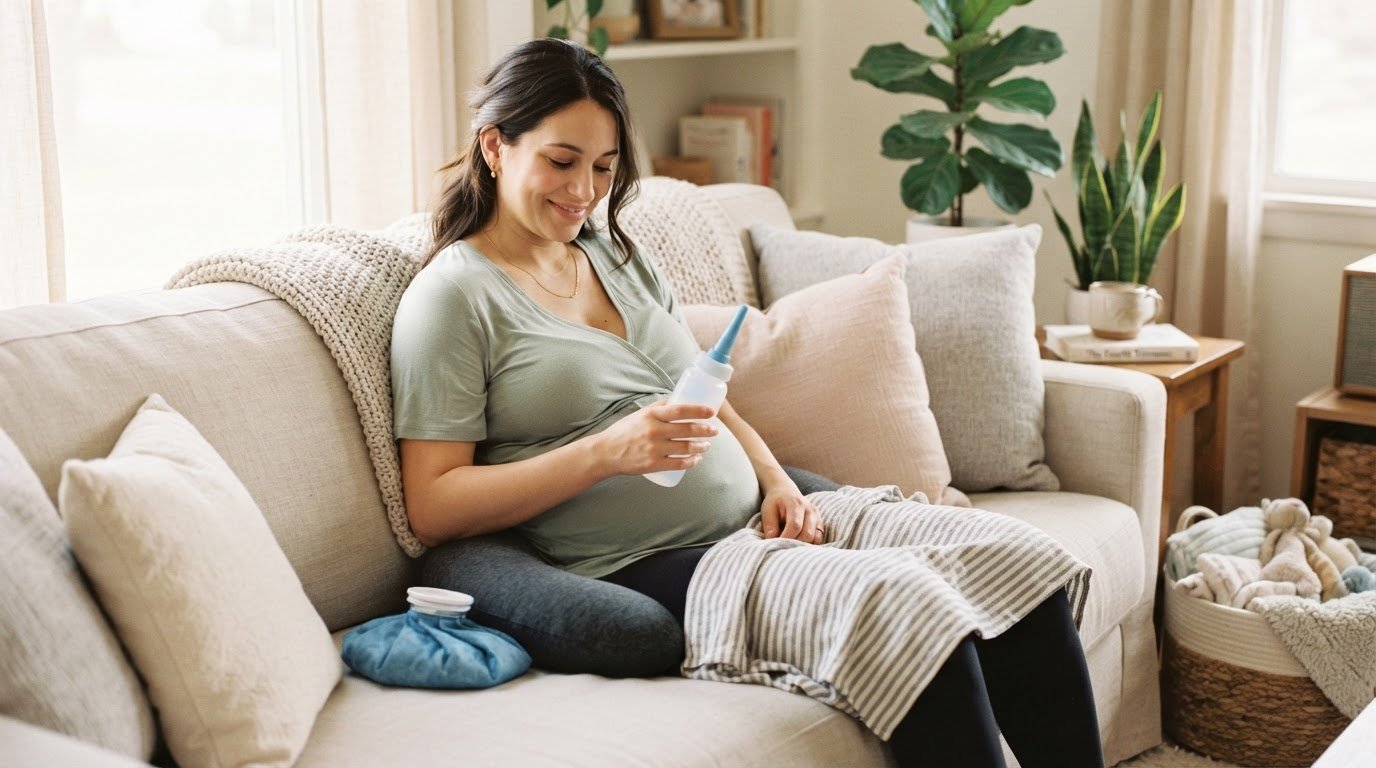
Evidence-based postpartum vaginal pain relief home measures — from cold therapy to positioning — that help you recover comfortably after delivery. Looking for expert guidance on postpartum vaginal pain relief home measures? This comprehensive guide covers everything you need to know, from understanding the basics to making informed decisions for your family. The first week after a vaginal birth is a period of real physical recovery. Your body has gone through significant tissue stretching, and you may have perineal tearing, an episiotomy, or generalized soreness even without a formal tear. For postpartum vaginal pain relief home measures to work effectively, it helps to understand what is typical during this window. Perineal soreness, swelling, and aching commonly peak around days two to three after delivery. Cramping (afterpains) intensifies during breastfeeding due to oxytocin release. Lochia, the postpartum bleeding, can last four to weeks and is heaviest in the first several days. These processes are normal, and they respond well to the comfort strategies below. That said, some signs are not typical and require prompt evaluation: a fever above 100.4°F, foul-smelling discharge, heavy bleeding that soaks through a pad in an hour, or worsening pain after the first few days. When in doubt, call your provider. Knowing the difference between expected discomfort and a warning sign helps you use home measures confidently rather than second-guessing every symptom. Cold therapy is one of the most effective interventions for perineal swelling and pain in the first 48 to 72 hours. Cold causes local vasoconstriction, which reduces edema and numbs nerve endings in the perineal tissue. The standard approach is a wrapped ice pack or a hospital-style perineal cold pad applied to the perineum for 15 to 20 minutes at a time, with at least an hour between applications. Direct skin contact should always be avoided; wrap the cold source in a clean cloth or thin towel. Many patients use the cold packs provided by the hospital and then transition to chilled witch hazel pads or a clean cloth wrapped around a gel pack from home. Some families prepare “padsicles” in advance — maxi pads soaked in witch hazel and aloe vera gel, then frozen. These combine the cooling effect with the astringent properties of witch hazel. While formal large-scale trials on padsicles are limited, the component ingredients (witch hazel and aloe) have a long history of use for perineal comfort, and many postpartum nurses recommend them as part of standard discharge instructions. Practical tip: if you are making padsicles at home, use fragrance-free, alcohol-free witch hazel. Some commercial products contain high alcohol concentrations that can sting raw tissue. Patch-test on intact skin first if you have sensitive skin or a history of contact dermatitis. After the initial 48 to 72 hour window, when acute swelling has started to subside, warm sitz baths become a primary comfort measure. A sitz bath involves sitting in warm water that covers the hips and buttocks, and it can be done using a small plastic basin that fits over a standard toilet seat or in a shallow bathtub. The water temperature should be comfortably warm, not hot, roughly around 100°F. Soaking for 15 to 20 minutes, two to three times a day, promotes blood flow to the perineal area, which supports healing and relaxes the pelvic floor muscles. Some patients find relief from adding Epsom salts to the water, though evidence for a specific benefit beyond the warm water itself is limited. Plain warm water is effective on its own. If you had sutures, sitz baths are generally safe after the first 24 hours, but confirm timing with your provider at discharge. The warm water does not dissolve sutures; modern absorbable sutures used for perineal repair are designed to hold tissue in place for the initial healing period regardless of brief water exposure. After bathing, pat the area gently with a clean, soft towel rather than rubbing. One thing sitz baths cannot do: they do not prevent infection by themselves. They are a comfort measure, not a treatment for an existing infection. If you notice increasing redness, pus-like discharge, or a foul odor, stop relying on sitz baths and contact your provider. A peri bottle is a simple squeeze bottle filled with warm water that you use to rinse the perineal area after using the toilet. It serves two purposes: cleansing without the friction of toilet paper and providing a soothing stream of warm water to irritated tissue. Fill the bottle with plain warm water and use it every time you urinate or have a bowel movement for at least the first week. Squeeze the water from front to back, which minimizes the movement of bacteria from the anal area toward the urethra. After rinsing, pat dry gently with a clean cloth or allow the area to air-dry for a few minutes before putting on a fresh pad or underwear. Hospitals typically send patients home with a peri bottle. If you do not have one, any clean squeeze bottle with a narrow angled neck works. Avoid adding soaps, antiseptic solutions, or essential oils to the water unless your provider specifically recommends a particular product. Plain warm water is sufficient and reduces the risk of irritating healing tissue or disrupting the normal vaginal flora. Urination itself can sting in the first days, especially if there is a tear near the urethra. Using the peri bottle while you urinate, diluting the urine stream with warm water, significantly reduces that burning sensation. It sounds counterintuitive, but the immediate relief is noticeable for most patients. How you sit and lie down matters more than people expect in the first weeks. Direct pressure on the perineum from sitting flat on a hard surface can increase pain and slow tissue healing. A donut pillow or a wedge cushion with a cutout center redistributes your weight to the thighs and ischial tuberosities (the sitting bones) rather than pressing on the perineal area. These cushions are available at most pharmacies and are one of the more practical investments for the early postpartum period. Some patients find a simple folded towel or a soft bed pillow sufficient, but a purpose-built cushion tends to stay in place better. When lying down, side-lying is generally the most comfortable position, especially if you are breastfeeding. Place a pillow between your knees to keep your hips aligned and reduce strain on your lower back. If you prefer lying on your back, placing a small pillow or rolled towel under your knees slightly flexes the hips and can reduce pelvic pressure. Standing up from a lying position should be done carefully. Roll to your side first, push up with your arms, and then bring your legs over the edge of the bed. This technique, called the log roll, minimizes abdominal strain and feels less jarring on healing tissues than sitting up directly from your back. For the first week, limit continuous sitting to 30 to 60 minutes at a time when possible. Stand, walk briefly, or shift positions to avoid sustained pressure on any one area. Non-prescription pain medication is a core part of postpartum recovery and is compatible with breastfeeding. The two most commonly used options are ibuprofen and acetaminophen. Ibuprofen (Advil, Motrin) is an NSAID that addresses both pain and inflammation. It is often the first-line choice after vaginal birth because it directly targets the inflammatory component of perineal soreness. Typical adult dosing is 400 to 600 mg every six hours as needed, not exceeding the maximum daily dose listed on the label unless directed by your provider. Ibuprofen has a well-established safety profile in breastfeeding: very little transfers into breast milk, and it is commonly used in neonatal care itself. Acetaminophen (Tylenol) is an analgesic and antipyretic but does not have significant anti-inflammatory properties. It is a good option if you cannot take NSAIDs due to a history of stomach ulcers, kidney issues, or other contraindications. It can also be alternated with ibuprofen on a staggered schedule (for example, ibuprofen at noon, acetaminophen at 3 p.m.) to maintain consistent pain coverage. Confirm any staggered dosing schedule with your provider, and keep a written log of what you have taken and when to avoid accidental overlap. Aspirin is generally avoided in the immediate postpartum period due to bleeding risk. Always check with your provider before taking any medication if you delivered by cesarean section or have other complicating factors, as recommendations may vary. Taking pain medication on a scheduled basis for the first several days, rather than waiting until pain is severe, tends to produce better overall comfort. By the time you feel significant pain, catching up is harder than maintaining a steady baseline. Fear of having a bowel movement after a vaginal birth is extremely common, and it is not irrational. Perineal tears and hemorrhoids make the first few bowel movements genuinely uncomfortable. Avoiding bowel movements, however, leads to constipation, harder stool, and more pain on the next attempt, creating a cycle that is worth interrupting early. Stool softeners (docusate sodium) are non-prescription and are routinely recommended after delivery. They work by drawing water into the stool, making it softer and easier to pass. They are not laxatives; they do not stimulate bowel movements. Their role is to make the stool that is already there less traumatic to pass. Continue taking a stool softener for at least the first week or two, or until bowel movements are no longer painful. Hydration and fiber support stool softeners but do not replace them on their own. Drink water consistently throughout the day. Eat high-fiber foods: oatmeal, prunes, berries, lentils, whole grains. If your appetite is low in the first days, start with small portions and build up. Avoid large quantities of binding foods like white rice, white bread, and bananas until your bowels are moving comfortably. During a bowel movement, use a clean pad or folded toilet paper to apply gentle counterpressure against the perineum (from the outside, pressing upward). This supports the perineal tissue and reduces the sensation that your stitches will open. They will not open. The sutures are placed in the deeper tissue layers and are designed to withstand normal bowel function. The counterpressure is a comfort measure that can make the difference between a manageable experience and a panic-filled one. Some patients find that squatting or using a small stool to elevate their feet (like a Squatty Potty) straightens the anorectal angle and makes elimination easier with less straining. If getting on and off a low stool is difficult, a stack of books works as well. Rest is not a luxury after childbirth; it is a physiological requirement for healing. Tissue repair, hormonal adjustment, and the metabolic demands of lactation all increase your body’s need for recovery time. The standard recommendation is to limit activity to self-care and infant care for the first two weeks. That means no heavy lifting (anything heavier than the baby), no housework beyond light tidying, and no exercise beyond short walks. This is not arbitrary. Overexertion in the first weeks is associated with increased postpartum bleeding and slower healing, though large randomized trials on specific activity limits are limited and most guidance comes from clinical consensus and observational data. Sleep deprivation compounds pain perception. When you are exhausted, everything hurts more. Accept help from partners, family, or friends for everything that is not feeding the baby and resting yourself. If someone offers to bring a meal, fold laundry, or watch the baby for an hour so you can nap, let them. Walking is encouraged starting the day of or the day after birth. Short, slow walks around the house or yard promote circulation, reduce the risk of blood clots, and support bowel function. Gradually increase duration as tolerated, but stop if you notice increased bleeding or pain. A useful guideline: if your bleeding brightens in color or increases in volume after activity, you did too much. Pull back and rest. Home comfort measures are effective for expected postpartum soreness, but they are not appropriate for complications. Contact your provider promptly if you experience any of the following: Trust your instincts. If something feels wrong, it is worth a phone call. Postpartum complications can escalate quickly, and early evaluation almost always leads to better outcomes. Postpartum vaginal pain relief home measures work best when you combine several strategies rather than relying on one. Cold therapy in the first days, followed by warm sitz baths. A peri bottle at every bathroom visit. Scheduled over-the-counter pain medication rather than waiting for peaks. A donut pillow for sitting. Stool softeners and hydration to protect your bowels. And rest, real rest, as much as your circumstances allow. Recovery is not linear. Some days will feel worse than the day before, especially as you become more active. That fluctuation is normal. What matters is the overall trajectory: you should be trending toward less pain and more function week by week. If that is not what you are seeing, or if something does not feel right, your provider is the right person to check in with. Medical Disclaimer: This article is for informational purposes only and does not constitute medical advice. Always consult your healthcare provider regarding your specific postpartum recovery, especially if you had a complicated delivery or have ongoing symptoms. Perineal soreness typically peaks around days two to three and improves noticeably over the first two to three weeks. If you had a second-degree or deeper tear, some discomfort with prolonged sitting or certain movements may persist longer. Complete tissue remodeling takes months, but the acute pain phase resolves within the first few weeks for most patients. Yes, alcohol-free witch hazel pads are commonly used for perineal comfort after tears and episiotomies. Apply them to a clean maxi pad or directly to the perineum after cleansing. Avoid products with high alcohol content, as these can sting healing tissue. Ibuprofen is considered compatible with breastfeeding. Very small amounts transfer into breast milk, and it is used in neonatal care. Acetaminophen is also considered safe. Confirm dosing with your provider, especially if you have any medical conditions or take other medications. Most providers recommend starting sitz baths after the first 24 hours, once the initial heavy swelling phase has begun to stabilize. Use warm (not hot) water for 15 to 20 minutes. Confirm timing with your discharge instructions, as recommendations may vary slightly based on the type of repair you had. This is common. Take a stool softener daily, stay hydrated, eat fiber-rich foods, and use counterpressure on the perineum with a clean pad during the bowel movement. The sutures are strong and will not come apart. If you go more than three days without a bowel movement, call your provider for guidance.Comfort Measures After Vaginal Birth: What Actually Helps at Home
What to Expect in the First Days
Cold Therapy and Ice Packs
Warm Sitz Baths
Peri Bottles and Gentle Cleansing
Positioning and Sitting Support
Over-the-Counter Pain Medication
Stool Softeners and Bowel Comfort
Rest and Activity Pacing
When to Call Your Provider
Conclusion
Frequently Asked Questions
How long does perineal pain last after a vaginal birth?
Can I use witch hazel pads if I had an episiotomy or tear?
Is it safe to take ibuprofen while breastfeeding?
When should I start using a sitz bath after delivery?
What if I am too afraid to have a bowel movement?
Related Reading on ChildBloom
- Postpartum pelvic organ prolapse signs
- Choosing a pelvic floor physical therapist
- Postpartum sleep strategies for parents