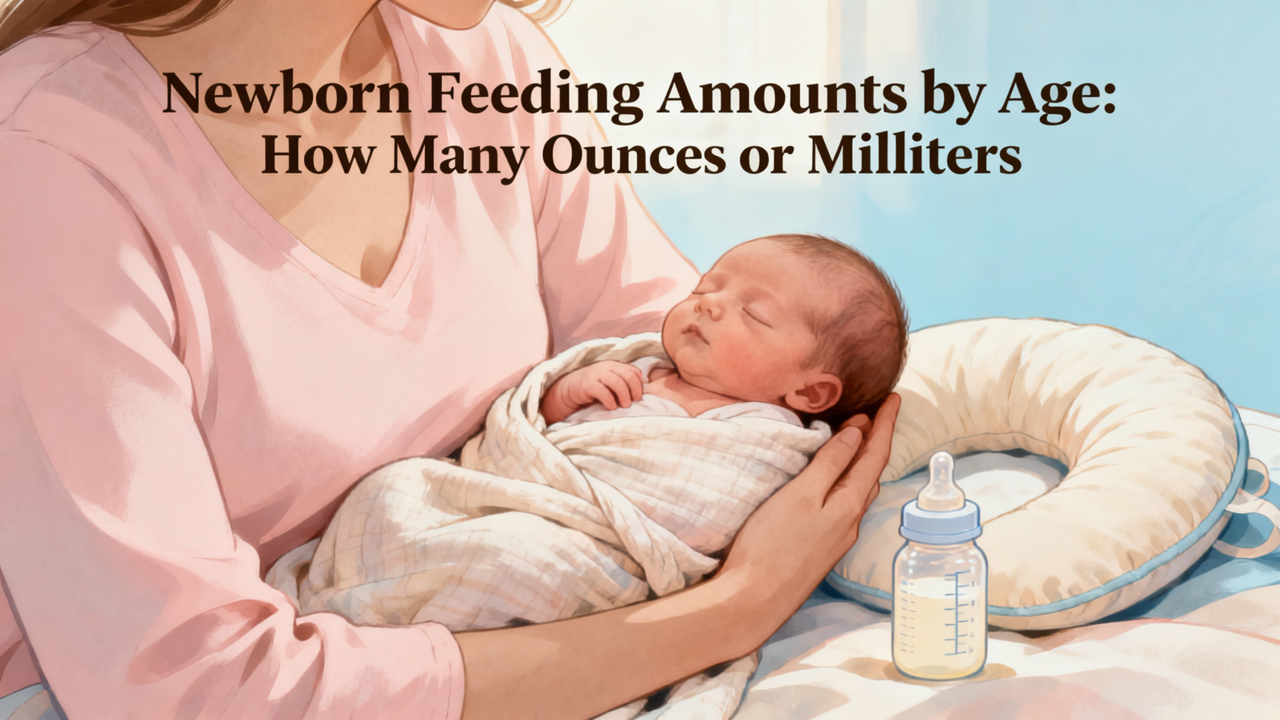
Newborn Feeding Amounts by Age: How Many Ounces or Millilite
Introduction: Why Every Parent Needs a Feeding Roadmap
“How much should my baby eat?” is arguably the most common question new parents ask—and for good reason. Unlike adults who can simply say “I’m hungry” or “I’m full,” newborns communicate their needs through subtle cues that take time to decode. Add to that the tiny size of a newborn’s stomach (about the size of a cherry at birth), the rapid changes in the first weeks, and the conflicting advice from well-meaning relatives, and it’s no wonder feeding anxiety tops the list of parental concerns.
The good news? Pediatricians, lactation consultants, and major health organizations have established clear, evidence-based guidelines for newborn feeding amounts by age. Whether you’re breastfeeding, formula-feeding, or combining both, understanding how much milk your baby needs—and how that amount changes week by week and month by month—can transform feeding from a source of stress into a confident, bonding experience.
This comprehensive guide provides exactly what the existing content gap demands: a focused, parent-friendly intake-volume chart for newborns and infants, backed by the American Academy of Pediatrics (AAP), Johns Hopkins, Cleveland Clinic, and leading pediatric research. We’ll cover feeding amounts from the first teaspoon of colostrum through the first birthday, explain the differences between breast milk and formula needs, decode hunger and fullness cues, address common concerns like overfeeding and growth spurts, and provide practical tools you can use right away.
Understanding Your Baby’s Stomach Size: The Foundation of Feeding Amounts
Before diving into numbers, it’s essential to understand why feeding amounts start so small and grow so quickly. A newborn’s stomach capacity is remarkably tiny—and it grows fast.
Stomach Size by Age
| Age | Stomach Capacity | Visual Reference |
|---|---|---|
| Day 1 | 5-7 mL (1-1.5 tsp) | Size of a cherry |
| Day 3 | 22-27 mL (0.75-1 oz) | Size of a ping pong ball |
| Day 7 | 45-60 mL (1.5-2 oz) | Size of a walnut |
| Week 2 | 80-150 mL (2.5-5 oz) | Size of an egg |
| 1 Month | 120-150 mL (4-5 oz) | Size of a large chicken egg |
| 6 Months | 180-240 mL (6-8 oz) | Size of a small grapefruit |
This rapid growth explains why feeding amounts increase so dramatically in the first weeks. Your baby’s stomach simply couldn’t hold more in the early days—and trying to force larger volumes can lead to discomfort, spit-up, and even overfeeding.
Why Colostrum Is the Perfect First Food
In the first 2-3 days, your baby receives colostrum—a thick, nutrient-dense “liquid gold” that is perfectly designed for a newborn’s tiny stomach. Colostrum is:
This is why newborns only need 1-2 ounces (30-60 mL) total in the first 24 hours, even though parents often worry it’s “not enough.”
Newborn Feeding Amounts by Age: The Complete Chart
The following chart synthesizes guidelines from the AAP, Johns Hopkins Medicine, Cleveland Clinic, BabyCenter, and other leading pediatric sources. These are general ranges—your baby may fall slightly above or below, and that’s perfectly normal.
Feeding Chart: Birth to 12 Months
| Age | Amount Per Feeding | Feedings Per Day | Total Daily Intake | Notes |
|---|---|---|---|---|
| **Day 1** | 0.5-1 oz (15-30 mL) | 8-12 | 1-2 oz (30-60 mL) | Colostrum only; stomach is tiny |
| **Day 2** | 0.5-1.5 oz (15-45 mL) | 8-12 | 2-3 oz (60-90 mL) | Transitional milk may begin |
| **Day 3** | 1-2 oz (30-60 mL) | 8-12 | 3-5 oz (90-150 mL) | Mature milk may be coming in |
| **Day 4-5** | 1.5-2.5 oz (45-75 mL) | 8-10 | 5-10 oz (150-300 mL) | Milk volume increasing |
| **Day 6-7** | 2-3 oz (60-90 mL) | 8-10 | 10-15 oz (300-450 mL) | Feeding pattern stabilizing |
| **Week 2** | 2-3 oz (60-90 mL) | 7-9 | 14-18 oz (420-540 mL) | Mature milk established |
| **1 Month** | 3-4 oz (90-120 mL) | 6-8 | 18-24 oz (540-720 mL) | More predictable schedule |
| **2 Months** | 4-5 oz (120-150 mL) | 5-7 | 24-30 oz (720-900 mL) | Longer stretches between feeds |
| **3 Months** | 4-6 oz (120-180 mL) | 5-6 | 24-32 oz (720-960 mL) | Growth spurt common |
| **4 Months** | 4-6 oz (120-180 mL) | 5-6 | 24-32 oz (720-960 mL) | May sleep longer at night |
| **5 Months** | 5-6 oz (150-180 mL) | 4-5 | 24-32 oz (720-960 mL) | Approaching solid introduction |
| **6 Months** | 6-8 oz (180-240 mL) | 4-5 | 24-32 oz (720-960 mL) | Solids introduced; milk still primary |
| **7-9 Months** | 6-8 oz (180-240 mL) | 3-5 | 24-30 oz (720-900 mL) | Increasing solid food intake |
| **10-12 Months** | 7-8 oz (210-240 mL) | 3-4 | 20-30 oz (600-900 mL) | Half calories from food by 12 months |
Sources: AAP (HealthyChildren.org), Johns Hopkins Medicine, Cleveland Clinic, BabyCenter, Parents.com
Formula Feeding: The Weight-Based Rule of Thumb
For formula-fed babies, pediatricians often use a simple calculation during the first 6 months:
2.5 ounces (75 mL) of formula per pound (453 g) of body weight per day
For example:
Maximum daily intake: 32 ounces (960 mL) in 24 hours.
Weight-Based Formula Chart
| Baby’s Weight | Daily Formula Intake |
|---|---|
| 6 lb (2.7 kg) | 15 oz (450 mL) |
| 7 lb (3.2 kg) | 17.5 oz (525 mL) |
| 8 lb (3.6 kg) | 20 oz (600 mL) |
| 9 lb (4.1 kg) | 22.5 oz (675 mL) |
| 10 lb (4.5 kg) | 25 oz (750 mL) |
| 11 lb (5.0 kg) | 27.5 oz (825 mL) |
| 12 lb (5.4 kg) | 30 oz (900 mL) |
Breast Milk vs. Formula: Do the Amounts Differ?
This is one of the most common questions new parents ask, and the answer is nuanced.
Per-Feeding Volume: Nearly Identical Early On
In the first month, breastfed and formula-fed babies typically consume similar volumes per feeding. Both start with tiny amounts (0.5-1 oz) and gradually work up to 3-4 oz per feed by the end of the first month.
Daily Intake: Where Breast Milk Shines
Here’s where it gets interesting. Research from KellyMom and leading lactation science shows that exclusively breastfed babies take in a remarkably consistent amount of milk from 1 month to 6 months of age—averaging about 25 oz (750 mL) per day, with a typical range of 19-30 oz (570-900 mL). This amount does NOT significantly increase with age or weight during this period.
Why? Because breast milk changes in composition—becoming more calorie-dense as your baby grows—so the same volume provides more nutrition over time. Formula, which has a fixed composition, requires increasing volumes to meet growing nutritional needs.
Breast Milk Intake Research Data
| Baby’s Age | Average Daily Intake | Per Feeding (if bottle-fed) |
|---|---|---|
| Day 5 | ~16 oz (483 mL) | 1.5-2 oz |
| 1 Month | ~23-24 oz (687-706 mL) | 2-3 oz |
| 3 Months | ~25-27 oz (730-793 mL) | 3-4 oz |
| 6 Months | ~24-30 oz (720-896 mL) | 3-4 oz |
| 7 Months | ~30 oz (875 mL) | 3-5 oz |
| 11-16 Months | ~16-19 oz (487-550 mL) | 3-4 oz |
Sources: Dewey et al., Neville et al., Kent et al. (cited via KellyMom)
The Bottle-Feeding Breast Milk Guideline
If you’re pumping and bottle-feeding breast milk, a helpful rule of thumb is:
1-1.5 ounces (30-45 mL) per hour since the last feed
So if your baby last ate 3 hours ago, prepare a 3-4.5 oz bottle.
How Often Should Newborns Eat? The Frequency Factor
Feeding amount is only half the equation. How often your baby eats matters just as much—especially in the early weeks.
Feeding Frequency by Age
| Age | Breastfed Feeds/Day | Formula-Fed Feeds/Day | Typical Interval |
|---|---|---|---|
| Day 1-3 | 8-12 | 8-12 | Every 2-3 hours |
| Day 4-7 | 8-10 | 8-10 | Every 2-3 hours |
| Week 2-4 | 7-9 | 6-8 | Every 2.5-3.5 hours |
| 1-2 Months | 6-8 | 5-7 | Every 3-4 hours |
| 2-4 Months | 6-8 | 5-6 | Every 3-4 hours |
| 4-6 Months | 5-6 | 4-5 | Every 4 hours |
| 6-9 Months | 4-6 | 3-5 | Every 4-5 hours |
| 9-12 Months | 3-5 | 3-4 | Every 5-6 hours |
Why Breastfed Babies Eat More Frequently
Breast milk digests more quickly than formula—typically in about 90 minutes compared to 3-4 hours for formula. This is completely normal and actually beneficial, as frequent feeding:
Formula-fed babies often go slightly longer between feeds because formula is slower to digest. Neither pattern is “better”—both are normal and healthy.
Reading Your Baby’s Hunger and Fullness Cues
Charts and numbers are helpful, but your baby is the ultimate guide. Learning to read their signals is one of the most valuable parenting skills you’ll develop.
Early Hunger Cues (Feed Now)
Late Hunger Cues (Baby Is Very Hungry)
Fullness Cues (Stop Feeding)
Important: Never force your baby to finish a bottle. Babies are born with the ability to self-regulate intake. Forcing the last ounce can lead to overfeeding, spit-up, and discomfort.
Growth Spurts: When Your Baby Suddenly Wants More
Growth spurts are periods when your baby seems insatiably hungry, feeding much more frequently than usual. They’re completely normal and typically occur at:
During a growth spurt, your baby may:
What to do: Feed on demand. Your body will respond to increased breastfeeding by producing more milk. For formula-fed babies, offer slightly larger bottles or more frequent feeds. Growth spurts typically last 2-3 days.
Overfeeding and Underfeeding: How to Know the Difference
Signs Your Baby Is Eating Enough
Signs of Possible Underfeeding
Signs of Possible Overfeeding
Important: Some spit-up is normal in babies. The line between normal spit-up and overfeeding-related vomiting is frequency and volume. If your baby is consistently uncomfortable after feeds or vomiting forcefully, consult your pediatrician.
Practical Feeding Tips for New Parents
For Breastfeeding Parents
For Formula-Feeding Parents
For Combination-Feeding Parents
Special Situations and Considerations
Premature Babies
Preterm infants have different nutritional needs and may require:
Always follow your neonatologist’s specific feeding plan for premature babies.
Babies with Reflux
Reflux (spit-up) affects up to 50% of infants. Strategies include:
Multiples (Twins, Triplets)
Feeding multiples requires organization:
Returning to Work
If you’re pumping at work:
The Transition to Solid Foods (6 Months)
Around 6 months, most babies are ready to start solid foods. Signs of readiness include:
Important: Breast milk or formula remains the primary source of nutrition through the first year. Solids are complementary. Start with 1-2 tablespoons of single-grain cereal or pureed food twice daily, gradually increasing as your baby shows interest.
Frequently Asked Questions (FAQs)
How do I know if my baby is getting enough milk?
The best indicators are:
If you’re unsure, your pediatrician can do a weighted feed (weighing baby before and after breastfeeding) to assess intake.
Can a newborn eat too much?
Yes, though it’s more common with formula-fed babies. Signs include frequent large spit-ups, excessive gas, rapid weight gain, and fussiness after feeds. Never force your baby to finish a bottle. Follow hunger and fullness cues.
My baby wants to eat every hour. Is this normal?
Cluster feeding—eating very frequently for a few hours—is common, especially in the evenings and during growth spurts. It’s particularly common in breastfed babies and helps boost milk supply. If it persists beyond a few days or your baby seems unsatisfied, consult your pediatrician or lactation consultant.
Should I wake my baby to feed?
In the first 2 weeks, yes—newborns should not go more than 3-4 hours without feeding, even at night. After 2 weeks and once your baby has regained birth weight, you can let them sleep longer if they’re gaining well. Always follow your pediatrician’s guidance.
How much should a 1-week-old eat?
A 1-week-old typically eats 1.5-3 oz (45-90 mL) per feeding, 8-10 times per day, for a total of about 10-18 oz (300-540 mL) per day.
Is it okay to give my baby water?
No. Babies under 6 months should not receive plain water. Their kidneys are immature and can’t process it properly. Water can also fill their tiny stomachs, displacing needed calories. All hydration should come from breast milk or formula.
What’s the maximum amount of formula a baby should have?
The AAP recommends a maximum of 32 ounces (960 mL) of formula in 24 hours. If your baby consistently wants more, discuss with your pediatrician—it may be time to introduce solids (if 4-6+ months) or evaluate for other issues.
Do bigger babies need more milk?
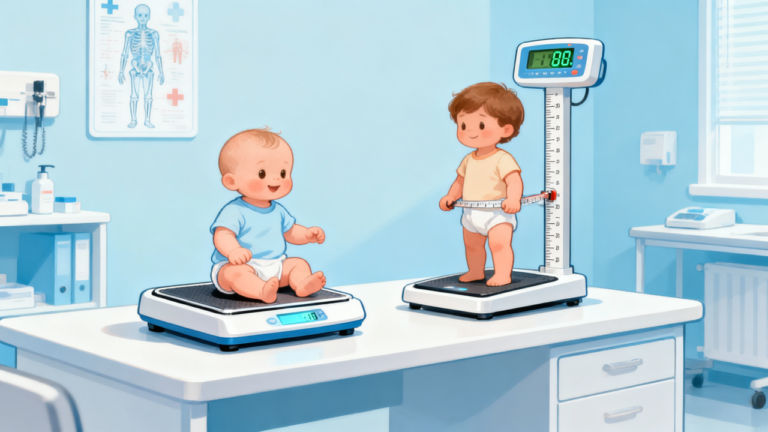
Generally, yes. The 2.5 oz per pound rule accounts for this. However, breastfed babies’ intake doesn’t increase proportionally with weight after the first month because breast milk becomes more calorie-dense. Formula-fed babies do need increasing volumes as they grow.
My baby was eating 4 oz and now only wants 3. Should I worry?
Not necessarily. Appetite naturally fluctuates day to day. One day of lower intake isn’t concerning if your baby seems well, has normal wet diapers, and is gaining weight. If decreased intake persists for 2+ days or is accompanied by other symptoms, call your pediatrician.
Can I use a feeding schedule app?
Yes, apps can be helpful for tracking feeds, amounts, and patterns—especially in the early weeks. However, don’t let the app override your baby’s cues. Use it as a tool, not a rulebook.
Conclusion: Trust Your Baby, Trust Yourself
The question “How many ounces should my baby eat?” doesn’t have one universal answer—it has a range, a pattern, and most importantly, a baby attached to it. The charts and guidelines in this article provide a valuable framework, but your baby is an individual with unique needs, appetites, and growth patterns.
Remember these key principles:
Feeding your baby is one of the most fundamental acts of care—and also one of the most anxiety-provoking for new parents. But with knowledge, observation, and a little patience, you’ll find your rhythm. Your baby is growing, changing, and communicating with you every single day. Trust the process, trust your instincts, and know that you’re doing better than you think.
Key Takeaways:
When to Call Your Pediatrician
Contact your pediatrician if you have concerns about your baby’s health, feeding, or development. If you believe your child has a medical emergency, call 911 or go to the nearest emergency department immediately.
This article is for general informational purposes only and is not a substitute for professional medical advice, diagnosis, or treatment. Always consult your pediatrician about your child’s individual health needs. If you believe your child has a medical emergency, call your local emergency number immediately.
Written by Dr. Williams, MD (Pediatrics) | Medically approved by Dr. Ahmed Raza, MD (Pediatrics) | Updated for 2026