Newborn sneezing: Why Is My Newborn Sneezing So Much? Is It Normal?
Newborns sneeze 4–10 times a day — usually to clear tiny nasal passages, not a cold. Learn what’s normal, what’s not, and when to call your pediatrician.
Thermometers, baby-proofing kits, first-aid essentials and safety guides written by Dr. Zeeshan Salam.

Newborns sneeze 4–10 times a day — usually to clear tiny nasal passages, not a cold. Learn what’s normal, what’s not, and when to call your pediatrician.

Newborn hiccups are almost always harmless. A pediatrician explains what causes them, how to stop them safely, and when hiccups signal something more.

Baby refusing the bottle? Discover 7 proven, pediatrician-approved fixes that work fast—plus the red flags to never ignore. Solve it gently in days.

Baby cough won’t quit? Learn 7 warning signs of a serious cough — when it’s just a cold, when it’s RSV, and exactly when to call the pediatrician.

Toddler ignoring everything you say? Learn why it happens and the calm, respectful strategies that actually get toddlers to listen—without yelling or bribes.

Baby crying after every feed? Discover 9 causes — gas, reflux, overfeeding, allergy — plus pediatrician-approved fixes and red flags to never ignore.

Learn the early and severe signs of dehydration in babies and toddlers, what causes it, and when to head to the ER. Pediatrician-reviewed guide.

Is your baby spitting up after every feed? Learn the difference between normal spit-up and reflux, red flags, and what pediatricians recommend.
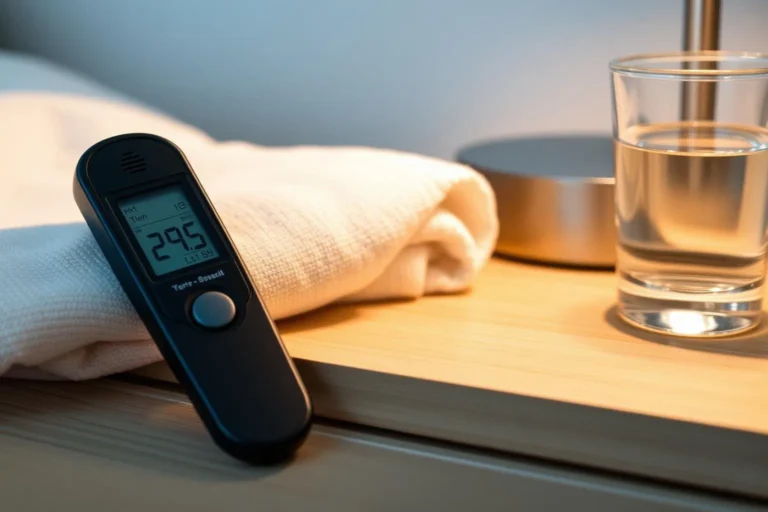
Baby fever guide: what temperature counts as a fever, safe home care, and the exact red flags that mean it’s time to call the doctor or head to the ER.

A pediatrician-trained guide reviews the best postnatal vitamins and supplements for breastfeeding mothers — focusing on iron, DHA, vitamin D, and folate content, third-party testing, and evidence-based formulations.

Do you need a postnatal vitamin? What about iron, DHA, probiotics, or ‘lactation cookies’? A pediatrician-trained guide reviews the evidence behind the most common postpartum supplements — and tells you what actually matters.

Pelvic floor recovery after delivery requires more than Kegels. A pediatrician-trained guide explains the comprehensive approach to restoring pelvic floor function — including diaphragmatic breathing, deep core work, and when to see a pelvic floor physical therapist.

Postpartum bleeding (lochia) follows a predictable pattern over 4-6 weeks. A pediatrician-trained guide explains the three stages of lochia, what is normal, and the red flags that indicate hemorrhage or retained tissue.

A C-section is major abdominal surgery. A pediatrician-trained guide explains the complete recovery timeline — from incision care and pain management to lifting rules, when to exercise, and the red flags that require medical attention.

A board-certified pediatrician provides an evidence-based guide to postpartum recovery — from vaginal and C-section healing to pelvic floor rehab, breastfeeding support, and the supplements that actually matter.

A pediatrician explains why babies’ eyes cross at 2 months, the difference between normal wandering and true strabismus, and the 6 red flags.

Pediatrician-reviewed best video baby monitors 2026: secure non-WiFi vs WiFi picks, hack-proof options, and privacy tips.
We use cookies to improve your experience on our site. By using our site, you consent to cookies.
Manage your cookie preferences below:
Essential cookies enable basic functions and are necessary for the proper function of the website.
These cookies are needed for adding comments on this website.
Statistics cookies collect information anonymously. This information helps us understand how visitors use our website.
Google Analytics is a powerful tool that tracks and analyzes website traffic for informed marketing decisions.
Service URL: policies.google.com (opens in a new window)