Fever in Babies: When to Call the Doctor & How to Measure Accur
A pediatrician explains fever thresholds by age, the most accurate measurement methods, and exactly when to go to the ER vs. wait and watch.

A pediatrician explains fever thresholds by age, the most accurate measurement methods, and exactly when to go to the ER vs. wait and watch.

Most parents baby-proof the obvious dangers. A pediatrician reveals the hidden hazards most people miss — from tip-over furniture and blind cords to button batteries and toilet drowning.

Not all baby carriers are created equal. A pediatrician explains the “M-position” for hip health, weight distribution for parent comfort, and which carriers meet clinical standards.

Up to 60% of car seats are installed incorrectly. A pediatrician walks you through the correct recline angle, harness tightness (“pinch test”), and the most dangerous common mistakes.
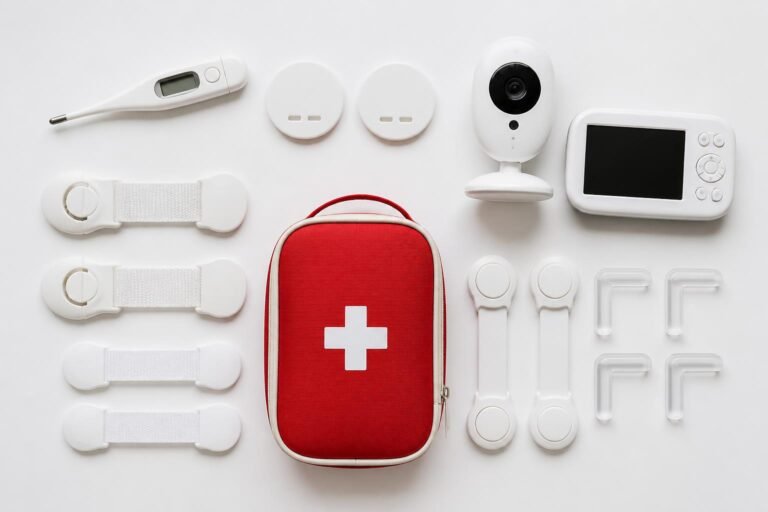
A board-certified pediatrician provides the essential baby safety gear checklist — from thermometers and car seats to carriers and baby-proofing products. Evidence-based recommendations for every category.

Iron is the most critical nutrient when starting solids. A pediatrician provides a week-by-week introduction plan with the best iron-rich first foods, absorption tips, and a complete allergen introduction guide.

Most baby spit-up is normal. But some reflux is GERD — and needs treatment. A pediatrician explains the visual differences, the red flags, and what to do about each.

Giving water to a baby under 6 months can be dangerous. A pediatrician explains why — including the risk of water intoxication — and tells you exactly when and how to introduce water safely.

Gagging and choking look similar but are fundamentally different. A pediatrician explains the visual and auditory signs of each — and what to do in an emergency. This critical safety guide could save your baby’s life.

A pediatrician provides a precise, weight-based formula feeding chart for newborns. Learn exactly how much to feed, how often, and the signs of overfeeding and underfeeding.

A board-certified pediatrician provides a complete, evidence-based guide to baby feeding — from formula amounts and breastfeeding to starting solids, choking safety, and reflux management. No guesswork. No anecdote. Just pediatrics.

“Sleeping through the night” does not mean 12 hours at 8 weeks. Here is what pediatric sleep research actually shows about when—and how—babies consolidate night sleep.

Compare moisturizers for newborn dry skin by texture, ingredients, fragrance, and use case, with pediatrician-reviewed guidance for sensitive skin.

Compare baby acne, milia, and heat rash by timing, location, appearance, and care boundaries, with clear signs that need pediatric review.

Learn how newborn peeling skin may differ from dehydration or illness, what gentle care to discuss with a clinician, and which signs need review.

Learn how diaper rash may differ from fungal or irritant patterns, what to document, and when a persistent rash needs pediatric review.

Learn how baby cheek eczema may differ from uncomplicated dry skin, which gentle routines to discuss with a clinician, and when to seek care.

Use this complete baby skin-care guide to navigate newborn peeling, dry skin, eczema, rashes, diaper care, and product-selection questions safely.
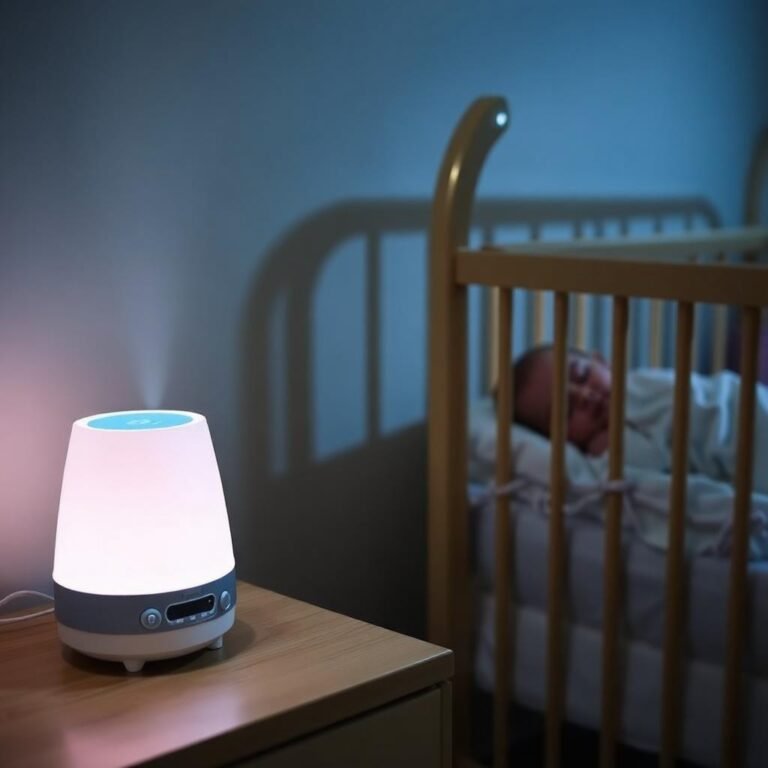
Pediatrician-reviewed top white noise machines for babies: decibel-safe picks, volume and distance guidelines, and the best sound machines for safer infant sleep.

A board-certified pediatrician breaks down the science of baby sleep — from newborn sleep cycles to sleep training — with evidence-based product recommendations for swaddles, white noise, monitors, and safe sleep environments.

When your baby wakes every hour, it is exhausting — but not always a problem. A pediatrician explains how to tell the difference between active sleep noises, true hunger, and sleep associations that need to change.

Swaddling can improve newborn sleep — but incorrect technique risks hip dysplasia and SIDS. A pediatrician explains the safe swaddling rules, the hip health requirements, and exactly when to transition.

If your baby cries at the same time every evening, you are not alone. A pediatrician explains the PURPLE crying curve, how to differentiate colic from reflux or hunger, and what actually helps.

The 4-month sleep regression is not a phase — it is a permanent neurological transition. A pediatrician explains the brain science behind it and gives parents an evidence-based survival plan.

The complete AAP-based safe sleep checklist every parent needs. Covers back-to-sleep, firm mattresses, room-sharing, overheating prevention, and the products that are — and are not — safe for infant sleep.
We use cookies to improve your experience on our site. By using our site, you consent to cookies.
Manage your cookie preferences below:
Essential cookies enable basic functions and are necessary for the proper function of the website.
These cookies are needed for adding comments on this website.
Statistics cookies collect information anonymously. This information helps us understand how visitors use our website.
Google Analytics is a powerful tool that tracks and analyzes website traffic for informed marketing decisions.
Service URL: policies.google.com (opens in a new window)