Postpartum Nutrition: Foods That Support Healing and Milk Supply
Medically reviewed by Dr. Ahmad Raza, MD (Pediatrics) — ChildBloom Medical Review Panel. Last updated: August 03, 2026.
Editorial & affiliate disclosure: our guidance is written and reviewed by clinicians. ChildBloom may earn a commission from qualifying purchases made through links on this page, which never changes what our pediatric reviewers recommend.
If you are searching for answers about postpartum nutrition, you are in the right place. This pediatrician-reviewed guide explains what is normal, what the likely causes are, the red flags that mean you should call your doctor, and what you can safely do at home — all based on current AAP, CDC and NIH guidance on postpartum nutrition.
{“@context”: “https://schema.org”, “@type”: “FAQPage”, “mainEntity”: [{“@type”: “Question”, “name”: “Will dieting hurt my milk supply?”, “acceptedAnswer”: {“@type”: “Answer”, “text”: “Aggressive restriction can.
Furthermore, most parents can lose weight gradually (u22641 lb/week) without affecting supply once itu2019s established.”}}, {“@type”: “Question”, “name”: “Do I need a special breastfeeding supplement?”, “acceptedAnswer”: {“@type”: “Answer”, “text”: “A standard prenatal + vitamin D usually covers it. DHA matters if you donu2019t eat fatty fish.”}}, {“@type”: “Question”, “name”: “Is fenugreek safe?”, “acceptedAnswer”: {“@type”: “Answer”, “text”: “Generally safe in moderation but can cause GI upset, lower blood sugar, and interact with thyroid meds.
Evidence for supply is weak.”}}, {“@type”: “Question”, “name”: “How much water do I need?”, “acceptedAnswer”: {“@type”: “Answer”, “text”: “Drink to thirst u2014 usually 2.5u20133 L/day when breastfeeding. Urine should be pale yellow.”}}, {“@type”: “Question”, “name”: “Can I have wine while nursing?”, “acceptedAnswer”: {“@type”: “Answer”, “text”: “Yes, occasionally. One drink, ideally right after a feed; alcohol clears milk at the same rate as blood (~2 hours per drink).”}}]} This guide covers best foods for healing after birth that boost milk supply and what parents need to know.
For more detailed guidance, visit the American Academy of Pediatrics or the CDC’s Infant and Toddler Health page.
Related Articles
- Postpartum recovery first week: Postpartum Recovery: What to
- Prenatal vitamins guide what to take: Prenatal Vitamins Guid
- Returning exercise birth: Returning to Exercise After Birth:
- Postpartum Hair Loss and Skin Changes: What’s Normal
- Postpartum Anxiety: Signs, Intrusive Thoughts, and Getting H
- Postpartum Depression vs. Baby Blues: Knowing the Difference
Related: The Pediatrician Approved Guide To Postpartum Recovery Healing Your Body After Baby
📖 More from the Pediatrician’s Corner Hub: your complete pediatrician-reviewed guide to your baby’s first year — milestones, feeding, sleep, vaccines, common illnesses, and more
Postpartum Nutrition and Hydration

Nutritional Needs After Birth
Specifically, your body needs extra nutrients after childbirth, especially if you are breastfeeding. Focus on protein-rich foods (lean meats, eggs, legumes), complex carbohydrates (whole grains, vegetables), and healthy fats (avocado, nuts, olive oil). Iron-rich foods (leafy greens, red meat, fortified cereals) support recovery from blood loss. Calcium is essential, especially for breastfeeding mothers — aim for 3-4 servings of dairy or fortified alternatives daily.
Hydration for Breastfeeding Mothers
Breastfeeding requires significant extra fluid — aim for 16-20 cups of water per day, more if you are active or in a hot climate. Keep a water bottle wherever you nurse and drink when your baby drinks. Watch for signs of dehydration: dark urine, headache, fatigue, dizziness, and dry lips. If you are struggling to drink enough, try infusing water with fruit, drinking herbal teas (check with your pediatrician about which ones are safe), or eating water-rich foods like watermelon, cucumber, and soups.
Key Nutrients for Postpartum Recovery
Your body undergoes significant recovery in the weeks and months after childbirth. Prioritizing these key nutrients supports tissue repair, energy restoration, milk production, and emotional well-being.
Protein: The Building Block of Recovery
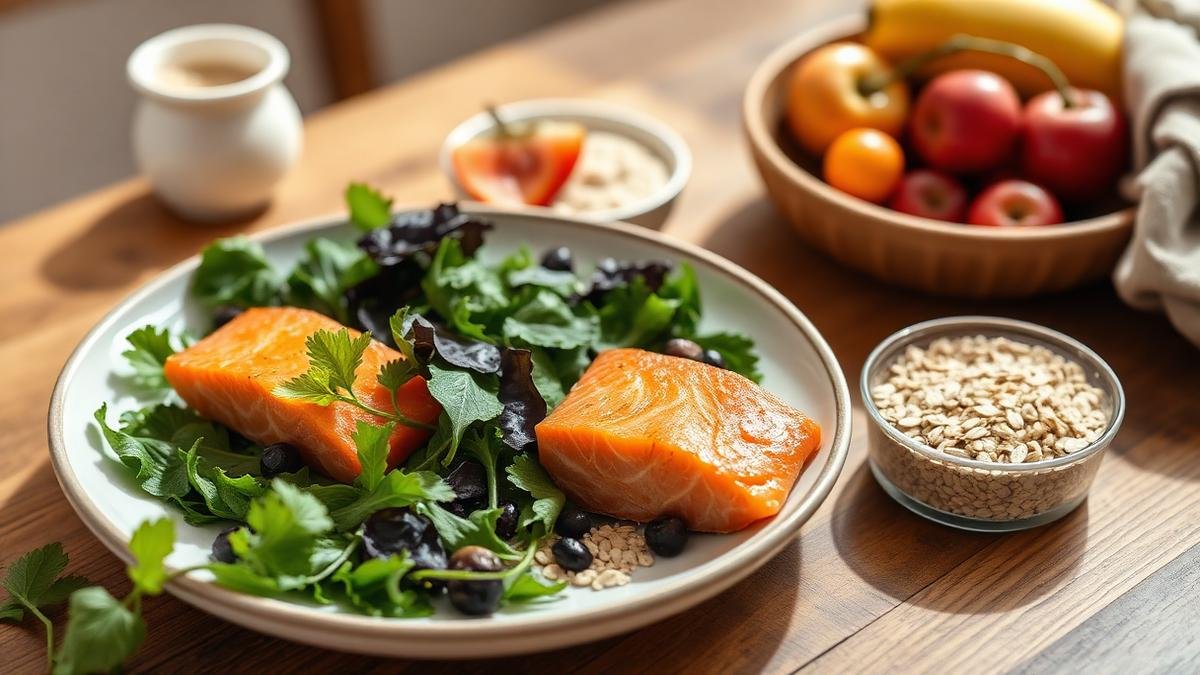
Protein is essential for repairing perineal tears, C-section incisions, and uterine tissue. Aim for 75-100 grams of protein daily — about 25-30 grams per meal. Excellent sources include lean chicken (30g per 3oz serving), eggs (6g each), Greek yogurt (15-20g per cup), lentils (18g per cup cooked), salmon (22g per 3oz serving), and tofu (10g per half-cup). For breastfeeding mothers, adequate protein intake is directly linked to milk volume and quality.
Iron: Replenishing Blood Stores
In particular, childbirth involves significant blood loss — an average of 500ml for vaginal delivery and 1,000ml for C-section. Iron stores can remain depleted for months without intentional dietary intervention. Iron-rich foods include red meat (heme iron, most absorbable), spinach, lentils, fortified cereals, and pumpkin seeds. Pair iron sources with vitamin C (citrus fruits, bell peppers, tomatoes) to increase absorption 3-6 times. Avoid drinking tea or coffee with iron-rich meals — tannins reduce absorption by up to 60%.
Calcium: Protecting Bone Health
Breastfeeding mothers lose 200-400mg of calcium daily through breast milk. If dietary intake is insufficient, your body will leach calcium from your bones to maintain milk levels. Aim for 1,300mg daily from dairy products (milk, yogurt, cheese), fortified plant milks, calcium-set tofu, sardines with bones, and leafy greens. Vitamin D (600 IU daily) is essential for calcium absorption — get it from sunlight, fortified foods, or supplements.
Omega-3 Fatty Acids (DHA): Brain Health for Both of You
DHA is a critical omega-3 fatty acid that supports your baby’s brain development through breast milk and may reduce your risk of postpartum depression. Research shows that mothers with higher DHA intake have a 40-50% lower risk of significant postpartum mood symptoms. Aim for 2-3 servings of low-mercury fatty fish per week (salmon, sardines, trout, anchovies) or consider an algae-based DHA supplement if you do not eat fish.
Fiber: Preventing Constipation
Postpartum constipation is common due to hormonal changes, pain medications (especially after C-section), perineal discomfort, and dehydration. Fiber helps prevent straining, which is critical after perineal tearing or C-section. Aim for 25-30 grams daily from whole grains (oats, quinoa, brown rice), fruits (prunes, pears, apples, berries), vegetables (broccoli, Brussels sprouts, carrots), legumes, and nuts. Increase fiber gradually and always with adequate water intake to prevent gas and bloating.
Meal Planning for the Fourth Trimester
However, the “fourth trimester” (the first 12 weeks after birth) is a period of intense physical recovery and adjustment. Meal planning during this time is not about perfection — it is about survival and nourishment.
Batch Cooking Before Baby Arrives
During the late third trimester (around 34-36 weeks), dedicate a weekend to batch cooking and freezing meals. Focus on one-handed foods that can be eaten cold or reheated quickly: freezer burritos, pre-made smoothie packs (frozen fruit and spinach in individual bags), soups and stews in portion-sized containers, lactation cookies and energy balls, pre-portioned overnight oat jars. Aim for 2-3 weeks’ worth of dinners plus a stock of easy breakfast and lunch options.
Quick Meal Ideas for Exhausted Parents
When you are running on fragmented sleep, these nutrient-dense meals take under 10 minutes: Greek yogurt with berries and granola, whole-grain toast with avocado and a fried egg, pre-made smoothie blended with milk and a handful of spinach, hummus with vegetable sticks and whole-grain crackers, cottage cheese with canned peaches, instant oatmeal with hemp seeds and sliced banana.
Foods That Support Milk Production
While no single food guarantees increased milk supply, adequate overall nutrition and hydration are essential. Oats contain beta-glucan, which may support prolactin levels. Barley, flaxseed, and fennel are traditionally used as galactagogues in various cultures. However, the most evidence-backed approach to maintaining supply is eating enough calories (2,300-2,800 daily for breastfeeding mothers), drinking to thirst (2.5-3L daily), and nursing or pumping frequently.
Eating for Energy: Timing and Frequency
As a result, new parents often find themselves skipping meals or eating whatever is fastest. This pattern leads to energy crashes, poor milk supply, and worsened mood. Instead, aim for three meals plus two to three snacks daily. Keep snack stations around the house — a basket on the changing table with granola bars and trail mix, a bowl of fruit on the kitchen counter, pre-cut vegetables and hummus in the fridge. Eat something within 30 minutes of waking, and eat a protein-containing snack before bed to maintain blood sugar overnight.
Common Nutrition Pitfalls to Avoid
- Skipping meals: Even if you are not hungry, your body needs fuel for recovery and milk production. Set phone reminders to eat if needed.
- Over-relying on caffeine: Caffeine passes into breast milk. Limit to 300mg daily (about 2-3 cups of coffee) and time it right after a feed rather than before.
- Crash dieting for weight loss: Rapid weight loss (more than 1-1.5 pounds per week) can release environmental toxins stored in fat tissue into breast milk. Gradual weight loss is safe and sustainable.
- Forgetting about yourself: Many new parents focus entirely on the baby’s nutritional needs. Your recovery matters equally — consider it essential self-care rather than optional.
Sample One-Day Postpartum Meal Plan
Here is an example of what a well-balanced postpartum day of eating looks like. Adjust portions based on your appetite and breastfeeding status:
- Breakfast (7:30 AM): Oatmeal made with whole milk, topped with 2 tablespoons hemp seeds, 1/4 cup blueberries, and a drizzle of maple syrup. Side of 2 scrambled eggs. Drink: 16oz water with lemon.
- Morning Snack (10:00 AM): Greek yogurt parfait with granola and sliced strawberries. Small handful of almonds. Drink: Herbal tea (rooibos or ginger).
- Lunch (12:30 PM): Large salad with mixed greens, grilled chicken breast, avocado, cherry tomatoes, cucumber, chickpeas, and tahini dressing. Whole-grain roll on the side. Drink: 16oz water.
- Afternoon Snack (3:30 PM): Apple slices with peanut butter. 2 homemade lactation cookies. Drink: 16oz water.
- Dinner (6:30 PM): Baked salmon with roasted sweet potatoes and steamed broccoli. Side of quinoa. Drink: Sparkling water with lime.
- Evening Snack (9:00 PM): Cottage cheese with sliced peaches and a sprinkle of cinnamon. Glass of warm milk with turmeric. Drink: 8oz water.
Total approximate daily intake: 2,400 calories, 110g protein, 1,500mg calcium, 28g fiber, 2.8L fluid — meeting or exceeding postpartum nutritional goals for a breastfeeding parent.
Supplements: What You Actually Need Postpartum
Most postpartum individuals benefit from continued supplementation. Here is what the evidence supports:
- Continue your prenatal vitamin: Many providers recommend taking prenatal vitamins throughout breastfeeding to ensure adequate folate, iron, and B12 levels. Look for a formula that includes at least 200mg DHA.
- Vitamin D: Breastfed babies rely entirely on maternal vitamin D stores and supplementation. The AAP recommends all breastfed infants receive 400 IU vitamin D drops daily. For mothers, 600-2,000 IU daily supports your own bone health and immune function.
- Iron (if needed): If you had significant blood loss during delivery or enter the postpartum period with low ferritin levels, your provider may recommend an additional iron supplement. Iron deficiency causes fatigue, poor concentration, and impaired immune function.
- Probiotics: Postpartum antibiotics (common after C-section or Group B Strep treatment) disrupt the gut microbiome. Probiotics containing Lactobacillus and Bifidobacterium strains may support digestive health and reduce the risk of mastitis.
Special Considerations: C-Section Recovery Diets
Furthermore, if you delivered via Cesarean section, your nutritional needs have specific nuances. C-section recovery involves healing a full-thickness abdominal incision, managing post-surgical inflammation, and coping with the effects of anesthesia and pain medications on digestion. Prioritize these additional considerations:
- Anti-inflammatory foods: Turmeric, ginger, fatty fish, leafy greens, and berries help reduce systemic inflammation that can slow wound healing.
- Vitamin C and zinc: These nutrients are essential for collagen formation and wound repair. Good sources include citrus fruits, bell peppers (vitamin C), pumpkin seeds, beef, and chickpeas (zinc).
- Gentle fibers: After C-section, gas pain and constipation are common due to slowed bowel motility from anesthesia and pain medications. Soluble fibers (oatmeal, bananas, cooked carrots, applesauce) are gentler than insoluble fibers during the first week of recovery.
- Adequate protein at every meal: Surgical wound healing doubles your protein needs compared to baseline. Aim for 30-40g protein per meal during the first 2 weeks post-surgery.
- Stay ahead of dehydration: IV fluids during surgery can cause postpartum swelling that shifts over days. Drinking adequate water helps flush excess fluids and prevents urinary tract infections, which are more common after catheterization.
Many C-section mothers find that smaller, more frequent meals are better tolerated than three large meals during the first week. Listen to your body, and do not hesitate to ask your obstetric provider for a referral to a registered dietitian who specializes in postpartum nutrition.
Always consult your healthcare provider before starting any new supplement, especially while breastfeeding.
Hydration Beyond Water: Electrolytes and Herbal Teas
While plain water is the foundation of postpartum hydration, variety helps maintain intake. Electrolyte drinks (without added sugar or artificial sweeteners) can be helpful, especially if you are sweating heavily from night sweats — a common and normal postpartum phenomenon caused by hormonal shifts.
Specifically, coconut water provides natural electrolytes with less sugar than sports drinks. Herbal teas that are generally considered safe during breastfeeding include rooibos, ginger, chamomile (moderate), and lactation-support blends containing fenugreek, fennel, or blessed thistle. Avoid high-caffeine teas (black, green, matcha) in excess, and check with your pediatrician before using herbs medicinally.
Read more: postpartum recovery timeline what is normal
Postpartum Nutrition: What the Evidence Supports
Postpartum nutritional needs are higher than during pregnancy in several macronutrient categories, particularly for breastfeeding mothers whose caloric requirements increase by 300-500 calories daily above baseline. The nutrients most commonly depleted after birth — iron (from blood loss), vitamin D (from decreased sun exposure during indoor recovery), and B vitamins (from the demands of lactation) — deserve targeted attention. Iron deficiency postpartum affects up to 30% of women and presents as fatigue, exercise intolerance, and impaired cognitive function that can be mistaken for normal postpartum sleep deprivation.
A simple ferritin test at the 6-week postpartum visit can differentiate between the two. For breastfeeding mothers, the quality of breast milk fat composition is influenced by maternal diet — a diet rich in omega-3 fatty acids, particularly DHA, optimizes the DHA content of breast milk, which supports infant brain development. Postpartum nutrition is not about restrictive dieting; it is about replenishing the nutrient stores that pregnancy and delivery have depleted.
In particular, Related: postpartum recovery timeline what is normal versus red flags
Postpartum Nutrition: quick pediatrician summary
Recovery is not linear, and ‘coping’ is not the same as healthy. Rest, nutrition, pain control and support are treatment, not luxuries. Keep every postpartum visit even if you feel well, because blood pressure, bleeding, mood and healing all get checked there. Seek urgent care for heavy bleeding soaking a pad an hour, severe headache with vision changes, chest pain or breathlessness, fever, a hot painful leg, or thoughts of harming yourself or your baby.
Common mistakes parents make
- Treating a single measurement or one bad day as a trend instead of watching the pattern over several days.
- Trying several remedies at once, so it becomes impossible to tell what helped.
- Waiting for a convenient time to call when a red flag is already present — feeding, breathing and alertness changes are always worth a same-day call.
- Following advice from an unsourced social post rather than your own pediatrician, who knows your child’s history and growth curve.
Related guides from our pediatric team
- The Pediatrician-Approved Guide to Postpartum Recovery: Healing Your
- Postpartum Bleeding (Lochia): What’s Normal vs. Hemorrhage
- Prenatal Nutrition and Vitamins: What Actually Matters
- Postpartum Recovery First Week Guide: What to Expect
- More expert answers in Pediatrician’s Corner
References and further reading
- ACOG postpartum care guidance
- CDC hear her: urgent maternal warning signs
- NIH MedlinePlus postpartum care
Medical disclaimer
This article is for general education and is not a substitute for individual medical advice, diagnosis or treatment. Every child is different — talk to your own pediatrician about your baby, and seek urgent care for breathing difficulty, poor feeding, dehydration, unusual sleepiness, fever in an infant under 3 months, or any sudden change in your child’s condition.





3 Comments