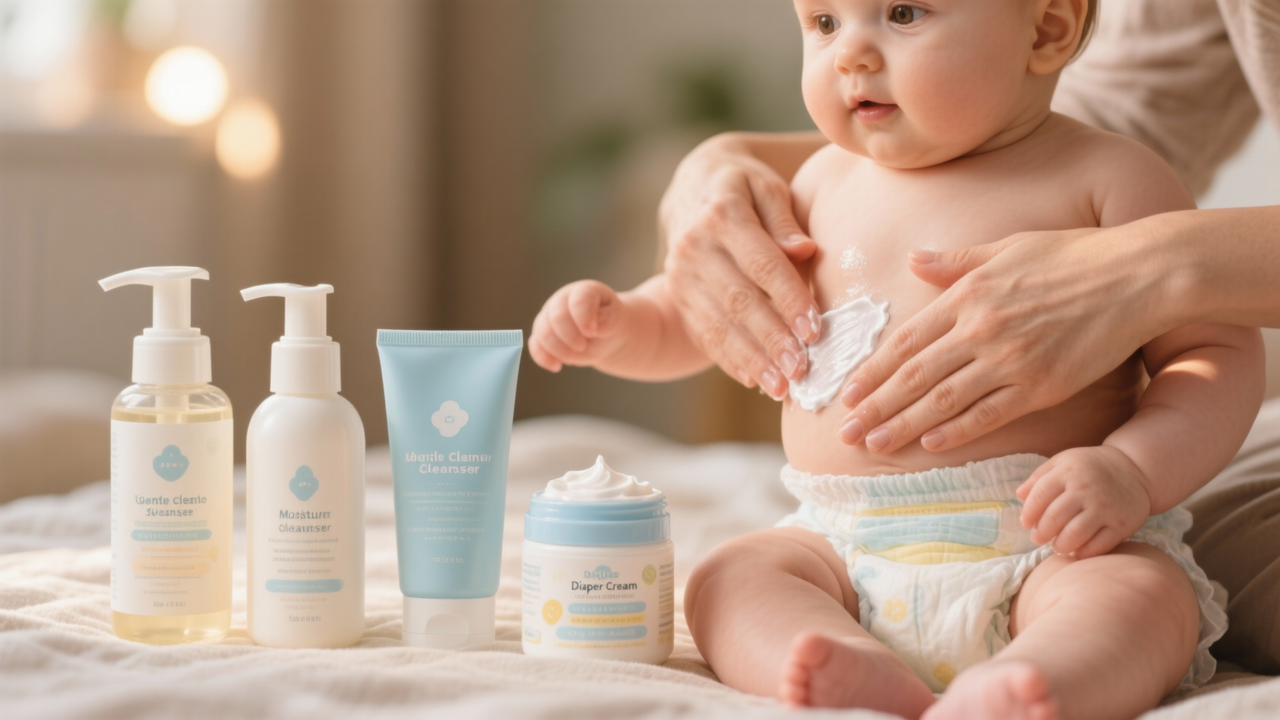
Baby Skincare Layering: The Right Order to Apply Products
Medically reviewed by Dr. Ahmad Raza, MD (Pediatrics) — ChildBloom Medical Review Panel. Last updated: August 4, 2026.
Editorial & affiliate disclosure: our guidance is written and reviewed by clinicians. ChildBloom may earn a commission from qualifying purchases made through links on this page, which never changes what our pediatric reviewers recommend.
Looking for clear answers about baby skincare layering? This pediatrician-reviewed guide covers what matters, what to skip, the safety checks that count, and exactly when to involve your doctor — based on current AAP, CDC and CPSC guidance on baby skincare layering.
Baby skincare layering: start with less
The order matters less than avoiding unnecessary products and watching how your baby’s skin responds. Separate routine moisturization from treatment claims, and ask a clinician before layering medicated products or treating a suspected rash.
Quick pediatrician summary: baby skincare layering
Short answer: A pediatrician explains baby skincare layering: gentle routines, ingredients to avoid, product picks and the skin signs that need a doctor.
Caring for a baby’s delicate skin is one of the most important responsibilities a parent or caregiver faces. Unlike adult skin, which has had years to build resilience and adapt to environmental stressors, infant skin is remarkably thin, highly permeable, and still developing its protective mechanisms. This makes the way you apply skincare products — not just which products you choose — a critical factor in keeping your baby comfortable, healthy, and protected.
Layering skincare products in the correct order is not merely a matter of convenience. The sequence in which products are applied determines how effectively each one can perform its intended function. Applying a heavy occlusive cream before a lightweight hydrating lotion, for instance, will block the lighter product from reaching the skin entirely. Understanding the science behind baby skin and the principles of product layering empowers parents to make informed decisions that support their child’s skin health from the very first days of life.
This guide covers everything you need to know about baby skincare layering, from the anatomy of infant skin to the specific order in which products should be applied, seasonal adjustments, common skin conditions, and expert-backed recommendations.
Understanding Baby Skin: Why It Demands a Different Approach
The Structure of Infant Skin
A baby’s skin is structurally different from adult skin in several key ways that directly influence how skincare products should be selected and applied.
The outermost layer of skin, known as the stratum corneum, is approximately 20 to 30 percent thinner in infants compared to adults. This thinner barrier means that topical products penetrate more deeply and more quickly, which has two important implications. First, beneficial ingredients can be absorbed efficiently. Second, potentially irritating substances can also penetrate more readily, making ingredient selection paramount.
The ratio of surface area to body weight in infants is significantly higher than in adults. A baby has proportionally more skin surface exposed relative to their total body mass, which increases the overall systemic absorption of anything applied topically. This is one of the primary reasons that pediatric dermatologists emphasize using minimal ingredients and avoiding products with unnecessary additives.
The Development of the Acid Mantle
One of the most critical differences between baby and adult skin is the state of the acid mantle. The acid mantle is a thin, slightly acidic film on the surface of the skin that serves as a first line of defense against bacteria, pathogens, and environmental damage. In adults, the skin’s pH typically ranges between 4.5 and 5.5. At birth, a baby’s skin pH is closer to neutral, around 6.5 to 7.0, and it takes several weeks to months for the acid mantle to fully mature.
During this maturation period, the skin is more vulnerable to colonization by harmful bacteria, more prone to irritation, and less effective at retaining moisture. Products applied during this window should support the natural acidification process rather than disrupt it. This means choosing products with a pH that is compatible with developing skin and avoiding alkaline cleansers that can strip the skin of its natural protective acids.
Transepidermal Water Loss
Babies experience significantly higher rates of transepidermal water loss (TEWL) than adults. TEWL refers to the passive evaporation of water from the deeper layers of skin through the epidermis and into the surrounding air. Because an infant’s stratum corneum is thinner and less organized, water escapes more readily. This is why babies can develop dry, flaky skin so quickly, particularly in low-humidity environments or during colder months when indoor heating further reduces ambient moisture.
Understanding TEWL is essential for product layering because it explains why moisturizers and barrier products are not optional extras but fundamental necessities in any baby skincare routine. The goal of layering is to first hydrate the skin and then seal that hydration in with an appropriate barrier.
Types of Baby Skincare Products and Their Functions
Before discussing the correct order of application, it is important to understand the different categories of baby skincare products and the role each one plays.
Cleansers
Baby cleansers are formulated to remove dirt, milk residue, saliva, and environmental contaminants without stripping the skin of its natural lipids. Unlike many adult cleansers, baby cleansers should be free of sulfates, strong surfactants, and fragrances. They fall into two main categories: rinse-off cleansers used during bath time and leave-on micellar or water-based solutions used for quick cleanups between baths.
The function of a cleanser is purely preparatory. It creates a clean canvas so that subsequent products can be absorbed effectively. A cleanser that leaves residue or disrupts the skin’s pH will undermine every product applied after it.
Moisturizers and Emollients
Baby moisturizers come in three primary formulations, each with distinct properties. Lotions are the lightest, with a high water content and a small proportion of oils. They absorb quickly and are suitable for normal skin in warm weather or for babies who tend to overheat. Creams are thicker, containing a more balanced ratio of water to oil, and provide moderate hydration that lasts several hours. Ointments are the heaviest, consisting primarily of oils and waxes with very little water. They create a strong occlusive barrier and are ideal for very dry patches or eczema-prone areas.
The choice among lotions, creams, and ointments depends on the baby’s skin condition, the climate, and the specific area of the body being treated. Regardless of the formulation, the purpose of a moisturizer is to deliver hydration and emollient lipids that smooth and soften the skin.
Barrier Creams and Ointments
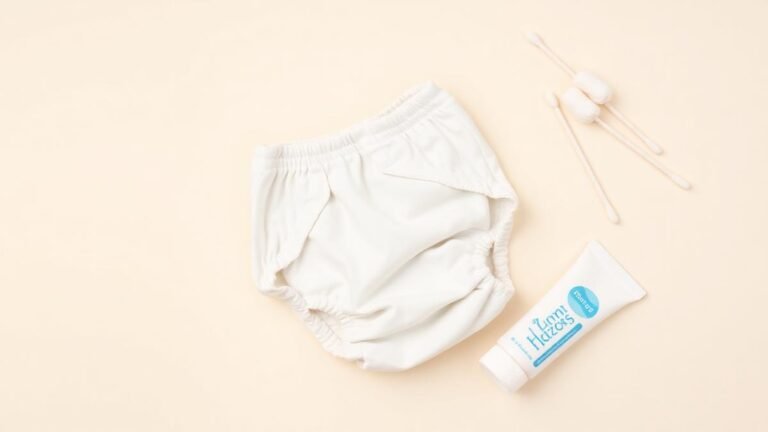
Barrier creams and ointments serve a different purpose than moisturizers. While moisturizers add hydration and lipids to the skin, barrier products sit on top of the skin to protect it from external irritants. The most common use is in the diaper area, where barrier creams protect against the combination of moisture, urine, feces, and friction that leads to diaper rash.
Typical barrier ingredients include zinc oxide, petroleum jelly, dimethicone, and lanolin. Zinc oxide is particularly valued because it provides both a physical barrier and mild anti-inflammatory properties. The thickness of the barrier product determines how effectively it shields the skin. For preventive use, a thin layer is sufficient. For active diaper rash, a thick, paste-like application is recommended.
Sunscreens
Sunscreen is an essential part of baby skincare for infants older than six months. For babies under six months, the American Academy of Pediatrics recommends keeping infants out of direct sunlight and using protective clothing and shade rather than sunscreen, due to the increased skin permeability at that age.
Baby sunscreens should be mineral-based, using zinc oxide and/or titanium dioxide as the active ingredients. These physical blockers sit on the surface of the skin and reflect UV radiation, unlike chemical sunscreens which absorb UV rays and convert them to heat. Mineral sunscreens are preferred for babies because they are less likely to cause irritation or allergic reactions and begin working immediately upon application.
Diaper Rash Creams
Diaper rash creams are specialized treatments that combine barrier protection with soothing and healing ingredients. They often contain zinc oxide at higher concentrations than general-purpose barrier creams, along with calming botanicals such as calendula or chamomile. Some formulations also include mild antifungal agents if yeast is a contributing factor. Diaper rash creams should be applied to clean, dry skin and allowed to form a protective layer before the diaper is fastened.
Eczema Treatments
Babies with eczema, or atopic dermatitis, require a more targeted approach. Eczema treatments may include prescription topical corticosteroids or calcineurin inhibitors for active flare-ups, as well as intensive moisturizers for maintenance. The layering of eczema treatments follows specific medical guidance, and parents should always follow the protocol prescribed by their pediatric dermatologist.
The Correct Order of Application: A Step-by-Step Guide
The general principle governing skincare layering is straightforward: apply products from thinnest to thickest consistency, and from most treatment-oriented to most protective. Water-based products should be applied first so they can penetrate the skin, followed by progressively heavier products that seal in the benefits of what came before.
Step 1: Cleanse
Every skincare routine begins with cleansing. Use a gentle, pH-balanced baby cleanser to wash the baby’s skin. For bath time, a mild rinse-off cleanser is appropriate. For spot cleaning between baths, a soft cloth dampened with warm water or a gentle micellar water designed for infants will suffice. The key is to remove impurities without over-cleansing, which can strip natural oils and worsen dryness.
After cleansing, pat the skin gently with a soft towel. Do not rub. The skin should be left slightly damp, as this helps the next product absorb more effectively.
Step 2: Apply Treatment Products
If your baby is using any medicated or treatment products — such as a topical steroid for eczema, an antifungal cream for a yeast-related rash, or a prescription ointment — these should be applied first to clean skin. Treatment products need direct contact with the skin to work effectively, and any barrier or moisturizer applied before them would reduce their absorption.
Apply a thin layer of the treatment product only to the affected areas. Allow it to absorb for approximately one to two minutes before proceeding to the next step.
Step 3: Apply a Humectant or Lightweight Hydrator
If you are using a product that contains humectant ingredients such as glycerin or hyaluronic acid, this is the time to apply it. Humectants draw water into the skin, and applying them to damp skin right after cleansing maximizes their effectiveness. In many baby moisturizers, humectants are already included in the formulation, in which case a separate step may not be necessary.
Step 4: Apply Moisturizer
The moisturizer is the core of the baby skincare routine. Choose a formulation appropriate for your baby’s skin type and the current conditions. For normal skin, a cream is usually ideal. For very dry skin, an ointment-based moisturizer provides deeper hydration. For warm weather or areas prone to overheating, a light lotion may be preferable.
Apply the moisturizer using gentle, downward strokes, following the direction of hair follicles to minimize irritation. Cover the entire body or the areas that need hydration. Pay special attention to the folds of the skin — behind the ears, under the arms, at the wrists and ankles, and in the neck folds — where moisture can accumulate and cause irritation.
Step 5: Apply Barrier Cream or Sunscreen
The final step in the layering process is the application of a protective barrier. In the diaper area, this means a barrier cream or ointment applied generously to create a shield against moisture and friction. For outdoor activities, this means a mineral sunscreen applied to all exposed areas.
It is important to note that sunscreen should always be the last product applied to areas exposed to sunlight. If you apply a barrier cream over sunscreen, you will reduce the sunscreen’s effectiveness. Similarly, if you need to apply both a diaper barrier cream and a moisturizer to adjacent areas, take care not to mix them at the boundary.
Timing Between Layers
The timing between product applications is not merely a suggestion; it directly affects how well each product performs.
After cleansing, wait approximately 30 to 60 seconds before applying the next product. The skin should be damp but not dripping wet. Excess water on the surface can dilute products and prevent them from adhering properly to the skin.
After applying a treatment product, wait one to two minutes to allow it to absorb into the skin. This is especially important for medicated creams and ointments that need to penetrate the skin to reach the affected tissue.
After applying moisturizer, wait two to three minutes before applying a barrier cream or sunscreen. This gives the moisturizer time to absorb and begin hydrating the skin. If you apply a barrier product immediately over moisturizer, the barrier may prevent the moisturizer from fully absorbing.
For sunscreen specifically, the American Academy of Dermatology recommends applying it 15 minutes before sun exposure. This allows the sunscreen to bind properly to the skin and form an even protective film.
Ingredients to Avoid in Baby Skincare Products
The permeability of baby skin makes it especially important to avoid certain ingredients that are commonly found in adult skincare products or even in some products marketed for babies.
Fragrances and Parfum
Both synthetic fragrances and natural essential oils can cause irritation and allergic contact dermatitis in babies. The term “fragrance” on an ingredient list can represent dozens of individual chemical compounds, none of which need to be disclosed. Products labeled “fragrance-free” are preferable to those labeled “unscented,” as unscented products may still contain masking fragrances.
Parabens
Parabens, including methylparaben, ethylparaben, propylparaben, and butylparaben, are preservatives used to prevent microbial growth in cosmetic products. While the evidence of harm at low concentrations is debated, many pediatric dermatologists recommend avoiding parabens in baby products as a precautionary measure, given the increased absorption through infant skin.
Sulfates
Sodium lauryl sulfate (SLS) and sodium laureth sulfate (SLES) are foaming agents found in many cleansers and body washes. They are effective at removing dirt and oil but can be excessively stripping, particularly for baby skin that already has a fragile lipid barrier. Sulfate-free cleansers are widely available and are the better choice for infants.
Phthalates
Phthalates are plasticizing chemicals that have been linked to endocrine disruption. They are sometimes found in fragranced products and in certain types of packaging. Look for products that are explicitly labeled phthalate-free.
Formaldehyde Releasers
Some preservatives, including quaternium-15, DMDM hydantoin, imidazolidinyl urea, and diazolidinyl urea, slowly release small amounts of formaldehyde over time. These are unnecessary in baby products and should be avoided.
Alcohol
Denatured alcohol, isopropyl alcohol, and SD alcohol can be extremely drying and irritating to baby skin. While fatty alcohols such as cetyl alcohol and stearyl alcohol are actually beneficial emollients, the drying alcohols should be avoided entirely.
Seasonal Adjustments to Baby Skincare Layering
The products you use and the way you layer them should change with the seasons to address the different challenges each climate presents.
Winter and Cold Weather
Cold air holds less moisture than warm air, and indoor heating systems further reduce humidity levels. In winter, babies are prone to dry, chapped skin, particularly on the face, hands, and any area exposed to cold wind.
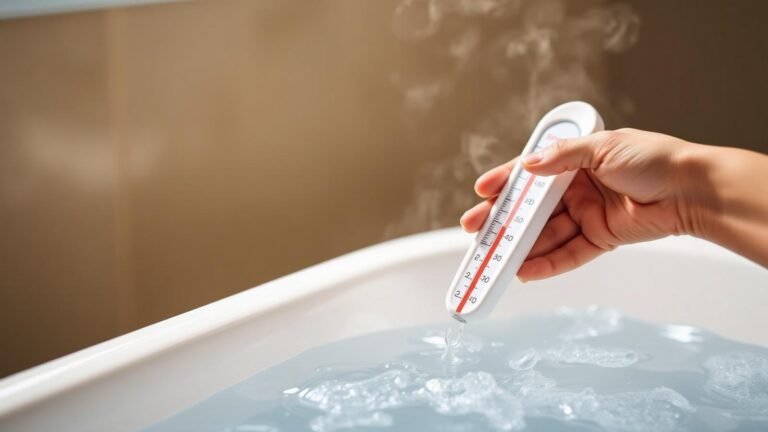
During the winter months, switch from lotions to creams or ointments for moisturizing. Apply a thick barrier ointment to the face before going outdoors in cold or windy weather. Consider using a humidifier in the baby’s room to maintain indoor humidity between 40 and 60 percent. Bath time should be brief, using lukewarm water rather than hot water, and moisturizer should be applied immediately after the bath while the skin is still damp.
Summer and Hot Weather
In summer, the priorities shift toward sun protection and preventing overheating. Lightweight lotions are generally sufficient for moisturizing, and heavy ointments may cause discomfort by trapping heat. Sunscreen becomes a daily necessity for babies over six months.
During the summer, apply a light moisturizer after bathing, followed by mineral sunscreen before going outside. Reapply sunscreen every two hours, or more frequently if the baby has been in water or is sweating. In the diaper area, a lighter barrier cream may be preferable to a thick ointment, as excessive occlusion in hot weather can contribute to heat rash.
Transitional Seasons
In spring and fall, when temperatures and humidity levels fluctuate, you may need to adjust your baby’s routine more frequently. Keep both a lightweight lotion and a richer cream on hand and choose based on the day’s conditions. Watch for signs of dryness or irritation and adjust accordingly.
Common Skin Conditions and How Layering Helps
Diaper Rash
Diaper rash is one of the most common skin conditions in infants. It occurs when the skin in the diaper area is exposed to prolonged moisture, friction, and the irritants in urine and feces. The correct layering approach for diaper rash involves thorough but gentle cleansing, allowing the skin to air-dry completely, applying a treatment cream if needed, and then sealing the area with a thick layer of barrier cream containing zinc oxide.
For mild diaper rash, the combination of a clean, dry surface and a generous barrier application is often sufficient to resolve the issue within a few days. For more severe cases, a pediatrician may recommend a mild topical steroid applied before the barrier cream.
Eczema
Eczema in babies typically appears as dry, red, itchy patches on the cheeks, scalp, arms, and legs. Managing eczema requires a consistent layering routine focused on intensive hydration and barrier repair.
The recommended approach is to bathe the baby in lukewarm water for no more than five to ten minutes, pat the skin damp-dry, apply any prescribed topical medication to the affected areas, wait for absorption, and then apply a thick, fragrance-free moisturizer or ointment over the entire body. This “soak and seal” method, endorsed by the National Eczema Association, helps trap moisture in the skin and supports the healing of the compromised skin barrier.
Cradle Cap
Cradle cap, or infantile seborrheic dermatitis, appears as yellowish, greasy scales on the scalp. It is not caused by poor hygiene and is not contagious. To manage cradle cap, apply a small amount of baby oil or mineral oil to the scalp before bath time to soften the scales. After a few minutes, gently brush the scalp with a soft-bristled brush to lift the loosened scales, then wash with a gentle baby shampoo. Follow with a light moisturizer if the scalp appears dry.
Heat Rash
Heat rash, or miliaria, occurs when sweat ducts become blocked, trapping perspiration under the skin. It appears as tiny red bumps, often in areas where clothing fits tightly or where skin folds create friction. The best approach to heat rash is to keep the baby cool and dry. Avoid heavy ointments and thick creams, which can further block the sweat ducts. A light, fragrance-free lotion applied after a cool bath is sufficient. Dress the baby in loose, breathable clothing made from natural fibers.
Morning vs. Evening Routines
The baby skincare routine should be adapted to the time of day, as the needs of the skin differ between morning and evening.
Morning Routine
The morning routine focuses on preparation and protection. Begin with a gentle cleanse, either with a damp cloth or a quick rinse if the baby’s skin is not particularly dirty. Apply a light moisturizer to hydrate the skin for the day ahead. If the baby will be going outside, apply mineral sunscreen to all exposed areas as the final step. In the diaper area, apply a fresh layer of barrier cream.
The morning routine should be relatively quick and lightweight. The goal is to protect the skin from the day’s environmental challenges without applying products that are so heavy they cause discomfort or overheating.
Evening Routine
The evening routine is the most important skincare opportunity of the day. During sleep, the skin undergoes natural repair and regeneration processes, and a well-structured evening routine supports this process.
Begin with a full bath using a gentle cleanser. The bath should be brief and the water lukewarm. After the bath, pat the skin damp-dry and follow the complete layering sequence: treatment products first, then moisturizer, and finally any barrier creams needed for the diaper area.
The evening routine is the best time to use richer, more emollient products because the baby will be sleeping and the products will have extended time to work without being rubbed off or exposed to environmental factors. For babies with eczema or dry skin, the evening application of a thick ointment-based moisturizer can make a significant difference in the skin’s condition by morning.
Dermatologist Recommendations and Expert Guidance
Pediatric dermatologists consistently emphasize several key principles when advising parents on baby skincare layering.
Less Is More
The most frequently repeated advice from dermatologists is to minimize the number of products used on baby skin. Every additional product introduces additional ingredients, each of which carries a small risk of irritation. A simple routine of a gentle cleanser, a reliable moisturizer, and a barrier cream for the diaper area is often all that is needed for a baby with normal skin.
Patch Testing
Whenever you introduce a new product, dermatologists recommend performing a patch test. Apply a small amount of the product to a limited area of skin, such as the inner forearm, and wait 24 to 48 hours to observe any reaction. If redness, swelling, or irritation develops, discontinue use. This is especially important for babies with a family history of eczema, allergies, or sensitive skin.
Consistency Over Complexity
Dermatologists stress that a consistent, simple routine is far more effective than an elaborate regimen applied irregularly. Applying moisturizer twice daily, every day, is more beneficial than applying a complex series of products only occasionally. Consistency supports the skin barrier’s development and helps prevent the cycle of dryness and irritation that can become difficult to manage once established.
When to Seek Professional Help
Parents should consult a pediatrician or pediatric dermatologist if the baby develops persistent redness, rash, blistering, oozing, or any skin condition that does not improve with basic skincare within a few days. Early intervention can prevent minor issues from becoming more serious and ensures that any underlying conditions are properly diagnosed and treated.
Practical Tips for Successful Product Layering
Beyond the specific steps and product categories, several practical considerations can help parents achieve the best results from their baby’s skincare routine.
Warm products in your hands. Before applying moisturizer or cream, rub a small amount between your palms to warm it. Cold products applied to baby skin can startle the baby and make the experience unpleasant. Warmed products spread more easily and absorb more comfortably.
Use gentle, confident strokes. Apply products with smooth, gentle strokes. Do not massage vigorously, as baby skin is delicate and easily irritated. A light, even application is sufficient.
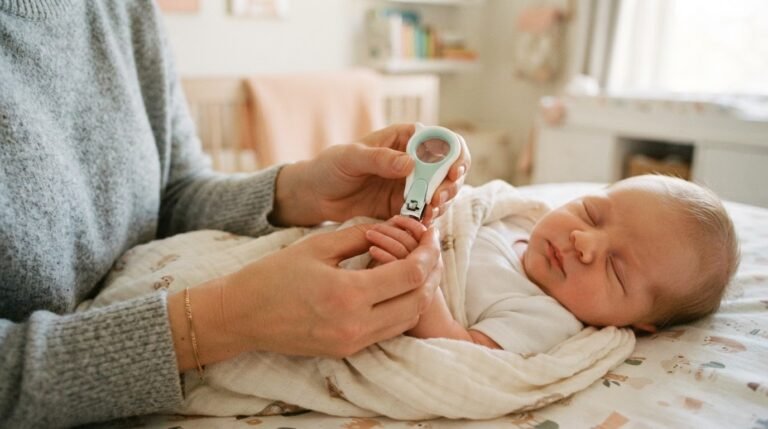
Keep nails short and hands clean. Always wash your hands before applying skincare products to your baby. Keep your nails short to avoid accidentally scratching the baby’s skin during application.
Store products properly. Keep baby skincare products in a cool, dry place away from direct sunlight. Products stored in the bathroom are exposed to heat and humidity from showers, which can degrade certain ingredients over time.
Read labels carefully. Do not assume that a product marketed for babies is automatically safe or appropriate. Check the ingredient list for the substances discussed earlier in this article. Look for products that are fragrance-free, dye-free, and formulated for sensitive skin.
Introduce one product at a time. When building or adjusting a skincare routine, introduce only one new product every few days. This makes it easier to identify any product that causes a reaction and prevents confusion about which ingredient is responsible.
Adjust for the individual baby. Every baby’s skin is different. Some babies have naturally oily skin and need very little moisturizer. Others have dry skin that requires frequent, heavy application. Observe your baby’s skin and adjust the routine based on what you see, rather than following a rigid protocol that may not suit your child’s specific needs.
Building a Product Kit: What You Actually Need
For parents who feel overwhelmed by the sheer number of products on the market, here is a simplified list of what constitutes a complete baby skincare layering kit.
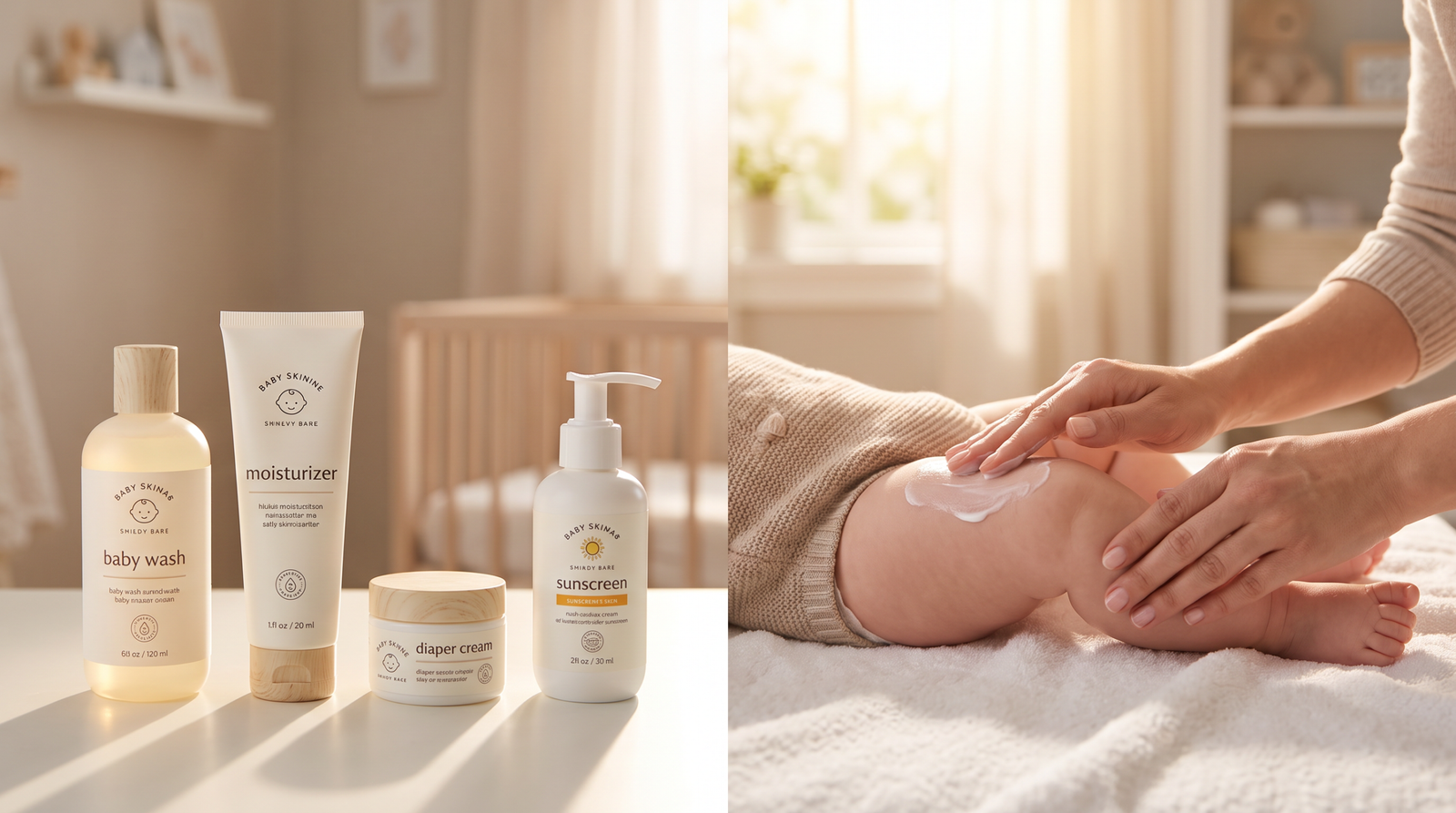
For a baby with normal skin, you need four products: a gentle, fragrance-free cleanser; a fragrance-free moisturizing cream suitable for daily use; a barrier cream with zinc oxide for the diaper area; and a mineral sunscreen for babies over six months.
For a baby with eczema or very dry skin, add an ointment-based moisturizer for intensive hydration and any treatment products prescribed by your pediatrician.
For a baby who spends significant time outdoors, ensure you have an adequate supply of mineral sunscreen and a protective barrier ointment for the face and exposed skin.
This minimal kit covers all the bases. Additional products such as specialized oils, botanical balms, and scented lotions are optional and should be introduced only if there is a clear need and after consulting with a healthcare provider.
Conclusion
Baby skincare layering is a practice grounded in the science of infant skin anatomy and the principles of how topical products interact with the skin’s surface. By understanding the unique characteristics of baby skin — its thinness, its developing acid mantle, its susceptibility to water loss — parents can make informed choices about which products to use and in what order.
The fundamental sequence is simple: cleanse, treat, hydrate, and protect. Each step builds on the previous one, creating a comprehensive approach that supports the skin’s natural development while addressing specific needs as they arise. Seasonal adjustments, attention to ingredient safety, and consistency in application are the factors that transform a basic routine into an effective, long-term skincare strategy.
Perhaps most importantly, parents should remember that baby skincare does not need to be complicated. A small number of well-chosen products, applied in the correct order with consistency and care, will serve a baby’s skin far better than an elaborate regimen of unnecessary products. When in doubt, consult a pediatrician or pediatric dermatologist for guidance tailored to your child’s individual needs. The goal is not perfection but protection, comfort, and the promotion of healthy skin that will serve your child well throughout their life.
Frequently asked questions about baby skincare layering
How often should I bathe my baby for baby skincare layering?
Two to three short baths a week is enough for most babies, with daily cleaning of the face, neck folds and diaper area. Over-bathing strips the skin barrier and often makes dryness and irritation worse.
Which ingredients should I avoid with baby skincare layering?
Avoid added fragrance, essential oils, dyes, drying alcohols and harsh foaming agents. Choose short fragrance-free ingredient lists and apply a bland ointment or cream to damp skin within three minutes of bathing.
When is baby skincare layering a reason to see a doctor?
See your pediatrician if the skin is cracked, weeping, crusted, spreading, painful or infected-looking, if your baby is not sleeping because of itch, or if the rash comes with fever or poor feeding.
Common mistakes parents make with baby skincare layering
- Assuming a higher price means a safer or better-performing option — certification and correct fit matter far more.
- Skipping the instruction manual, weight limits and product registration, which is how recall notices reach you.
- Changing several things at once, so you cannot tell what actually helped your baby.
- Relying on advice from social media instead of your pediatrician when something feels off.
Related pediatrician-reviewed reading
- The Pediatrician’s Guide to Baby Bathing
- Best Baby Bath Tub
- Baby Sunscreen When to Apply
- Baby Bath Temperature
- baby bath & skincare hub
References & further reading
Medical disclaimer: this article is for general education and does not replace individual medical advice. Always follow your own pediatrician’s guidance for your child.


One Comment