
Choosing Baby Products: An Evidence-Based Approach
The baby product market is a multi-billion dollar industry that markets directly to exhausted, anxious new parents with the promise that the right product will solve their baby’s sleep problems, feeding challenges, or developmental concerns. The reality is that most baby products are unnecessary, and the ones that matter most are those that address genuine safety or health needs. Understanding how to evaluate baby products through an evidence-based lens can save you money, reduce decision fatigue, and — most importantly — keep your baby safe.
The safety of baby products is regulated by the Consumer Product Safety Commission (CPSC), but the level of regulation varies dramatically by product category. Car seats, cribs, and pacifiers are subject to mandatory federal safety standards with rigorous testing requirements. Other products — including baby carriers, nursing pillows, diaper bags, and many toys — are subject only to voluntary standards, meaning that manufacturers choose whether to test their products. When evaluating any baby product, look for certification from the Juvenile Products Manufacturers Association (JPMA), which indicates that the manufacturer has voluntarily submitted the product for independent safety testing. Also check the CPSC website for recall information before purchasing any product, especially if you are buying secondhand.
The car seat is the single most important safety purchase you will make for your baby, and the evidence supports a clear hierarchy of priorities. The safest car seat is the one that fits your vehicle, fits your child, and will be installed and used correctly on every single ride. All car seats sold in the United States meet federal safety standards, which means that the most expensive car seat is not necessarily safer than a mid-range model. The critical features to look for are ease of installation (a seat that is difficult to install correctly is less likely to be installed correctly), the presence of a five-point harness, and a high rear-facing weight and height limit (the AAP recommends rear-facing until at least age 2, and ideally until the child reaches the maximum height or weight allowed by the seat). The extended rear-facing position is five times safer than forward-facing, and the evidence does not support the common concern that rear-facing causes leg injuries — leg injuries in forward-facing crashes are actually more common.
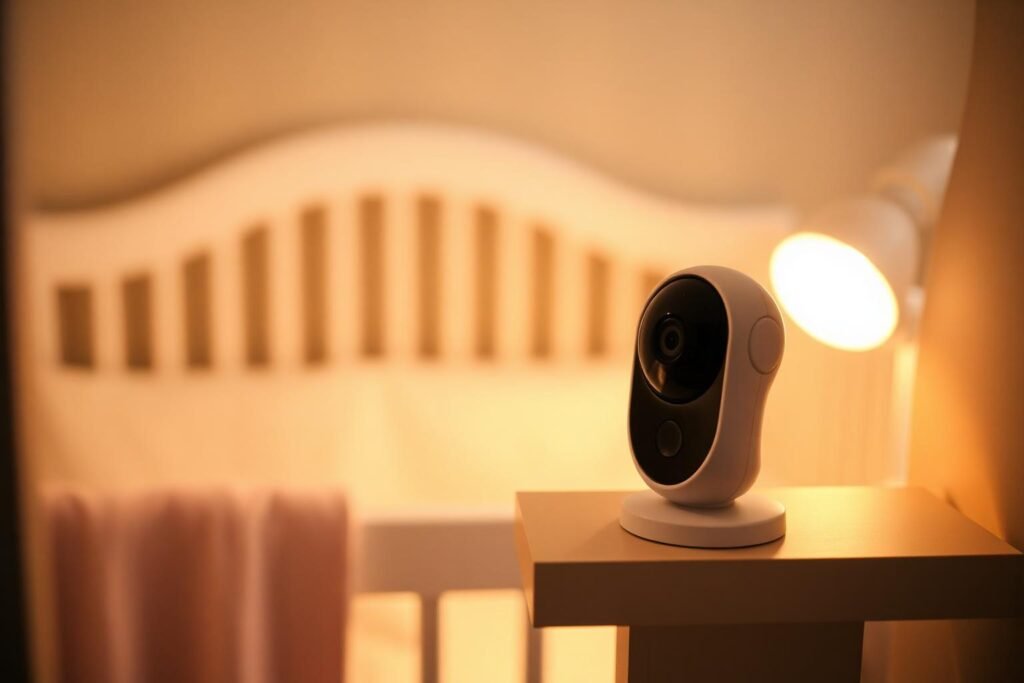
Baby monitors are a category where the evidence and the marketing are particularly divergent. For families who room-share — which the AAP recommends for at least the first 6 months — a monitor is largely redundant. For families where the baby sleeps in a separate room, a simple audio monitor is sufficient for safety. Video monitors can be helpful for checking on a sleeping baby without entering the room, but they can also become a source of parental hypervigilance and anxiety. Wearable monitors, pulse oximeters, and “smart” sleep trackers have not been shown to prevent SIDS and are not recommended by the FDA or the AAP for healthy infants. These devices can produce false alarms that cause unnecessary emergency department visits, and they can create a false sense of security that leads to unsafe sleep practices. The safest monitor is a nearby parent, not a technological device.
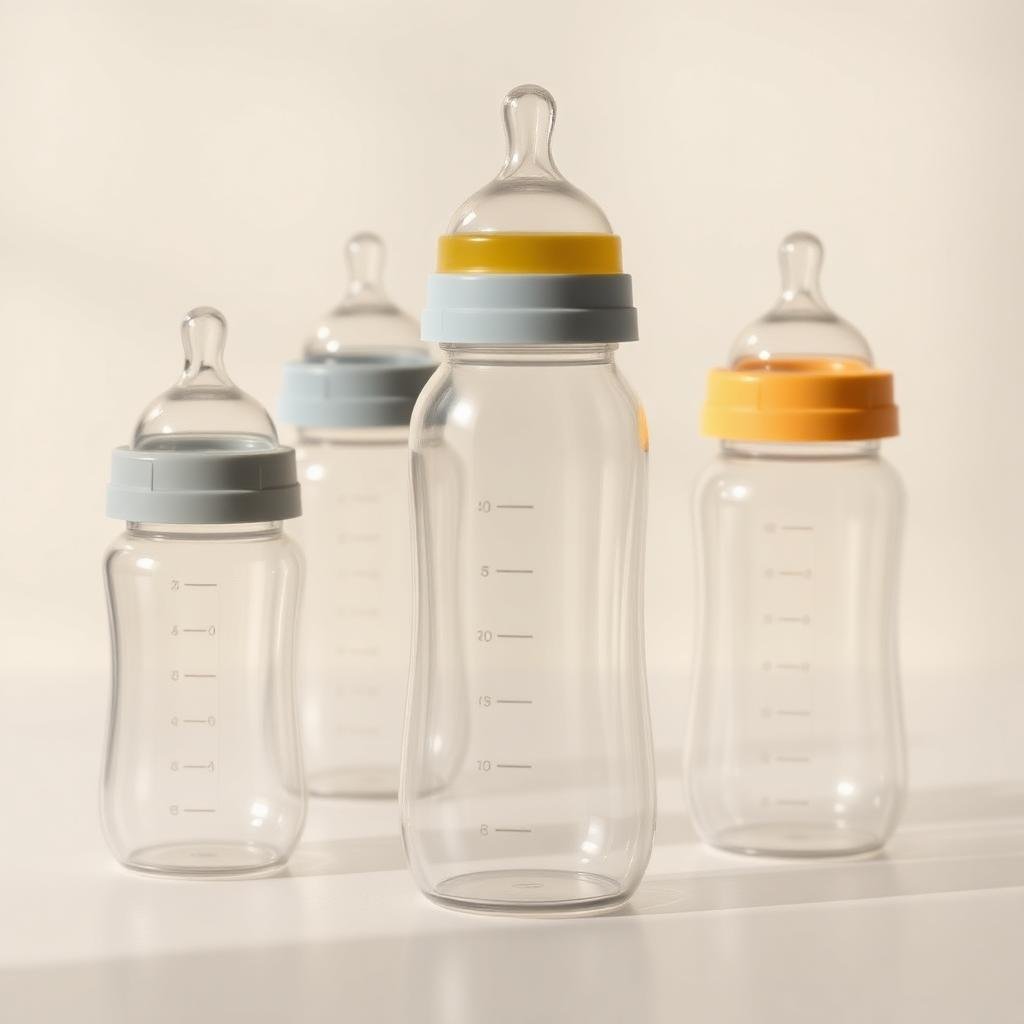
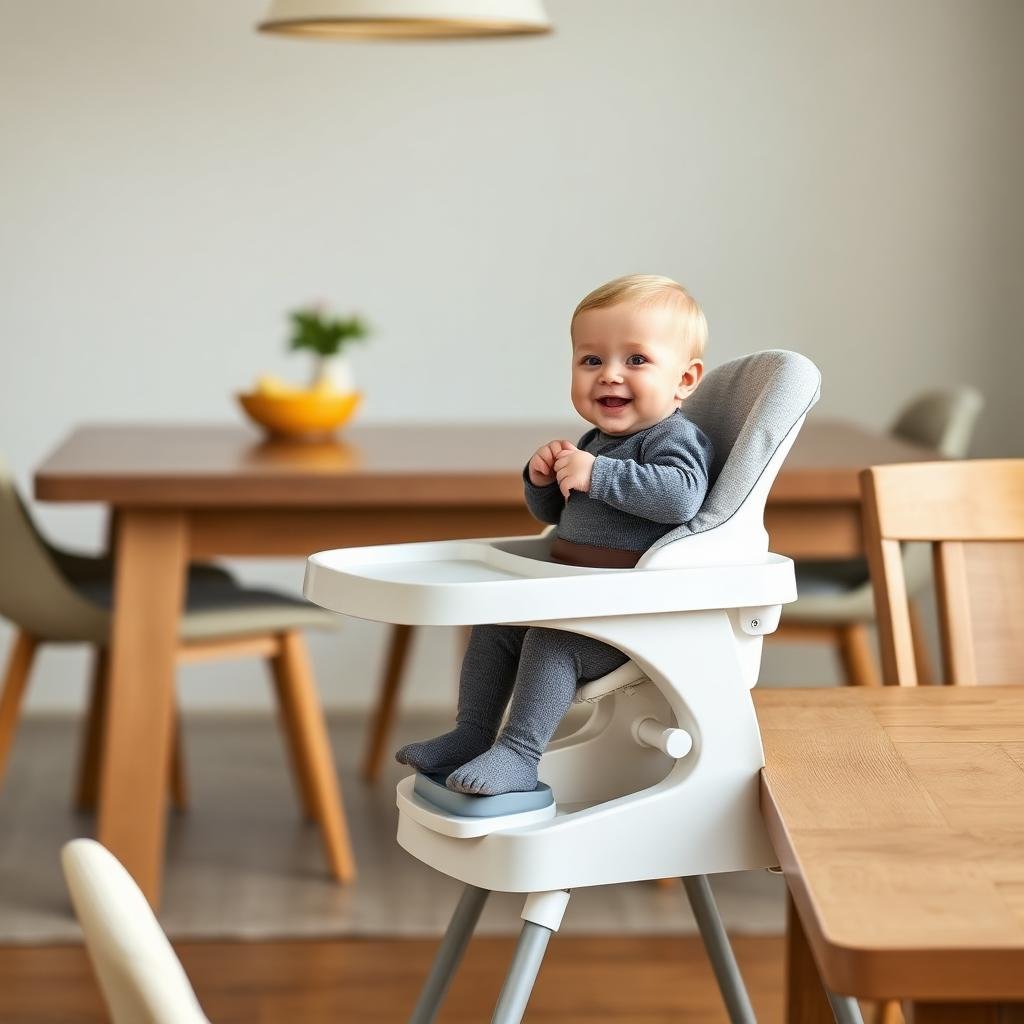
Feeding products — bottles, breast pumps, high chairs — are necessary but do not require the premium-priced options to be effective. The best bottle is the one your baby will accept, and it is common to need to try two or three different brands before finding one that works. The best breast pump is the one that fits your nipples correctly, is comfortable to use, and effectively removes milk — and the evidence suggests that manual pumps can be as effective as electric pumps for occasional use. The best high chair is one that is stable, easy to clean, and has a five-point harness (not just a lap belt, which does not prevent a child from sliding down and strangling). The features that add cost — fancy designs, multiple recline positions, built-in Bluetooth speakers — do not add safety or nutritional value.
Clinical Pearl: Navigating the World of Baby Toys
The baby toy market is saturated with products that claim to boost development, but the evidence tells a different story. The best toys for babies are simple, open-ended, and encourage exploration and creativity. A cardboard box, a set of wooden blocks, and a collection of household objects (clean, safe, and age-appropriate) are more developmentally valuable than most electronic toys that light up, sing songs, and claim to teach letters and numbers. The research on toy-based learning shows that the most important factor is not the toy itself, but the interaction it facilitates between the child and a caregiver. A simple toy that a parent and child explore together — talking about the colors, describing the textures, taking turns stacking and knocking down — is far more beneficial than a fancy electronic toy that the child interacts with alone. When choosing toys, prioritize those that encourage creativity, problem-solving, and social interaction over those that provide passive entertainment.
Baby Products: What Research Says About Safety and Value
The baby product industry is a $12 billion market that thrives on parental anxiety. The promise that the right product will make your baby smarter, sleep better, be safer, or develop faster is a powerful marketing message, but it is rarely supported by evidence. In my clinical practice, I have developed a framework for evaluating baby products that I share with every new parent, and it has saved countless families from unnecessary purchases and, in some cases, from products that are actually harmful.
The first principle is that the most important factor in your baby’s health and development is not a product — it is you. The thousands of dollars spent on educational toys, development-tracking monitors, and specialized sleep products would be better spent on parental leave, childcare, and mental health support. The evidence for this is overwhelming: the quality of the parent-child relationship is a stronger predictor of child outcomes than any product or intervention. This does not mean that products are irrelevant — it means that they should be evaluated in the context of whether they genuinely support the parent-child relationship, not whether they promise to replace it.
The second principle is that the most expensive product is not necessarily the safest or most effective. In the car seat market, for example, all seats sold in the United States must meet federal safety standards, and a $150 seat and a $500 seat provide equivalent crash protection if both are used correctly. The extra cost buys convenience features — easier installation, easier harness tightening, more padding — that can make correct use more likely, but they do not add safety beyond what the federal standard requires. The safest car seat is the one that will be installed correctly on every ride, and the features that make correct installation easier are worth paying for. The features that add style, comfort, or entertainment value are not.
The third principle is that the baby product market is not well-regulated. While car seats, cribs, and pacifiers are subject to mandatory federal safety standards, many other products are subject only to voluntary standards, meaning that manufacturers choose whether to test their products for safety. Products like baby carriers, nursing pillows, diaper bags, and many toys have no mandatory safety testing requirement. When evaluating any baby product, look for the Juvenile Products Manufacturers Association (JPMA) certification mark, which indicates that the manufacturer has voluntarily submitted the product for independent safety testing. Also check the Consumer Product Safety Commission (CPSC) website for recall information before purchasing any product, especially if you are buying secondhand or receiving hand-me-downs.
Related Articles
- Best Baby Strollers for Travel and Everyday Use in 2026
- Smart Baby Monitor Buying Guide: Best Types for 2026
- Best Baby Walker Alternatives for Safe Development
- Best Convertible Car Seats 2026: Top 9 Safety Picks
- Best Newborn Diapers 2026: Our Top 7 Picks & Reviews
- Best Baby Car Seats 2024: Safety Ratings & Pediatric Pi
Related: Breast Pump Buying Guide
Everyday Safety Checklist for Parents
Daily Safety Checks
Incorporate a quick safety scan into your daily routine. Check that crib hardware is tight and the mattress is at the correct height. Ensure all cleaning products and medications are in locked cabinets. Verify that window cords are tied up and out of reach. Test smoke and carbon monoxide detectors monthly. Check that the water heater is set to 120°F maximum. These quick checks take 2 minutes and prevent common household injuries.
Car Seat Safety on Every Trip
Before every car ride, do a quick harness check: the chest clip should be at armpit level, the harness should be snug (you cannot pinch any webbing at the shoulder), and the car seat should not move more than 1 inch at the belt path. Avoid bulky clothing under the harness. Never leave a child alone in a car, even for a minute. Rear-face as long as your car seat allows — the AAP recommends until at least age 2 or the maximum height/weight of the seat.
If you have specific concerns about your child’s health, development, or behavior that are not addressed in this article, please bring them to your next pediatrician visit. Every child is unique, and personalized medical advice — based on your child’s individual history, examination findings, and family context — is always more valuable than generalized guidance. Your pediatrician is your partner in navigating the complex and rewarding journey of raising a healthy, happy child.
If you are considering a video monitor, look for models that use encrypted transmission to prevent unauthorized access, have good night vision quality, and offer a wide temperature range. The most important feature, however, is battery life — a monitor that dies in the middle of the night is not helpful. Many parents find that a simple audio-only monitor is sufficient once they have learned to trust their baby’s ability to sleep safely and to signal when they actually need attention.
Pingback: Smart Baby Monitor Buying Guide: Best Types | ChildBloom