Play gear that supports real motor development
Activity centres, tummy-time mats, balance bikes and developmental toys — judged on whether they help a milestone or simply contain a child.
Gear that earns its floor space
What supports crawling, standing and walking — and what quietly delays it.
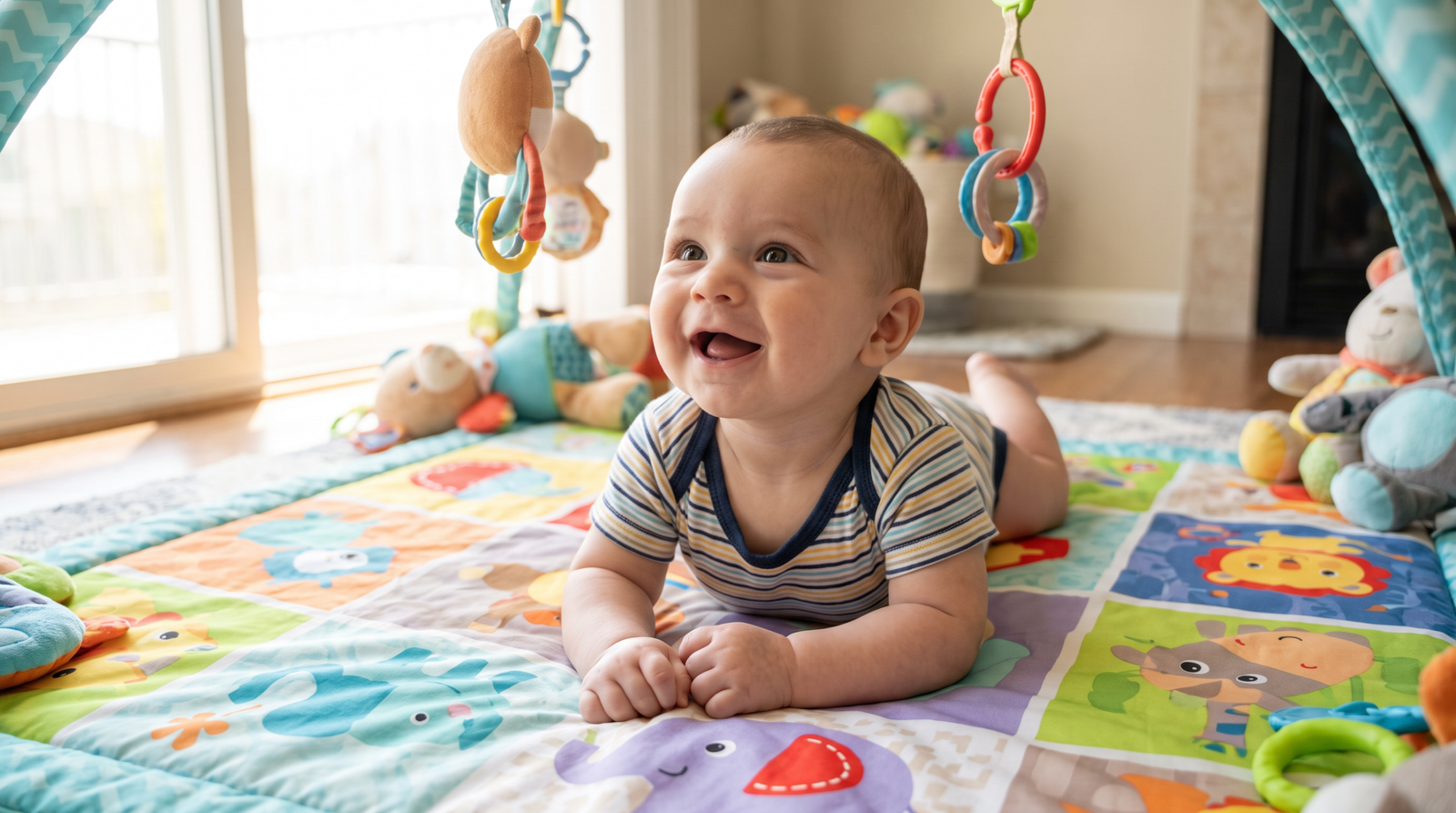
Baby Tummy Time Benefits: When to Start and How Long Each Day
Introduction Tummy time is one of the simplest and most important activities you can do for your baby’s development — y…
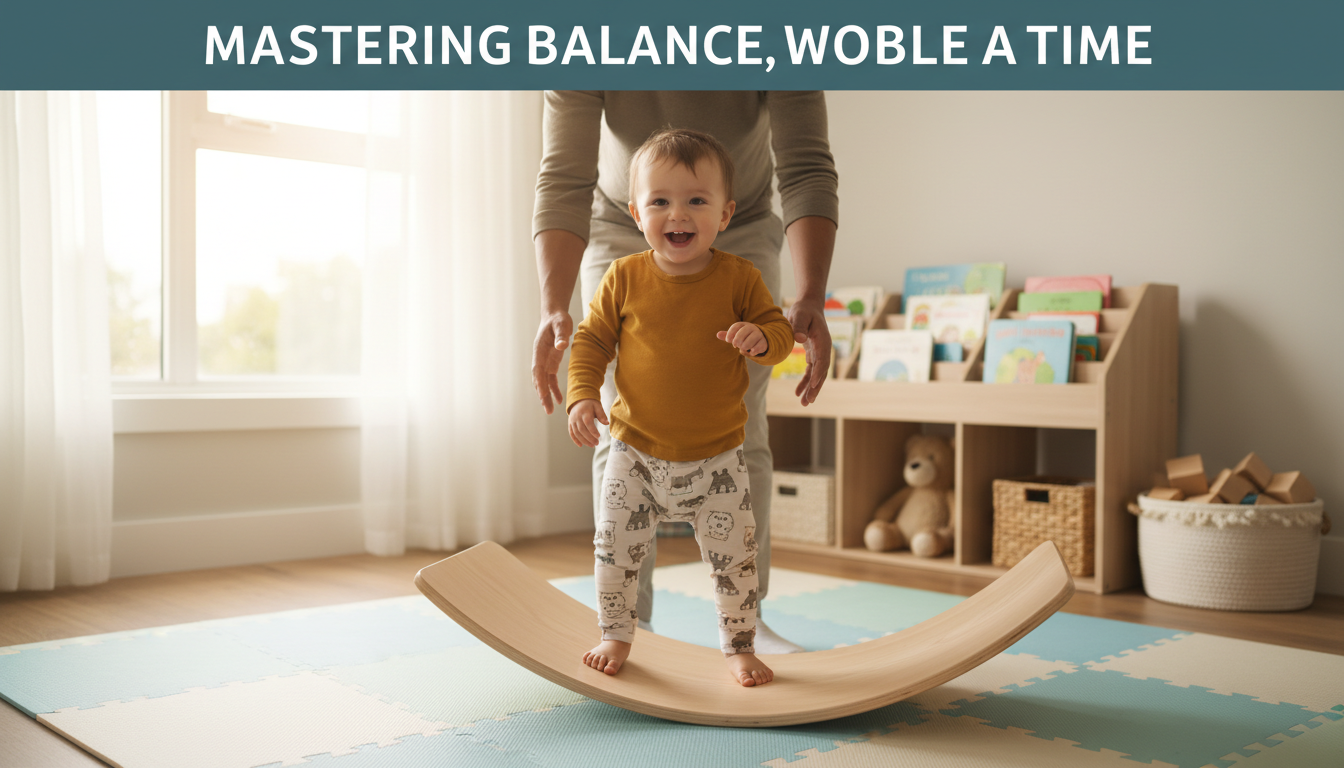
Complete Toddler Balance Board Guide: Benefits, Types, and Buying Tips
A complete guide to toddler balance boards: learn about developmental benefits, age readiness signs, types of boards, a…
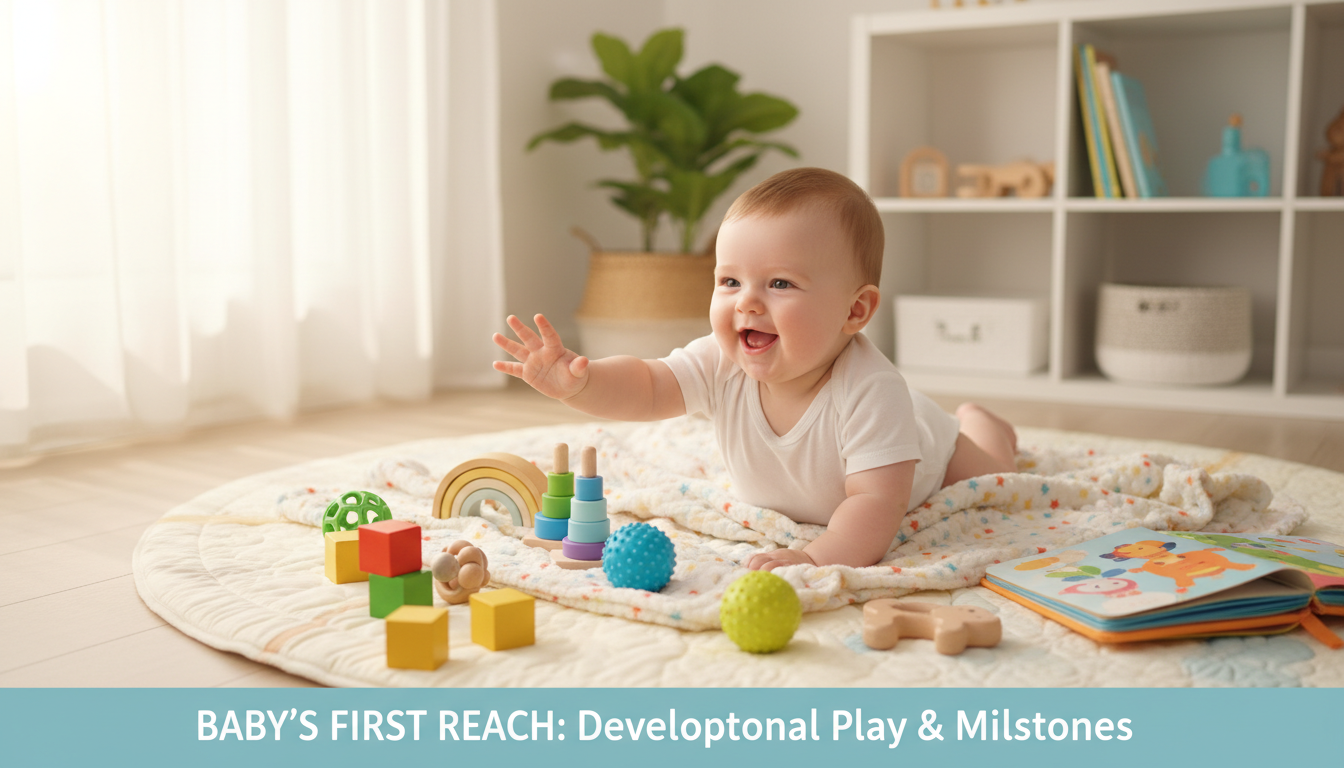
Baby Development & Play Guide: Milestones, Motor Skills, and the Best Toys fo…
As an Amazon Associate, we earn from qualifying purchases. Home › Baby Development & Play Guide Bestseller #1 Fisher-Pr…
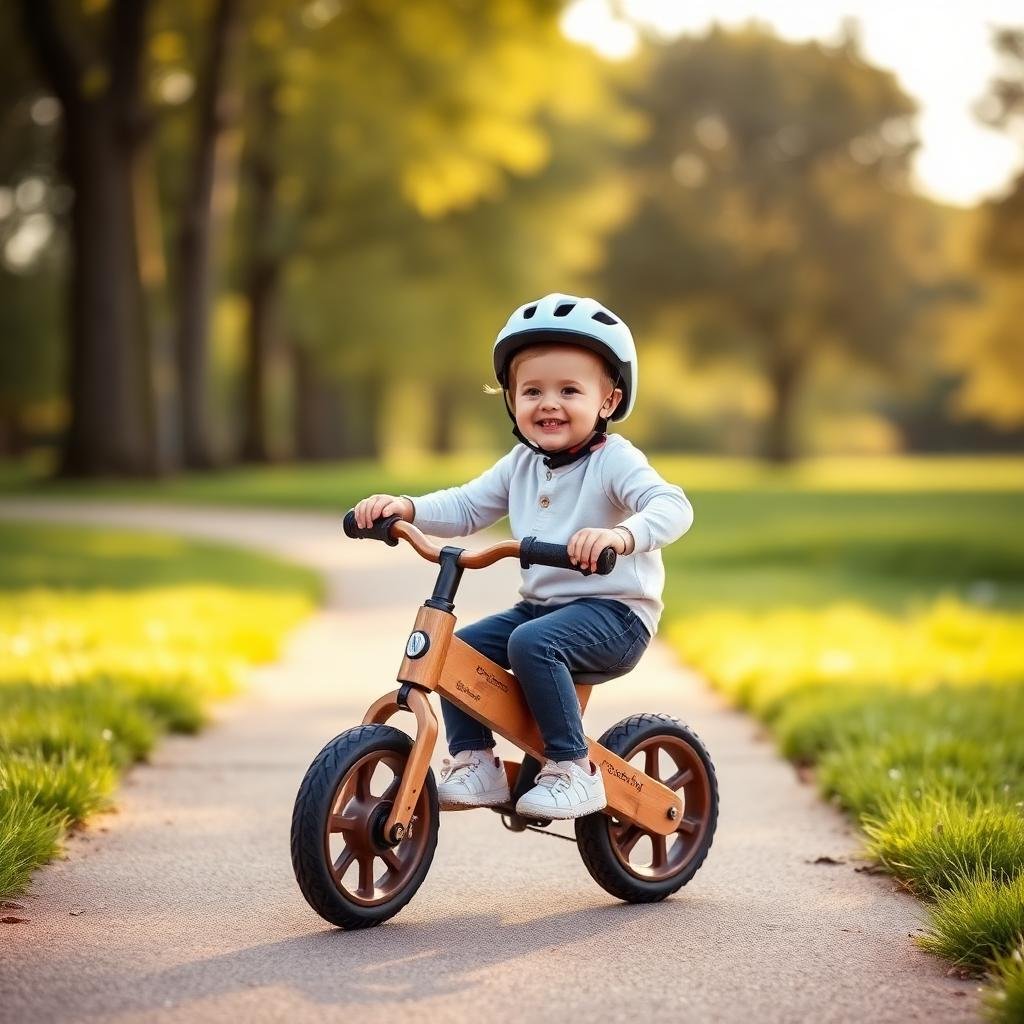
Best Balance Bikes (2026): 7 Pediatrician Picks by Age
A pediatrician’s guide to the 7 best balance bikes for toddlers 12 months to 5 years. Sizing, helmet protocol, safety r…
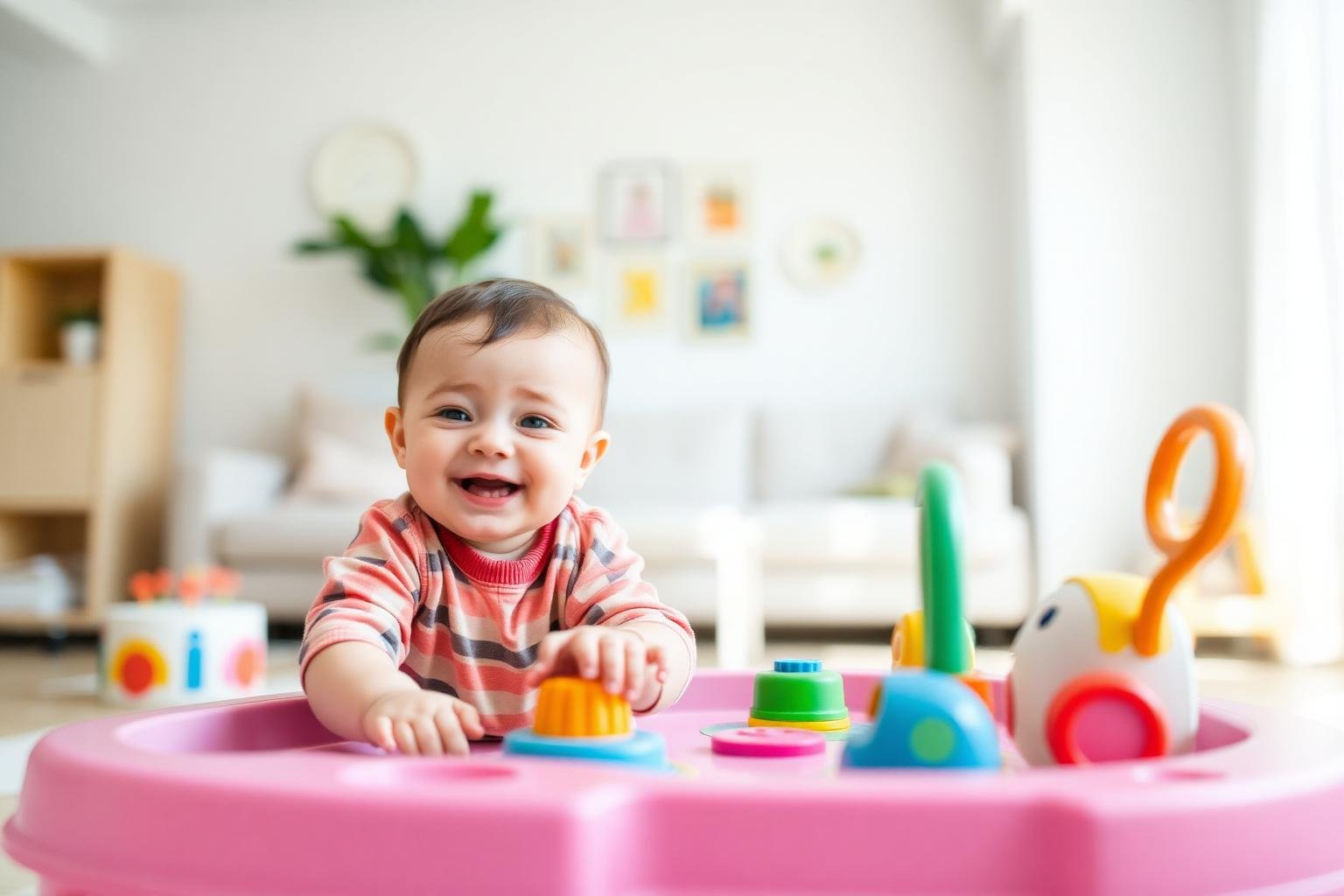
Best Baby Activity Center: 8 Pediatrician-Approved Picks
As an Amazon Associate, we earn from qualifying purchases. Bestseller #1 Infantino Music & Lights 3-in-1 Discovery Seat…

Best Interactive Books for Early Speech & Language
Boost Literacy: Best Interactive Books for Early Speech & Language Reading to your baby from birth is one of the most e…
Movement in the first three years
Tummy time
How early to start, how long each day, and how to work through a baby who hates it.
Containers and seats
Why sit-in walkers are not recommended, and the safe alternatives that support the same milestones.
Standing and walking
Push toys, balance bikes and footwear — what helps, what is neutral, and what is marketing.
Play and language
Toys that produce back-and-forth interaction rather than one-way noise and light.
Who reviews this section
Development and play content is edited by our milestones reviewer.

Dr. Chen, MD
PediatricsDevelopment, milestones and safe play.
Every guide in play carries a named pediatric reviewer and a dated sign-off, re-checked at least every six months. Read the ChildBloom promise.
What decides a place in a play ranking.
Sit-in baby walkers are never recommended here. The AAP position and the injury data are unambiguous.
Every recommendation is tied to a specific motor or language milestone it actually supports.
Small parts, cord length, battery compartments and tip risk are checked against ASTM and CPSC requirements.
A cheaper item that supports the milestone better always outranks an expensive one that does not.
Development questions parents ask us most
Are baby walkers safe?
No. The AAP recommends against sit-in baby walkers because of stair falls, burns and poisoning reach, and because they do not help babies walk sooner. Stationary activity centres and push toys are the safe alternatives.
How much tummy time does a newborn need?
Start from the first days home with two or three short sessions of three to five minutes a day, building toward 15–30 minutes total by around two months. Always awake and supervised, and end the session before real distress sets in.
When should a toddler start a balance bike?
Most children are ready between 18 months and three years, judged by inseam rather than age — they should be able to stand over the frame with both feet flat and a slight knee bend. A properly fitted helmet is required from the first ride.
Do developmental toys really make a difference?
Interaction makes the difference; the toy is the excuse for it. Open-ended toys that invite back-and-forth with an adult support language and problem-solving far more than electronic toys that perform for a passive child.
Ask our editorial team
If a guide looks out of date or you cannot find an answer for your child’s situation, tell us and a reviewer will look at it.
Contact ChildBloom