Lead in Baby Food: What the Congressional Report Found & How to Redu
Medically reviewed by Dr. Ahmad Raza, MD (Pediatrics) — ChildBloom Medical Review Panel. Last updated: August 4, 2026.
Editorial & affiliate disclosure: our guidance is written and reviewed by clinicians. ChildBloom may earn a commission from qualifying purchases made through links on this page, which never changes what our pediatric reviewers recommend.
Looking for clear answers about lead in baby food? This pediatrician-reviewed guide covers what matters, what to skip, the safety checks that count, and exactly when to involve your doctor — based on current AAP, CDC and CPSC guidance on lead in baby food.
Quick pediatrician summary: lead in baby food
Short answer: A pediatrician explains lead in baby food: what is normal, the real risks, red flags to watch for and exactly when to call your doctor.
Written by the ChildBloom Pediatric Panel, FAAP | Medically reviewed July 14, 2026 | Last updated July 14, 2026
As a pediatrician, I understand how concerning these moments can be for parents. My goal is to provide you with evidence-based guidance that helps you make informed decisions for your child, while also knowing exactly when to seek medical attention. This guide draws on current AAP recommendations and clinical experience to give you the clarity you need.
In February 2021, the House of Representatives’ Subcommittee on Economic and Consumer Policy released a report titled “Baby Foods Are Tainted with Dangerous Toxic Metals.” The report tested products from four major baby food manufacturers and found alarming levels of lead, arsenic, cadmium, and mercury.
The response from many parents was predictable: panic. The response from pediatricians should be: informed action.
The evidence is clear — heavy metals are present in many foods that babies eat, and infants are particularly vulnerable to their neurotoxic effects. But the solution is not to stop feeding your baby. It is to understand which foods carry the highest risk, choose brands that test for heavy metals, and implement practical strategies to reduce exposure while maintaining a nutritious, varied diet.
This article will walk you through what the report found, why heavy metals are in baby food in the first place, which specific foods are highest risk, and the practical steps you can take to protect your baby.
PART 1: WHY HEAVY METALS ARE IN BABY FOOD —
1.1 The Source: Soil and Water
Heavy metals (lead, arsenic, cadmium, mercury) are naturally present in the earth’s crust. They enter the food supply through: – Soil: Crops absorb metals from soil through their roots. Rice is particularly efficient at absorbing arsenic from soil and water. Sweet potatoes absorb cadmium and lead. Carrots absorb lead. – Water: Irrigation water contaminated with heavy metals (from industrial pollution, old pipes, or natural deposits) introduces metals into crops. – Air: Industrial emissions deposit heavy metals onto crops and into soil. – Processing: Some baby food manufacturing processes introduce metals through equipment or additive ingredients.
1.2 Why Baby Food Specifically?
The 2021 Congressional report focused on baby food because: – Babies eat proportionally more food per body weight than adults, leading to higher exposure per kilogram. – Many baby foods are rice-based (rice cereal, rice puffs, rice rusks) — and rice is one of the highest-arsenic crops. – Baby food is often the baby’s first and primary food source — they are not eating a varied adult diet. – The developing brain is more vulnerable to neurotoxic effects.
PART 2: WHAT THE CONGRESSIONAL REPORT FOUND —
The report tested finished products from four manufacturers (Nurture, Inc. [HappyBABY/HappyTOTAL], Beech-Nut, Hain Celestial [Earth’s Best), and Campbell Soup Company [Plum Organics]). Key findings: – All four brands had products containing inorganic arsenic, lead, and/or cadmium above what the FDA considers concerning. – Some products contained lead levels more than 4 times the FDA’s maximum allowable level for bottled water. – Some products contained arsenic levels more than 10 times the FDA’s maximum for bottled water. – Rice-based products were consistently the highest in arsenic. – Root vegetables (sweet potatoes, carrots) were consistently high in lead and cadmium. – Not all brands test their finished products for heavy metals. Some only test ingredients, which misses contamination introduced during processing.
Important caveats: – The report tested only four brands (those that responded to the congressional inquiry). Many major brands declined to participate. – The report did not test every product line from each brand — it tested a sample. – Not all products from these brands were above safety thresholds — but the presence of any detectable heavy metals in baby food is concerning given infants’ vulnerability.
PART 3: WHICH FOODS TEST HIGHEST —
FOOD CATEGORY | METAL OF CONCERN | WHY —————–|———————|—————————————— Rice-based | Arsenic (inorganic) | Rice absorbs arsenic from soil and water products | | more efficiently than other grains. (rice cereal, | | Brown rice has MORE arsenic than white rice puffs, | | rice (arsenic concentrates in the bran). rice rusks) | | Sweet potato | Lead, cadmium | Root vegetables absorb metals from soil. products | | Sweet potatoes are a common first food. Carrot products | Lead | Root vegetable. Absorbs lead from soil. Fruit juices | Lead, arsenic | Concentration during juicing. Apple and (apple, grape, | | grape juice have tested highest. pear) | | Teething biscuits| Lead, arsenic | Often rice-based or contain multiple | | high-risk ingredients. Oat-based | Lower than rice | Oats absorb less arsenic than rice, but products | | still contain some heavy metals.
PART 4: HOW TO REDUCE YOUR BABY’S EXPOSURE —
4.1 Rotate Foods
Do not give the same food every day. If you give rice cereal on Monday, give oatmeal on Tuesday. If you give sweet potato on Wednesday, give peas on Thursday. Rotation reduces repeated exposure to the same metal from the same source.
4.2 Choose Low-Risk Foods
Lower-risk first foods: – Oatmeal (instead of rice cereal) – Bananas – Avocados – Peas – Green beans – Squash (not sweet potato) – Applesauce (from brands that test for heavy metals) – Pears
Higher-risk foods to limit: – Rice cereal, rice puffs, rice rusks – Sweet potato (limit to 1-2 times per week, not daily) – Fruit juice (avoid entirely under 12 months; limit after 12 months) – Teething biscuits (choose rice-free options)
4.3 Choose Brands That Test for Heavy Metals
Look for brands that: – Test finished products (not just ingredients) for heavy metals – Publish their testing results or make them available upon request – Source ingredients from low-contamination regions – Hold third-party certifications (e.g., Clean Label Project, ConsumerLab)
Brands that have publicly committed to heavy metal testing and transparency include (as of 2024): – Little Spoon – Once Upon a Farm – Serenity Kids – Homemade (you control the ingredients and sourcing)
4.4 Make Homemade Baby Food
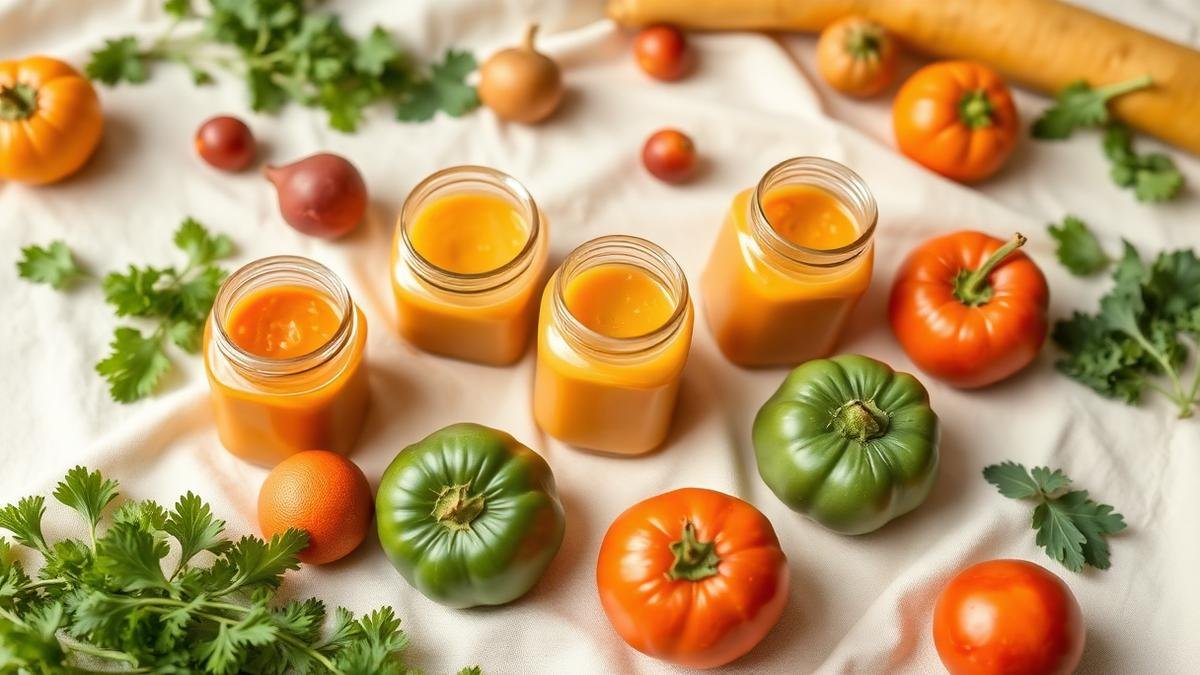
Making baby food at home gives you complete control over ingredients and sourcing: – Buy organic produce when possible (organic farming practices tend to result in lower heavy metal uptake, though they do not eliminate it) – Avoid rice-based recipes – Steam and puree fresh vegetables and fruits – Batch cook and freeze in silicone ice cube trays – Source from diverse suppliers to avoid repeated exposure to the same soil/water source
4.5 Filter Your Water
If your tap water contains lead (from old pipes), use a filter rated for lead removal (NSF/ANSI Standard 53). Test your water if you live in an older home or are unsure of your water quality. Use filtered water for formula preparation and cooking.
4.6 Avoid Fruit Juice
The AAP recommends no fruit juice for children under 12 months. After 12 months, juice should be limited to 4 oz/day. Fruit juice concentrates heavy metals from the fruit and has been consistently found to contain lead and arsenic. Whole fruit is always preferable.
PEDIATRICIAN’S TAKE —
The Congressional report was alarming but not surprising — pediatricians and toxicologists have known for years that rice and root vegetables contain heavy metals. The solution is not to panic and stop feeding your baby. The solution is to diversify the diet, limit rice-based products, choose brands that test for heavy metals, and make homemade food when possible. A baby who eats oatmeal instead of rice cereal, bananas instead of sweet potatoes, and peas instead of carrots is getting the same nutrition with dramatically less heavy metal exposure. Rotation and variety are the keys.
WHEN TO CALL THE DOCTOR —
- If you want your baby’s blood lead level tested (recommended at 12 and 24 months in high-risk areas, or if you have specific concerns)
- If your baby has developmental concerns that may be related to heavy metal exposure
- If your home has lead-based paint or lead water pipes
RELATED ARTICLES —
- BPA, BPS & BPF: Are “BPA-Free” Baby Bottles Actually Safe?
- Microplastics in Baby Formula & Water: What Parents Need to Know
- The Pediatrician’s Guide to Non-Toxic Baby Products
RECOMMENDED PRODUCTS —
Best Low-Heavy-Metal Baby Food Brands (Third-party tested, organic, transparent sourcing reviewed) [See our top picks ->]
MEDICAL DISCLAIMER: This article is for informational purposes only and does not constitute medical advice. Recommendations are based on current scientific evidence and the 2021 Congressional report. Always consult your pediatrician for your child’s specific needs.
Related: Toddler Food Allergies And Intolerances
📖 More from the Health & Safety Hub: your A-Z pediatrician guide to baby health, common illnesses, fevers, rashes, allergies, safety
Safety Considerations and Red Flags
Parents should be aware of the following safety considerations when managing their child’s health at home:
- Never ignore persistent or worsening symptoms
- Keep emergency numbers (pediatrician, poison control, emergency services) readily accessible
- Follow medication dosing instructions precisely — never estimate or use household spoons
- Trust your gut: if you feel something is seriously wrong, seek medical attention immediately
Essential Safety Practices
Keeping your baby safe is the highest priority of infant care. Many common injuries are preventable with awareness of age-appropriate risks and consistent safety practices.
Safe Sleep Environment
The safest sleep environment is a firm, flat mattress in a crib or bassinet with a tight-fitting sheet and nothing else — no blankets, pillows, bumpers, stuffed animals, or sleep positioners. Room-sharing (baby sleeps in the parent’s room) is recommended for the first 6 months but bed-sharing is not. Always place your baby on their back for every sleep, including naps.
Preventing Falls and Injuries
Never leave a baby unattended on elevated surfaces like changing tables, beds, or sofas — falls can happen in seconds. Install baby gates at the top and bottom of stairs once your baby begins to crawl. Secure heavy furniture, TVs, and bookshelves to walls with anti-tip anchors. Keep window blind cords and curtain pulls out of reach to prevent strangulation.
Emergency Preparedness for Parents
Creating a Family Emergency Plan
Every family should have an emergency plan. Post emergency numbers (pediatrician, poison control, emergency contacts) visibly in your home and save them in your phone. Learn infant CPR and choking rescue — classes are available through the American Red Cross, American Heart Association, and many local hospitals. Keep a well-stocked first aid kit accessible but out of children’s reach. Know your home’s address and the fastest route to your nearest emergency room.
Water Safety
Drowning is the leading cause of injury-related death in children ages 1-4. Never leave a baby or young child unattended near any water source — bathtubs, buckets, kiddie pools, toilets, or swimming pools. Empty all water containers immediately after use. Install four-sided pool fencing with a self-latching gate if you have a pool. Learn CPR specifically for infants and children. Water safety is not seasonal — vigilance is needed year-round, even during bath time.
Everyday Safety Checklist for Parents
Daily Safety Checks
Incorporate a quick safety scan into your daily routine. Check that crib hardware is tight and the mattress is at the correct height. Ensure all cleaning products and medications are in locked cabinets. Verify that window cords are tied up and out of reach. Test smoke and carbon monoxide detectors monthly. Check that the water heater is set to 120°F maximum. These quick checks take 2 minutes and prevent common household injuries.
Car Seat Safety on Every Trip
Before every car ride, do a quick harness check: the chest clip should be at armpit level, the harness should be snug (you cannot pinch any webbing at the shoulder), and the car seat should not move more than 1 inch at the belt path. Avoid bulky clothing under the harness. Never leave a child alone in a car, even for a minute. Rear-face as long as your car seat allows — the AAP recommends until at least age 2 or the maximum height/weight of the seat.
The Bottom Line
Lead in Baby Food Guide is a common concern for parents, and most of the time it resolves with simple home care and patience. As a pediatrician, I encourage parents to trust their instincts, stay informed with evidence-based resources, and maintain open communication with their healthcare provider. You know your child best — if something does not feel right, speak up. Every question you ask is valid, and every concern you raise helps us provide better care for your little one.
Frequently asked questions about lead in baby food
Is lead in baby food normal in babies?
Mild, short-lived episodes are common and usually settle with simple home care. It is not normal if your baby is feeding poorly, unusually sleepy, breathing fast, has a fever under 3 months of age, or the problem is getting worse instead of better.
When should I call the doctor about lead in baby food?
Call the same day for fever in a baby under 3 months, breathing difficulty, repeated vomiting, dehydration signs such as very few wet diapers, unusual floppiness or a rash that does not fade with pressure. Trust your instinct — if something feels wrong, get your baby seen.
What can I safely do at home for lead in baby food?
Focus on comfort, hydration, feeding and rest, and use only medicines and doses your pediatrician has approved for your baby’s age and weight. Avoid honey under 12 months, avoid over-the-counter cough and cold products under 6 years, and never give aspirin.
Common mistakes parents make with lead in baby food
- Assuming a higher price means a safer or better-performing option — certification and correct fit matter far more.
- Skipping the instruction manual, weight limits and product registration, which is how recall notices reach you.
- Changing several things at once, so you cannot tell what actually helped your baby.
- Relying on advice from social media instead of your pediatrician when something feels off.
Related pediatrician-reviewed reading
- Best Baby Food Allergy Introduction Kits & Testing Options
- Top 5 Certified Organic Baby Food Brands
- Baby Clothing Guide
- The Pediatrician’s Guide to Baby Teething
- baby health & safety hub
References & further reading
Medical disclaimer: this article is for general education and does not replace individual medical advice. Always follow your own pediatrician’s guidance for your child.


One Comment
Comments are closed.