11-Month Feeding Schedule: Flexible Guide
Medically reviewed by Dr. Ahmad Raza, MD (Pediatrics) — ChildBloom Medical Review Panel. Last updated: September 27, 2026.
Written by Dr. Ahmad Raza, MD, Pediatrics.

A flexible, appetite-led 11-month feeding schedule: milk leads, iron-rich foods increase, cup practice daily — sample-day table, responsive tips, and red flags.
📋 TL;DR — if you read nothing else
- Milk still leads at 11 months; solids are for iron, variety, and practice — cues beat the clock.
- A sample day: waking milk, three meals, one or two snacks, daily cup practice.
- Responsive feeding: watch cues, offer new foods repeatedly without pressure, let baby decide how much.
- Safety: soft bite-sized pieces, no honey until 12 months, supervise meals — call the pediatrician for growth or swallowing concerns.
Quick answer
At 11 months, milk (breastfeeding or formula) is still a main food source while family foods and iron-rich solids increase. Use the sample day and responsive tips below as an example, not a prescription. Watch hunger/fullness cues, offer safe textures, and practise cup drinking daily.
Why this is an example, not a rule
This 11-month feeding schedule is best approached with developmentally appropriate, responsive guidance rather than a rigid rule. Use it as a flexible, appetite-led example built on WHO meal-frequency guidance and CDC responsive-feeding principles. Patterns follow growth, wet diapers, developmental readiness, and your own feeding goals — for clinical questions about growth, iron, or special health needs, contact your pediatrician.
Sample day (appetite-led examples)
Times and portions are examples — replace quantities with cues: baby accepts, slows, turns away, or asks for more.
| Typical day (example) | What to offer — examples | How to think about amounts (appetite-led) |
|---|---|---|
| Morning — Wake + milk | Breast milk or infant formula; practise a sip from an open or straw cup after the milk. | Offer milk on demand or to hunger cues. Cup practice can be one feed a day. |
| Breakfast (within 1–2 hrs) | Iron-rich food (fortified cereal, egg, soft meat, or lentils), fruit or vitamin C source, and grain. | Start small — a spoonful or two — offer more if baby shows interest. |
| Mid-morning snack | Soft fruit or veg pieces, full-fat plain yogurt, or mashed avocado. | A small taste or a few pieces to bridge meals. |
| Midday — Milk + Lunch | Milk feed, then lunch: protein + veg + grain, soft and bite-sized. | Short milk feed if hungry, then a family-style portion set aside before heavy seasoning. |
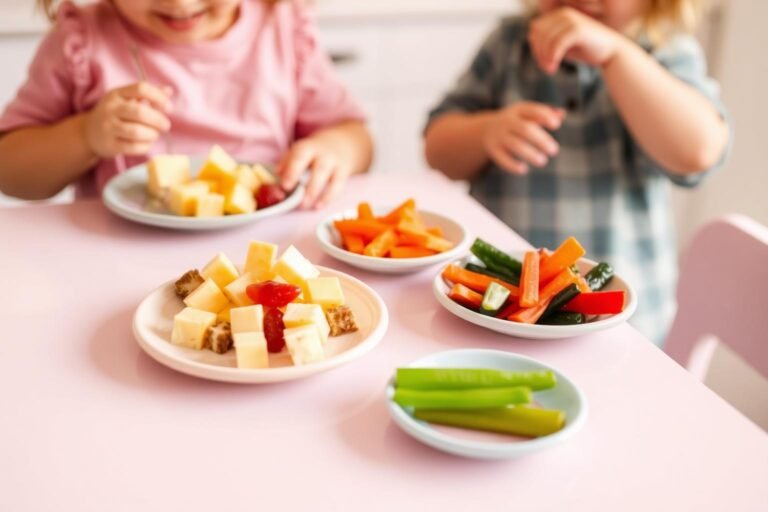
| Afternoon snack | Whole-food snack: cheese pieces, soft steamed veg, or small pancake strips. | Keep snacks predictable so they don’t replace meal appetite. |
| Dinner (family meal with baby portion) | Soft, well-cooked family foods cut into safe sizes; avoid honey and salt. | Follow baby’s cues at the table and enjoy the shared mealtime. |
| Evening milk / bedtime | Comfort milk feed if part of your routine; offer cup practice earlier in the evening. | If milk soothes, gradually shift to daytime cup practice. |
Responsive feeding tips (CDC-aligned)
- Watch hunger and fullness signals (leaning forward, opening mouth, turning away, closing mouth).
- Offer regular meals and limited snacks rather than constant grazing — WHO recommends increasing meal frequency between 6–23 months as skills grow.
- Offer new foods repeatedly without pressure; many babies need multiple exposures before accepting a new taste or texture.
- Let baby show whether they want more — guide portions, but follow appetite.
Iron and important foods to include
Iron remains a priority — offer an iron-rich option at most meals.
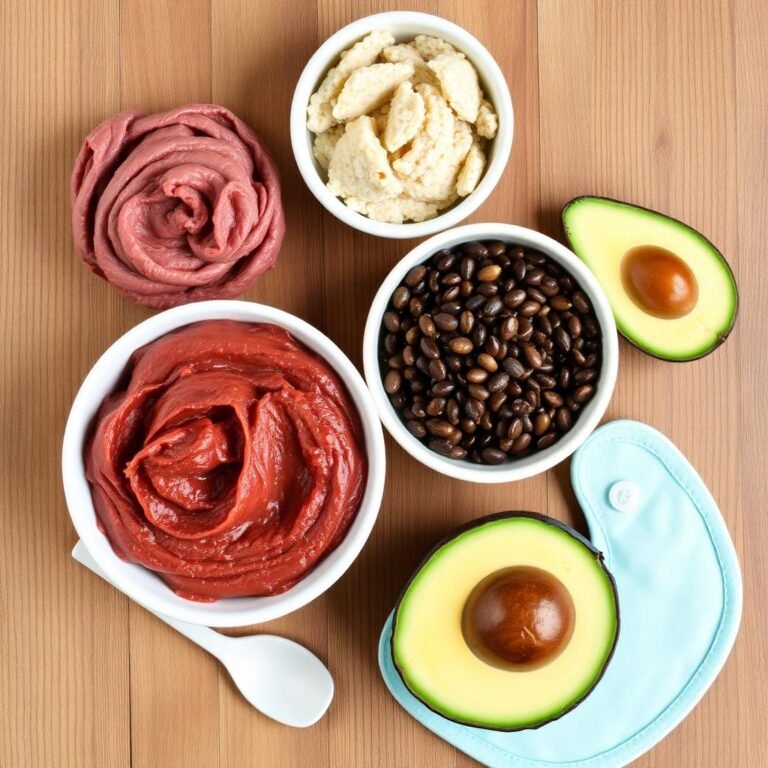
- Heme iron: soft-cooked meats, poultry, small flakes of fish (bones removed), or well-cooked ground meat.
- Non-heme iron: iron-fortified infant cereals, beans, lentils, tofu; pair with vitamin C foods to improve absorption.
Cup practice and moving away from bottles (gradual approach)
Practice an open or straw cup daily at meals or snacks. A gradual approach works best: replace one daytime bottle or feed with cup practice, then increase as baby accepts it. No mandatory timeline — aim to reduce frequent bottle use before toddlerhood in whatever way fits your family.
Texture progression and safety
- Offer a variety of textures: mashed, lumpy, soft chunks, and finger foods as baby’s chewing skills improve.
- Modify family foods: remove hard skins, cut into small pieces, and avoid honey until 12 months.
- Follow safe-size guidance — avoid whole grapes, nuts, large firm pieces, spoonfuls of thick nut butter, or hard raw vegetables; supervise all meals.
Simple decision framework: When to offer milk vs. a meal
| Situation | Responsive action |
|---|---|
| Baby seems hungry between meals (rooting, crying) | Offer a short milk feed or planned snack depending on time of day; try cup practice if appropriate. |
| Baby refuses a meal | Stay calm, remove food without pressure, offer milk or water if baby is clearly hungry later. Offer the same food again another time. |
| Baby grazes on milk or snacks and eats little at meals | Adjust snack timing, shorten milk feeds before meals, offer iron-rich foods. Discuss patterns with your clinician if concerned. |
Avoid abrupt milk changes. If milk seems to be crowding out solids, or growth concerns you, discuss gradual changes with your pediatrician.
Choking first aid and preparedness
Always supervise feeding, keep baby seated upright, and learn local infant first-aid and choking response — this article cannot replace certified training.
Red-flag and emergency guidance
Call local emergency services if a baby cannot breathe, turns blue, loses consciousness, or cannot cry while eating. For local first-aid steps, see certified trainers like the British Red Cross.
When to call the pediatrician
Contact your child’s clinician if any of the following occur:
- Poor weight gain or drop across growth percentiles.
- Persistent refusal of all solids for several days and limited milk intake.
- Signs of iron deficiency (pale skin, very low energy) or clinician concern about anemia.
- Difficulty swallowing, frequent gagging with solids, or coughing during most meals.
- Preterm baby or medical conditions that require tailored feeding guidance.
Unsure whether a pattern is normal? Reaching out early is reasonable.
🩺 Doctor’s Take
By 11 months I want two things visible at your table: something iron-rich at most meals, and a cup being practised daily. Milk still does the heavy lifting — solid food at this age is mostly practice and iron. Follow the cues rather than the times: pushed babies get worse at noticing fullness. Honey waits for the first birthday, round foods get cut, everyone supervises. If growth stalls or swallowing looks hard, call me.
References and further reading
This article is for general information only and is not a substitute for professional medical advice, diagnosis, or treatment. Always consult your own pediatrician about your child’s individual health needs. If you believe your child is having a medical emergency, call your local emergency number immediately.
Medical review
Reviewed by Dr. Ahmad Raza, MD, Pediatrics. Last reviewed September 27, 2026. Reviewed against WHO complementary-feeding guidance and CDC’s feeding-routine, solids-introduction, and choking-hazards pages (all re-verified this date). Educational information — not a substitute for individualized medical advice.
Learn about our physicians on the About page.




One Comment