12-Month-Old Eating Less: What to Know
A 12-month-old eating less may be responding to normal changes in growth, activity, teething, illness, constipation, or food preferences. Appetite cannot be judged from one meal. Look at fluids, energy, growth, stools, and the pattern over time. Offer regular varied meals and ask the pediatrician about concerning changes. 1

Care note: This article offers general pediatric education. Feeding needs vary, especially with prematurity, medical conditions, allergies, growth concerns, or swallowing symptoms. Your child’s pediatrician can tailor advice.
Why appetite can change after the first birthday
Growth and appetite do not move in a straight line. A toddler may eat eagerly one day and barely touch a meal the next. Activity, sleep, teething, constipation, illness, and growing independence can all change intake.
Some children become more selective as they move into toddlerhood. The CDC recommends repeated exposure, choices, and modeling rather than pressure. 4
What to offer
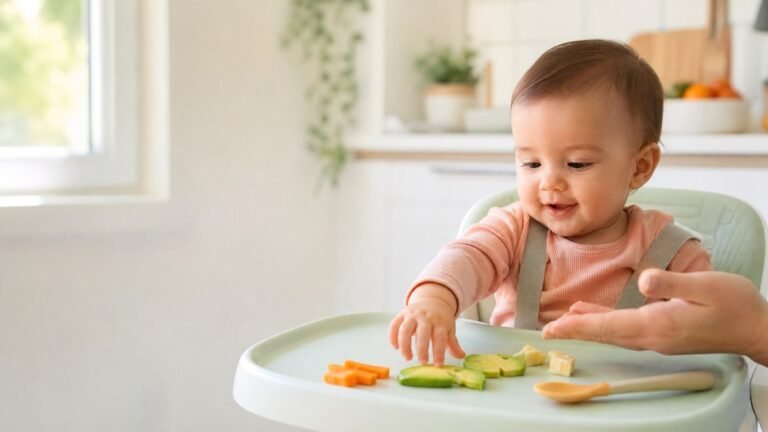
Offer three meals and planned snacks that fit your family routine. Include a familiar food and a variety of nutrient-dense foods. Soft family foods can be modified for safety. Continue offering iron sources such as meat, beans, lentils, tofu, egg, or iron-fortified foods. 3
At 12 months, many children can have pasteurized plain whole cow’s milk or an appropriate fortified alternative, but the right amount depends on diet, growth, and health. Breastfeeding can continue if parent and child wish. Avoid using milk or juice as a replacement for meals.
Watch the pattern, not one portion
A growth chart is a trend, not a grade. The pediatrician considers repeated weight and length measurements, family pattern, development, intake, and signs of illness. A child can be healthy on a lower percentile, while a downward change across measurements deserves review.
Avoid trying to diagnose poor growth from a home scale or a single day of eating. Write down foods and drinks for a few days if the clinician asks, but do not turn every meal into a calculation.
Hydration and comfort
Offer fluids appropriate for age. A child who is ill, vomiting, or having diarrhea may need a clinician-directed hydration plan. Watch for a clear decrease from the child’s usual urination, dry mouth, no tears, unusual sleepiness, or inability to keep fluids down.
See signs of dehydration for a parent-friendly checklist, but call the pediatrician when the pattern is concerning.
When eating less needs medical attention
Contact the pediatrician if reduced eating persists or occurs with weight loss, a change in growth, ongoing vomiting or diarrhea, pain, swallowing difficulty, repeated coughing during meals, unusual fatigue, developmental concerns, or a very limited diet.
Seek urgent care for severe lethargy, trouble breathing, blue or gray coloring, signs of significant dehydration, blood in vomit or stool, or a child who cannot keep fluids down.
FAQ
How much should a 12-month-old eat?
There is no single portion that fits every child. Offer small portions and allow the child to ask for more. Appetite and growth vary.
Should I force my child to finish?
No. Pressure can make feeding harder. Offer a balanced meal, let the child stop, and try again at the next planned opportunity.
Should I give an iron supplement?
Do not start a supplement based on an online article. Ask the child’s clinician whether diet, screening, or a supplement is appropriate.
Related ChildBloom guides
Author and medical-review status
Dr. Ahmad Raza, MD, Pediatrics is the named ChildBloom pediatric author for this draft. Prepared for medical review by Dr. Ahmad Raza, MD, Pediatrics. Reviewed and approved by Dr. Ahmad Raza, MD, Pediatrics on August 23, 2026.
Last updated: August 22, 2026