Newborn Breathing: What’s Normal and What’s Concerning
Newborn breathing is noisy, irregular, and often alarming to new parents. Most of it is completely normal — but a few signs always warrant urgent attention.

Newborn breathing is noisy, irregular, and often alarming to new parents. Most of it is completely normal — but a few signs always warrant urgent attention.

About 60% of newborns develop visible jaundice in the first week. Most cases resolve on their own — but a small number need urgent treatment to prevent harm.

Fever in a newborn is never wait-and-see. Learn the exact temperature threshold, how to measure correctly, and what doctors look for in a febrile infant.

Up to 80% of pregnant women experience nausea. For most it peaks around weeks 6–9 and resolves by week 14. For some, it’s far more severe. Here’s the evidence-based playbook.

Most newborns spit up — it is a laundry problem, not a medical one. But some spit-up is reflux disease, and some is true vomiting that needs urgent care. Here is how to tell.

A deep, asymmetric latch is the single biggest predictor of pain-free breastfeeding and good milk transfer. Here is how to get one — and the four positions worth learning in the first weeks.

Most newborn rashes are harmless and resolve without treatment. Knowing which is which saves both panic and unnecessary creams.

Swaddling can calm the startle reflex and extend sleep — but it must be done correctly, and it must be stopped at the first sign of rolling. Here is the safe-swaddling playbook.

Room-sharing for at least 6 months is recommended. Bed-sharing carries real SIDS risk — but if you choose it, there are evidence-based ways to reduce that risk. Here is the full picture.

Newborns sleep up to 17 hours a day because their brains, bodies, and immune systems are growing faster than at any other point in life. Here is what is happening, what is normal, and when to worry.

A C-section is major abdominal surgery on top of newborn care. Recovery follows a predictable arc when you know what to expect, what to avoid, and which signs mean call your OB now.

Most prenatal vitamin marketing is noise. Folate, iron, iodine, choline, and omega-3 DHA are the nutrients with the strongest evidence. Here is what to take, when, and how to eat around it.

Labor is four distinct stages with very different timelines and sensations. Knowing which stage you are in tells you whether to rest, call your provider, or head to the hospital.

That first month flew by! Here’s what to expect from your 1-month-old baby’s development, from tiny movements to their first social smiles.
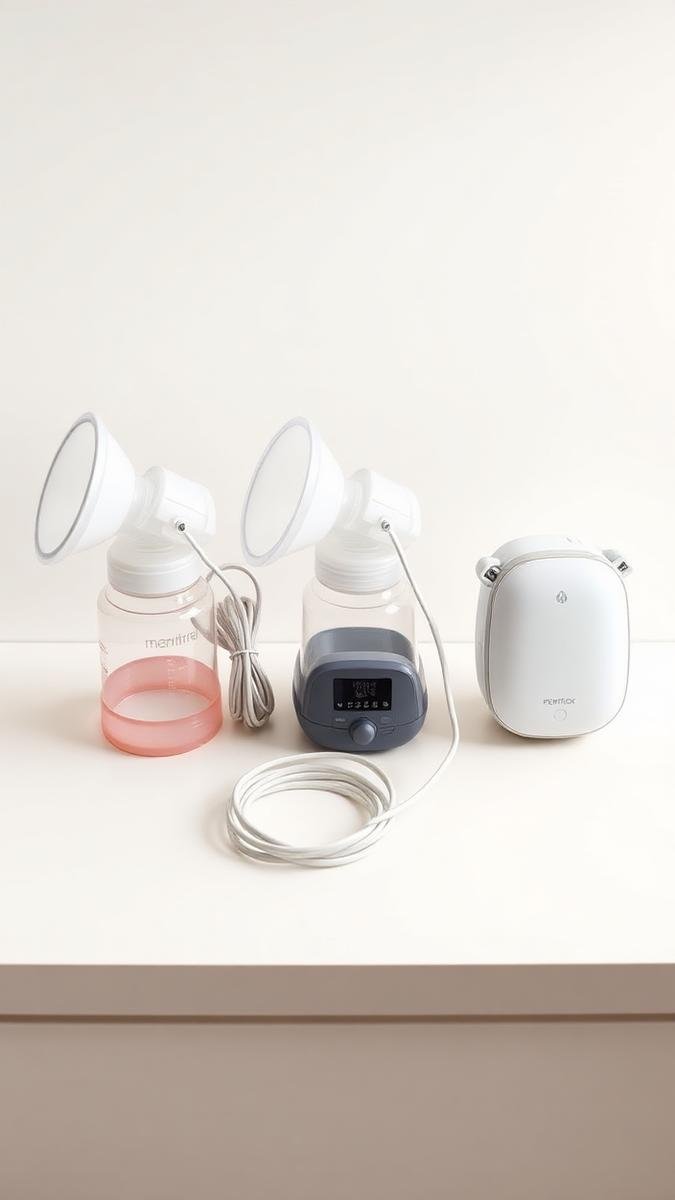
A complete 2026 comparison guide to breast pump types — manual, double electric, wearable, and hospital-grade — with what actually matters for output, comfort, and daily use.

Wondering how many words at 12 months is normal? Our guide explains early speech milestones, what counts as a first word, and how to encourage your baby to talk.

Pediatrician-tested best baby carriers 2026: compare wraps, slings & structured picks for hip health, comfort, and ergonomics, with top Amazon reviews.
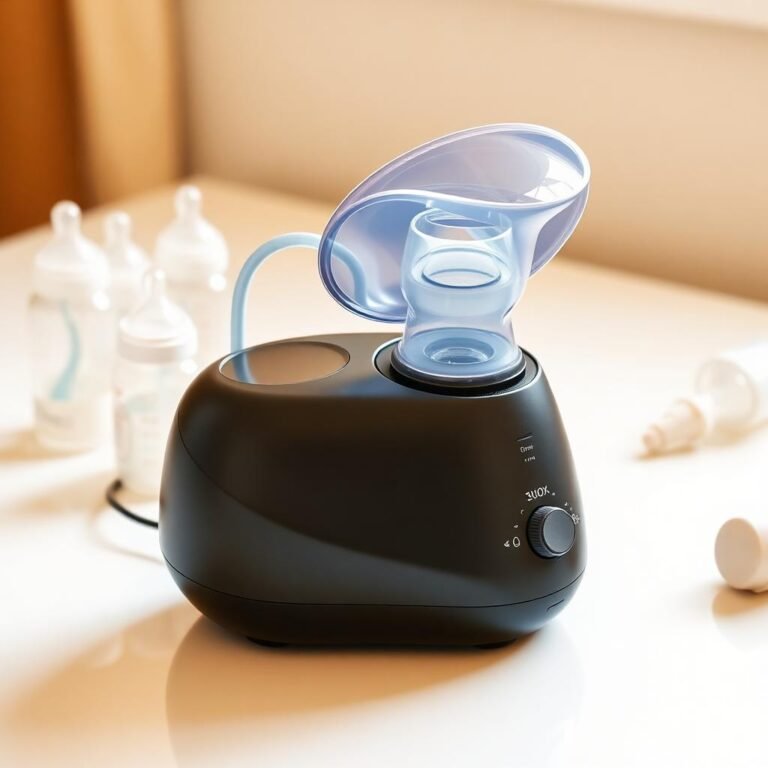
A pediatrician-reviewed guide to the best breast pumps of 2026: manual vs electric, closed vs open systems, and Spectra vs Medela.

Between 4-6 months, babies make dramatic advances in motor control and communication. Here’s what to expect and how to support these developments.

The first three months are full of rapid development. Understand what’s typical, when to be concerned, and how to support your baby’s growth.

The postpartum period is as important as pregnancy itself. Understand normal recovery, red flags, and self-care strategies for the first six weeks.
We use cookies to improve your experience on our site. By using our site, you consent to cookies.
Manage your cookie preferences below:
Essential cookies enable basic functions and are necessary for the proper function of the website.
These cookies are needed for adding comments on this website.
Statistics cookies collect information anonymously. This information helps us understand how visitors use our website.
Google Analytics is a powerful tool that tracks and analyzes website traffic for informed marketing decisions.
Service URL: policies.google.com (opens in a new window)