Natural Pain-Coping Techniques for Labor: Breathing, Movement, Positions
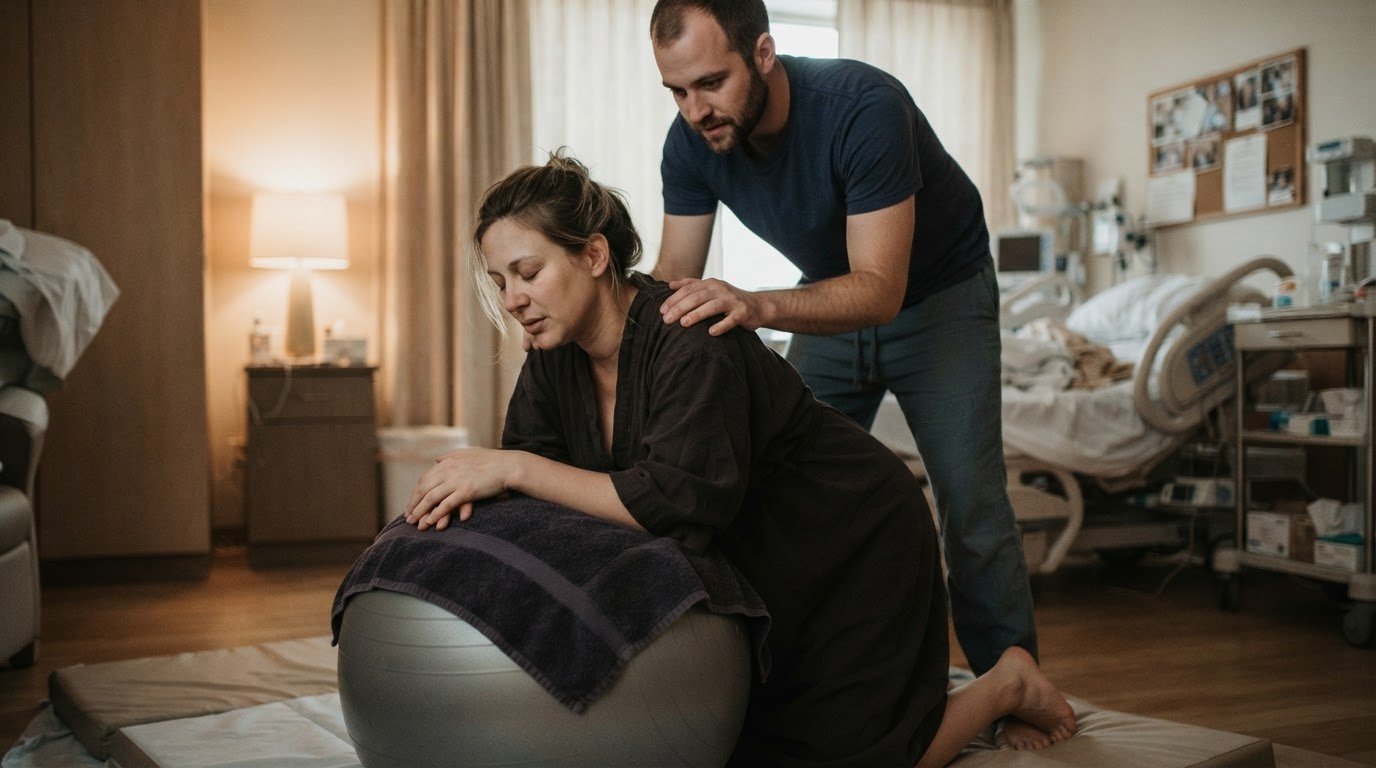
Learn evidence-based natural pain coping labor techniques including breathing patterns, movement strategies, and labor positions to help manage discomfort without medication. Looking for expert guidance on natural pain coping labor techniques? This comprehensive guide covers everything you need to know, from understanding the basics to making informed decisions for your family. Labor pain is unlike any other type of pain the body typically experiences. It comes in waves, builds gradually, and serves a clear physiological purpose: signaling the body’s work to move the baby through the birth canal. This distinction matters because it changes how a person approaches coping. Intermittent pain, even intense pain, allows for recovery between contractions. That built-in rest period is not a design flaw. It is a feature that many natural pain coping labor techniques are built around. The experience varies enormously from one person to the next and from one labor to the next. Pain perception during labor is influenced by the baby’s position, the strength and frequency of contractions, the birthing environment, emotional state, and prior pain experiences. Research suggests that a person’s sense of control and preparation significantly affects their subjective experience of labor pain. A 2018 Cochrane review found that women who received preparation and support during labor reported greater satisfaction with their birth experience regardless of whether they ultimately used pharmacological pain relief. This section is not about avoiding medical pain relief. It is about having options. Understanding natural pain coping labor techniques gives a laboring person a toolkit to draw from, whether they plan to use an epidural, want to delay medication, or prefer to labor without it entirely. The goal is informed choice, not a predetermined outcome. Breathing during labor sounds simple until a contraction hits. Conscious breathing techniques work because they activate the parasympathetic nervous system, the body’s calming response, which counteracts the tension-pain cycle. When a person tenses against pain, muscles tighten, blood flow decreases, and pain signals intensify. Deliberate, controlled breathing interrupts that loop. Slow-paced breathing is the foundation taught in most childbirth education classes, including the Lamaze method. The pattern involves inhaling through the nose for a count of four and exhaling through the mouth for a count of four or longer. The extended exhale is the active component. It signals safety to the nervous system. A labor partner can count aloud or breathe alongside the laboring person to maintain the rhythm. This technique works best during early and active labor when contractions are manageable between rest periods. Patterned or light-paced breathing is used during more intense contractions, typically in the transition phase of labor. The pattern is often two short inhalations followed by a longer exhale, sometimes called “hee-hee-hoo” breathing. The key is that the breathing remains shallow and light rather than deep, which prevents hyperventilation. This technique is harder to maintain and usually requires a focused coach. It is not meant to eliminate pain. It provides a focal point that competes with pain signals for the brain’s attention. Open-glottis breathing during pushing differs from breath-holding. Research has moved away from sustained Valsalva-style breath-holding (holding the breath and bearing down forcefully) toward exhale pushing, where the birthing person releases air through an open throat while contracting the abdominal muscles. Open-glottis pushing is associated with fewer changes in fetal heart rate patterns and less maternal exhaustion, according to guidance from the American College of Obstetricians and Gynecologists. The exact method should be discussed with the delivering provider ahead of time, as hospital protocols and individual circumstances vary. One misconception worth addressing directly: breathing techniques do not require a person to remain calm and serene throughout labor. They are tools for moments of intensity. A laboring person can cry, vocalize, swear, and still benefit from rhythmic breathing between and during contractions. The technique supports the body; it does not demand emotional performance. Remaining upright and mobile during labor has measurable physiological benefits. Upright positions use gravity to help the baby descend through the pelvis, and rhythmic movement such as swaying, rocking, and walking can shorten the first stage of labor. A 2017 Cochrane review of continuous support during labor found that women who were free to move and adopt upright positions had a shorter first stage and were less likely to request epidural analgesia compared with those who remained supine. Walking through early labor is one of the most accessible movement options. Even slow pacing between contractions keeps the body upright and encourages the baby to settle deeper into the pelvis. A labor partner can walk alongside, offering a hand for balance. The downside is practical: walking becomes difficult once contractions intensify, and continuous electronic fetal monitoring may limit mobility in some hospital settings. Intermittent monitoring or telemetry units (wireless monitors) can allow more freedom. It is worth asking the care team about monitoring options during a prenatal visit. Swaying and rocking provide rhythmic movement without requiring a person to stand or walk. Rocking in a chair, swaying the hips while leaning against a partner, or gently bouncing on a birth ball all create pelvic movement that can ease contraction pain. The birth ball, also called a yoga or exercise ball, is a widely available tool. Sitting on a birth ball and making slow circular hip movements during contractions helps open the pelvis and gives the laboring person something to lean forward on. Some birth centers and hospitals provide them; they are also inexpensive to purchase. Leaning forward during contractions is a simple positional change that reduces pressure on the lower back. This is particularly helpful for back labor, when the baby is positioned posteriorly (facing the mother’s abdomen). Leaning over a bed, a birth ball, or a counter shifts the abdominal weight forward and can reduce the intensity of back pain between contractions as well. The same leaning-forward principle applies during hands-and-knees positioning. Movement does not have to follow a plan. The instinct to change position frequently is itself a coping mechanism. A laboring person might walk, then sit on a ball, then lean over a bed, then return to walking. Following those instincts, within the limits of safety and monitoring, is part of the process. The care team’s role is to support those movements, not to enforce stillness unless there is a medical reason to do so. The supine position (lying flat on the back) is the default in many hospital settings, but it is rarely the most comfortable or physiologically efficient option. Lying flat compresses major blood vessels, can reduce blood flow to the placenta, and works against gravity during pushing. Understanding a range of labor and birth positions allows a person to advocate for options that feel right in the moment. Hands and knees is one of the most versatile positions. It relieves back pressure, allows the baby to shift away from the spine, and can help rotate a posterior baby. A laboring person can rest on a bed, on the floor with padding, or over a birth ball. The position is useful during contractions and can also serve as a resting position between them. It is commonly recommended for back labor and for anyone who finds relief from hands-on pressure applied to the lower back by a partner or doula. Side-lying with the top leg supported by a partner or a pillow is a restful option for later labor, especially if an epidural is in place or the person is exhausted. Side-lying keeps the weight off the vena cava (the major vein running along the spine), maintains blood flow to the baby, and still allows the pelvis to open. The left side is often preferred for optimal circulation, though alternating sides is fine. This position is underrated. It does not look dramatic on television, but it conserves energy and allows the laboring person to rest between contractions without lying flat on the back. Squatting opens the pelvic outlet by approximately 10 to 20 percent compared with lying down. It uses gravity to assist descent and can be done with support from a partner, a squatting bar attached to a bed, or a low stool. Full squatting is physically demanding and difficult to maintain for long periods. Supported squatting, where the laboring person holds onto a partner’s hands or a sturdy object and lowers into a squat during each contraction, is more sustainable. This position is most commonly used during the pushing stage. Upright sitting or kneeling on a birth stool, toilet, or low chair can feel instinctive during pushing. The toilet in particular is a common place for people to feel the urge to push, and there is no medical reason to move to a bed once active pushing begins, assuming both the laboring person and baby are stable. Birth stools are available in some birth centers and hospitals. They support a semi-squatting position without requiring the leg strength of a full squat. Lithotomy position (lying on the back with legs in stirrups) remains common for hospital births in the United States, though it is increasingly questioned as the default. It provides the care provider with good visual and physical access, which matters for assisted deliveries (forceps or vacuum) or perineal repair. However, for uncomplicated births, it compresses the sacrum and reduces the pelvic diameter. A person who prefers to avoid this position should discuss alternatives with their provider before labor and make their preferences clear in a birth plan. Preferences during labor are not a contract; they are a starting point for conversation. No single technique works for the entire labor. The most effective approach combines breathing, movement, and position changes in a fluid sequence that shifts as labor progresses. Early labor might call for slow-paced breathing while walking or swaying. Active labor might require patterned breathing while leaning over a birth ball. Transition might involve vocalization and hands-and-knees positioning. Pushing often combines open-glottis breathing with squatting or side-lying. The labor partner or doula plays a practical role in making these combinations work. During a contraction, the laboring person is focused inward. The partner counts breaths, applies counter-pressure to the lower back, reminds the person to change positions between contractions, and tracks whether hydration and rest are being maintained. A doula, who is specifically trained in labor support, can suggest technique modifications in real time based on the laboring person’s cues. Continuous labor support, whether from a partner, doula, or trusted companion, is associated with shorter labors, fewer cesarean births, and greater satisfaction with the birth experience, according to multiple Cochrane reviews. Environment matters more than most people expect. Dim lighting, limited interruptions, the ability to play preferred music or white noise, and a sense of privacy all contribute to a laboring person’s ability to stay focused on their coping techniques. The neurohormonal physiology of labor is sensitive to feeling observed or unsafe. When a person feels watched or anxious, catecholamines (stress hormones) rise, which can slow or stall labor. Creating a calm environment is not a luxury. It is a component of effective labor management. Hydration and nutrition during labor are sometimes overlooked but affect stamina directly. Sipping water or clear fluids between contractions, and eating light snacks if allowed and tolerated, helps maintain energy for the physical work of labor. Dehydration increases fatigue, which makes every coping technique harder to maintain. Hospital policies on eating during labor vary. Checking the policy in advance allows a person to plan accordingly, bringing approved snacks if needed. Learning natural pain coping labor techniques in the middle of a contraction is not ideal. Preparation during pregnancy makes these techniques accessible when they are needed most. Childbirth education classes, whether in-person or online, teach breathing patterns, movement strategies, and positions in a structured format. Many classes also include practice sessions with a partner, which builds the muscle memory and teamwork that labor demands. Prenatal yoga is another practical preparation method. Yoga builds the strength, flexibility, and body awareness that support labor positions, particularly squatting, kneeling, and hands-and-knees postures. The breathing component of yoga (pranayama) is directly applicable to labor breathing. Regular yoga practice during pregnancy has been associated with reduced pregnancy-related discomfort and improved birth outcomes in some studies, though the evidence is not definitive for all measures. Birth ball exercises during pregnancy help the body become familiar with the tool before labor. Sitting on a ball and doing gentle hip circles, pelvic tilts, or bouncing prepares the laboring person to use the ball instinctively during contractions. The same applies to any position or tool a person plans to use: familiarity reduces the learning curve during labor. Creating a written birth preference document (often called a birth plan) is an opportunity to communicate preferences for movement, positions, and pain coping techniques to the care team. The most useful documents are short, prioritized, and phrased collaboratively. “I would prefer to remain mobile and use upright positions during labor if medically appropriate” is more effective than a rigid list of demands. Flexibility is built into the process because labor does not follow scripts. The document opens a conversation; it does not close one. Natural pain coping labor techniques are powerful tools, but they are not the only tools, and using them does not preclude requesting additional pain relief. An epidural, nitrous oxide, intravenous analgesia, or other pharmacological options remain available at any point during labor. There is no point at which a person has “failed” by asking for medication. The goal is a safe birth and a supported experience, not a medal for endurance. Some situations may make natural techniques less feasible or safe. Continuous electronic fetal monitoring may limit mobility, though telemetry options exist in many settings. An epidural, once placed, restricts movement to bed, though side-lying and position changes with assistance remain possible. Certain complications may require positions that limit a person’s options. In these cases, breathing techniques and focused attention still serve as coping tools, even if movement is restricted. A laboring person who feels overwhelmed, exhausted, or unable to cope should tell their care team. Exhaustion is a legitimate medical reason to consider pain relief options. A prolonged labor without adequate rest can slow progress and increase the risk of interventions. Coping techniques work best when the body has energy to sustain them. Sleep, rest, and sometimes pharmacological pain relief protect that energy. One important caveat: any pain coping technique, including movement and position changes, should be discussed with the delivering provider in advance, especially if there are known complications, multiples, or a history of rapid labor. What is safe and appropriate depends on the specific clinical picture. The techniques described here are general guidance for uncomplicated labor. Individual medical advice takes precedence. Natural pain coping labor techniques, breathing patterns, rhythmic movement, and strategic position changes, offer a way to work with the body during labor rather than against it. They do not eliminate pain, but they change the relationship to it: from something happening to the body to something the body is actively managing. The most effective approach is not a single technique but a flexible combination that shifts as labor progresses, supported by a calm environment, a trusted companion, and honest communication with the care team. Preparation during pregnancy makes these tools accessible when they matter most. Practicing breathing patterns, using a birth ball, attending childbirth education, and discussing preferences with a provider all build the foundation. During labor, the plan adapts to what the body and the baby need in the moment. That flexibility, paired with preparation, is the real advantage. Medical Disclaimer: This article is for informational purposes only and does not constitute medical advice. Every pregnancy and labor is unique. Always discuss pain management options, labor positions, and any concerns with your obstetric provider or midwife before labor begins. Techniques described here are general guidance for uncomplicated labor and may not be appropriate for all situations. Yes. Many people use breathing techniques and movement during early labor before receiving an epidural and then continue using focused breathing during the placement procedure and after. Once an epidural is in place, movement is limited to the bed, but position changes with assistance (such as side-lying with a peanut ball between the legs) remain useful. Breathing techniques are most effective when learned and practiced during pregnancy, so they become automatic during labor. That said, it is never too late. A labor partner or nurse can coach rhythmic breathing in real time, even if the person has no prior practice. For most uncomplicated labors, walking is safe and beneficial. However, certain situations require continuous monitoring or bed rest. Always confirm with the care team before walking, particularly after membrane rupture, after receiving medication, or if there are concerns about the baby’s heart rate. A birth ball is an exercise-grade inflatable ball used during pregnancy and labor for sitting, rocking, and leaning. It helps with pelvic opening and provides a stable surface for position changes. Many hospitals and birth centers provide them, but they are inexpensive to purchase and can be used for prenatal exercise as well. A labor partner can count breaths aloud, apply counter-pressure to the lower back, remind the person to change positions between contractions, offer fluids, and provide physical support during position changes. The specific role depends on what the laboring person finds helpful and should be discussed before labor. Squatting opens the pelvic outlet and uses gravity, but it requires leg strength and balance. It may not be appropriate for people with certain complications, epidurals that limit leg strength, or assisted deliveries. The delivering provider can advise based on the specific situation. Telemetry (wireless fetal monitoring) allows mobility while maintaining continuous monitoring in many hospitals. If telemetry is not available, asking about intermittent monitoring intervals can provide windows of time to move, use a birth ball, or change positions between checks. Evidence is mixed. Some studies suggest that people who use coping techniques are more satisfied with their birth experience and may delay or reduce use of pharmacological pain relief, but many still choose to use it. The primary benefit is a sense of control and participation, not a guarantee of avoiding medication. Yes. Hands-and-knees positioning, leaning forward, applying counter-pressure to the sacrum, and hip circles on a birth ball are commonly recommended for back labor. These strategies shift the baby’s weight away from the spine and encourage rotation to a more favorable position. There is no single best position. The most effective position is usually the one that feels most relieving in the moment, allows the pelvis to open, and is safe given the clinical situation. Trying several positions during labor and following instinctive urges is more productive than committing to one predetermined position.Natural Pain-Coping Techniques for Labor: Breathing, Movement, and Positions
Understanding Labor Pain
Breathing Techniques for Labor
Movement During Labor
Positions for Labor and Birth
Combining Breathing, Movement, and Position Changes
Practical Preparation Before Labor
When to Seek Additional Pain Relief
Conclusion
Frequently Asked Questions
Can I use natural pain coping techniques if I plan to get an epidural?
When during labor should I start practicing breathing techniques?
Is it safe to walk during labor?
What is a birth ball, and do I need one?
How does a partner help with pain coping during labor?
Are squatting positions safe for everyone during pushing?
What if I cannot stay mobile during labor due to monitoring?
Does breathing technique training reduce the need for medical pain relief?
Can these techniques help with back labor specifically?
How do I know which labor position is best for me?
Related Reading on ChildBloom
- Preparing for labor induction
- How birth partners can support during labor
- Communicating birth preferences