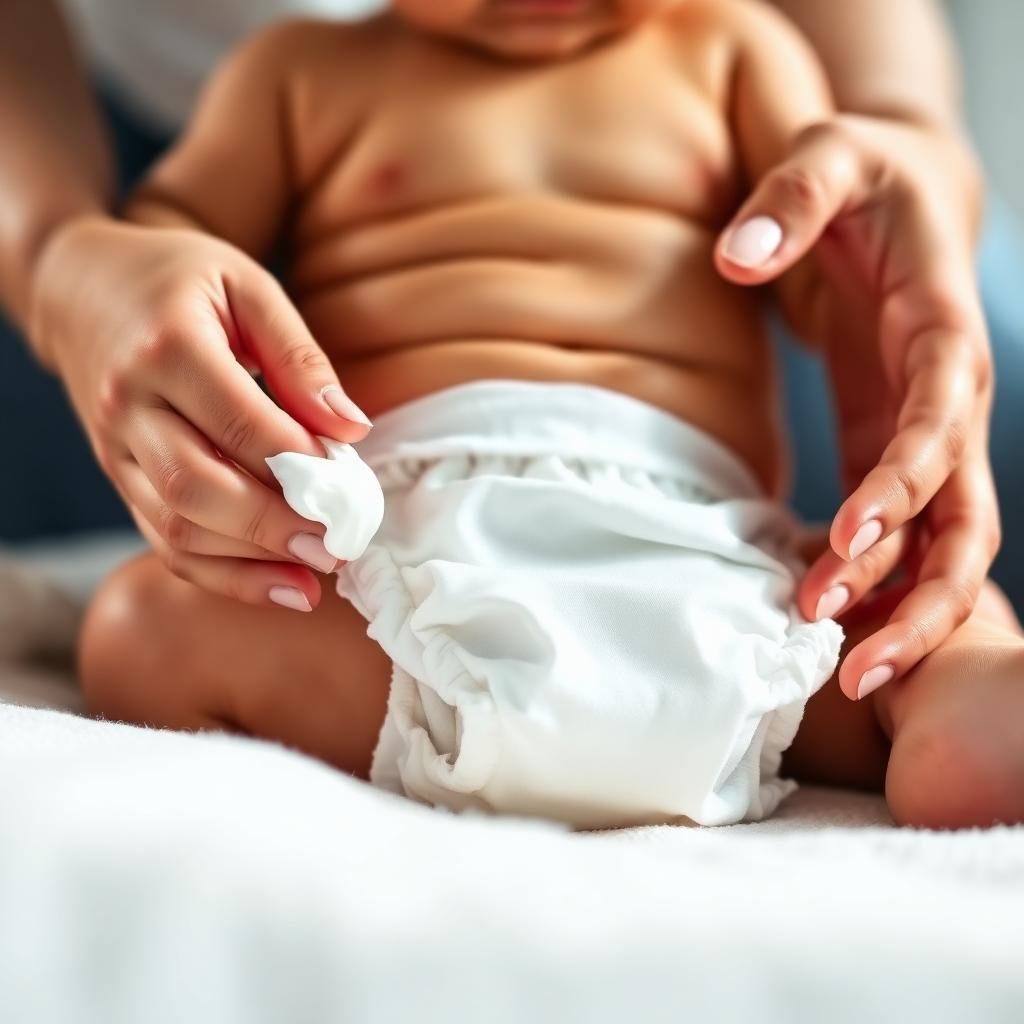
Bleeding Diaper Rash: When to Call the Doctor
Medically reviewed by Dr. Ahmad Raza, MD (Pediatrics) — ChildBloom Medical Review Panel. Last updated: August 4, 2026.
Editorial & affiliate disclosure: our guidance is written and reviewed by clinicians. ChildBloom may earn a commission from qualifying purchases made through links on this page, which never changes what our pediatric reviewers recommend.
Looking for clear answers about diaper rash that’s bleeding? This pediatrician-reviewed guide covers what matters, what to skip, the safety checks that count, and exactly when to involve your doctor — based on current AAP, CDC and CPSC guidance on diaper rash that’s bleeding.
Bleeding diaper rash: the first decision
Start by documenting how much bleeding you see, whether it follows wiping or cracking, how the skin looks, and whether your baby has fever or appears unwell. Avoid experimenting with multiple new products at once, and contact your child’s clinician for individualized advice.
Quick pediatrician summary: diaper rash that’s bleeding
Short answer: A pediatrician explains diaper rash that’s bleeding: gentle routines, ingredients to avoid, product picks and the skin signs that need a doctor.
Medically reviewed by Dr. Sarah Williams, MD — Pediatrician
A bleeding diaper rash means the top layer of skin has been broken down enough that tiny capillaries are exposed — most often from severe irritant dermatitis, an untreated yeast infection, or bacterial secondary infection. Small amounts of pinpoint bleeding on a wipe are usually treatable at home with aggressive barrier care and diaper-free time, but bleeding combined with fever, spreading redness, honey-colored crusts, blisters, or blood in the stool needs a pediatrician within 24 hours — and any actively bleeding open sore in a baby under 3 months needs same-day evaluation.
Quick Decision Chart
| What You See | Likely Cause | Action |
|---|---|---|
| Pink stain on wipe, tiny cracks | Severe irritant rash | Home care, see doctor if not better in 48h |
| Beefy red rash, satellite spots, bleeding folds | Yeast + broken skin | Pediatrician within 24h |
| Honey-yellow crusts, drainage, red streaks | Bacterial (staph/strep) | Pediatrician same day |
| Blisters, punched-out sores | Possible HSV or severe impetigo | Same day / ER |
| Blood in stool + rash | CMPI or fissure | Pediatrician within 24h |
| Rash + fever >100.4°F (<3 months) | Possible infection | ER now |
🩺 Pediatrician’s Diagnostic Checklist Print & Bring to Visit
A bleeding diaper rash means the skin barrier is broken. Time matters. Check every box that matches what you see — then share this list with your pediatrician.
⏱️ Timing & Onset
- Rash present for more than 48 hours
- Started during or after diarrhea
- Getting worse despite barrier cream
- Started after antibiotics for baby or breastfeeding parent
- No improvement after 48 hours of thick zinc-oxide care
👁️ Appearance
- Beefy bright red skin
- Sharp, well-defined borders
- Small ‘satellite’ spots outside the main rash
- Pinpoint blood on wipes
- Honey-yellow crusts or drainage
- Blisters or punched-out sores
📍 Location & Spread
- Involves the deep skin folds
- On the buttocks and thighs
- Spreading onto the abdomen or back
- Around the anus in a bright red ring
- Blood streaks in the stool itself
🚨 Red-Flag Symptoms — Call the Pediatrician Today
- Fever ≥100.4°F (38°C) in a baby under 3 months
- Fever ≥102°F (38.9°C) at any age
- Red streaks spreading from the rash
- Honey-colored crusts, pus, or drainage
- Blisters or open punched-out sores
- Baby lethargic, floppy, or refusing feeds
- Blood mixed into the stool (not just on skin)
Reviewed by Dr. Sarah Williams, MD — Pediatrician. This checklist supports, but does not replace, a clinical exam.
Why a Diaper Rash Starts to Bleed
The diaper environment is warm, moist, and repeatedly exposed to urine, stool enzymes, and friction. When barrier care lags behind irritation, three things happen in sequence:
- Barrier breakdown: The top skin layer (stratum corneum) thins and cracks.
- Erosion: Small superficial ulcers form, often at the edges of skin folds.
- Capillary exposure: Tiny blood vessels sit just under the eroded skin — the slightest friction or wiping causes pinpoint bleeding.
Once bleeding begins, the exposed skin becomes a doorway for yeast (Candida) and bacteria (Staphylococcus, Streptococcus). This is why bleeding rashes so often become infected if not aggressively treated.
Common Causes of a Bleeding Diaper Rash
Severe irritant dermatitis — Prolonged contact with stool (especially diarrhea) or urine. Rash is bright red, sometimes shiny, worst on convex surfaces (buttocks, thighs) and spares deep folds.
Untreated yeast infection — Beefy red, sharp-bordered rash with satellite dots that invades folds. When persistent, it thins the skin and causes bleeding.
Bacterial impetigo — Honey-colored crusts, sometimes pus, may bleed when crusts are disturbed.
Perianal streptococcal dermatitis — Bright red ring around the anus, often bleeds, may cause painful stooling and blood-streaked stool.
Cow’s milk protein intolerance (CMPI) — Rash plus mucousy or blood-streaked stools in a breastfed or formula-fed baby.
Anal fissures — Small tear at the anus from a hard stool; blood appears on the outside of the stool, not mixed in.
Home Care for a Bleeding Diaper Rash (First 48 Hours)
Only do this if there is no fever, no honey crusts, no blisters, no drainage, and your baby is behaving normally.
The “ACT” Protocol
A — Air. Diaper-free time is the single most effective treatment. Lay baby on a waterproof pad with a towel for 10–15 minutes after every diaper change (target: 60+ min/day total).
C — Cleanse gently. Skip wipes. Use a squirt bottle of warm water to rinse, then pat dry with a soft cloth (never rub). Do not use fragranced wipes, alcohol, or soap on broken skin.
D — Deposit a thick barrier. Apply zinc oxide 40% paste (Desitin Maximum Strength, Boudreaux’s Butt Paste Maximum) in a thick, opaque layer — thick enough that you can’t see the skin through it. Do NOT try to wipe it off at the next change; simply remove soiled top layer and re-apply.
What NOT to Use on Bleeding Skin
- Baby powder or cornstarch (feeds yeast)
- Fragranced wipes or bubble bath
- Topical steroids (hydrocortisone) without pediatric guidance
- “Home remedies” like breast milk, egg whites, or vinegar on open wounds
- Aquaphor over yeast (traps moisture, worsens candida)
When to Call the Pediatrician
Within 24 hours:
- Rash hasn’t improved after 48 hours of aggressive ACT care
- Bleeding is more than a few pinpoint spots
- Beefy red rash with satellite spots (suggests yeast that needs antifungal)
- Blood-streaked or mucous-filled stools
- Baby is uncomfortable, crying with every diaper change
Same day (urgent):
- Honey-colored crusts, pus, or drainage
- Red streaks spreading from the rash
- Rash + fever ≥100.4°F (38°C) in a baby <3 months
- Rash + fever ≥102°F (38.9°C) at any age
- Blisters or punched-out open sores
- Rash extending onto the abdomen or back
- Baby is lethargic, refusing feeds, or acting “not right”
Emergency (ER now):
- Any fever in a baby under 8 weeks with a rash
- Rash rapidly spreading over hours
- Signs of sepsis: floppy, pale/mottled, cold hands and feet with hot trunk, poor feeding, decreased urine output
What the Pediatrician May Prescribe
- Nystatin or clotrimazole cream (for yeast)
- Mupirocin (Bactroban) ointment (for staph)
- Oral cephalexin or amoxicillin (for streptococcal perianal dermatitis)
- Low-potency hydrocortisone for a short 3–5 day course over inflamed but non-infected skin
- Referral to pediatric dermatology if the rash is atypical or resistant
Preventing Recurrence After Bleeding Heals
- Change diapers every 2 hours during the day and once overnight
- Use fragrance-free, thick zinc oxide paste as a preventive barrier at bedtime and after any loose stool
- Consider a temporary switch to a less absorbent overnight diaper (paradoxically, super-absorbent diapers can prolong wetness against skin because parents change them less often)
- Avoid wipes containing fragrance, alcohol, or methylisothiazolinone (MI)
- If diarrhea is the trigger, ask about the underlying cause — persistent diarrhea >7 days deserves a pediatric visit
FAQ
Is it normal for a diaper rash to bleed a little?
A few pinpoint spots of blood on a wipe from a very inflamed rash can happen, but it is a warning sign — not a normal stage of diaper rash. It means the skin barrier has broken down and needs aggressive care within 48 hours. Persistent or increasing bleeding, blood mixed into a rash with pus, or bleeding accompanied by fever needs pediatric evaluation.
Can teething cause a bleeding diaper rash?
Teething itself doesn’t cause the rash, but teething often produces looser, more acidic stools that can rapidly irritate skin and lead to a severe irritant rash that may bleed. The mechanism is prolonged stool contact — not teething chemistry. Treatment is aggressive barrier care and quicker diaper changes during teething episodes.
Should I put Neosporin on a bleeding diaper rash?
No — do not apply Neosporin (or triple antibiotic ointment) to a diaper rash without pediatrician guidance. It has a moderate rate of allergic contact dermatitis in babies and can mask a yeast infection. If you suspect bacterial infection (honey crusts, drainage), you need a prescription antibiotic like mupirocin, not OTC ointment.
How long should a bleeding diaper rash take to heal?
With aggressive at-home ACT care (air, cleanse, thick zinc oxide), superficial bleeding should stop within 24–48 hours and the rash should be visibly better in 3–5 days. If it isn’t, or if the rash spreads or your baby develops fever, call the pediatrician. Yeast infections need antifungal cream and take 5–7 days to clear.
Can a bleeding diaper rash cause a fever?
The rash itself doesn’t cause fever — but a secondary bacterial skin infection (impetigo, cellulitis, or perianal strep) can. Any fever ≥100.4°F in a baby under 3 months with any rash is a same-day emergency. Fever + spreading rash + baby acting ill at any age warrants urgent evaluation.
Is bright red bleeding in the diaper always from the rash?
No. Blood in the diaper can come from the rash, from an anal fissure (small tear, blood on the outside of stool), from cow’s milk protein intolerance (mucousy blood mixed in stool), or rarely from more serious GI issues. If blood is mixed into the stool rather than just on the outside skin or the wipe, call the pediatrician within 24 hours.
Can I still use wipes on a bleeding diaper rash?
Skip wipes on actively bleeding or broken skin — even “sensitive” wipes contain preservatives that sting and delay healing. Use a squirt bottle of warm water and pat dry. You can return to fragrance-free wipes once the skin is intact.
Not sure the rash is irritant? Compare it with our yeast diaper rash guide.
References
- American Academy of Pediatrics (HealthyChildren.org): Diaper Rash
- Cleveland Clinic: Diaper Rash — Types and Treatment
- Pediatrics in Review (AAP): Diaper Dermatitis
- American Academy of Dermatology: Diaper Rash Care
- StatPearls (NCBI): Diaper Dermatitis — clinical review
This article is for educational purposes and does not replace individual medical advice. Always consult your pediatrician for any bleeding rash in an infant.
Related Rash Guides from ChildBloom
A rash that bleeds or won’t heal needs careful comparison. Related guides:
- Yeast Diaper Rash — beefy-red rash with satellite spots that won’t clear with barrier cream.
- Baby Rash Types (with pictures) — visual identification chart for the 12 most common baby rashes.
- When to Worry About a Rash — red-flag chart: fever, spreading, purple spots, or breathing changes.
All guides reviewed by pediatricians on the ChildBloom clinical team. When in doubt, contact your child’s doctor.
📖 More from the Health & Safety Hub: your A-Z pediatrician guide to baby health, common illnesses, fevers, rashes, allergies, safety
A painful rash disrupts naps and night sleep for days after it heals. Once the skin is calm, reset the day with our infant sleep schedule by age.
Common mistakes parents make with diaper rash that’s bleeding
- Assuming a higher price means a safer or better-performing option — certification and correct fit matter far more.
- Skipping the instruction manual, weight limits and product registration, which is how recall notices reach you.
- Changing several things at once, so you cannot tell what actually helped your baby.
- Relying on advice from social media instead of your pediatrician when something feels off.
Related pediatrician-reviewed reading
- Yeast Diaper Rash
- Best Diaper Rash Cream
- Baby Diaper Rash Prevention
- Diaper Rash Won’t Go Away? Causes, Treatments & Red Flags
- baby bath & skincare hub
References & further reading
Medical disclaimer: this article is for general education and does not replace individual medical advice. Always follow your own pediatrician’s guidance for your child.
Quick answer: protect broken skin and assess the cause
Gently clean and pat the area dry, reduce friction and moisture, and use only products appropriate for your baby’s skin and clinician guidance. Bleeding, open skin, or a rash that is worsening deserves medical advice.
When to contact a clinician
Ask for care if there is spreading redness, swelling, pus, blisters, significant pain, fever, poor feeding, dehydration, or no improvement. Do not diagnose yeast or bacterial infection from an image or begin prescription treatment without advice.
Medical review
Reviewed by Dr. Ahmad Raza, MD, Pediatrics. This page was reviewed for pediatric accuracy and safety. It is educational information and does not replace individualized advice from a qualified clinician.



3 Comments