Toddler Separation Anxiety: A Parent’s Guide
Medically reviewed by Dr. Ahmad Raza, MD (Pediatrics) — ChildBloom Medical Review Panel. Last updated: August 03, 2026.
Affiliate disclosure: ChildBloom may earn a commission from qualifying purchases made through links on this page. It never changes which products our pediatric reviewers recommend.
This pediatrician-reviewed guide to toddler separation anxiety keeps things practical: what genuinely affects your baby’s safety and comfort, what marketing you can ignore, and how to decide quickly. Our guidance on toddler separation anxiety follows current AAP, CDC and CPSC recommendations.
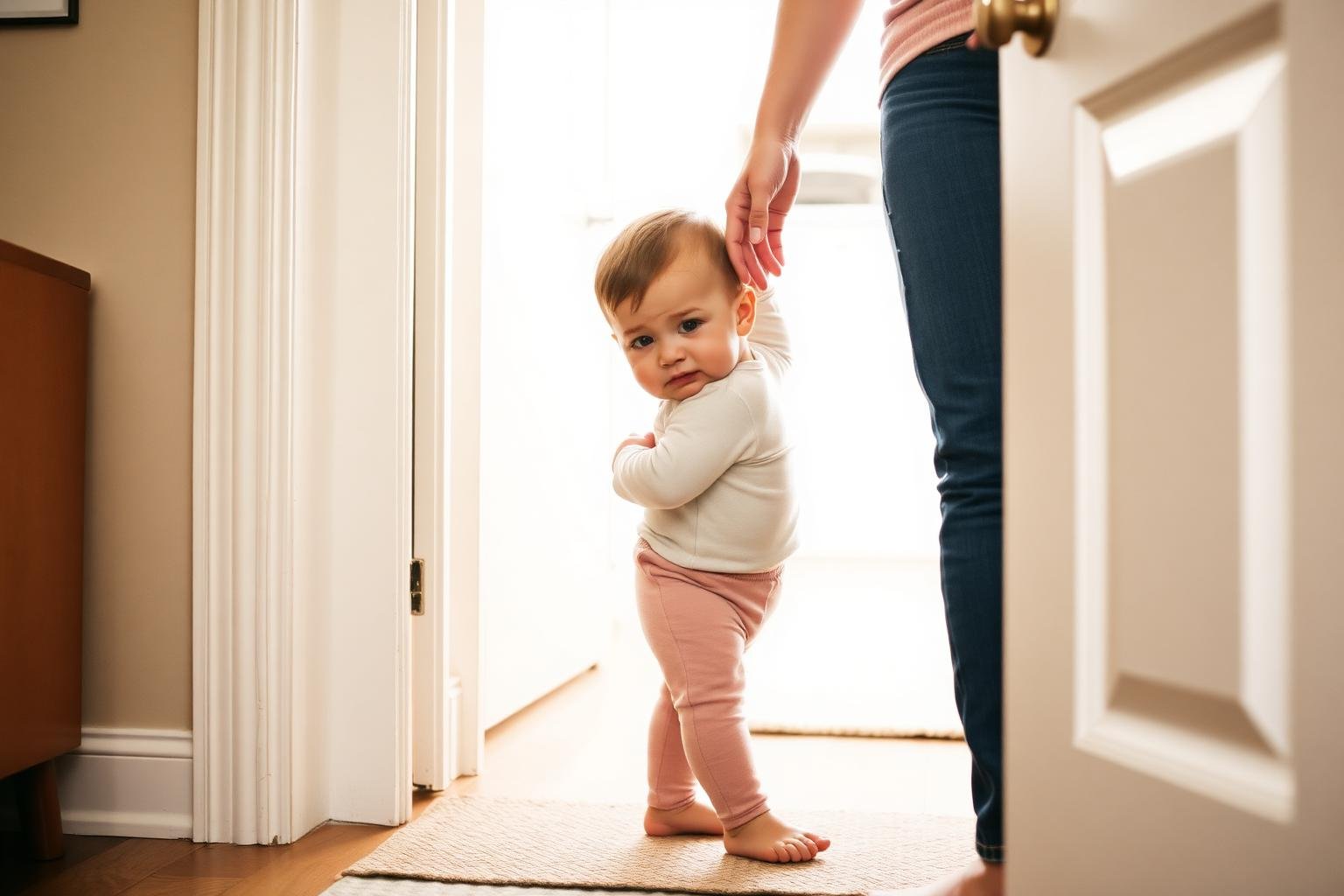
That heart-wrenching wail as you turn to leave daycare. The desperate cling to your leg when the babysitter arrives. As a pediatric expert, I see the worry and guilt in parents’ eyes every day. You wonder, “Is this normal? Am I doing something wrong? Should I just stay?”
Let me reassure you: what you’re seeing is likely toddler separation anxiety, and it is not only normal but a beautiful sign of the secure, loving bond you’ve built with your child. This challenging phase is a temporary stop on the road to independence. My promise to you is to provide the understanding and actionable strategies you need to navigate these tricky goodbyes with confidence and calm.
Understanding Toddler Separation Anxiety: Why It Happens
Separation anxiety is a standard part of your child’s development. It surges when they begin to understand “object permanence”—the concept that people and things exist even when they can’t be seen. For a toddler, if their favorite person (you!) is out of sight, it can feel like you’re gone forever.
We typically see two major peaks:
- Around 8-10 Months: As babies become more aware of their surroundings, stranger danger and separation anxiety often appear together.
- Around 18 Months: This is often the most intense peak. Your toddler is now more mobile and independent, but also keenly aware of how much they still depend on you. Their big feelings often outpace their language skills, leading to tears and tantrums as their primary way to say, “I’m scared! Don’t go!”
This isn’t just clinginess. While a clingy child might prefer you, a child with separation anxiety experiences genuine distress. The good news is that with a consistent and loving approach, this intensity usually fades as they approach their third birthday.
Practical Tips for Easing Tearful Goodbyes
You can actively help your toddler learn that separation is temporary and that they are safe and loved. The key is building trust through predictability.
- Create a Goodbye Ritual: A ritual can be a powerful signal. Make it short, sweet, and the same every time. For example: one big hug, a kiss on their palm “to keep,” and a confident, “I love you! I will be back after your nap.” Then, you must leave.
- Practice Short Separations: Build their “bravery muscle.” Start by leaving them with a trusted caregiver for just 15-20 minutes while you go for a walk. These successful short reunions teach the core lesson: you always come back.
- Connect Before You Go: Before a planned separation, spend 10-15 minutes of focused, phone-free time with your child. Fill their “attention cup” with a book or a quick puzzle. A connected child separates more easily.
- Use a Comfort Object: A small blanket, a beloved stuffed animal, or even a laminated family photo can act as a physical stand-in for you, providing comfort while you’re away.
Expert Insights: A Pediatrician’s Perspective
In my practice, I encourage parents to become detectives and partners in their child’s care. Here are some insights that make a world of difference.
Partner with Your Caregiver: Your child’s teacher or babysitter is your greatest ally. Talk to them about the anxiety. Ask them to have a favorite, engaging activity ready the moment you leave. A quick, smooth transition to a fun task is the best medicine for tears. Often, the crying stops less than five minutes after you’re out the door.
Your Calm is Contagious: Your toddler mirrors your emotions. If you are anxious, sad, or hesitant during goodbyes, it signals to them that this separation is something to fear. Project warmth, confidence, and calm, even if your heart is aching. Your calm demeanor reassures them that they are safe and this is a normal part of the day.
Protect the Basics: Sleep & Nutrition: A well-rested and well-fed toddler has a much greater capacity to handle big emotions. A lack of sleep can significantly worsen anxiety. If you’re struggling with bedtime battles or night wakings, addressing those common toddler sleep problems can have a positive ripple effect on their daytime mood.
Common Mistakes Parents Make (And How to Avoid Them)
Navigating separation anxiety can feel counterintuitive. Here are a few common pitfalls to avoid.
- The Mistake: Sneaking Out. It’s tempting to slip away when they aren’t looking to avoid the meltdown. Why it backfires: Sneaking out breaks trust. It teaches your child that you might disappear at any moment, forcing them to be hyper-vigilant and making future separations even harder.
- The Mistake: The Long, Drawn-Out Goodbye. One more hug, one more kiss, one more wave from the window… Why it backfires: Lingering sends a mixed message. It prolongs the painful moment and signals that leaving is a sad, negotiable event, which only increases their distress.
- The Mistake: Dismissing Their Feelings. Saying “You’re fine, don’t cry,” is a natural reaction. Why it backfires: It tells your child their feelings are wrong. Instead, validate their emotion while holding the boundary. Try: “I know it’s hard to say goodbye. I love you so much, and I will be back to get you after your snack.” This builds their capacity for understanding their big emotions.
Frequently Asked Questions
This phase can be so tough on a parent’s heart, but your child’s tears are a testament to your powerful connection. By providing consistency, confidence, and a whole lot of love, you are giving them the tools they need to feel secure in the world. This will pass, and you are doing a great job.
If you ever feel your child’s anxiety is becoming overwhelming or unmanageable, never hesitate to reach out to your pediatrician. We are here to support you and your growing child through every stage.
Toddler separation anxiety: quick pediatrician summary
If you read nothing else about toddler separation anxiety: choose the option that meets current safety standards, fits your baby’s current age and weight, and that you can use correctly every single time without shortcuts. Consistency beats features. When two products are close, pick the simpler one — fewer parts means fewer ways to use toddler separation anxiety unsafely.
Common mistakes parents make
- Buying for the baby your child will be in six months rather than the baby in front of you today.
- Adding extra padding, inserts or accessories the manufacturer did not test.
- Skipping the manual — most safety failures we see are correct products used incorrectly.
- Reusing older hand-me-downs that predate current safety standards or have been recalled.
Related ChildBloom guides
- Positive Parenting Guide: Toddler Behavior, Feeding, Sleep, and Development (1–3 Years)
- Breastfeeding Pain: Engorgement, Mastitis & Clogged Ducts E
- Toddler Emotional Regulation: Building Skills That Last
- Toddler Hitting and Biting: Why It Happens and What to Do
- Baby Choking Hazards: The Complete Prevention Guide
- More Parenting Tips guides from our pediatric team
- Pediatrician’s Corner: evidence-based parenting answers
References and further reading
- AAP HealthyChildren.org parenting guidance
- CDC developmental milestones
- CPSC recalls and product safety alerts
Medical disclaimer
This article is general information, not individual medical advice. Every baby is different — talk to your own pediatrician about your child’s feeding, sleep, growth or development, and seek urgent care for breathing difficulty, poor feeding, dehydration, fever in an infant under 3 months, or any sudden change in your baby’s behaviour.






2 Comments