
Keeping Your Baby Safe: Evidence-Based Prevention Strategies
Child safety is one of the most anxiety-provoking topics for new parents, and the volume of safety advice available can be overwhelming. The key to effective safety prevention is not to eliminate all risk — that is impossible — but to prioritize the risks that are most common, most serious, and most preventable. The evidence-based approach to child safety is built on understanding the developmental stages of injury risk and implementing prevention strategies that are appropriate for each stage.
The leading cause of injury death in children under 1 year of age is suffocation, and the single most effective prevention strategy is practicing safe sleep. The ABCs of safe sleep — Alone, on their Back, in a bare Crib — have been proven to reduce the risk of SIDS and accidental suffocation by more than 50%. The “Alone” component means that the baby should sleep in their own sleep space, not in an adult bed, on a couch, or in a shared sleep surface. The “Back” component means that every sleep, day and night, should begin with the baby on their back. The “Crib” component means that the sleep surface should be firm, flat, and bare — no pillows, blankets, bumper pads, or stuffed animals. The evidence for these recommendations is overwhelming, and they apply to every baby, every sleep, every time.
For children ages 1-4, the leading cause of injury death is drowning, and the prevention strategy is layers of protection. Drowning is fast and silent — it does not look like the dramatic, splashing drowning depicted in movies. A child can drown in as little as one inch of water, and drowning can occur in as little as 20-30 seconds. The layers of protection that reduce drowning risk include: constant, focused adult supervision around any body of water (not distracted supervision — the supervising adult should be within arm’s reach, not looking at a phone), four-sided fencing with a self-closing, self-latching gate around any pool or spa, pool covers and alarms, swim lessons starting at age 1 (which have been shown to reduce drowning risk but do not make a child “drown-proof”), and CPR training for all caregivers. No single layer of protection is sufficient — multiple layers are needed to reduce the risk of this devastating, preventable injury.
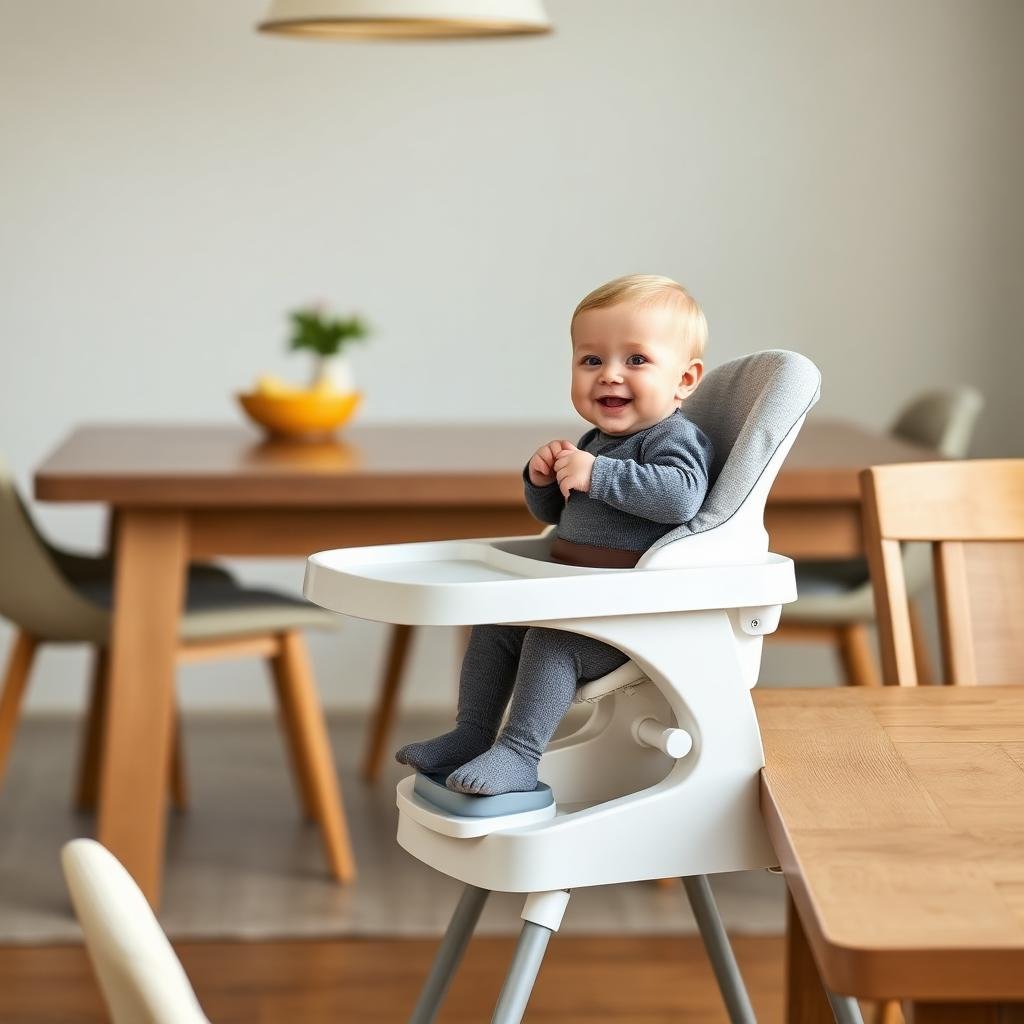
Falls are the most common cause of non-fatal injury in young children, and the prevention strategies are straightforward. Never leave a baby unattended on a changing table, bed, couch, or other elevated surface — even a newborn can roll off a surface before you expect them to. Use the safety straps on changing tables, high chairs, and strollers every time, even if you are just stepping away for a moment. Install window guards on all windows above the first floor, and keep furniture away from windows to prevent climbing. Anchor all heavy furniture — dressers, bookshelves, televisions — to the wall to prevent tip-over injuries, which are a leading cause of injury in toddlers. The CPSC reports that a child dies from a furniture tip-over every two weeks, and these injuries are entirely preventable with an inexpensive furniture anchor.
Clinical Pearl: Poison Prevention and What to Do in an Emergency
Poisoning is a preventable injury that affects thousands of children each year. The most common poisons in young children are household cleaning products, medications (both prescription and over-the-counter), cosmetics, and plants. Prevention strategies include: storing all medications and cleaning products in locked cabinets out of reach, keeping products in their original containers (never transfer cleaning products to food containers), installing child-resistant locks on cabinets, and keeping the Poison Control number (1-800-222-1222) programmed into your phone and posted in a visible location. If you suspect your child has ingested something poisonous, do not induce vomiting — the American Academy of Pediatrics no longer recommends ipecac syrup, and vomiting can cause additional harm depending on the substance ingested. Call Poison Control immediately, and they will provide specific instructions based on the substance, the amount ingested, and your child’s weight and age.
Child Safety: Evidence-Based Prevention
Child safety is one of the most anxiety-provoking topics for parents, and the volume of safety advice can be overwhelming. The key to effective safety prevention is to focus on the risks that are most common, most serious, and most preventable, and to implement prevention strategies that are supported by evidence.
The leading cause of injury death in children under 1 year of age is suffocation, and the most effective prevention strategy is practicing the ABCs of safe sleep: Alone, on their Back, in a bare Crib. The evidence for these recommendations is overwhelming: since the “Back to Sleep” campaign was launched in 1994, the rate of SIDS has declined by more than 50%. The “Alone” component means that the baby should sleep in their own sleep space, not in an adult bed, on a couch, or in a shared sleep surface. The “Back” component means that every sleep — day and night — should begin with the baby on their back. The “Crib” component means that the sleep surface should be firm, flat, and bare — no pillows, blankets, bumper pads, or stuffed animals. These recommendations apply to every baby, every sleep, every time, without exception.
The leading cause of injury death in children ages 1-4 is drowning, and the most effective prevention strategy is layers of protection. Drowning is fast and silent — a child can drown in as little as one inch of water, and drowning can occur in as little as 20 seconds. The layers of protection that reduce drowning risk include: constant, focused adult supervision around any body of water, four-sided fencing with a self-closing, self-latching gate around any pool or spa, pool covers and alarms, swim lessons starting at age 1 (which have been shown to reduce drowning risk but do not make a child “drown-proof”), and CPR training for all caregivers.
Related Articles
- Best Baby Strollers for Travel and Everyday Use in 2026
- Best Baby Monitor 2026: Safe Picks & Buying Guide
- Smart Baby Monitor Buying Guide: Best Types for 2026
- Best Baby Walker Alternatives for Safe Development
- Best Convertible Car Seats 2026: Top 9 Safety Picks
- Best Newborn Diapers 2026: Our Top 7 Picks & Reviews
Related: Best Lightweight Travel Car Seats
Everyday Safety Checklist for Parents
Daily Safety Checks
Incorporate a quick safety scan into your daily routine. Check that crib hardware is tight and the mattress is at the correct height. Ensure all cleaning products and medications are in locked cabinets. Verify that window cords are tied up and out of reach. Test smoke and carbon monoxide detectors monthly. Check that the water heater is set to 120°F maximum. These quick checks take 2 minutes and prevent common household injuries.
Car Seat Safety on Every Trip
Before every car ride, do a quick harness check: the chest clip should be at armpit level, the harness should be snug (you cannot pinch any webbing at the shoulder), and the car seat should not move more than 1 inch at the belt path. Avoid bulky clothing under the harness. Never leave a child alone in a car, even for a minute. Rear-face as long as your car seat allows — the AAP recommends until at least age 2 or the maximum height/weight of the seat.
If you have specific concerns about your child’s health, development, or behavior that are not addressed in this article, please bring them to your next pediatrician visit. Every child is unique, and personalized medical advice — based on your child’s individual history, examination findings, and family context — is always more valuable than generalized guidance. Your pediatrician is your partner in navigating the complex and rewarding journey of raising a healthy, happy child.
When shopping for a car seat, consider the following features: a five-point harness (which distributes crash forces across the strongest parts of the body), a high rear-facing weight and height limit (the AAP recommends rear-facing until at least age 2, and ideally until the child reaches the maximum limits of the seat), easy-to-adjust harness straps, and a base that is easy to install correctly. Many fire stations and police stations offer free car seat inspection events where a certified technician can check your installation. Taking advantage of this service can give you peace of mind that your baby’s car seat is installed correctly and will provide the protection it is designed to offer.
Every baby is unique, and the guidance in this article is meant to provide a general framework for decision-making. Your pediatrician can offer personalized advice based on your baby’s specific health history, developmental stage, and family circumstances. If you have any concerns about your baby’s health, safety, or development, please do not hesitate to reach out to your pediatrician’s office — we are here to support you and your family every step of the way.
The National Highway Traffic Safety Administration (NHTSA) provides a car seat finder tool on their website that can help you select the right seat for your child’s height, weight, and age. Once you have selected a car seat, the most important step is installation. A car seat that is not installed correctly cannot protect your child in a crash. The most common installation errors are: the seat is too loose (it should not move more than one inch at the belt path), the harness is too loose (you should not be able to pinch any webbing at the shoulder), the chest clip is too low (it should be at armpit level), and the seat is reclined at the wrong angle (newborns need a 45-degree angle to keep their airway open). Many local fire stations and police stations offer free car seat inspection events, and certified technicians can help you get it right.
Pingback: Best Baby Walker Alternatives for Safe | ChildBloom